Sebastiāo Salgado

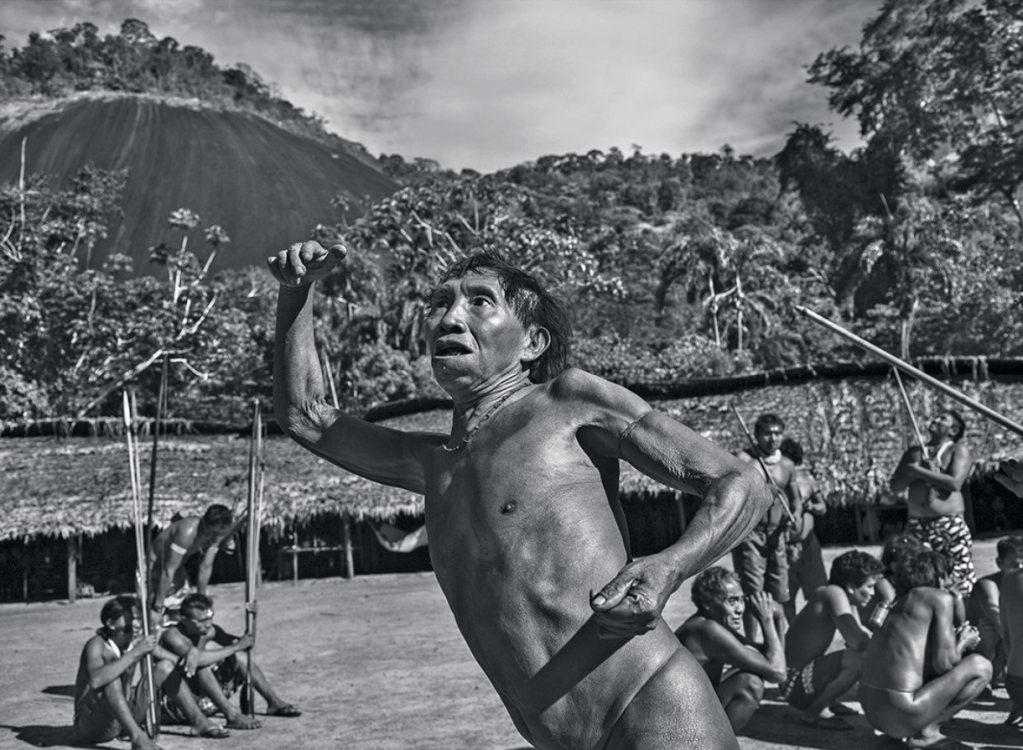
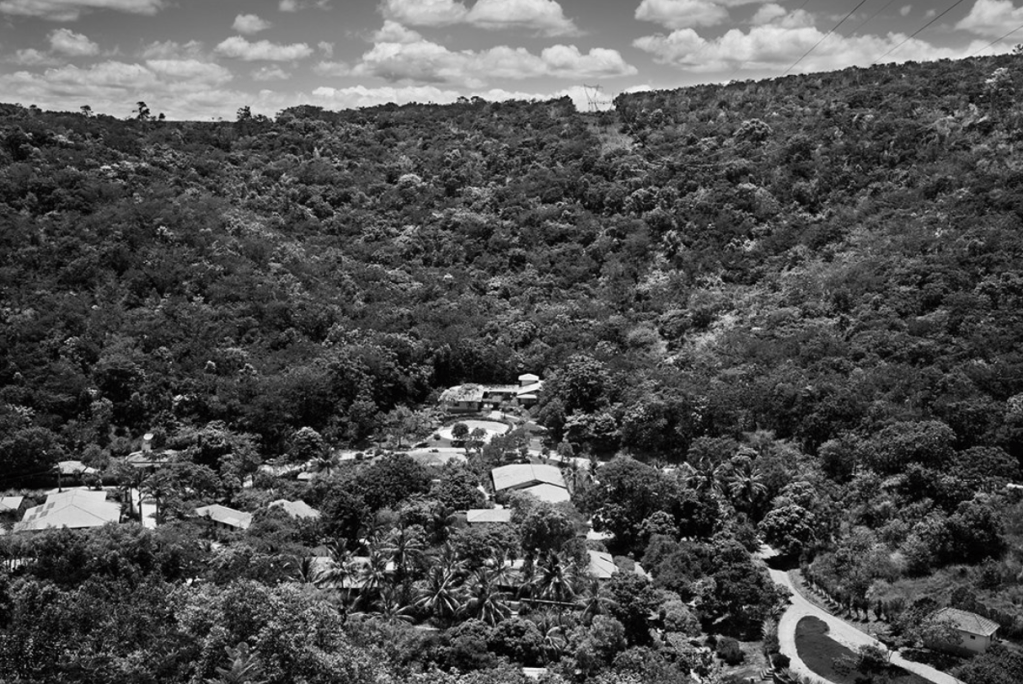
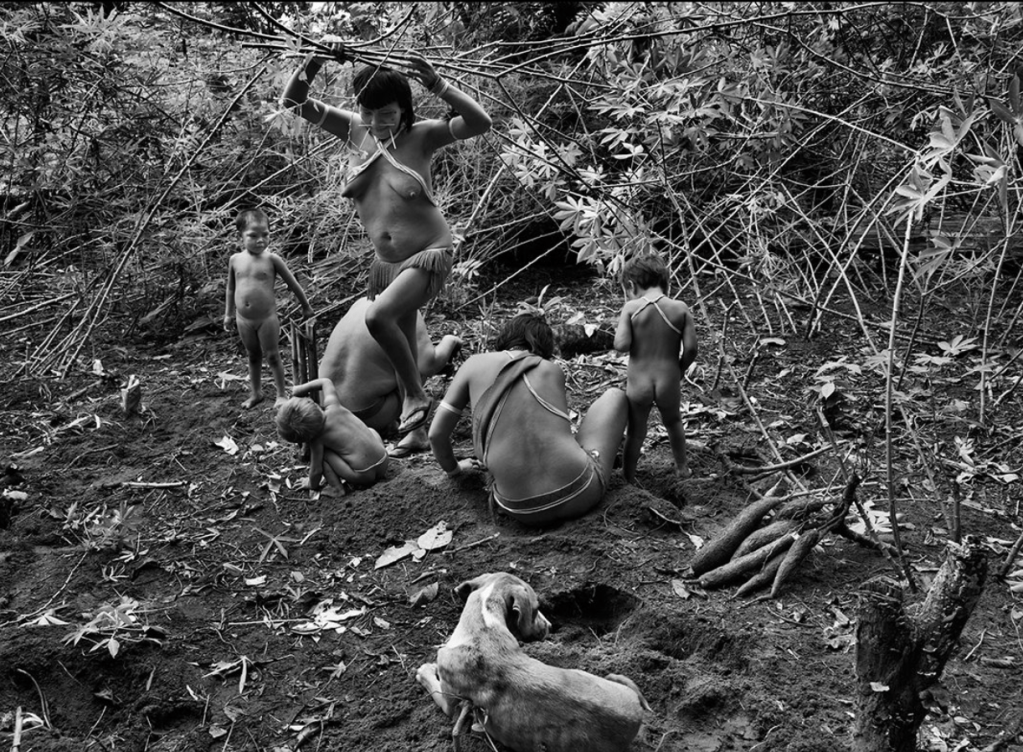
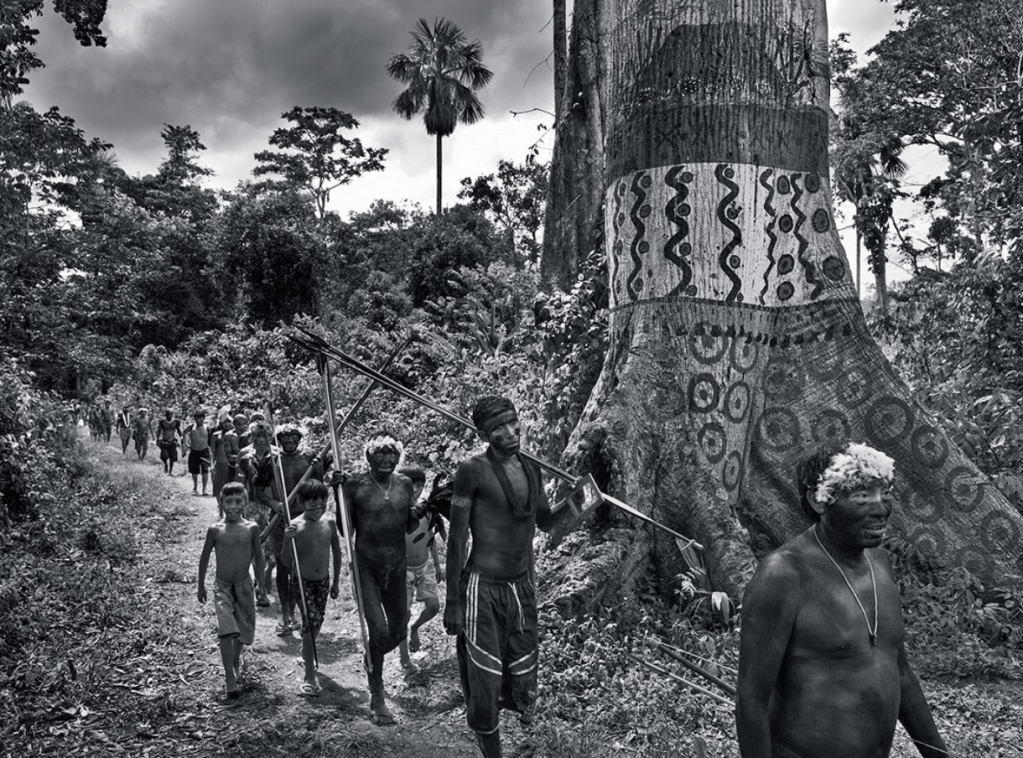
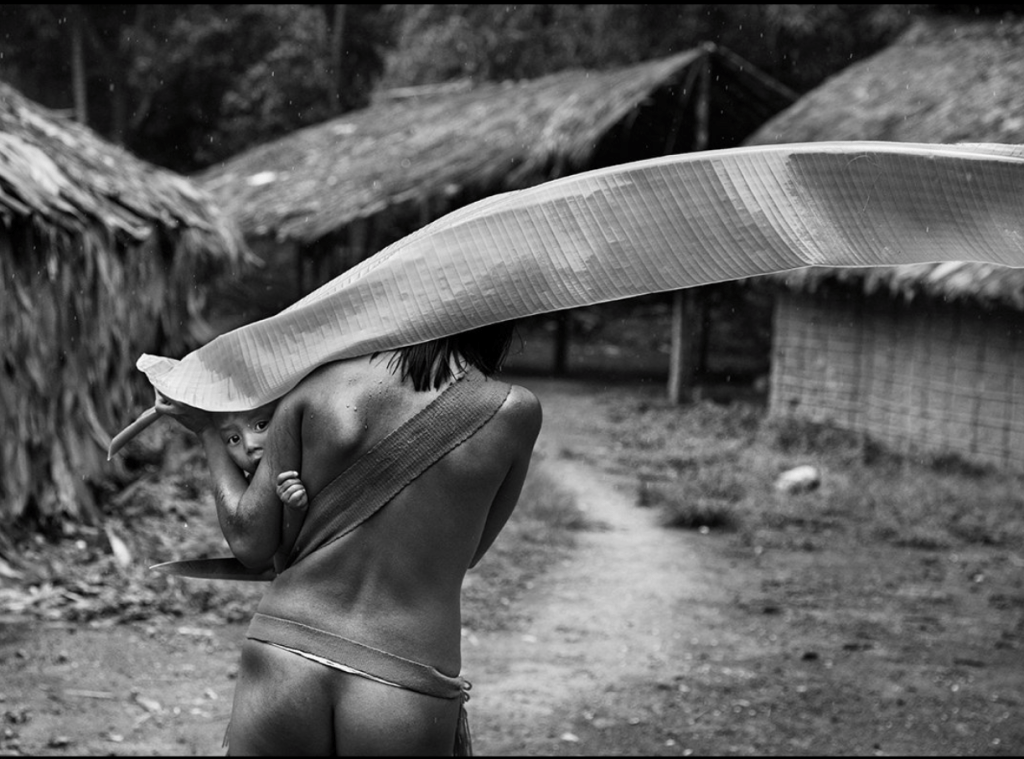
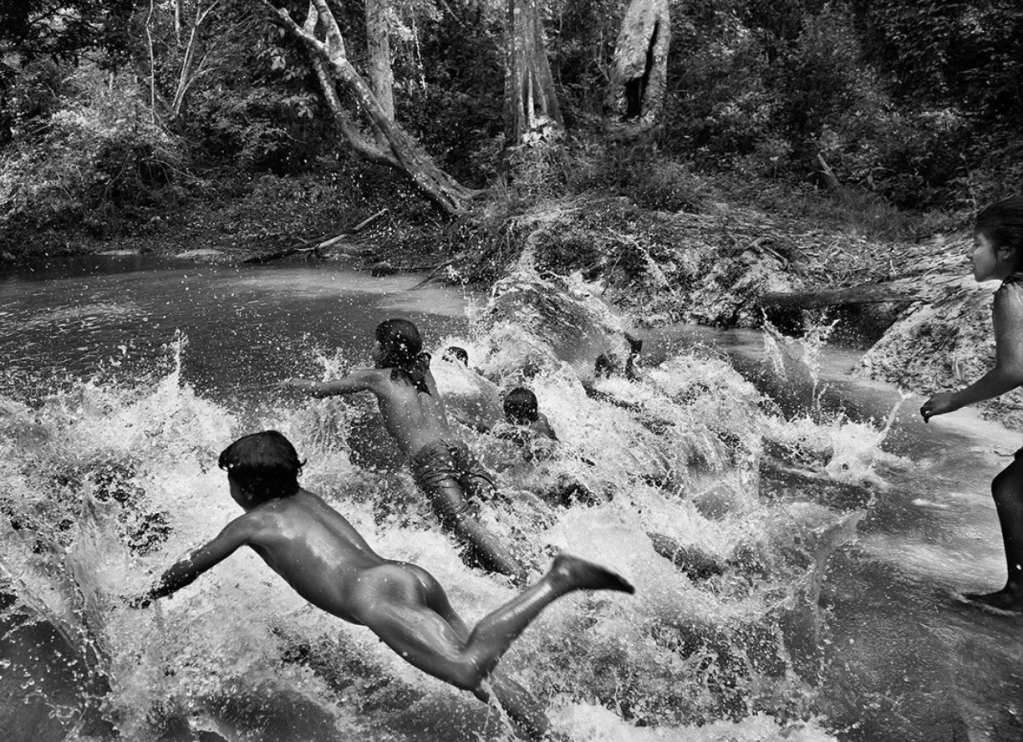
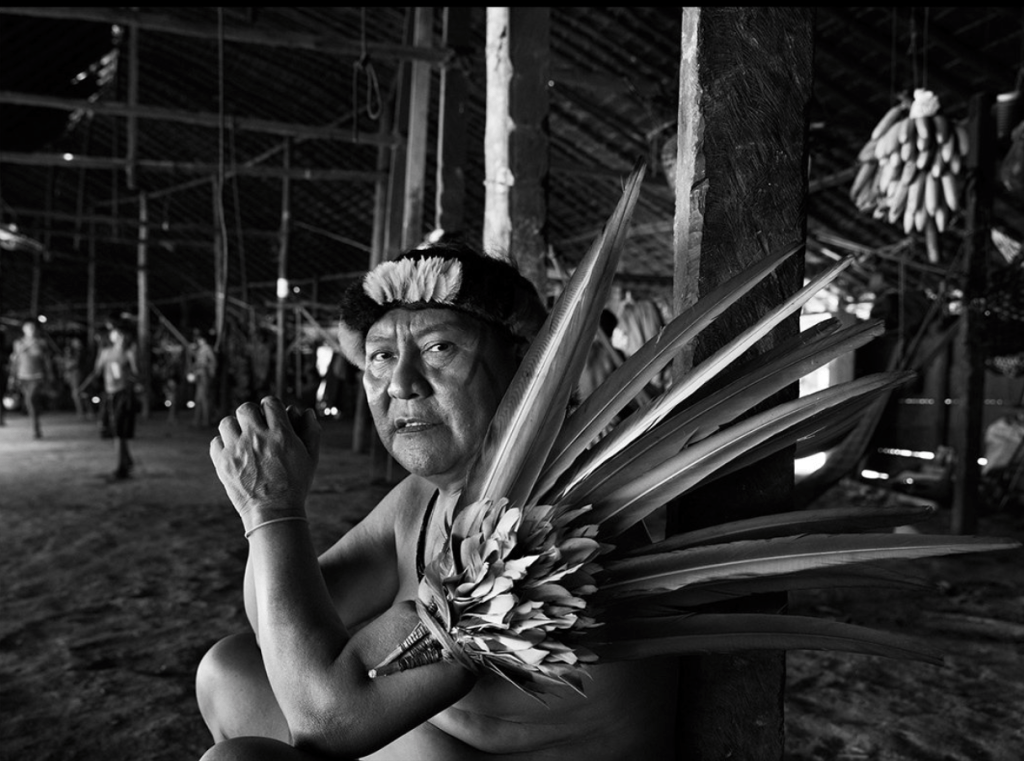
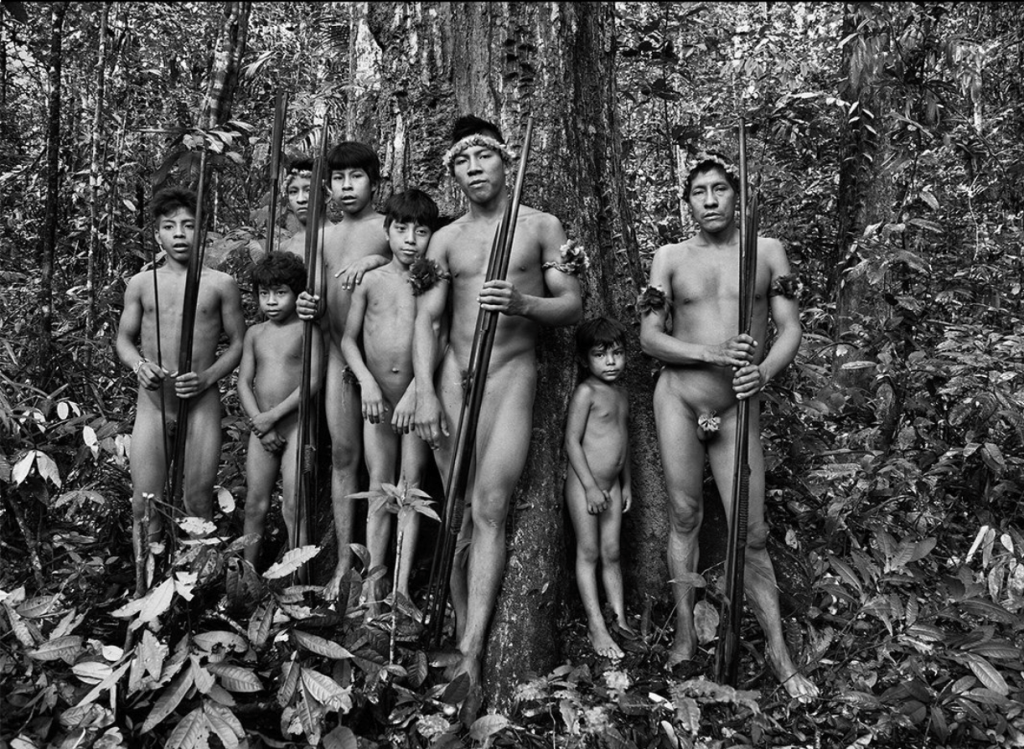
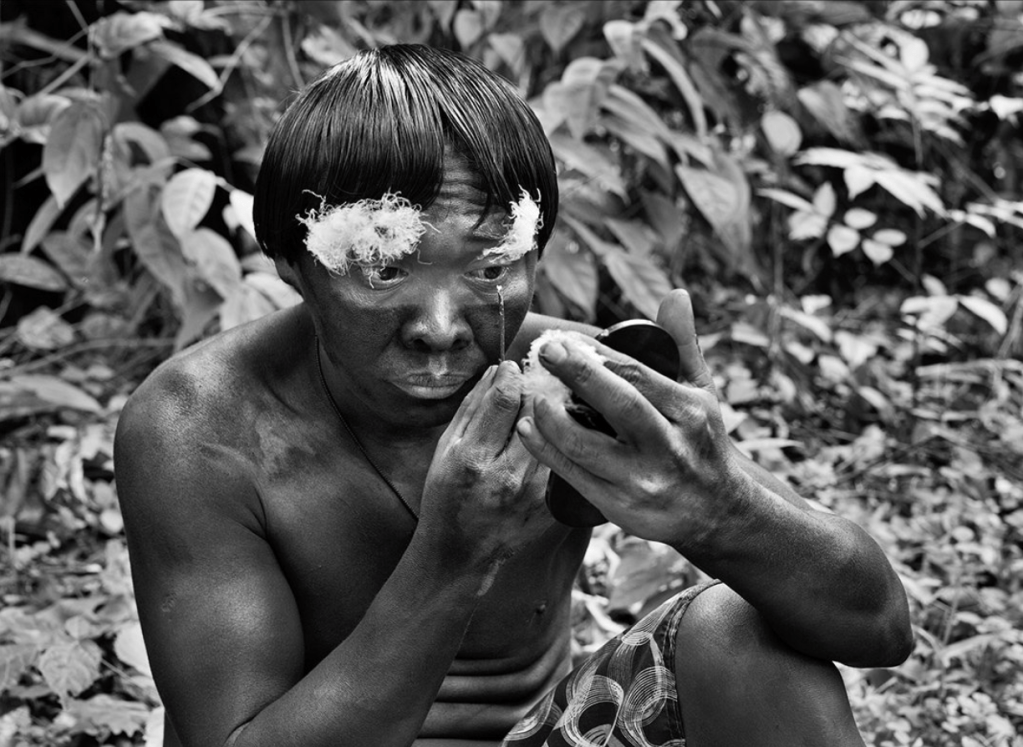
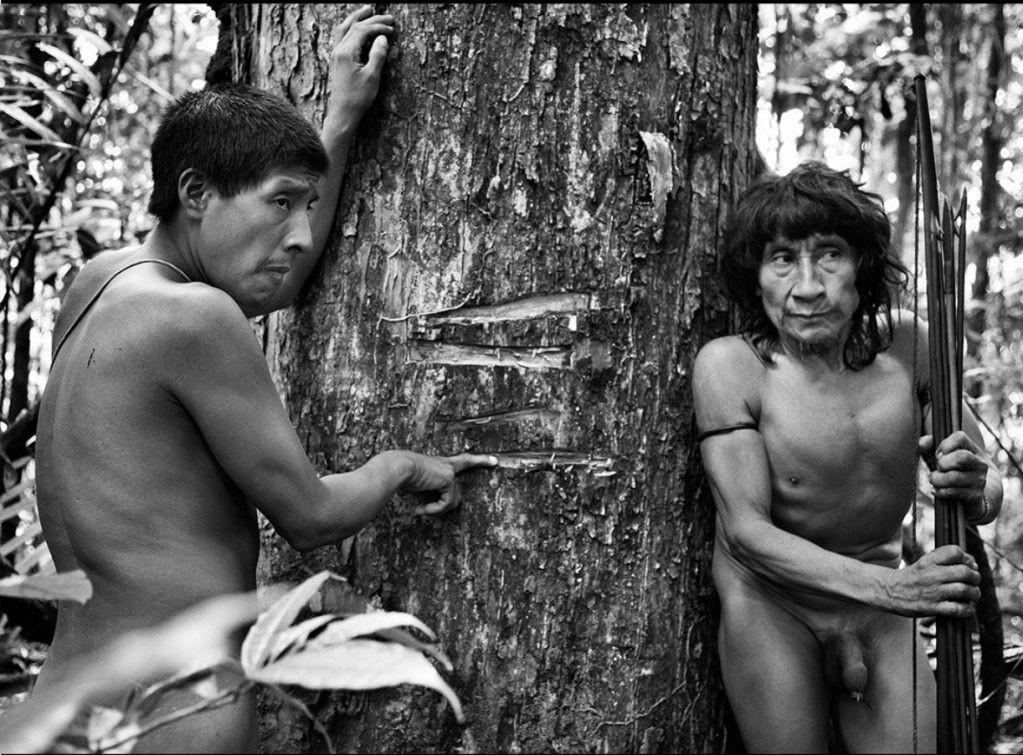
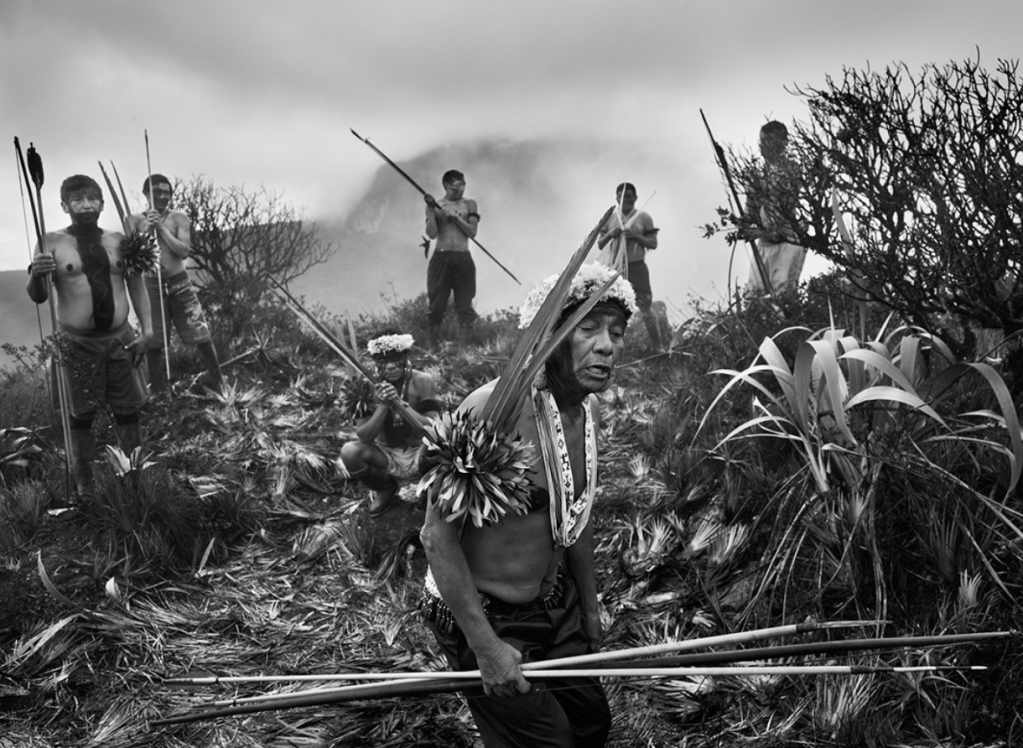
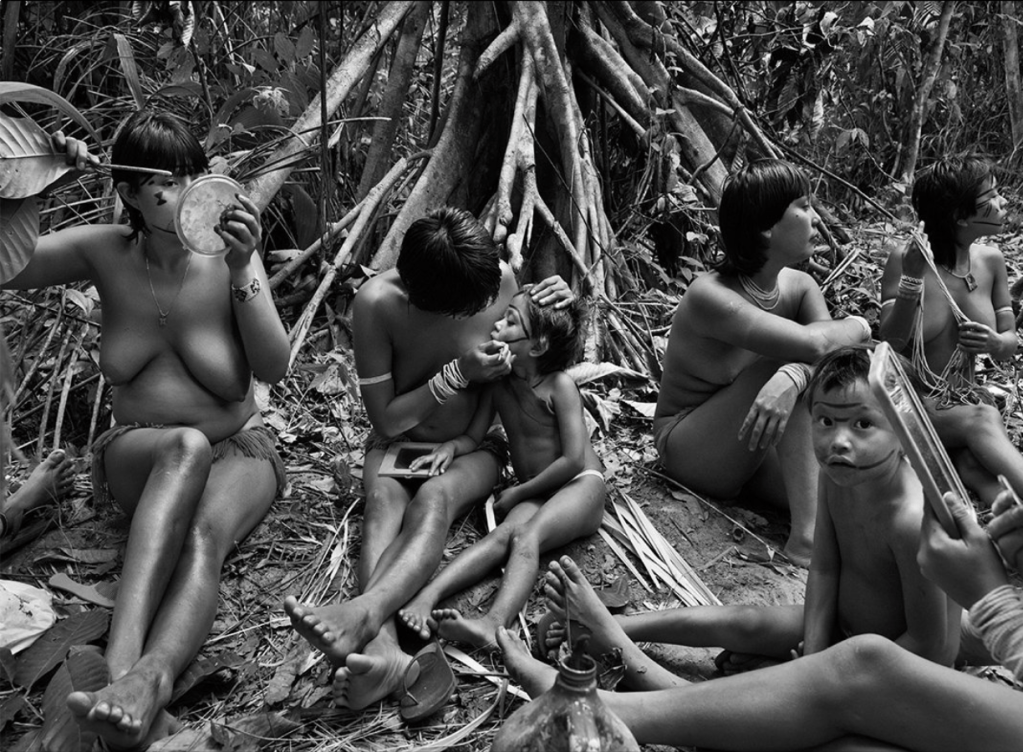
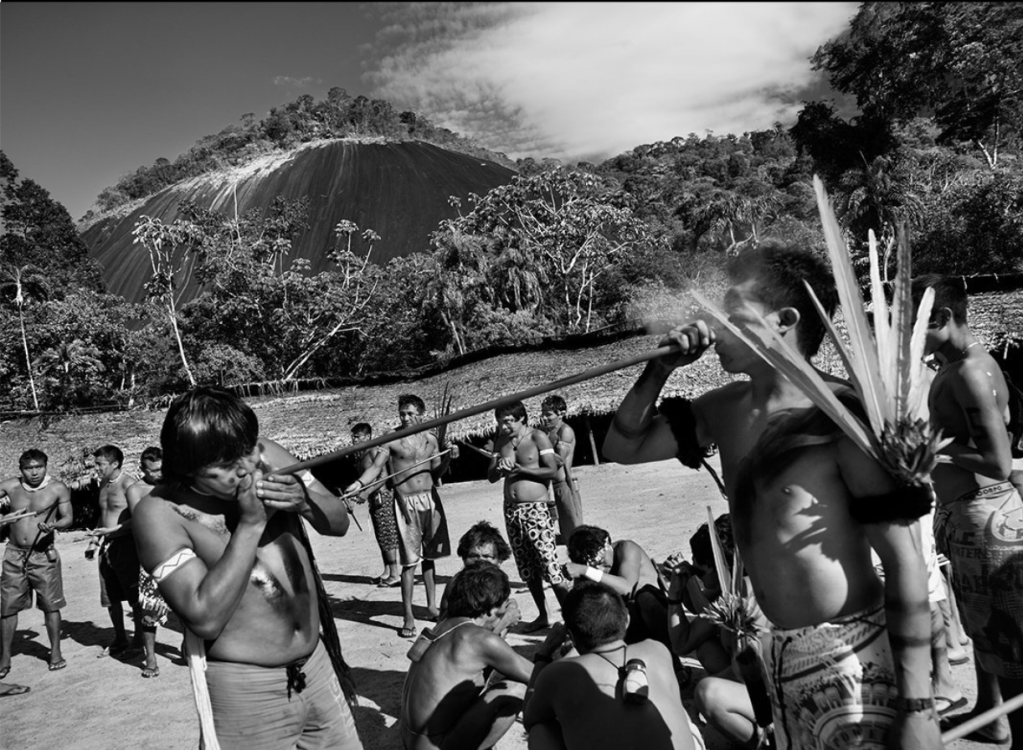
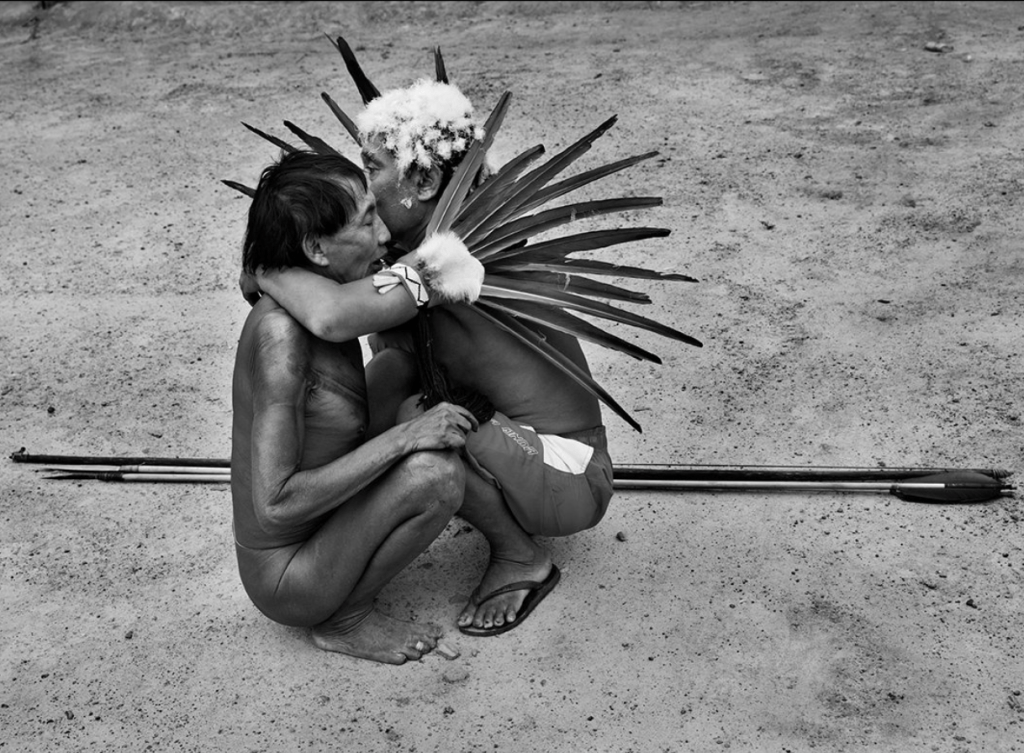
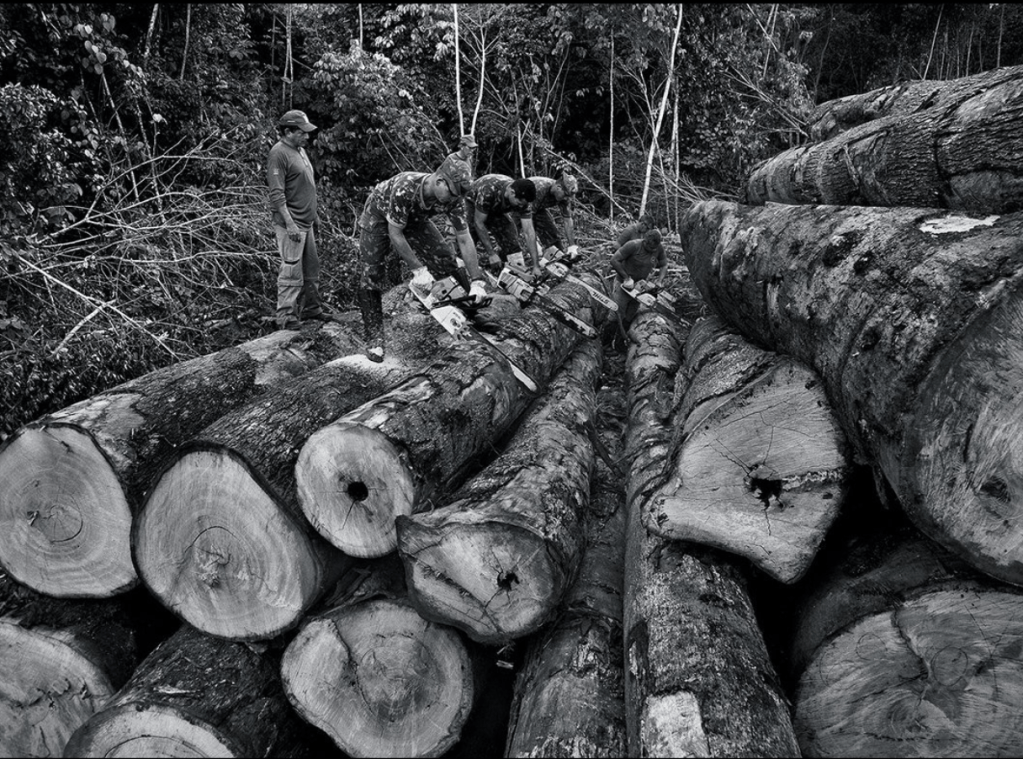
Sebastião Salgado was born in Aimorés, Brazil in 1944. Before becoming a photographer, Salgado originally studied as economics and earned his MA from São Paulo University in 1968 and a PhD from the University of Paris in 1971. He worked at the International Coffee Organization in London which required him to make frequent trips abroad. His interest in documenting his trips started his interest in photography. By 1974 Salgado was freelancing as a photojournalist for the Sygma agency in Paris. Following his work for Sygma, he then began working for Gama from 1975 until 1979, when he joined Magnum.

Salgado has produced various extended documentary series throughout his career, many of which have been published. He has also won many honors for his work.

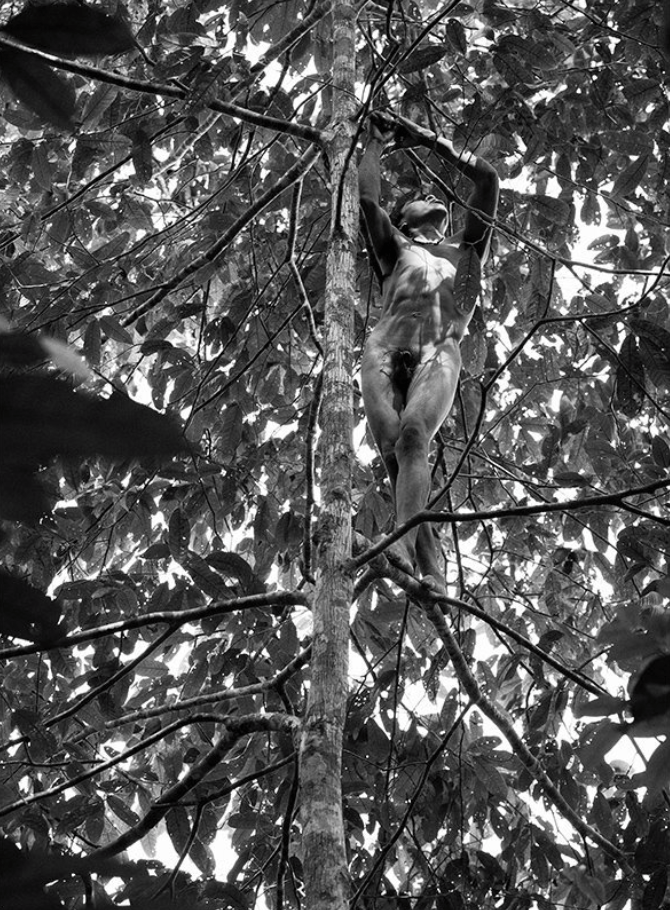
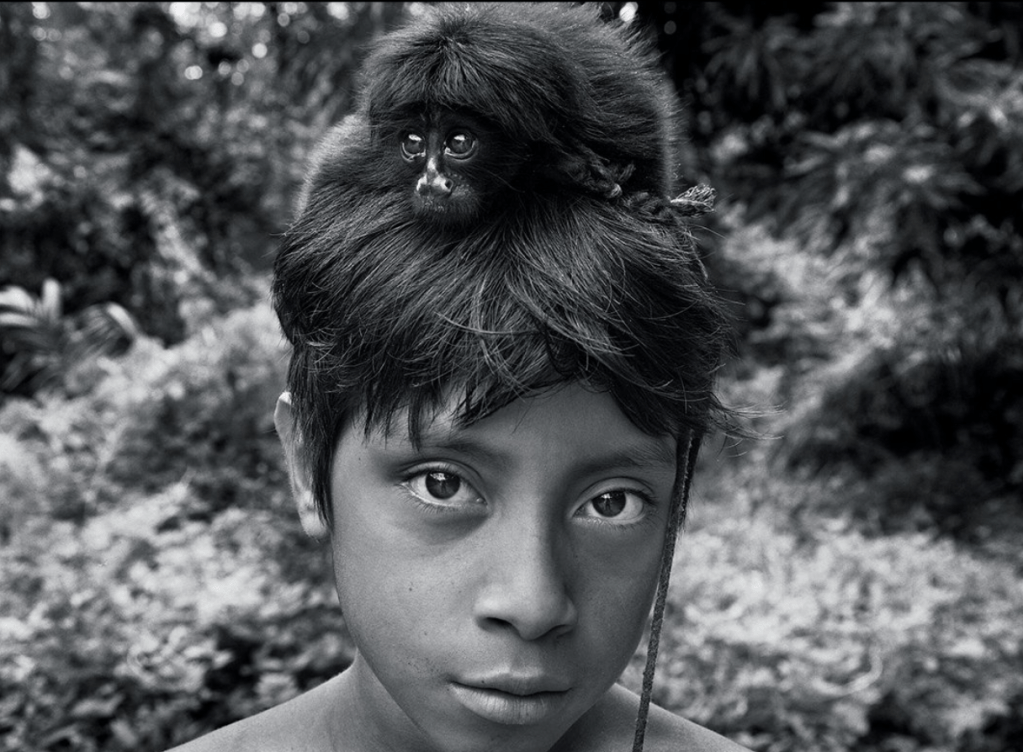
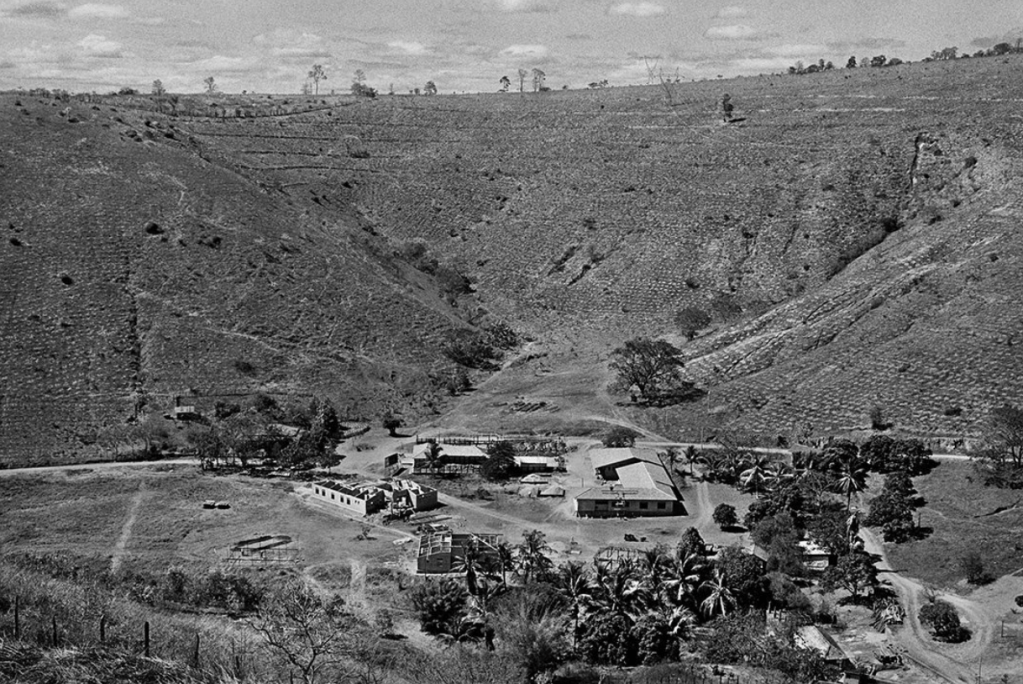
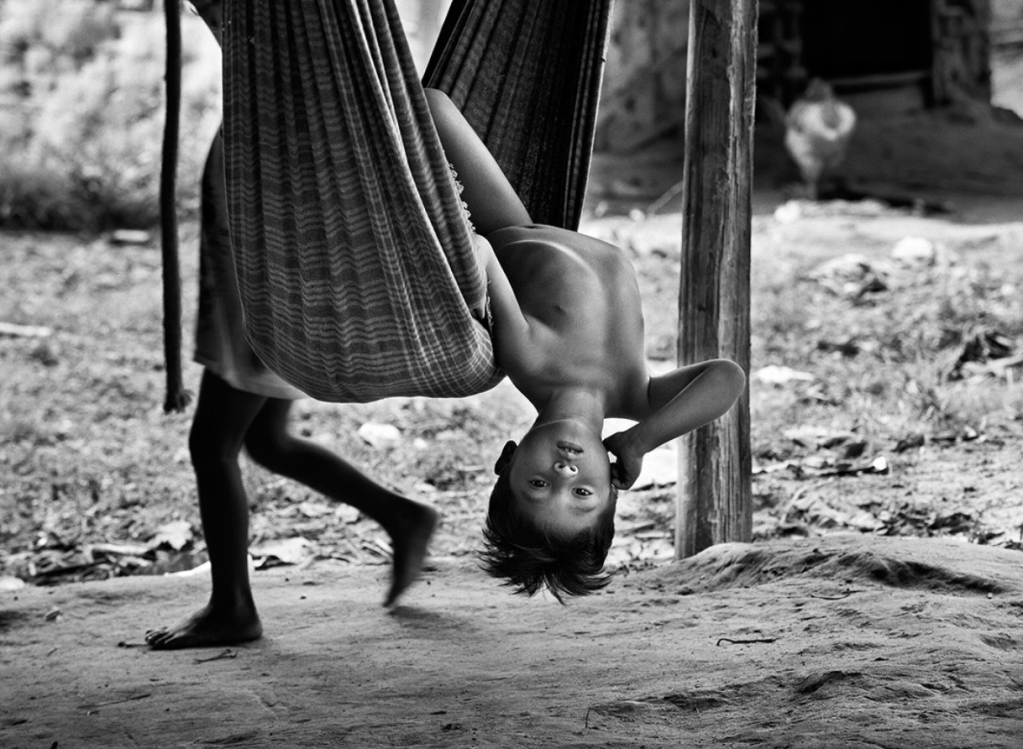
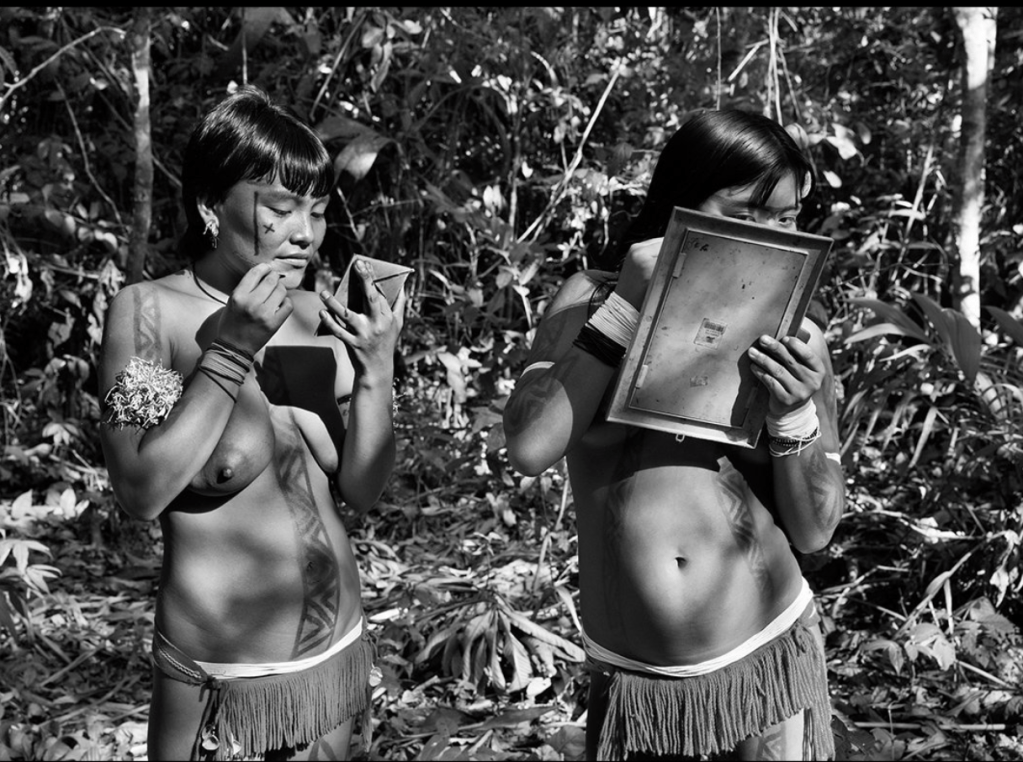
Salgado’s style is high contrast black and white photography, documenting those in desperate economic cirumstances. His images feature portraits of individuals and their lifestyles. He persists on documenting his subjects in series rather than singluar photographs. His images communicate a subtle understanding of their social and econimic situations without soliciting pity like many other photographs of Third World countries do.

I was particularly drawn to his images because of the rawness and purity. Salgado’s images carefully communicate the circumstances of these individuals through candid photographs. I personally enjoy black and white photography, and I was so intrigued when I was viewing his work. The images are so strong and impactful, I was able to grasp their lifestyles without feeling sorrow.

https://www.icp.org/browse/archive/constituents/sebastião-salgado?all/all/all/all/0

https://www.smithsonianmag.com/arts-culture/sebastiao-salgado-forest-trees-180956620/

Anya Broido

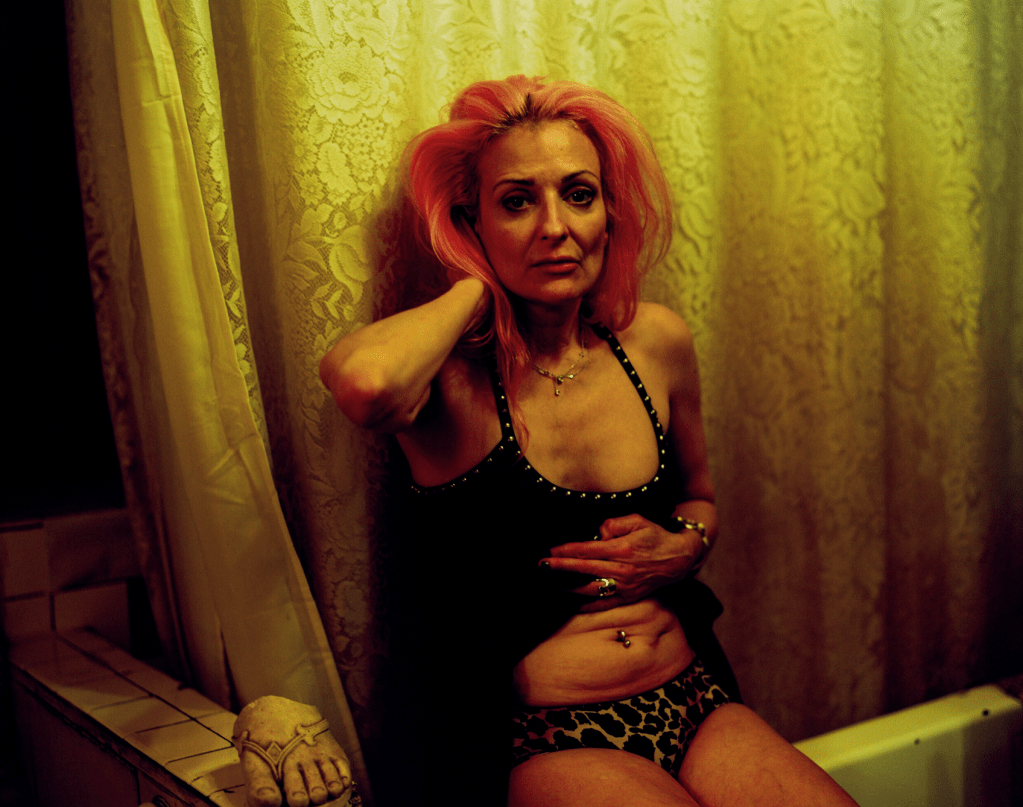
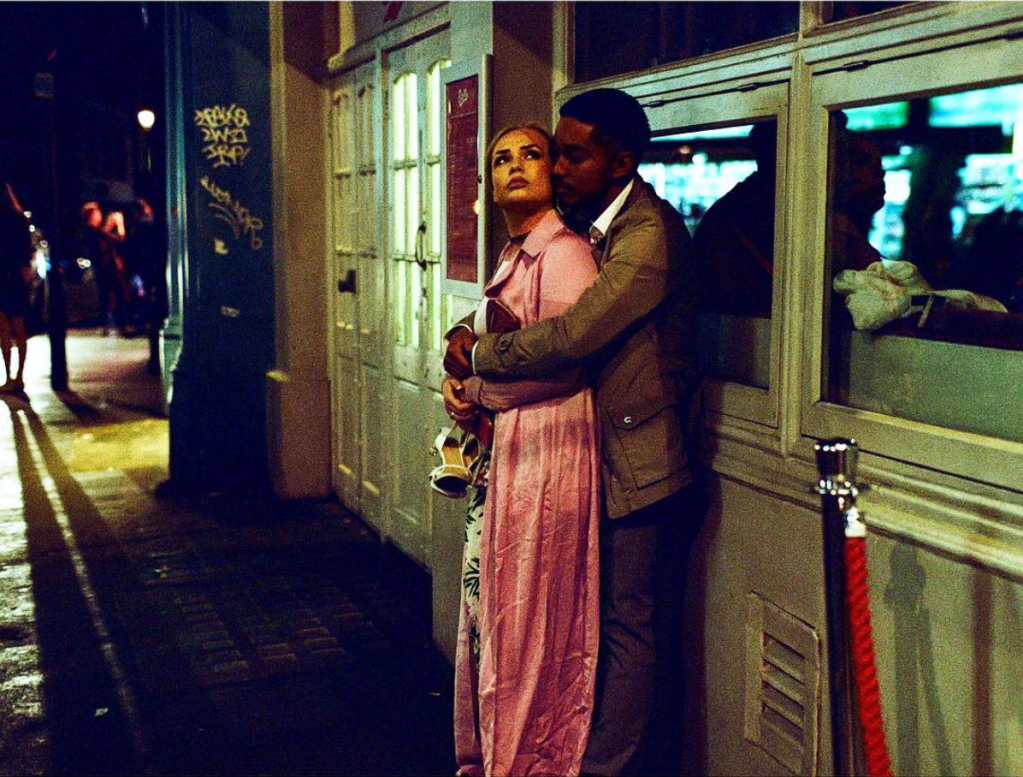
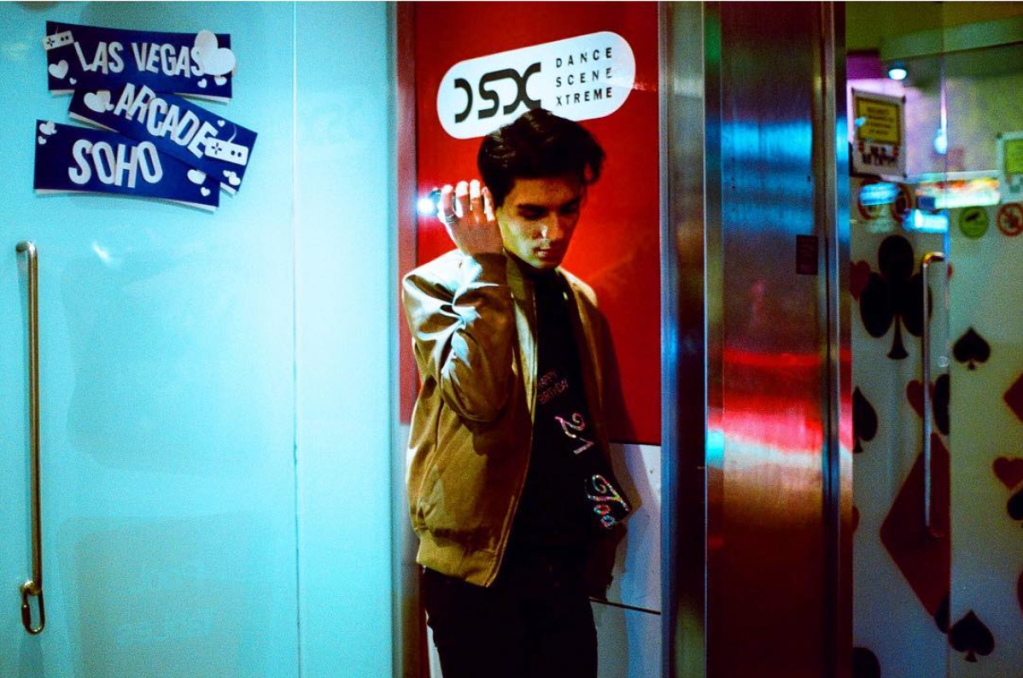
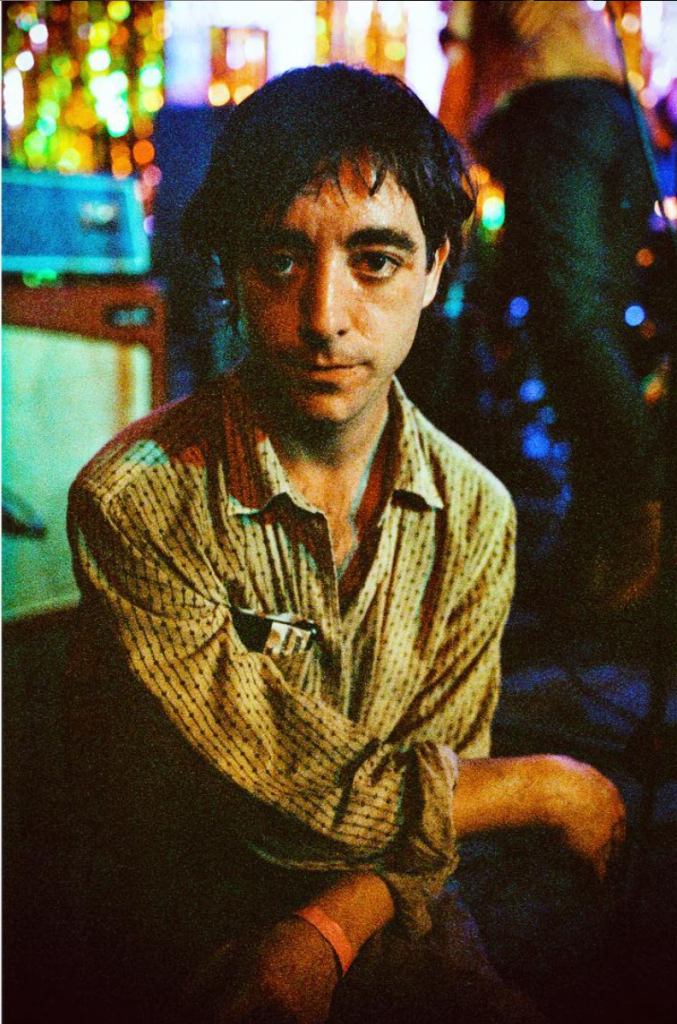
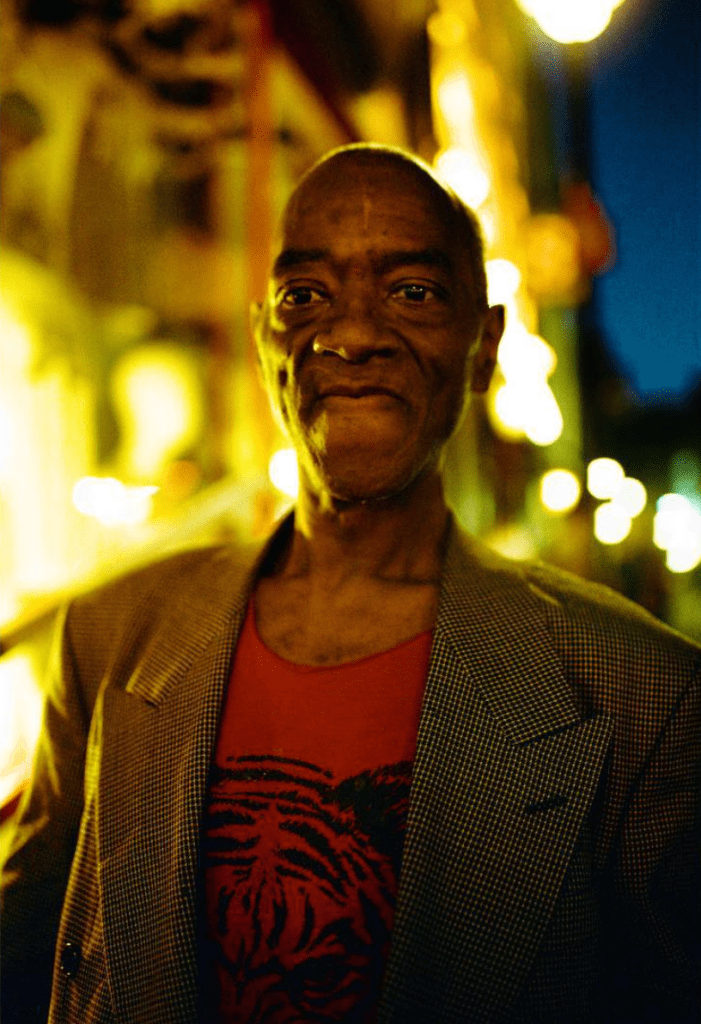
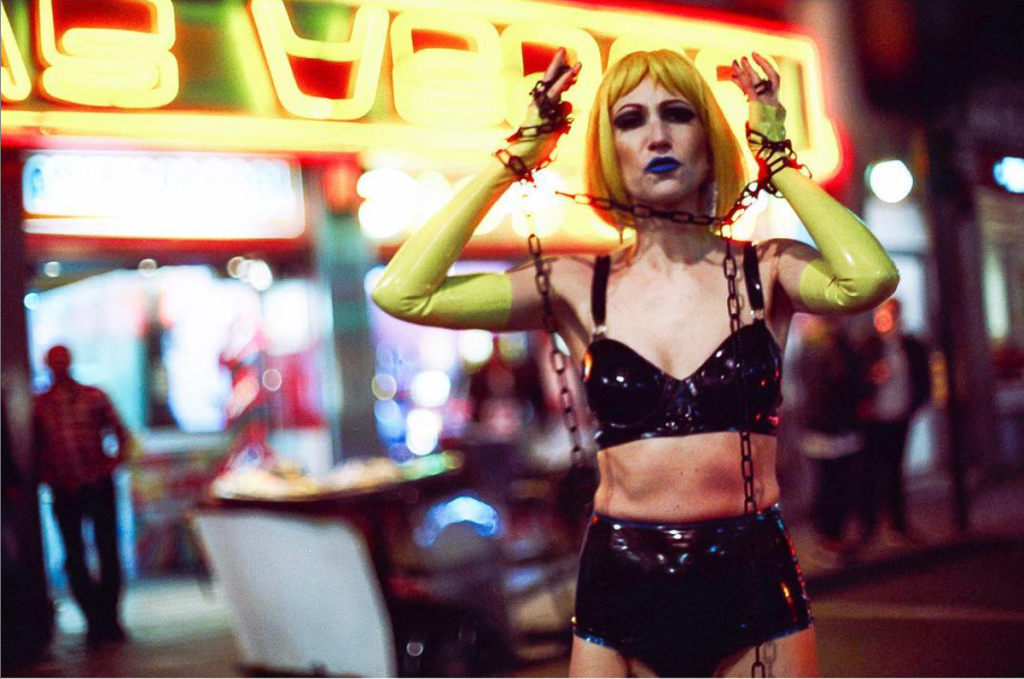
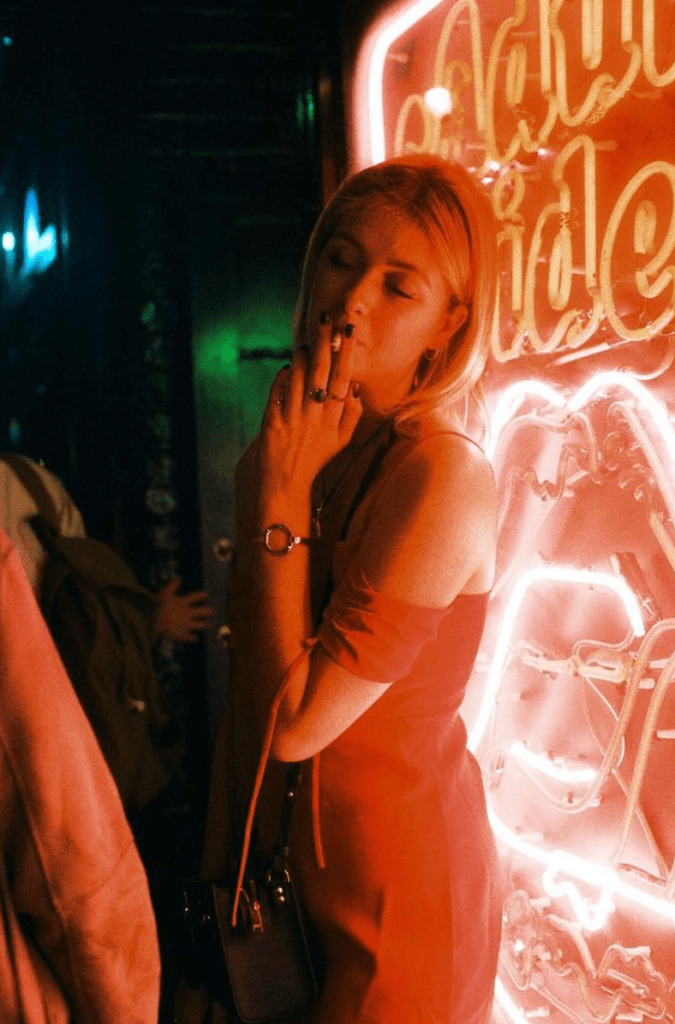
Anya is a portrait and documentary photographer who specializes in street photography. She has worked in the field for several years, gaining experience in both subjects. Her work has been featured in several places including, ‘British Journal of Photography’s’ nationwide exhibition ‘Portraits of Britain’.

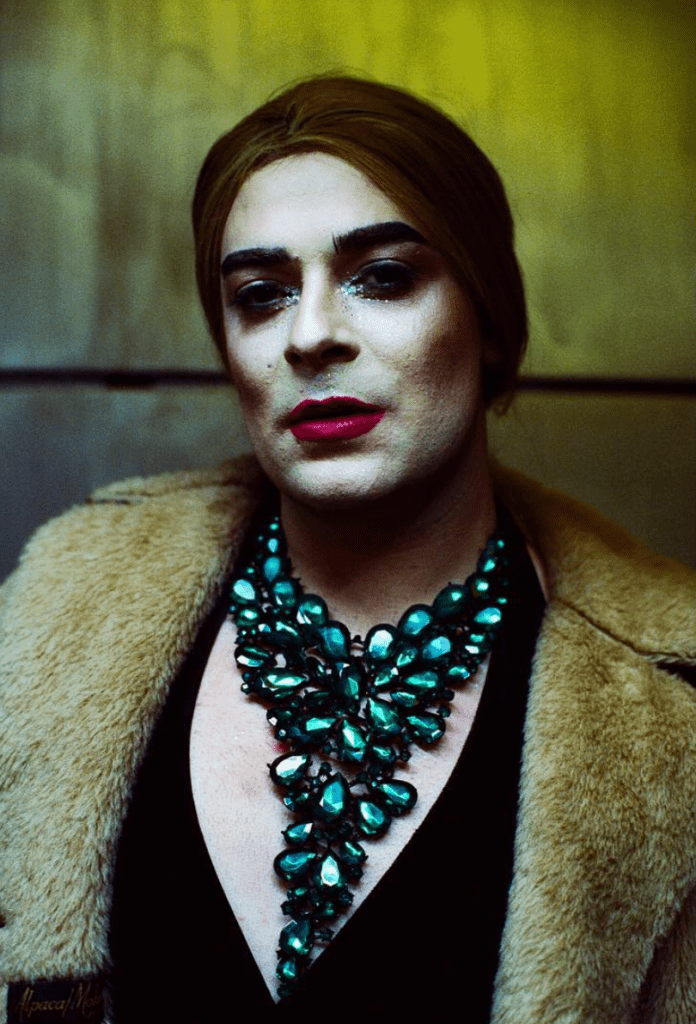
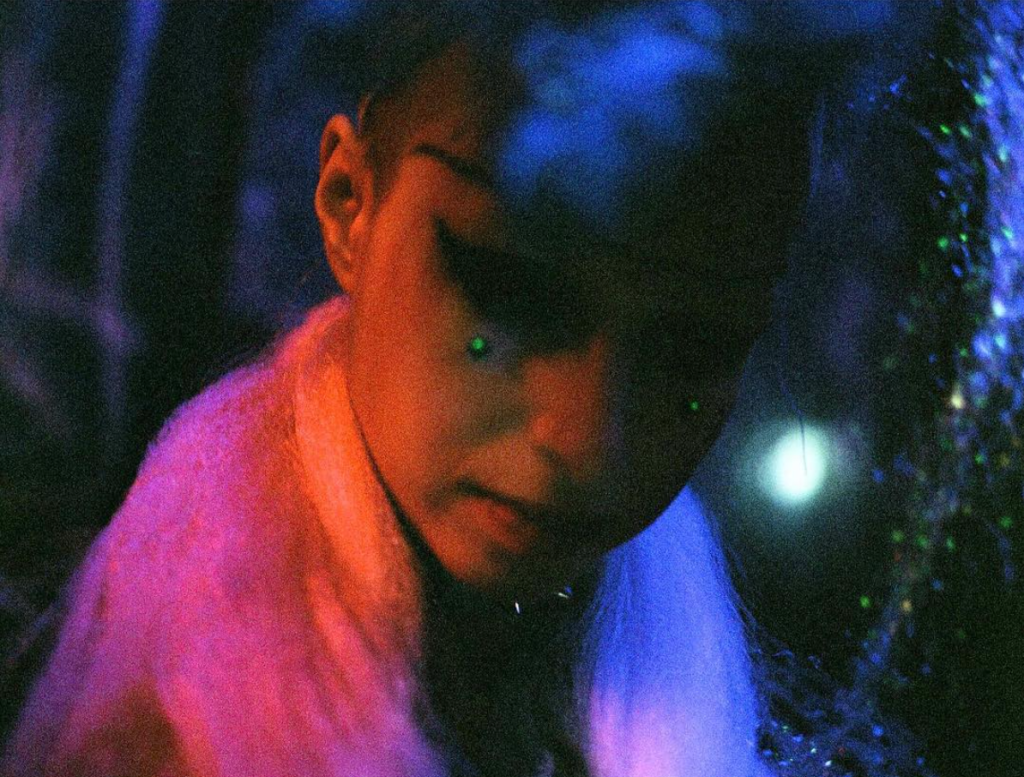
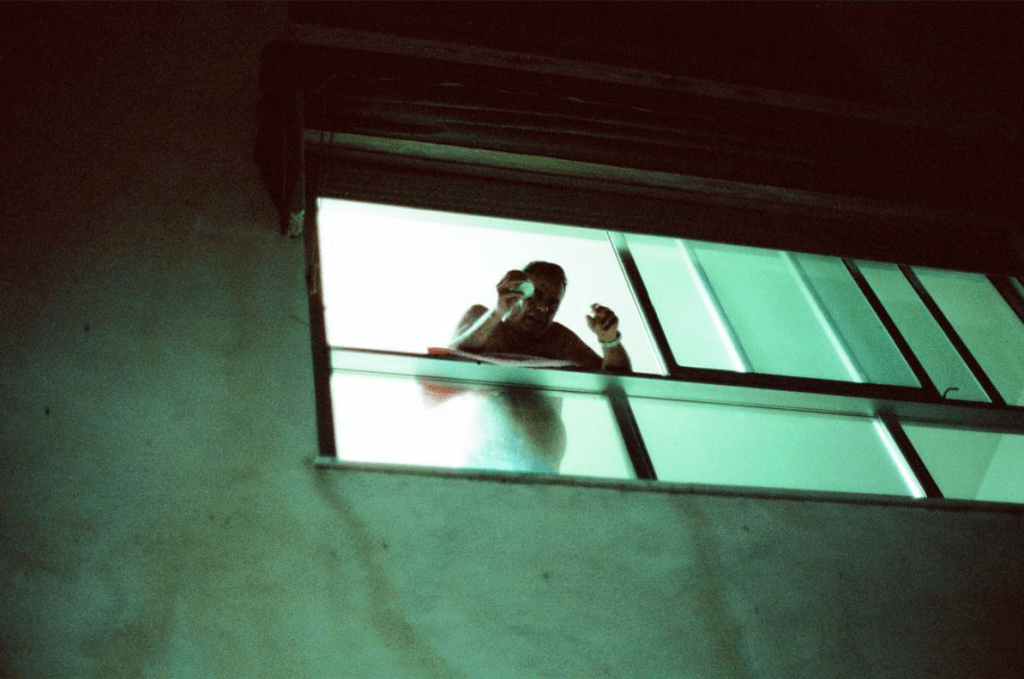
She studied sculpture at Central Saint Martins and photography at London College of Communication. Her work is focused on the urband condition and capturing street portraits at night. Her images are very vivid in color with high contrast creating a harsh effect.

I find her work to be very inspiring as she combines street life documentary with portraiture. Many of her photos are highlighted with neon lighting creating strong contrasts with tints of color. I think her style of photography is a great reflection of what street life can be like. Her sharp contrast and highly saturated images emphasize the grittiness and reality of the subjects’ lives.

https://www.lensculture.com/anya-broido

https://www.instagram.com/anya.broido/

http://www.anyabroido.com

Luke Adams – Final Project

Luke Adams

PHOTO201 – Final Project

An Interpretation of Allen Daniel

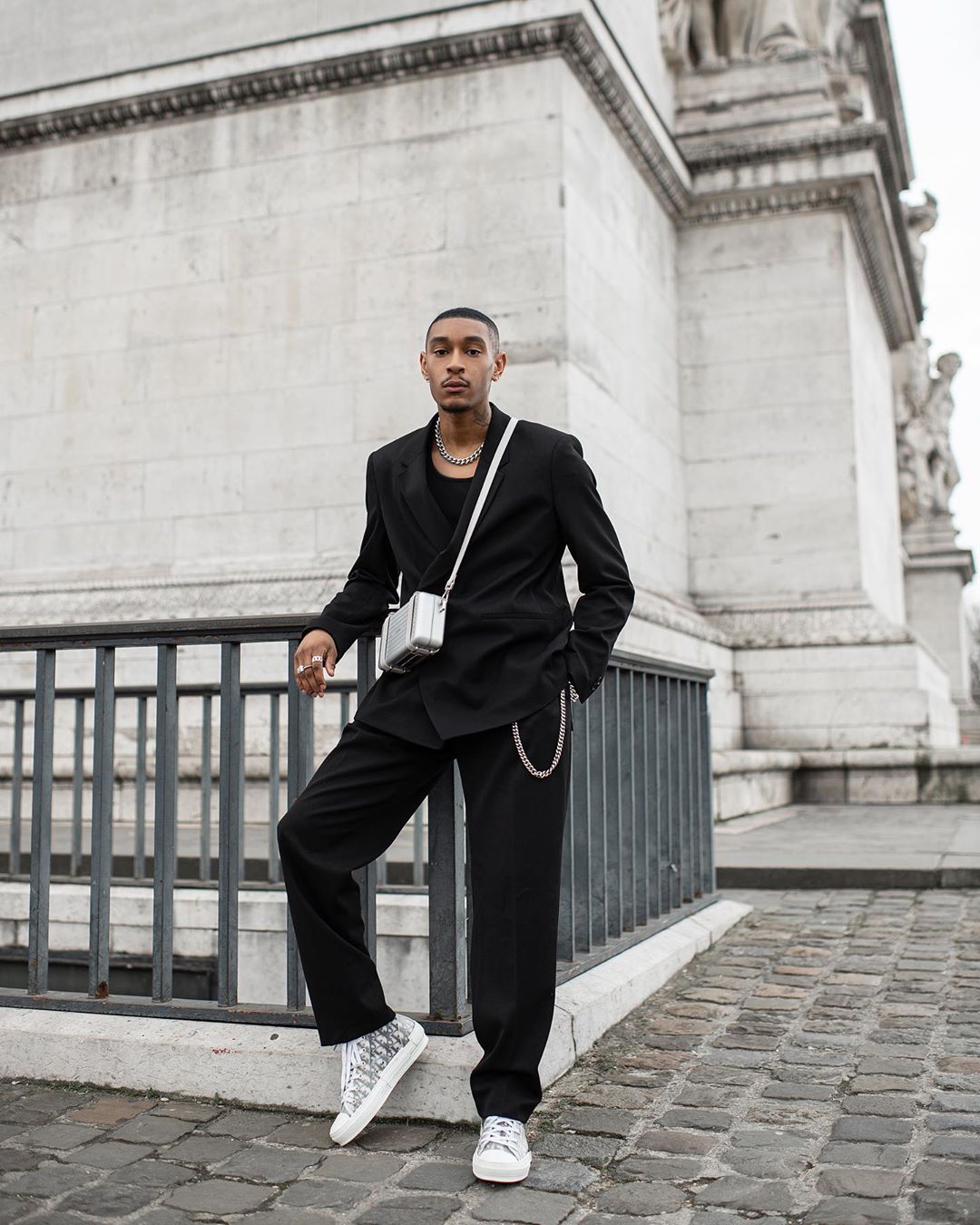
Allen Daniel, a Los Angeles based photographer, storyteller, content creator, social media influencer, etc. has constantly pushed me to make better street styled portraits. I have always had a great sense of inspiration from Allen Daniel, especially his work with model and influencer Darion Famous, but have never been able to pull apart his photos so intricately to create my own interpretations of his stylistic choices. 

Within my own stylistic approach to portrait photography, I have always tried to find a sense of balance amongst the relationship between the background and subject, and how they play roles into each other’s presence within the frame. I feel like there are two approaches to creating an aesthetic (at least in my mind); one being scouting the location in which you’re planning to use and modeling an outfit and vibe around that location, the other is quite opposite by finding the location based on the outfit already chosen for the shoot. These two approaches are crucial to my portraits as the colors and tones that are chosen within the subject are completely based off of the background, or vice versa as well. 

This creative process seems to relate to Allen Daniel, as each background seems perfectly chosen for the subject matter and clothing choices, creating a striking array of colors (and sometimes the lack of) to make an in particular vibe that can be seen across his work. In some projects he uses a very monochromatic color palette with one striking pattern to differentiate the background from subject, but still tying each individual part into the final product. In other projects he uses a color instead of a pattern to have a similar, if not the same effect on the final product. 

Across Daniel’s different social media platforms he obviously has another style that focuses mainly on architecture and city landscape. He has taken many exhibitions to different cities across the world to document these places within his unique style. I think that this being part of his roots within photography translates into his portraiture immensely, as you can see the attention to detail he includes both within the subject and architecture within the background. 

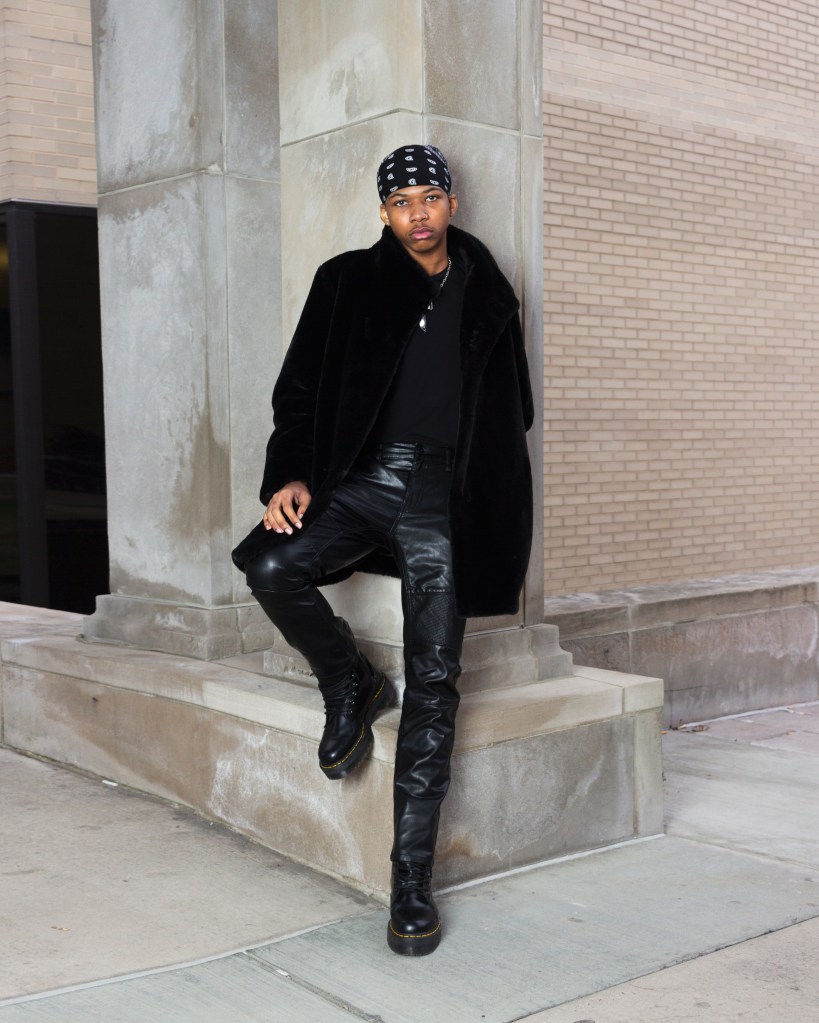
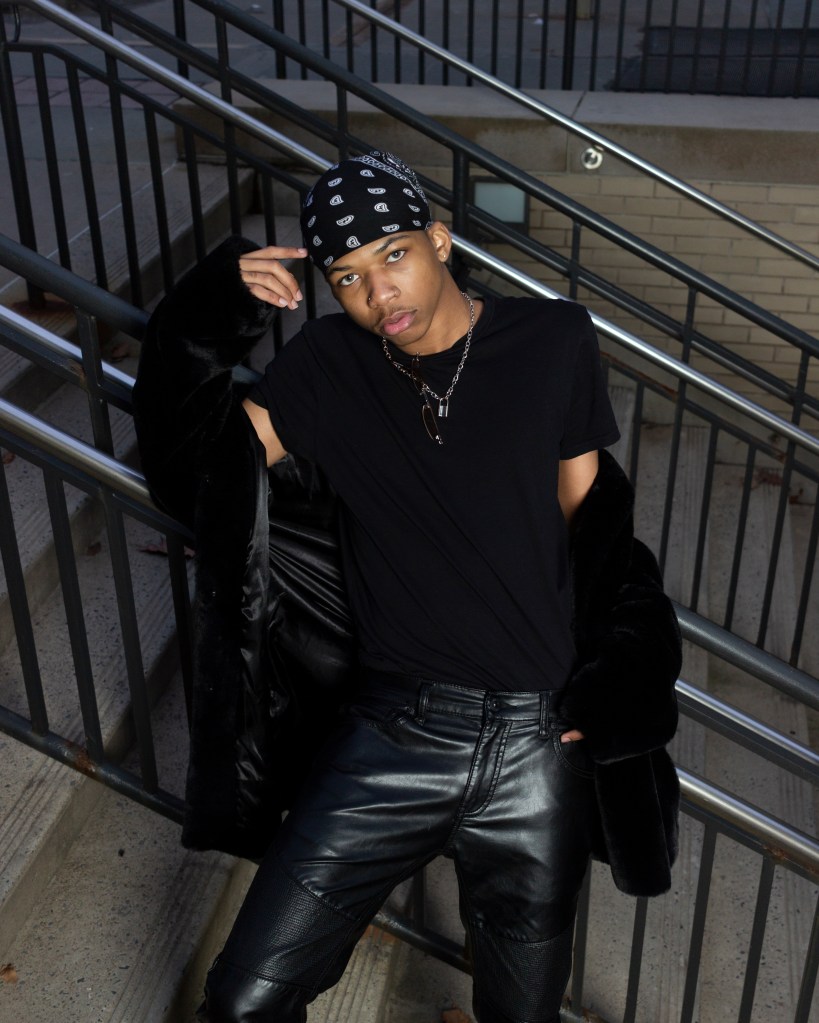
In response to Allen Daniel’s distinct style of work, I wanted to create a project with two different models to encapsulate his work within both male and female portraits. Within this interpretation I wanted to stay aware of two main variables of Daniel’s work, and a third variable being to continue practicing safe social distancing while taking the portraits. The two variables that I wanted to stay aware of and incorporate into the portraits I was going to create were the attention to detail both within the background and the subject, and the overall composition used to create the ending feeling of the images. 

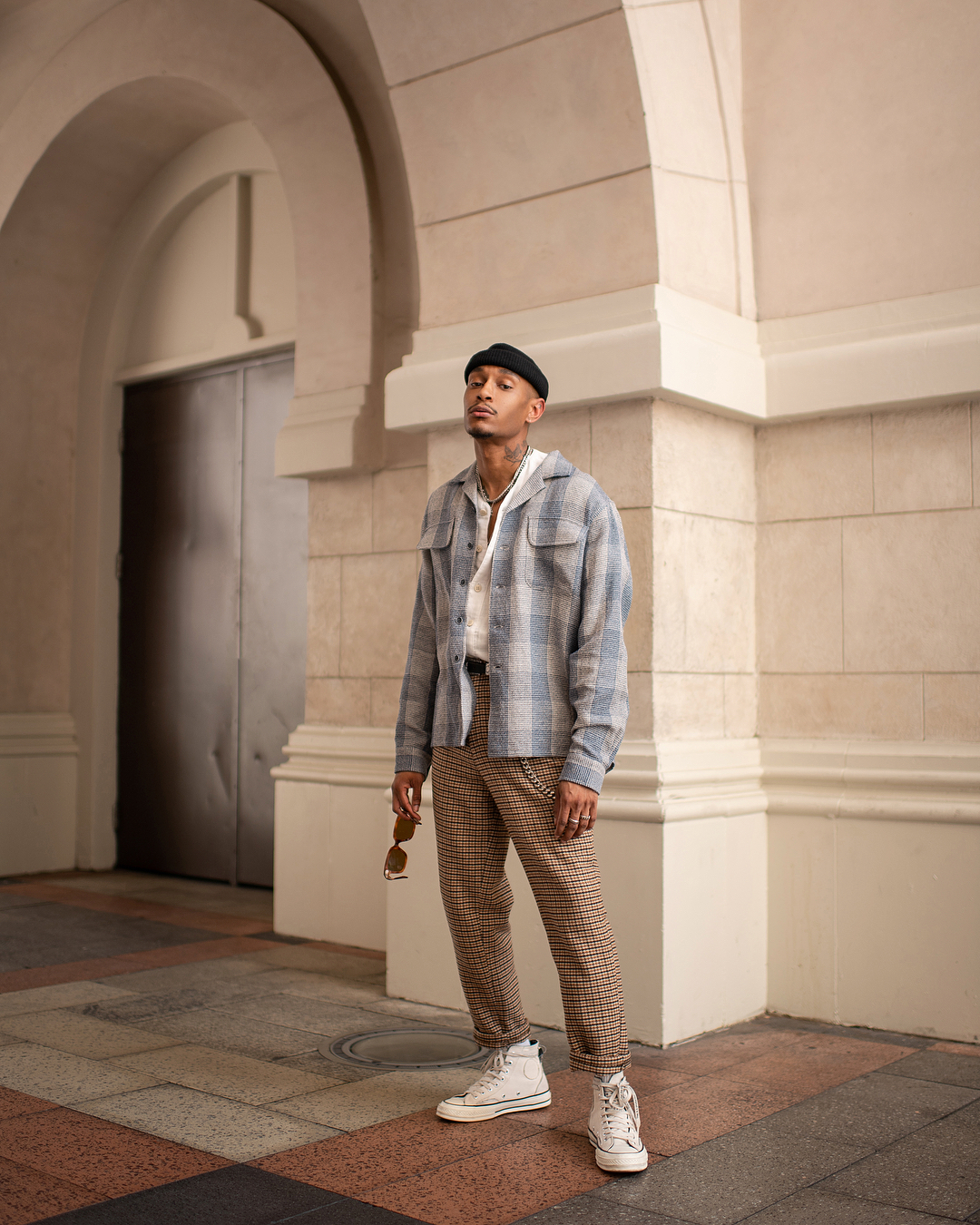
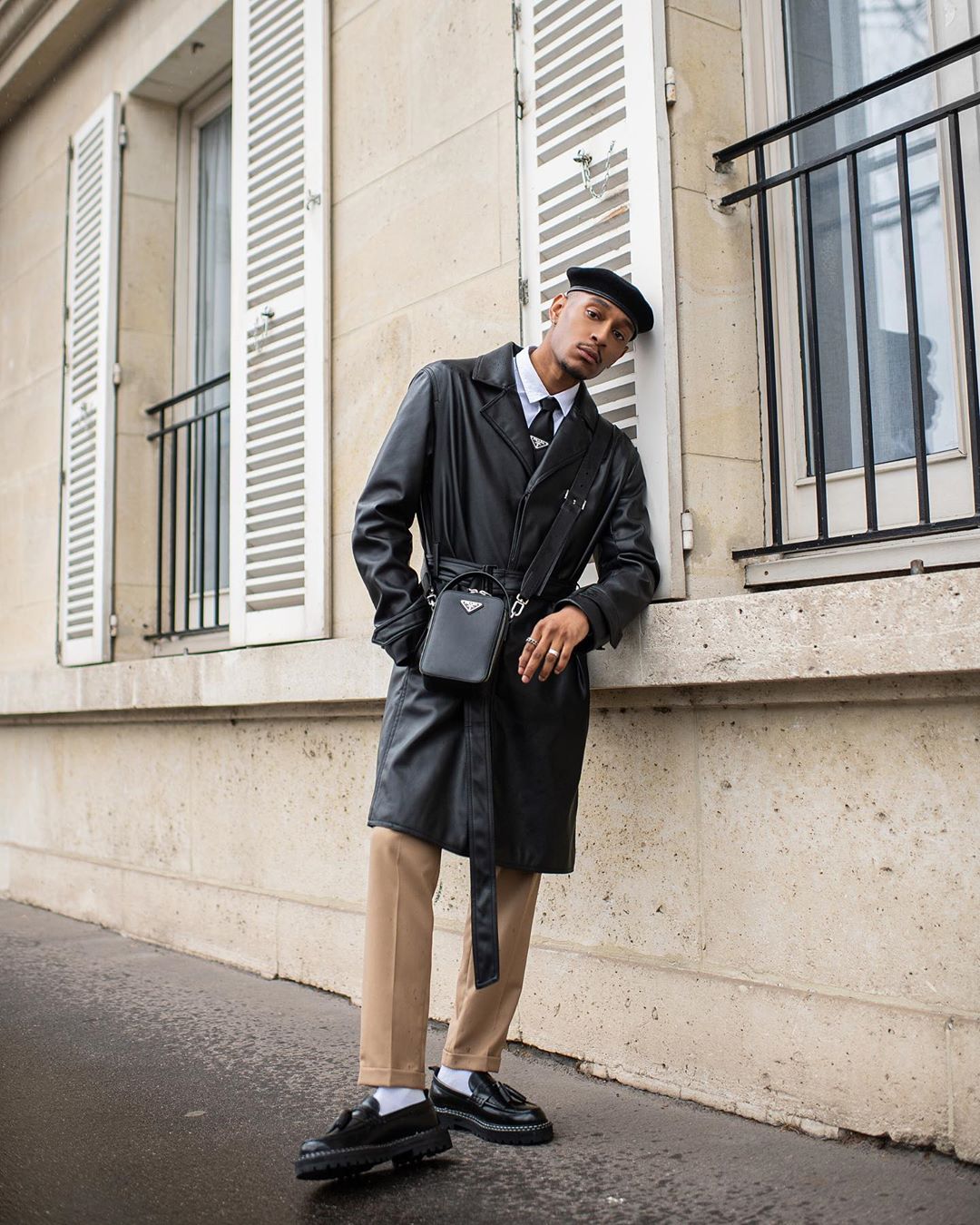
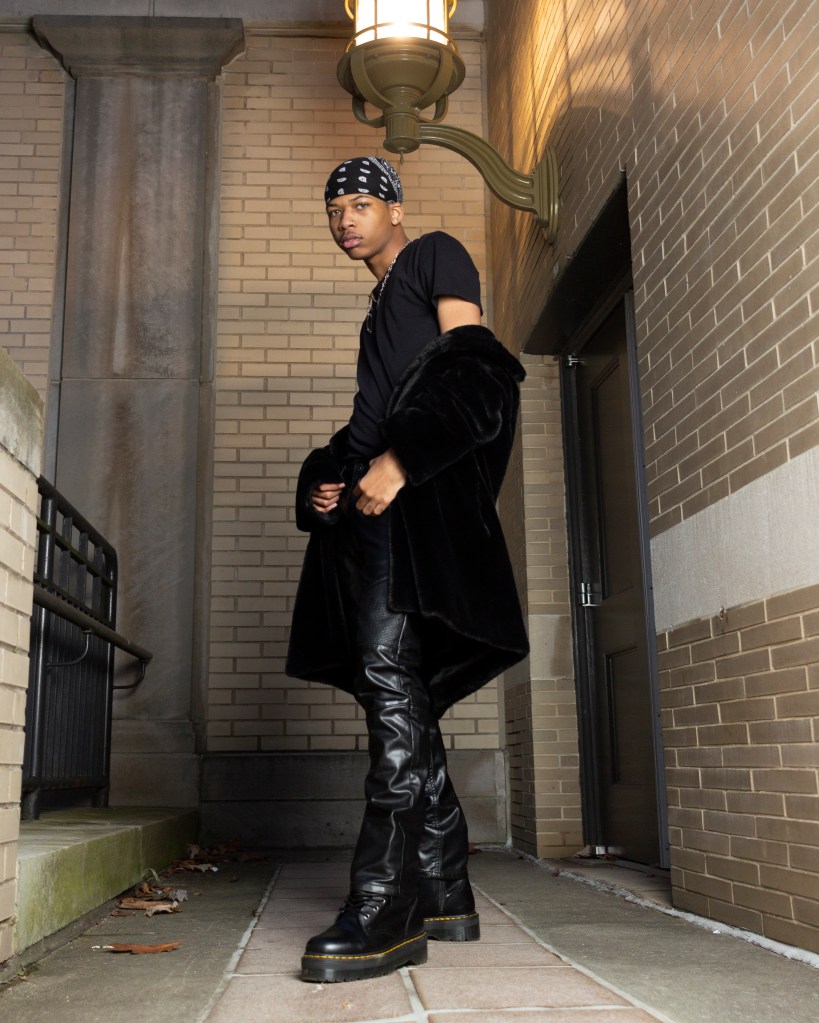
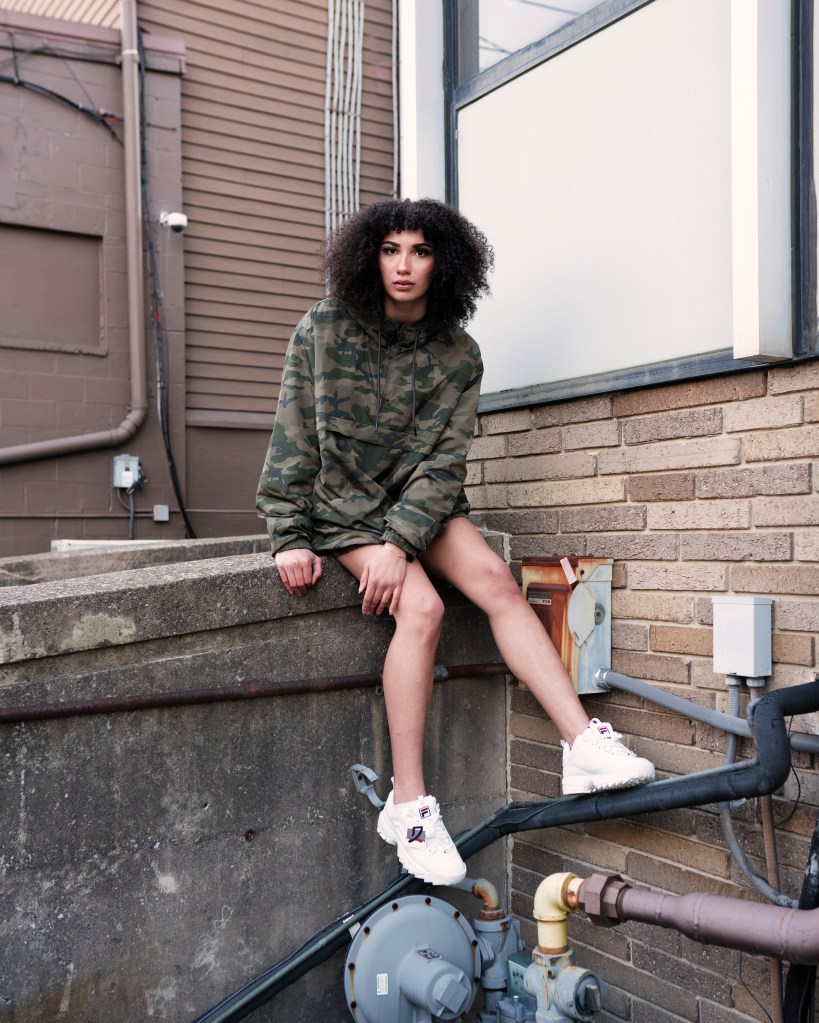
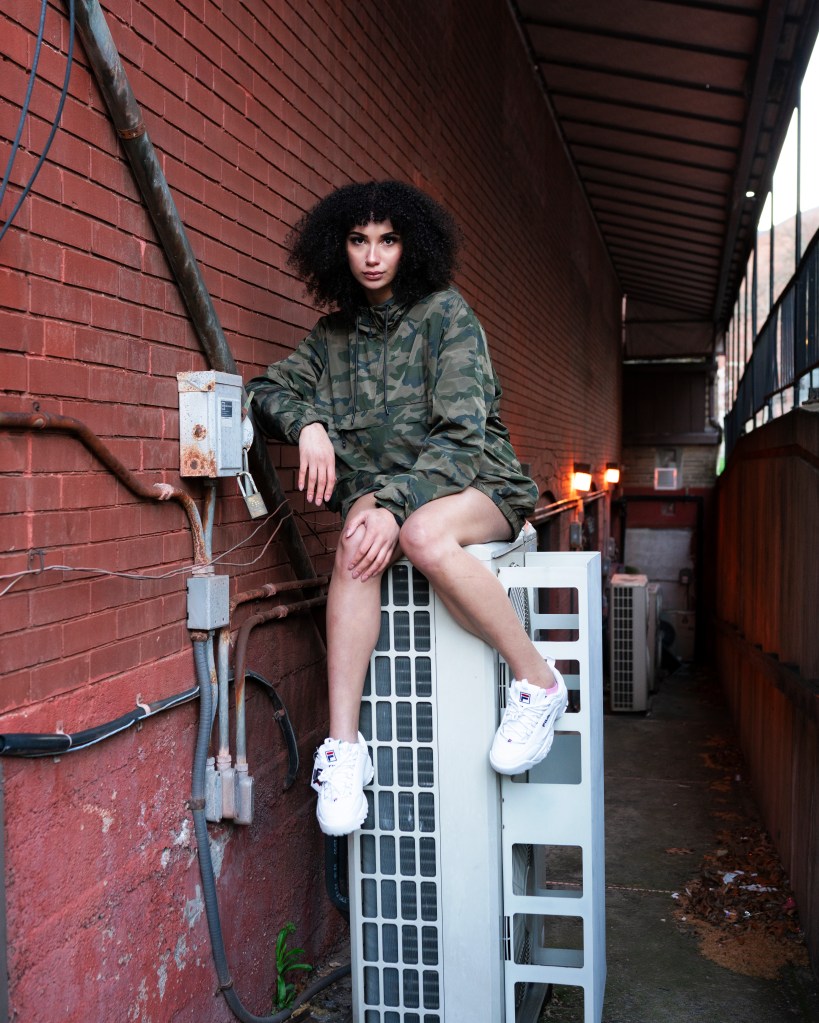
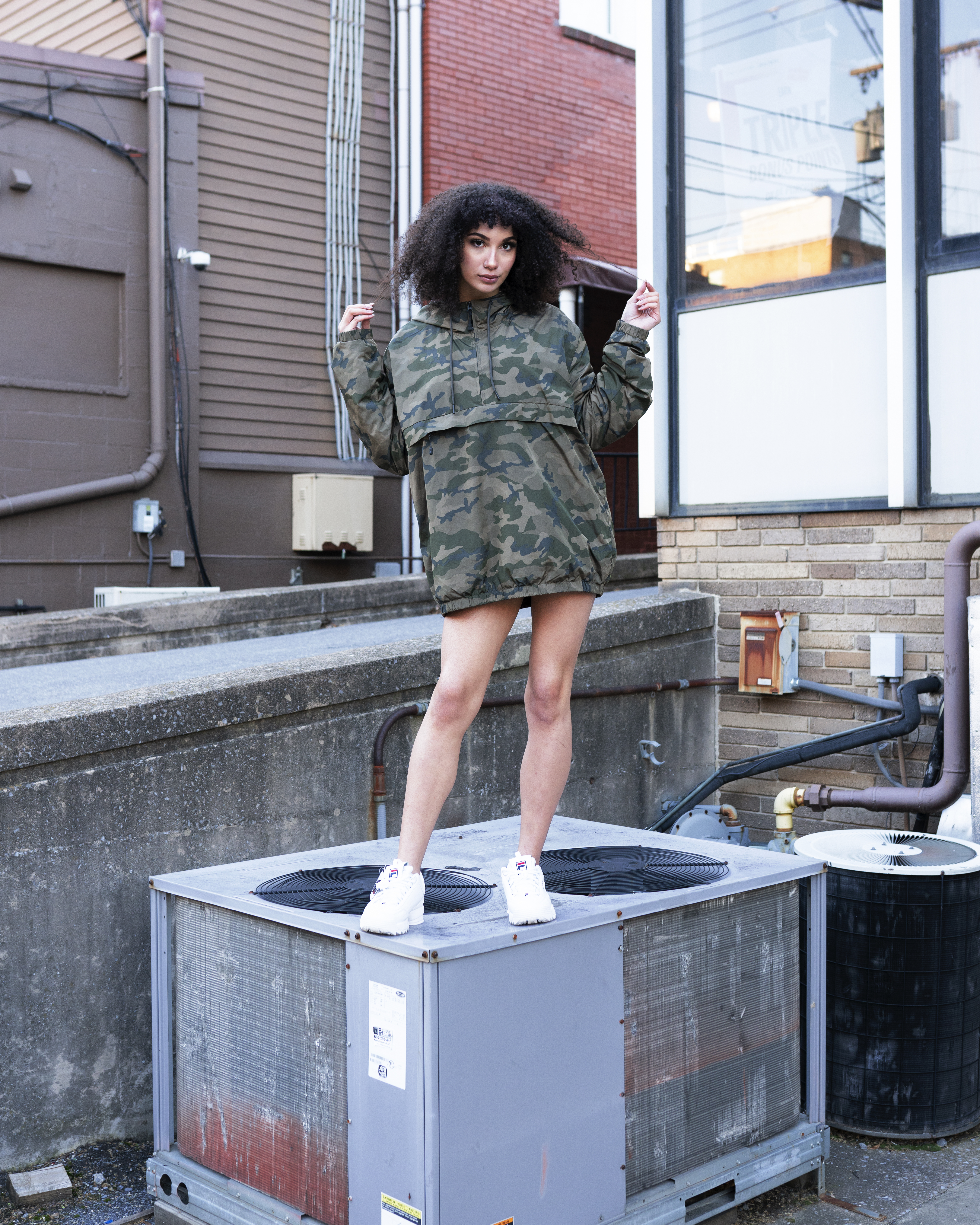
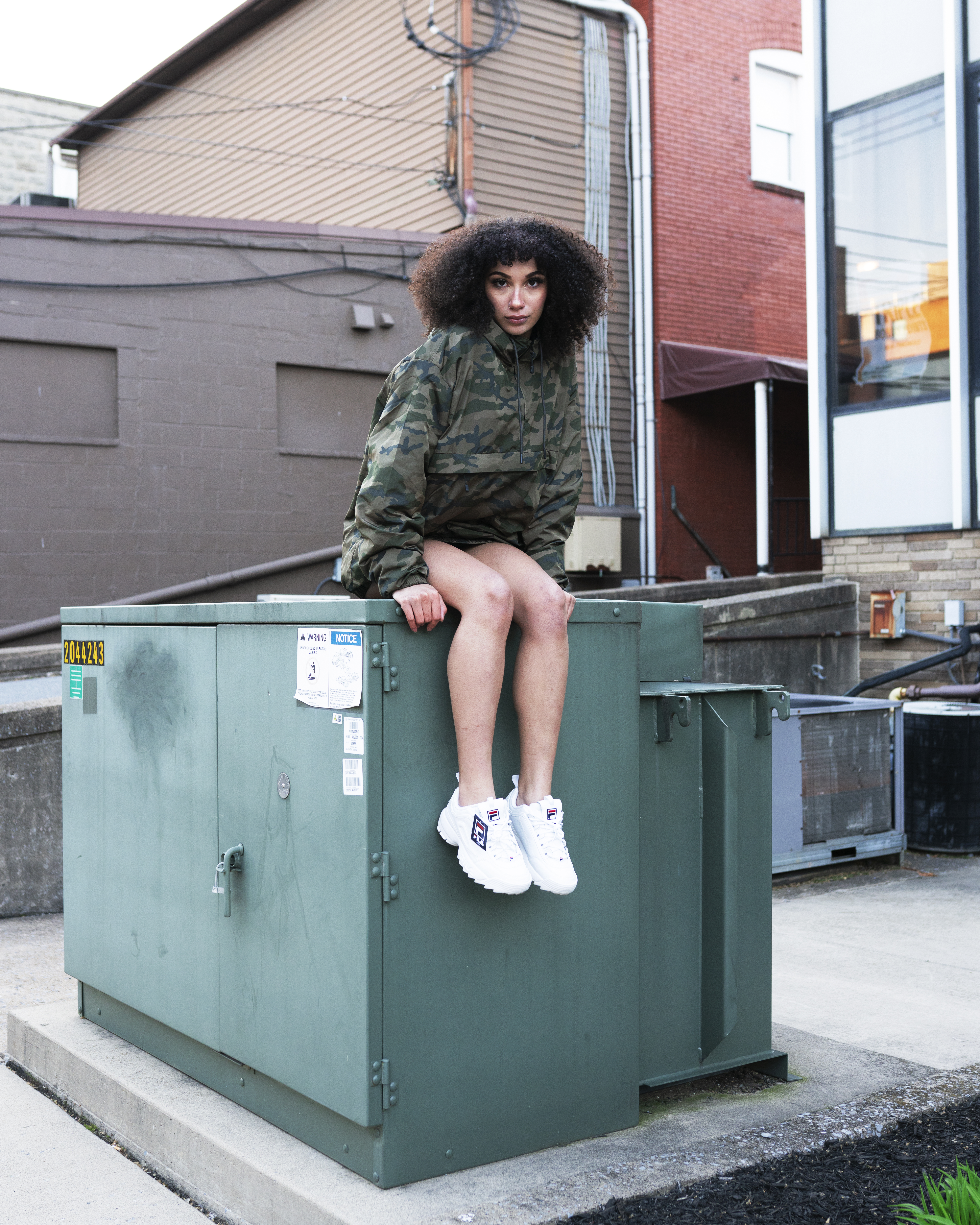
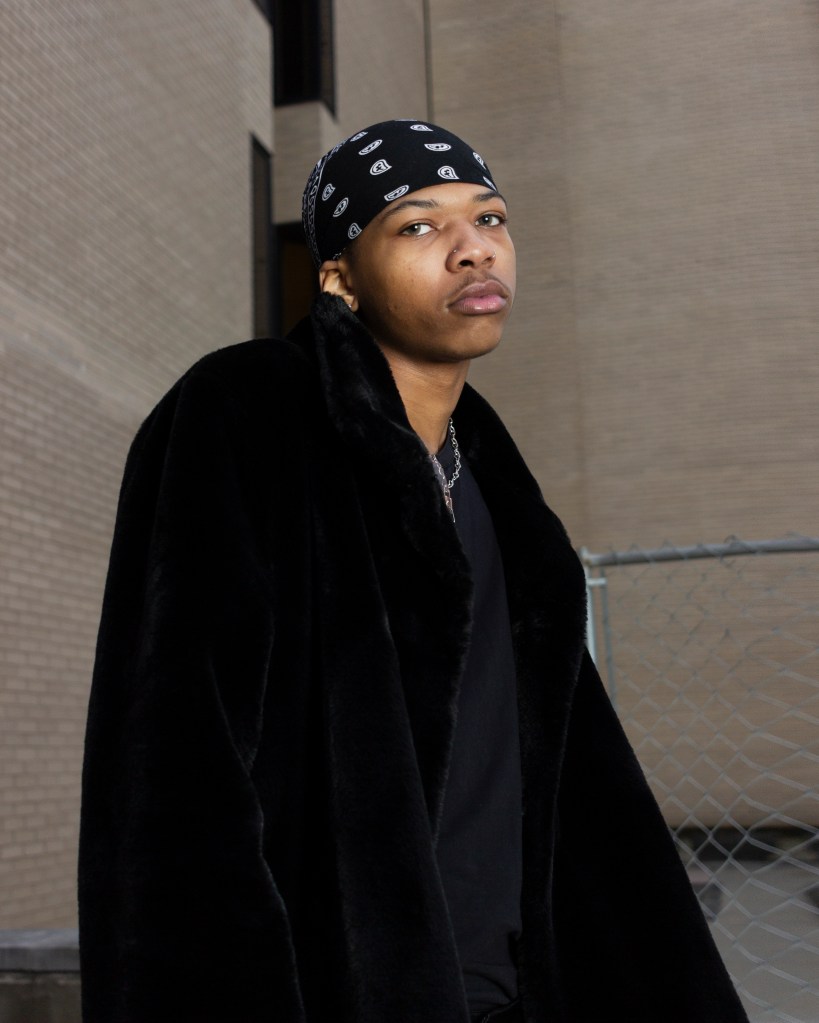
When creating the images of my friend and model, Jayden, I paid close attention when selecting outfit and location, choosing an architecturally pleasing location with arches, columns, bricks, and railings, with a color palette of beiges, browns, yellows, greys, and blacks. Within the outfit I chose mainly black items to accentuate the detail of the black railings, but chose a patterned bandana to give contrast to the smooth black materials, closely related to Daniel’s creative choices. The other part of the project was a photoshoot with my friend and model, Renae, and within this part of the project I focused on the outfit as a whole having great contrast to the background. The background of these images are very similar to Allen Daniel’s choices as it looks to be the backside of a building, with a kind of run down grungy approach. 

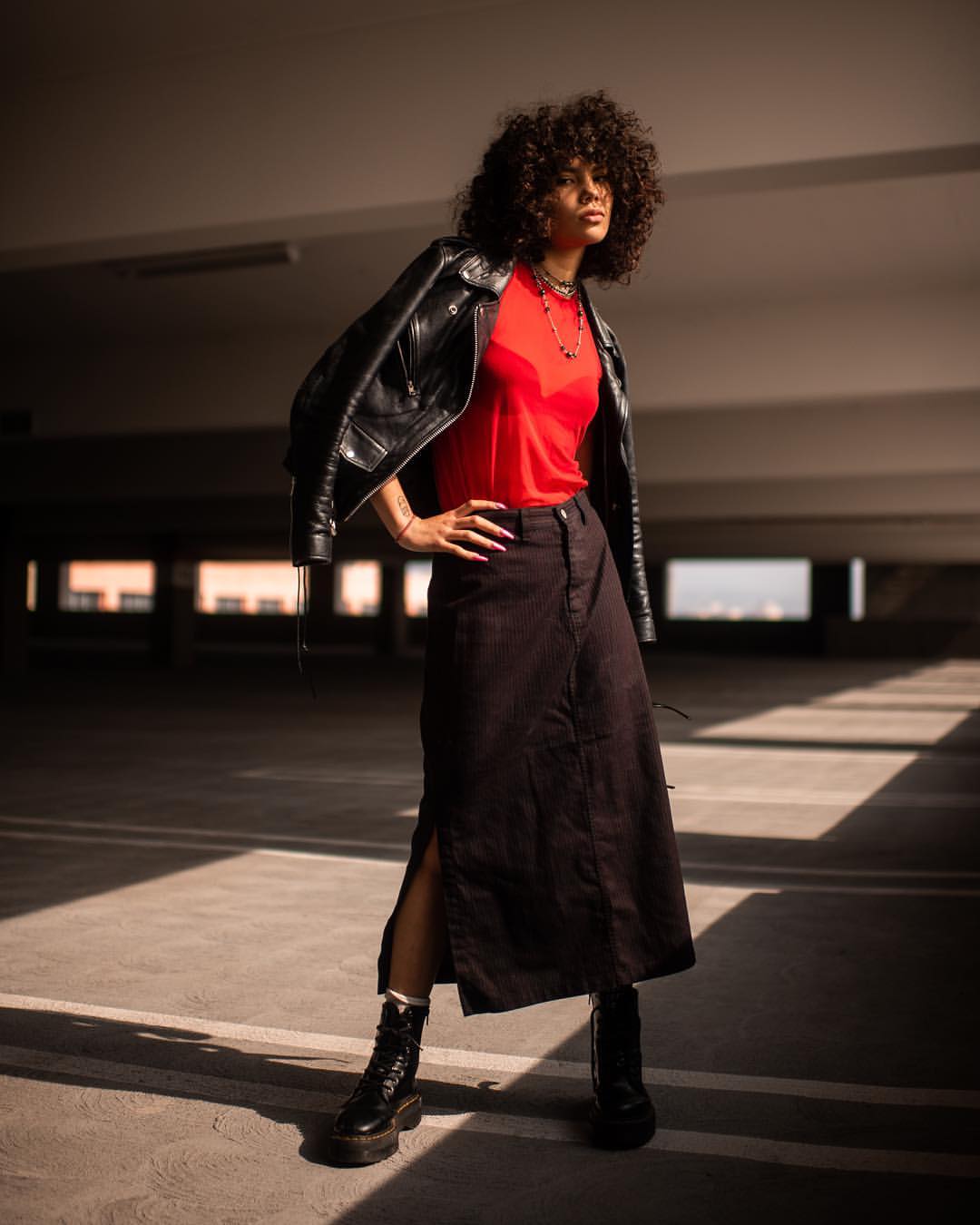
I chose a camouflage patterned jacket which some would jokingly say would blend into the background, but the brown and red tones of the background allowed the pattern of the jacket to have contrast to the rest. I focused more so than the other shoot in this, on the full body approach to the images, keeping the lines of the background almost perfectly straight and parallel. I tried to keep the overall tonality of the images across both shoots light in relation to the background, to make the images relate to the tonality of Daniel’s images. 

Final Project – Patrick Adair

For this assignment, I chose to cover war photography up to the Vietnam War in Depth. Attached to this blog is the word document that I wrote up. Most of this information will be on the slides so there isn’t really much reason to read this unless you want something a little more in depth.

Patrick Adair

Photo 201

Professor Rubin

April 27, 2020

Photographs of War:

Evolution over the years up to Vietnam.

War photography has been historically one of the most pervasive types or genres of photography. From the Crimean war all the way to the Vietnam War, war photography is a medium that persists to this day and has lasted for two centuries. The definition of war photography is summarized as the taking of photographs in war or conflict scenarios. Photography in war scenarios were important when they were first introduced because it gave a less glorified perspective on the wars that were documented via photograph War photography was especially prominent during world war I and II and has been evolving since, but came into prominence during the Mexican-American War. Many photographers who cover war, war torn areas and those who were affected by the war that has been ravaging their land tend to paint the picture not in a glorious way, but in a war that allows the us, a viewer to get a clear vision on the horrors of war that would not have been shown under any circumstances. Compared to television, there is much more that we can get away with in photography. For example, War photography during the Vietnam War, along with television, gave people a much clearer visual representation of the previous wars. It is interesting to see how war photography has managed to develop as a subset of photography of the years. In this paper, I intend to delve into the history of war photography as a genre, why it came into fruition to begin with, how it changed people’s perceptions of contemporary history throughout the years.

            When it comes to warfare, so much unpleasant subject is depicted through photographs, such as death, mass graves, explosions, dead or dying soldiers/civilians. There is a lot to process and take in when we see these photographs. The aftermaths of these scenes are not pretty either with soldiers carrying their dead, destroyed landscapes. We, the viewers are visually accustomed to coverage that has brought familiarity with the horrific realities of war. War photography has evolved gradually over the decades into an art form with the sole purpose of documenting these realities that some people may not want to look at. The earliest examples that I could find are photographs taken during the Mexican-American War, the Crimean War, and the American Civil war. Photographs taken during this time illustrate the harsh realities of these wars and demonstrate and show the gradual changes in photographic techniques and coverage that would gradually evolve as decades passed. According to ArtStor: The earliest accounts of war photographs were by an unknown photographer who produced 50 daguerreotypes that depicted scenes from the Mexican-American war in Saltillo, Mexico. According to the Library of Congress: “a daguerreotype photograph is a direct-positive process that creates a highly detailed image on a sheet of copper plated with a thin coat of silver without the use of a negative.” The exposure times for the earliest daguerreotypes ranged from three to fifteen minutes, making the process impractical for portraiture. The daguerreotypes taken during the Mexican-American war depict the daily life and covered a variety of subjects ranging from portraits of generals and infantrymen, but no scenes of active battles nor any wounded or dead bodies. But, these photographs did not have the idealization and glory associated with war. When the Crimean war began in 1853, the usefulness of photography as a way to document historical events in a factual way was acknowledged. During the war, the British government wanted document the Crimean war for propaganda purposes. The British government intended to document the war to unite the public behind their war efforts which were becoming progressively unpopular. Four official photographers were sent to different points in the conflict with losses. Some of the photos not even making it to public distribution. The success rate of documenting the Crimean war was really low until a man named William Agnew hired Roger Fenton to document the war. Roger Fenton created 360 negatives of war-torn areas, group portraits of British, French and Turkish soldiers and generals mounted on horseback. There is an absence of death and suffering that is usually accompanied in these types of images. The most famous work from Roger Fenton, the valley of the shadow of death shows an indirect portrayal of the horrors of war in contrast to modern war photography which tends to capture the gruesomeness of the war Despite this, the photographs did not sell, possibly due to negative reactions towards the photographs by the viewing public, allegedly. War photography would further evolve during the American Civil War.

            During the American Civil War, photography covering war would further evolve and become one of the most widely photographed wars until World War I. The Civil War was the first attempt to document a war on a larger scale (Artstor). Photographers such as Matthew Brady were key figures and among the most known of Photographers during the Civil War period. According to an article on Battlefields.org, Author Unknown, Matthew Brady was considered the “father of journalism” and his most well known works were his works of the civil war. His photographs had a strong impact on contemporary society. During the American Civil War, Matthew Brady organized groups of photographers and staff to follow troops deployed as the earliest battlefield photographers. Photographers under his super vision included Timothy H. Sullivan, Alexander Gardner, and James F. Gibson. Brady’s group photographed many images of the Civil War including the Battle of Gettysburg, the Battle of Antietam, and the Fist Battle of Bull Run. As the expected reaction, viewers of his photographs of the horrors of the war in an exhibit called “The Dead of Antietam.” The images were taken by Alexander Gardner and James F. Gibson. However, prints of photographs were more widely distributed compared to photographs taken during the Crimean War and the Mexican-American War. According to Artstor, prints were distributed on a larger scale compared to photographs depicting the Crimean War. Photographs taken during The American Civil War, in contrast to the Mexican-American war, showed images of dead soldiers, and images of active combat zones, albiet taken at a distance. These changes might be attributed to the advances in the technology associated with photography.  Stereographs were also popular during the civil war. Stereographs are essentially a method of panoramic photography. Images were taken from different angles to produce a 3 dimensional effect when viewed through a stereoscopic viewer. However, limitations in technology meant that photographs taken during conflict were still limited in scale until World War I.

            While the American Civil War only placed its feet in the water when it comes to war photographs depicting atrocities, starting with the 20th century, photographs that take directly in place either in the action or near the action. This is partially due to the advancements of weaponry and tactics during World War I in contrast to the American Civil War. Advancements in Photographic technology also played a part in photographers emphasizing the blood and carnage during world war I. According to Sarah Johnson of Remembering World War I, the use of personal cameras started to become more popular during this time period. This lead to soldiers across the many different battlefields using these cameras to record their daily lives. Johnson states that: “A picture is able to recall exactly what the photographer wanted to remember.” What is also interesting during this period that this is the first time that soldiers are creating their own photographs as opposed to just professional photographers. Photographs from the perspective of the soldier are an interesting because it shows the war from an inside perspective. Soldiers took photos of their experiences of the war to retain memories of their experiences there despite disapproval from their superiors to the point there was an official ban placed on troop-made photography in 1915. Photography acceptance into newspapers was still a mixed bag and the British Government and press companies were reluctant at first, preferring to retain the contemporary literary tradition. According to Caitlin Patrick of UCD Clinton Institute for American Studies, new publications such as The War Illustrated were created to provide a visual representation of the conflict. Also the British government created a propaganda office in 1914 to regulate the distribution of photographs taken during the war. Caitlin Patrick states that the army and the governments started to invite a “limited number of professional to be a part of a special elite, official reporters, and then to exclude all others as far as possible from the most important areas.” March 1916 was when the first official war photographer was commissioned however. Ernest Brooks, who worked for the Daily Mirror was selected with the responsibility of covering the British soldiers in active duty. Afterwards, dozens of photographers were sent over to shoot on the Western Front. Other allied groups also ensured that their own troops were  documented as well (Patrick.) This is the first documented instance of military censorship of war coverage and played a key factor in the way that photographs during subsequent wars were covered. Photos taken during world war I tended to be much more bleak compared to photographs taken during previous wars while also at the same time were heavily regulated and used for military propaganda. World War II is when photography became more widely utilized. World War II photographs and photos taken during World War II and warzones emerged from a variety of different sources and were published in many different areas. World War II was a conflict of a larger scale compared to the previous wars, meaning that there There are also a lot of photographs during World War II that were used for propaganda purposes. Dictators such as Adolf Hitler and Josef Stalin used photographs as propaganda against enemies or to effectively unperson political enemies or allies that they didn’t like. A famous example is the photograph of Adolf Hitler, among a group of people. Joseph Goebbels was omitted. World War II was a period for extensive propaganda with a strong positive outlook on the war effort as shown in a good amount of photographs while at the same time, also showing the horrors of the war. Photographs depicting the Vietnam war, in contrast tend to be more on the cynical side compared to some of the idealism in world war II, going back to a similar level of bleakness as the photographs taken during World War I. The Vietnam War raged on for almost two decades and led to the creation of many profound and impactful images made their way out of the combat zones and into galleries, television screens and magazine pages around the world. According to Lily Rothman and Alice Garbriner of Time Magazine, photographs told a story of a fight that only got more confusing and devastating as it went on. Even decades after Vietnam, these photographs have still retained their impact and power. The Vietnam war was a horrific war and the photographs that depict the war are still very distinct. Few people have a grasp on the role of photography than the photographers who were present during the Vietnam war. In contrast to photographs taken during previous wars, photographs taken during Vietnam tend to portray war in more of a bleak light not unlike the way that Vietnam was gradually depicted on television. Initially, the Vietnam War public opinion was positive and due to the red scare, the American public was all for it. In contrast, as the years raged on from the beginning of the United States’ involvement in the early 1960’s, public opinion towards the war began to gradually wane unlike World War I and World War II. There were protests all across America questioning why we were involved in the war to begin with. While, the many photographs taken during the war tended to lean on the cynical end of the spectrum in contrast to the idealism of many world war II era photographs, photos during the conflict showed the horrors of war in a light that was never before scene.

            War photography is a genre that is still important today. Without it, we would not have seen the true horrors of war with our very eyes, but rather get a watered-down text description. War photography breaks the notion that history is written by the victors by showing the perspectives from many different angles. War photography is a medium that still persists to this day even after the Vietnam War and has helped to expose the atrocities on and off the battlefield in areas of conflict. Photography gives us a much clearer picture of what is actually going on along the frontlines and off. Overall, photography is a great tool for countries that want to increase the war effort or journalists that want to find out what is truly going on in armed conflict. It shows the horrors of war and the enemy.

Works Cited

Broomall, James. “Photography during the Civil War.” Www.Encyclopediavirginia.Org, http://www.encyclopediavirginia.org/photography_during_the_civil_war#its2. Accessed 29 Apr. 2020.

“Capturing Memories: Photography in WWI – Remembering World War I.” Remembering World War I, Remembering World War I, rememberingwwi.villanova.edu/photography/. Accessed 29 Apr. 2020.

Horne, Madison. “The Pictures That Defined World War II.” HISTORY, The HISTORY Channel, 14 Mar. 2019, http://www.history.com/news/world-war-ii-iconic-photos.

“Mathew Brady.” American Battlefield Trust, 31 May 2018, http://www.battlefields.org/learn/biographies/mathew-brady.

Patrick, Caitlin. ..:: “..:: UCD Clinton Institute for American Studies :: Photography and International Conflict ::..” Www.Ucd.Ie, http://www.ucd.ie/photoconflict/histories/wwiphotography/. Accessed 29 Apr. 2020.

Rothman, Lily, and Alice Garbriner. “The Vietnam War Pictures That Moved Them Most.” TIME.Com, TIME, 2017, time.com/vietnam-photos/.

“Seeing Is Believing: Early War Photography – Artstor.” Artstor, 11 Nov. 2016, http://www.artstor.org/2016/11/11/seeing-is-believing-early-war-photography/.

“The Daguerreotype Medium  | Articles and Essays  | Daguerreotypes  | Digital Collections  | Library of Congress.” The Library of Congress, 2015, http://www.loc.gov/collections/daguerreotypes/articles-and-essays/the-daguerreotype-medium/.
Noulagh – Final Project

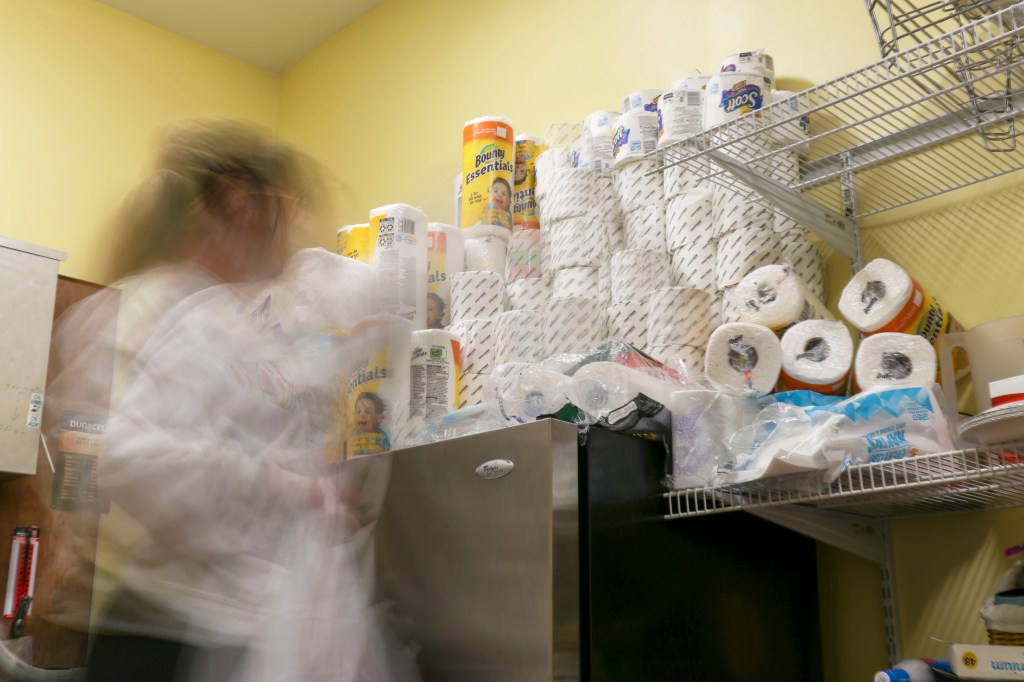
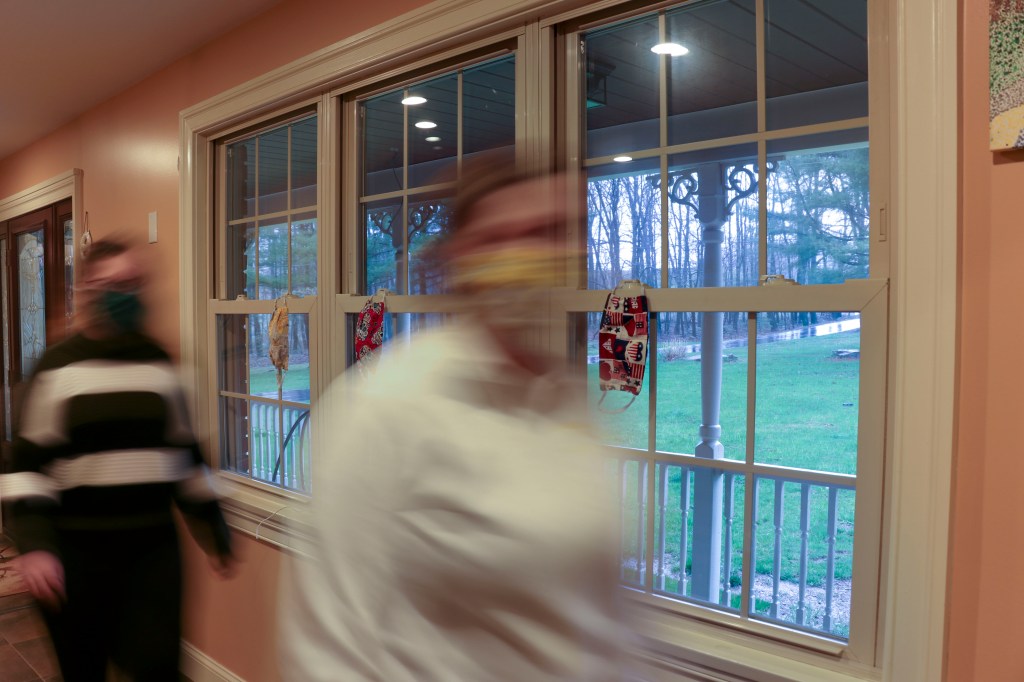
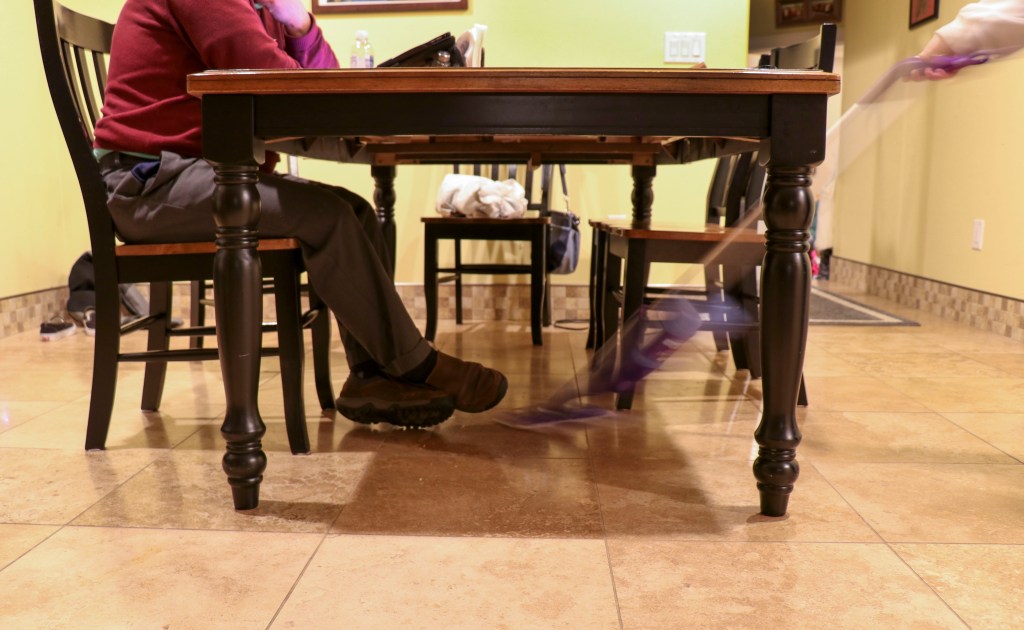
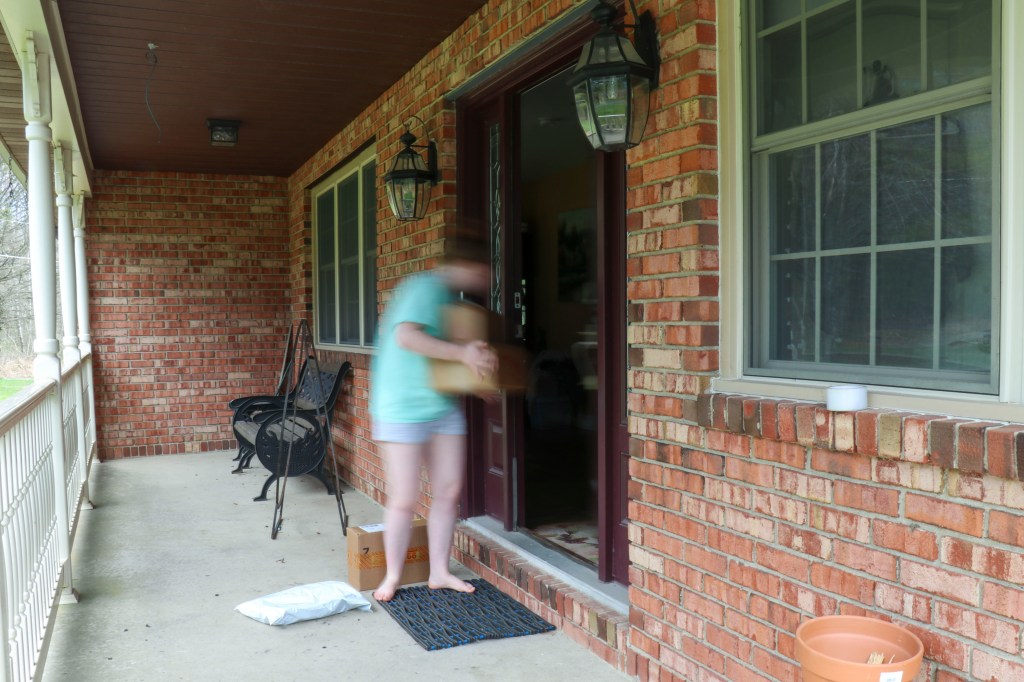
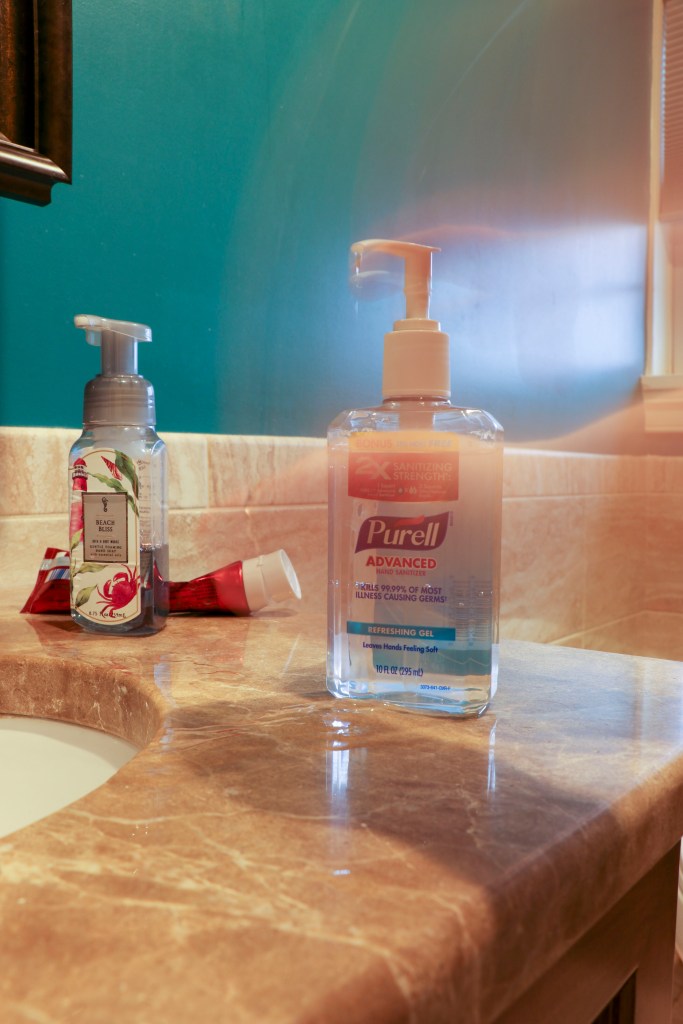
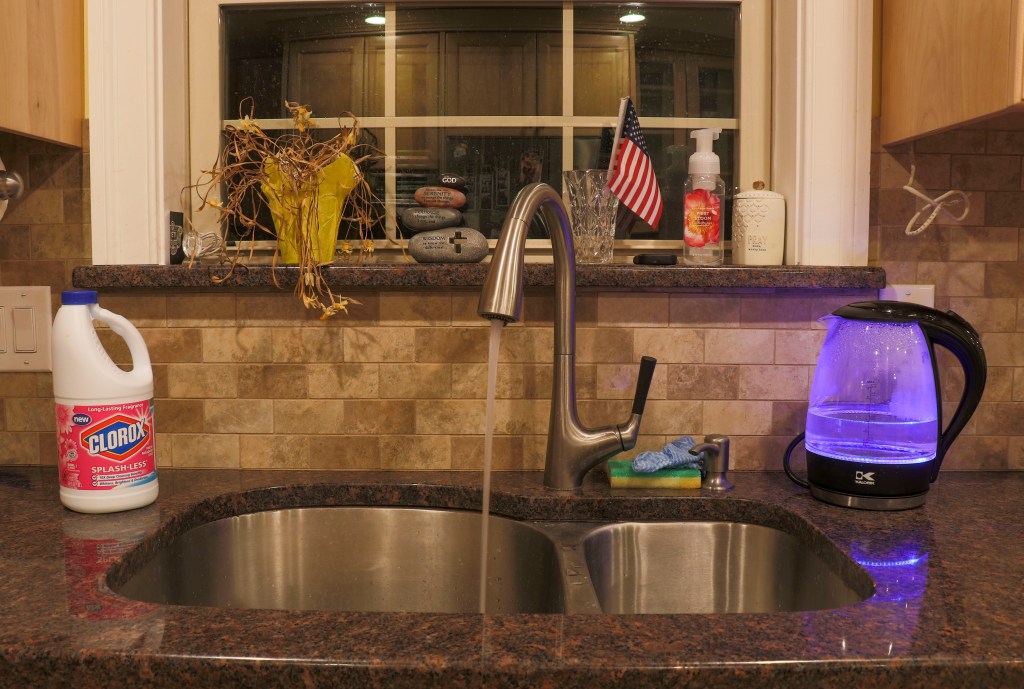
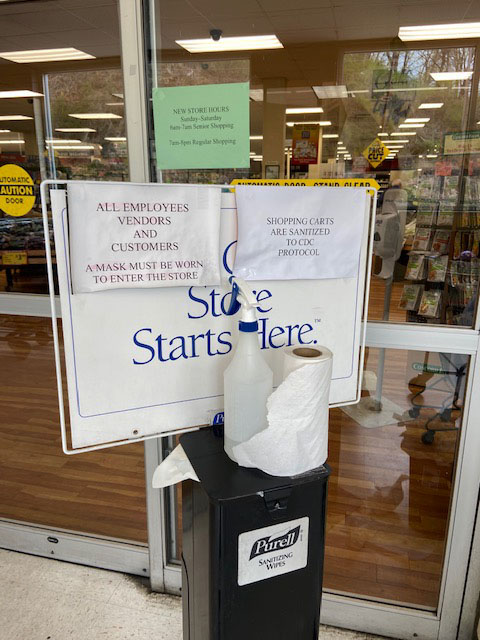
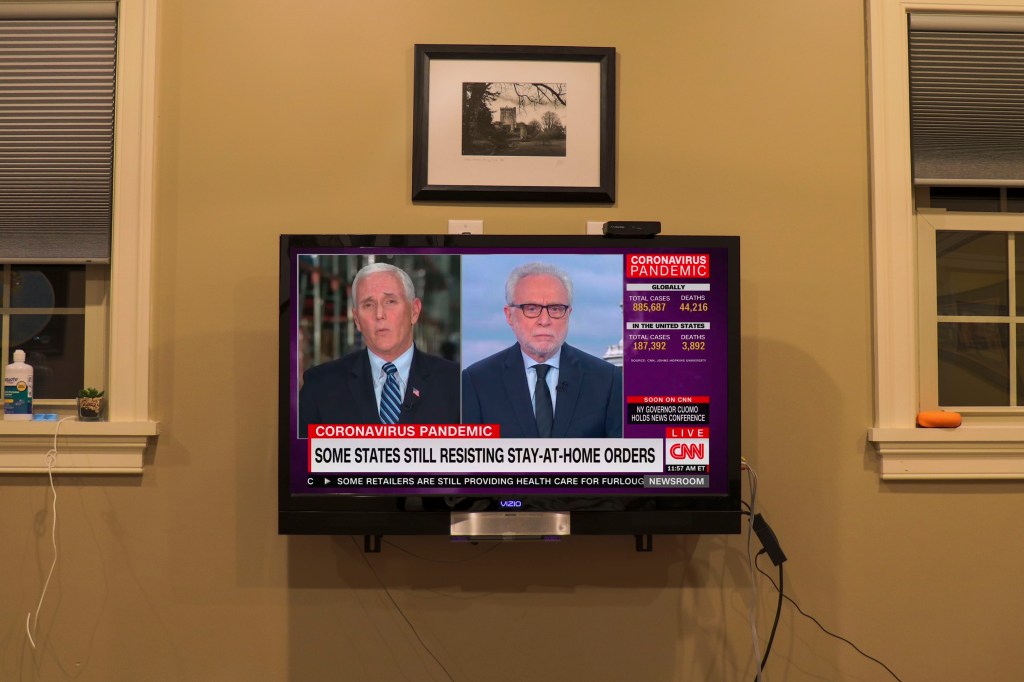
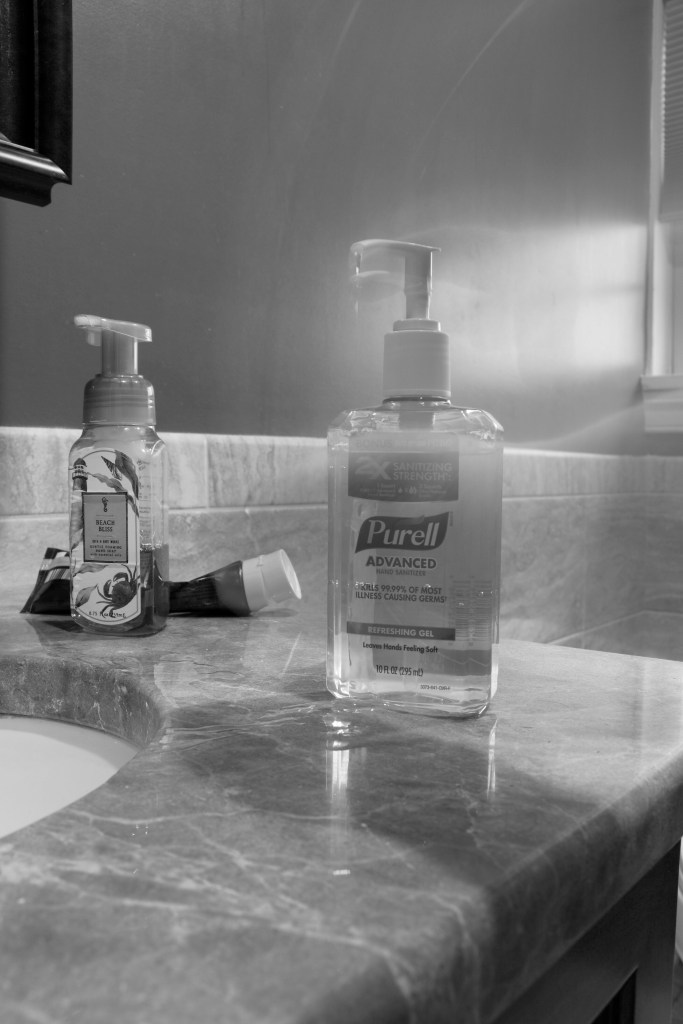
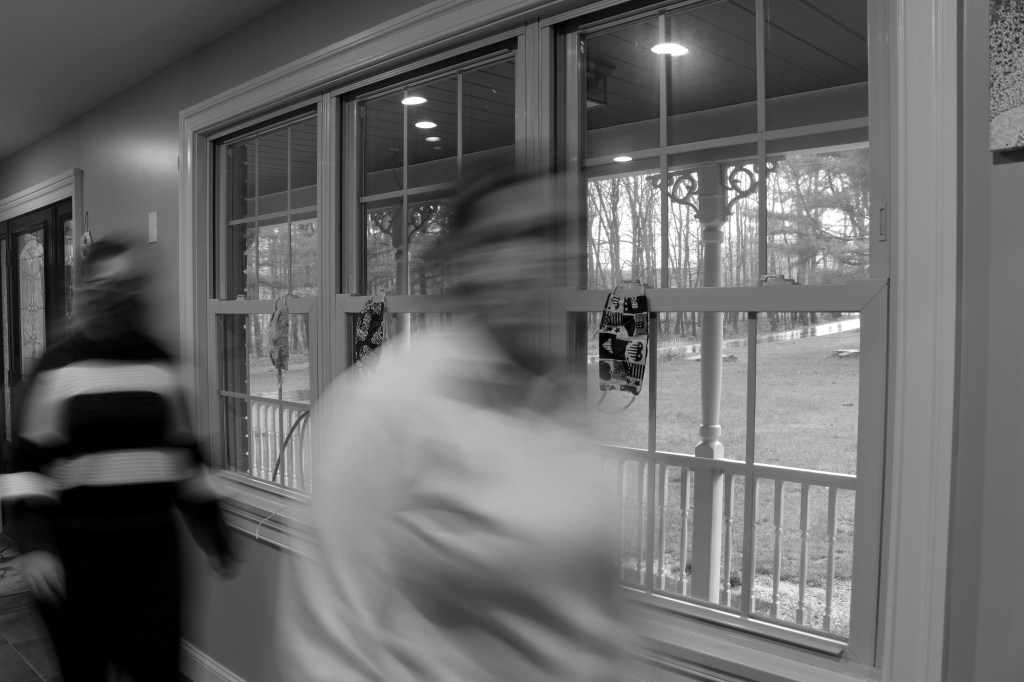
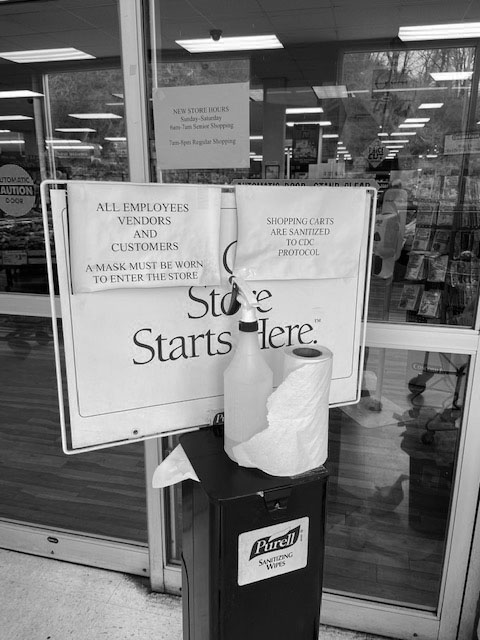
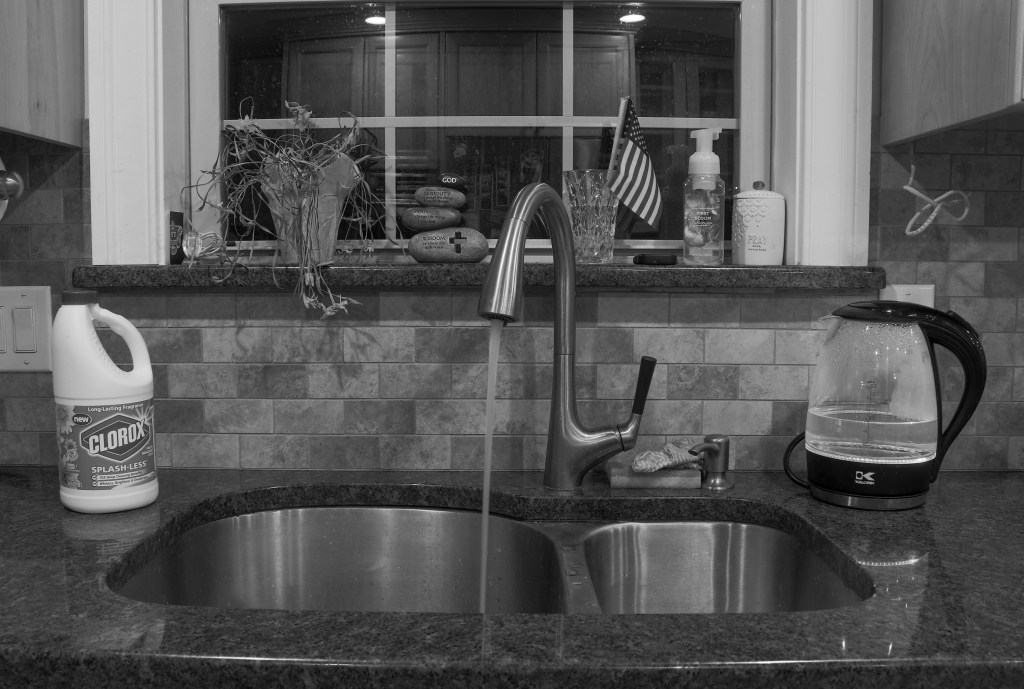
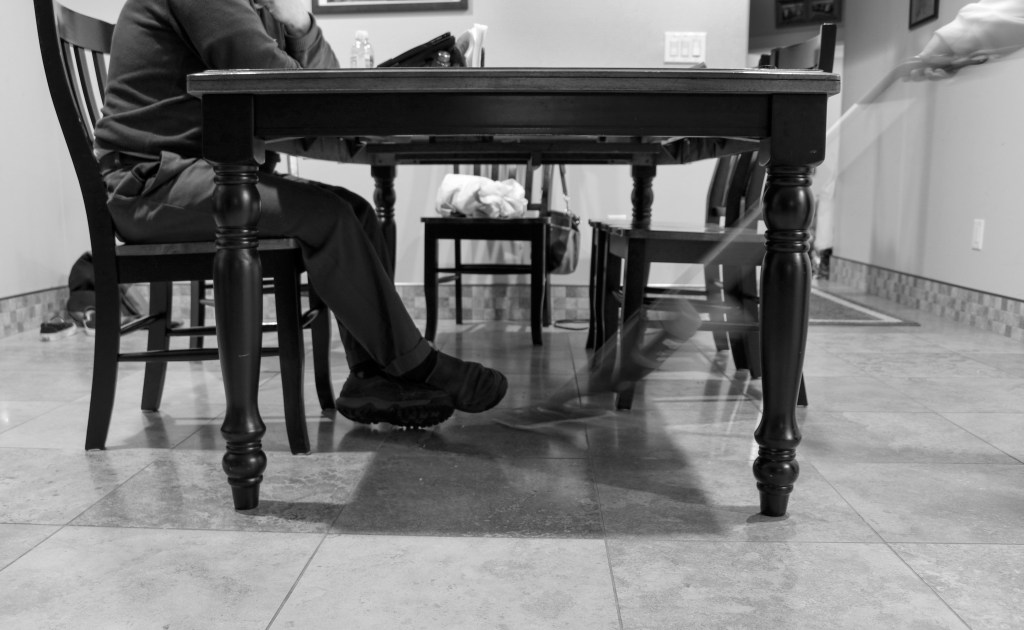
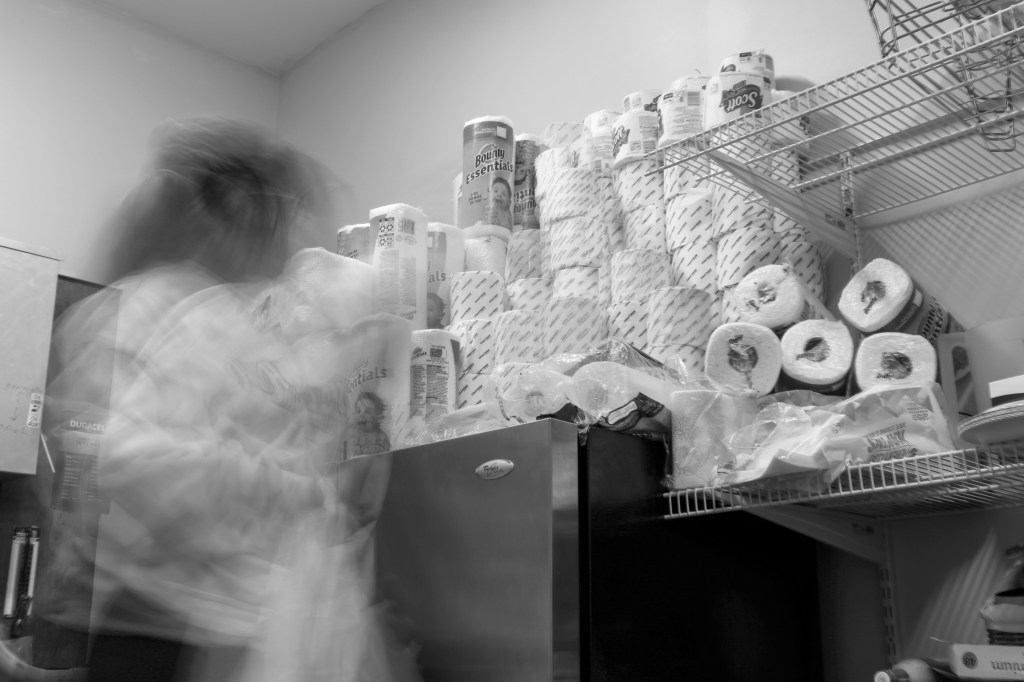
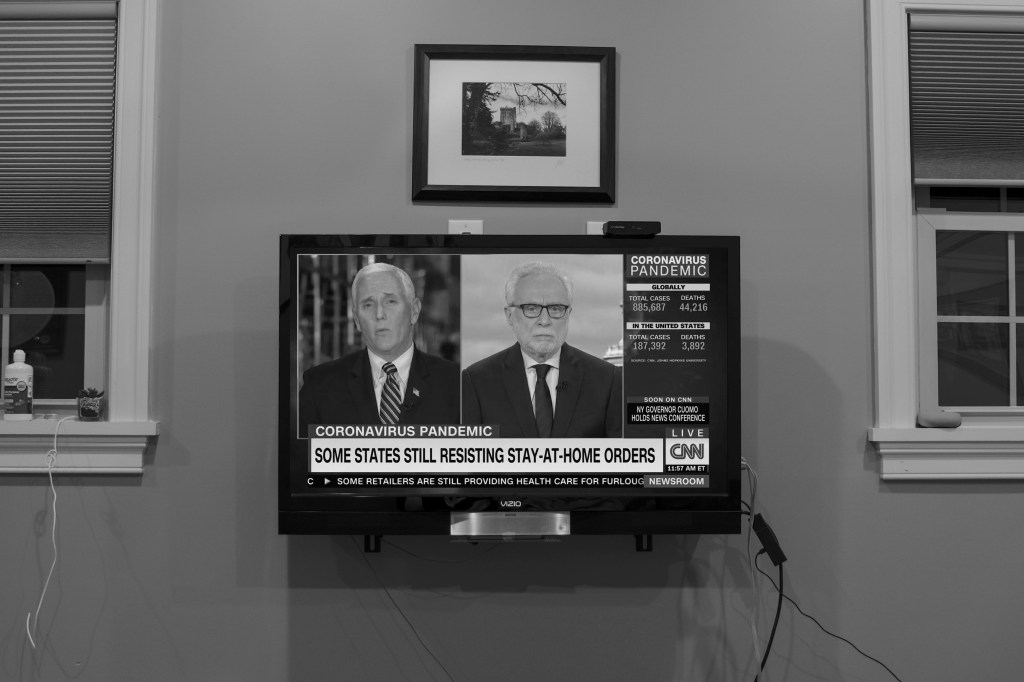
For the final project of 201 I decided to look at what has been going on in our homes and around our neighborhoods. Everyone is meant to be inside because of this pandemic so I took a reflection on that with different things such as mask, cleaning supplies, the news, the toilet paper supply (cause that was the joke before everything got to serious). I thought that making images about corona would be interesting because I think that some images that come from not just my work but from others are going to be apart a movement of where these images are going to define our generation. There will be photos that go into textbook and schools are going to be able to talk about this part of history and before we fly through it we should take a moment to look around and pay attention. If you have a chance to make images of this you might as well because we don’t want to miss this part of history.
I also wanted to put my same images but black and white

Becca Baker—Final Project

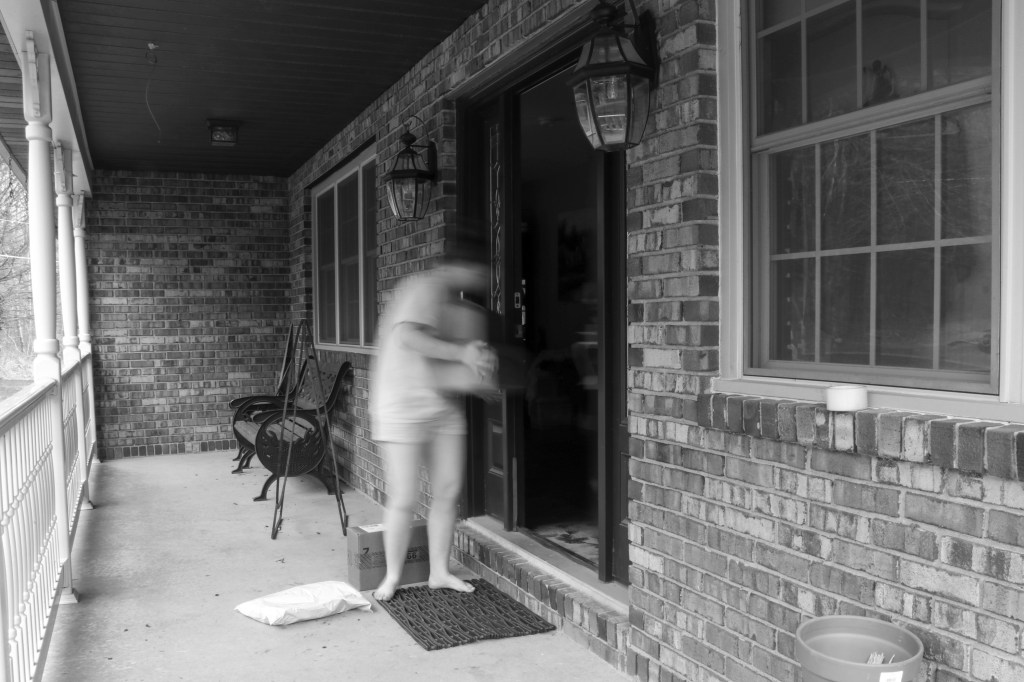
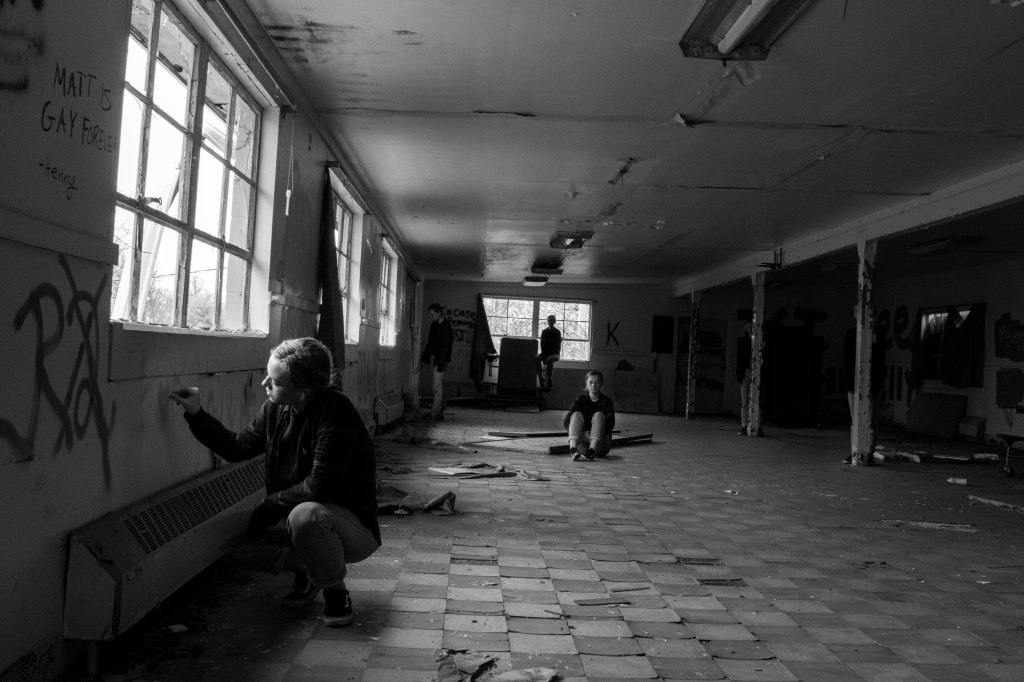
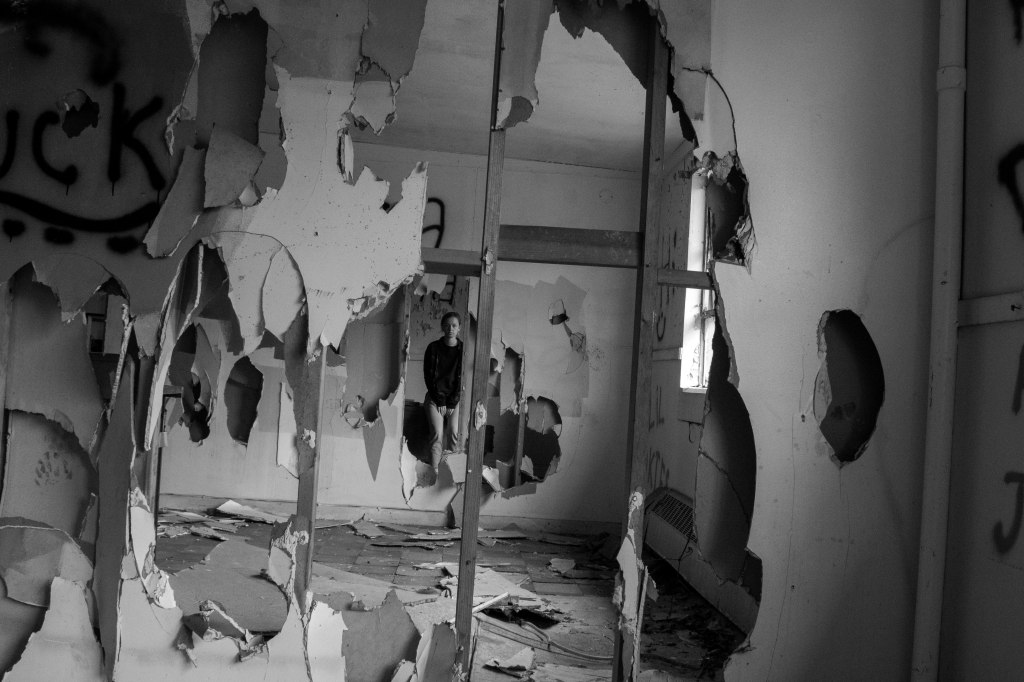
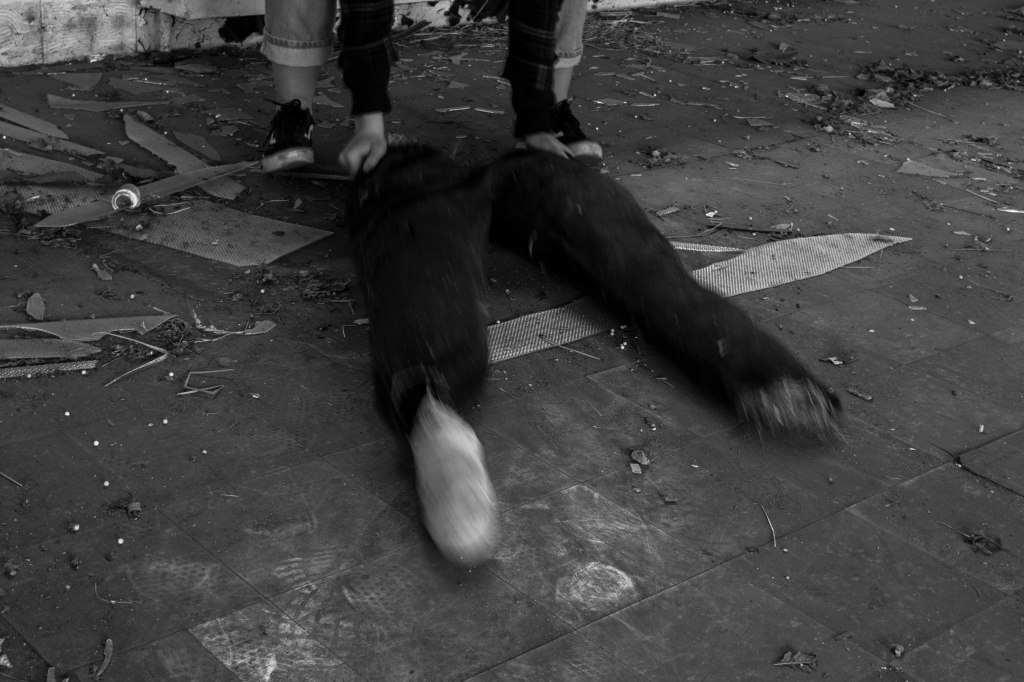
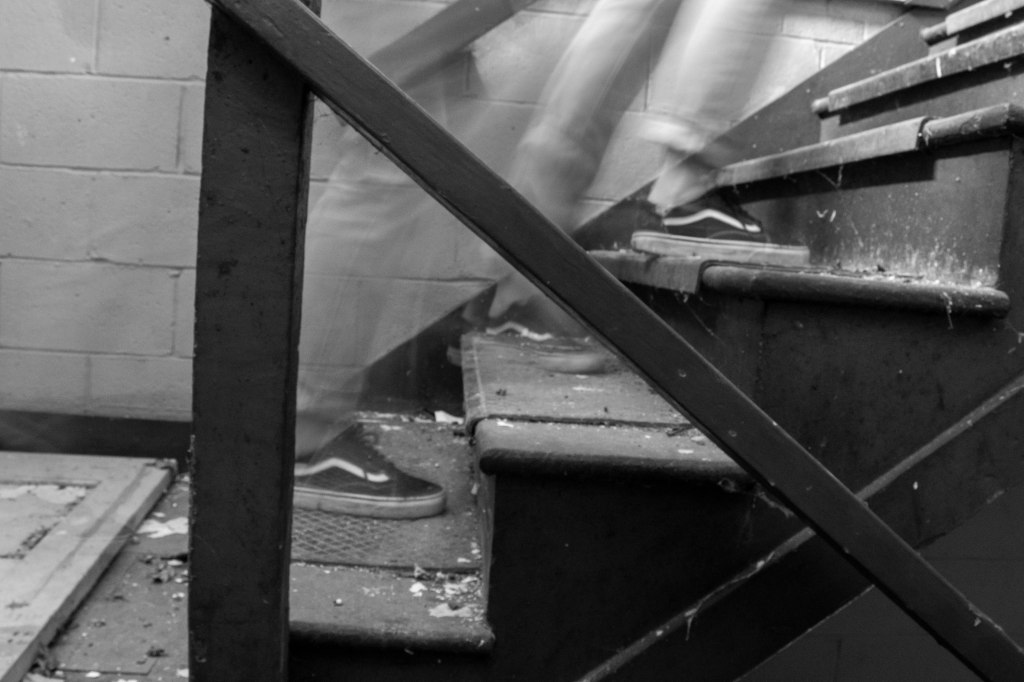
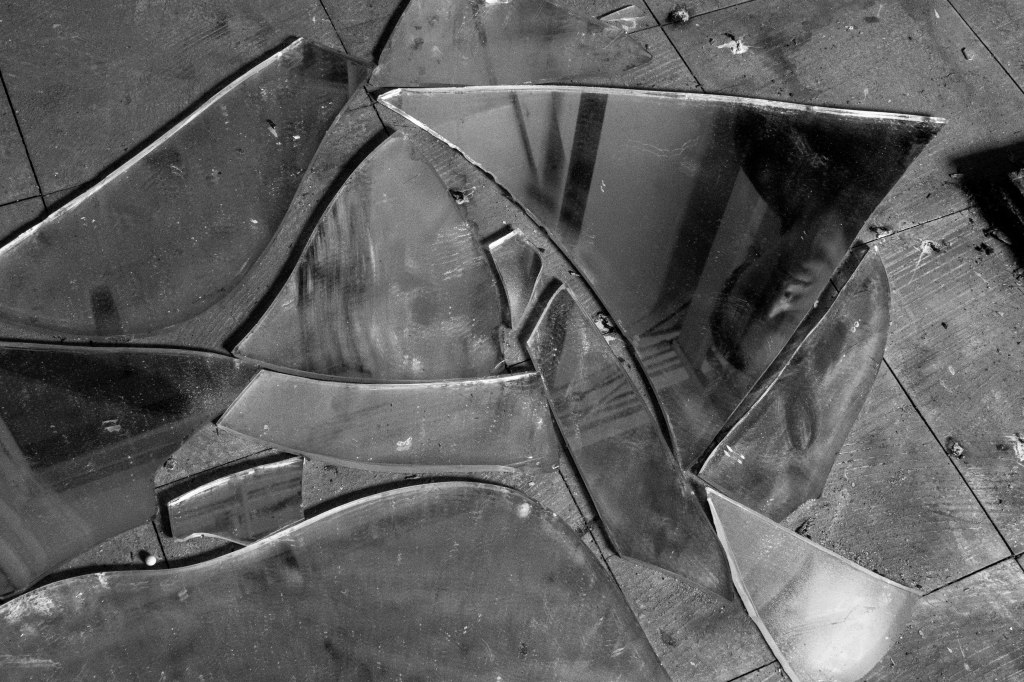
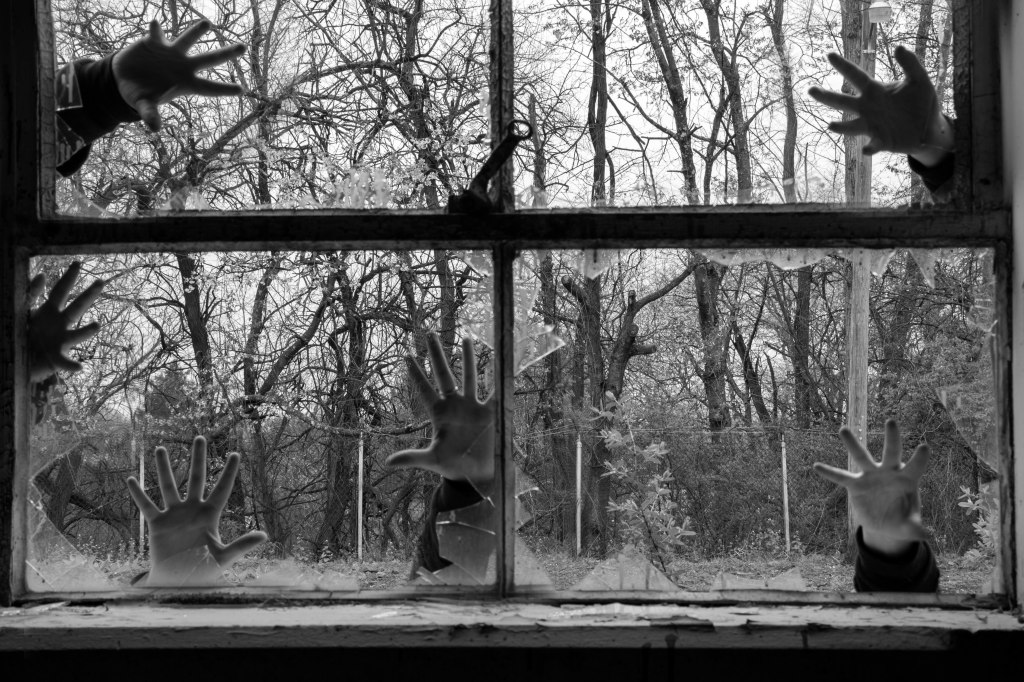
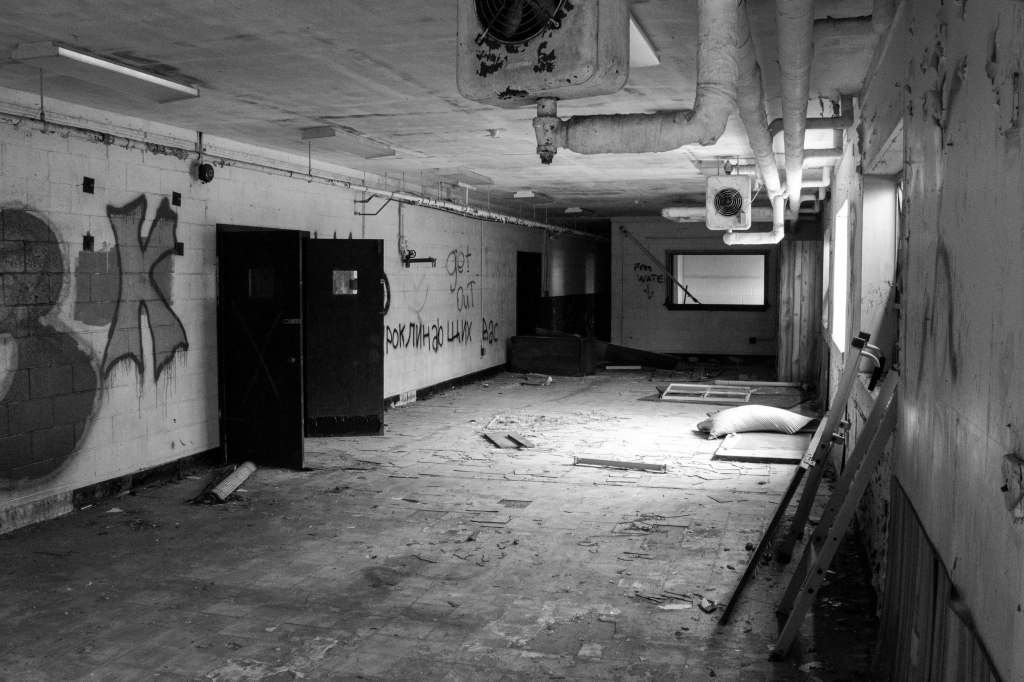
For my final assignment, I was very torn between ideas. I was very intriguied by the idea of self portraits. I often dislike having my picture taken, however, I wanted to experiment. After several attempts and different styles, I came to the conclusion to take my images at an abandoned YMCA building. I recently discovered this building and thought it would be the perfect enviornment for my photos. The building made me feel very unsafe and uneasy, which was reflected in my photos I took. I tried to replicate my feeling through my actions in the photographs. I was influenced by the photographer, Francesca Woodman, famously known for her black and white self portraits. Her images feature herself, or female models, displaying motion or obsecured poses. I was very interested in the idea of motion, while also relfecting on directoral photography. I found the location of the abandoned building to fit my tone, I also wanted to give my images a stark, creepy feeling. I found making my images black and white gave it the strongest feeling of ambiguity. I was also influenced by the Gregory Crewdson film. I found his style of photography to be very appealing and I wanted to incorporate that aspect as well. I used the directoral photography in some images where I set up the scene. I tried to create the feeling of movement in a confined space, reflecting on our current situations with the quarantine. In some of my images, I wanted to display the feeling of confinement in one space, while displaying a lack of movement.

In this photo, I wanted the tone to feel uneasy. I photoshopped my subjects, (myself), to represent the feeling of confinement, movement, and the idea of being watched. I had this feeling throughout my photoshoot, which I tried to replicate in my final images. Throughout the shoot, I heard footsteps in the buidling and glass breaking. I never saw anyone, however, I felt I was being watched.
In this photo, I wanted the image to have depth, while also having the feeling of being watched.

In these images, I was experimenting with the use of motion. I was influenced, along with my other image, of photoshopping myself into one photo. In the bottom photo, I wanted it to have the feeling of running away from something.
In this image, I was influenced by Gregory Crewdson, to set up the scene. I was also influenced by Francesca Woodman and her style of obscured faces.
In this image, I wanted to draw the viewers eyes to the dark background and the open doors. While taking this image, I was most aware and careful of the open doors, I didn’t have the guts to look inside, however, walking past the room was very dark and scary. In the back of the image was a long dark hallway. I had to walk past several rooms to get to the staircase upstairs. The hallway continues after the staircase, with no rooms or windows. This image gave me the strongest feeling of uncertainty.
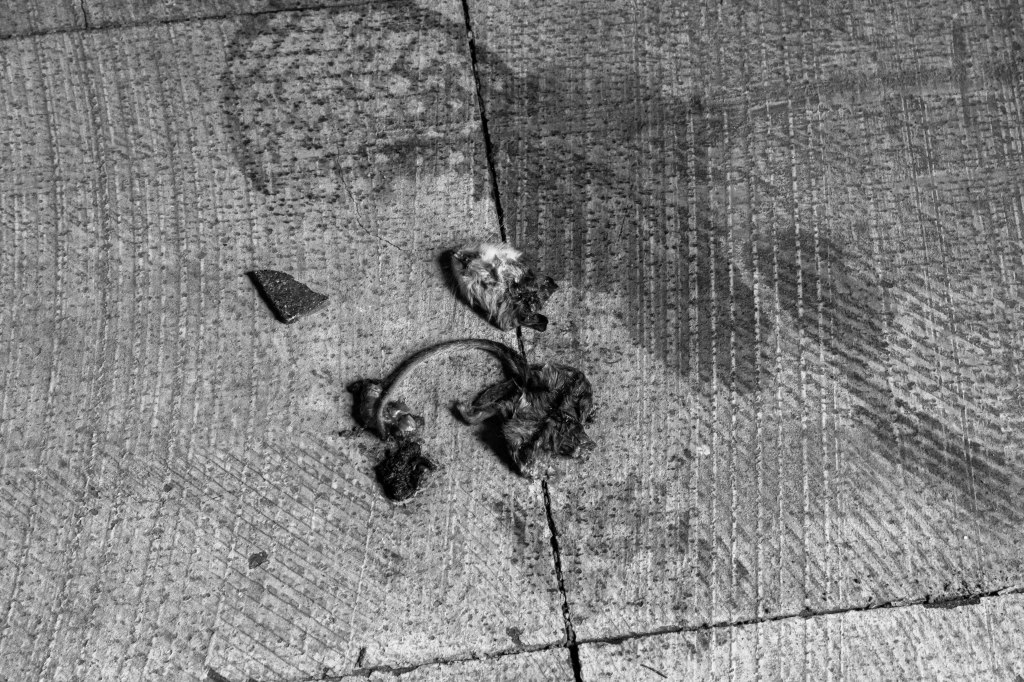
I found this image to be the most interesting of all. It was pure accident, however, I felt it gave the best feeling of the atmosphere, open to all human life including nature. I accidnetally stepped on the dead mouse, I didn’t notice until I was leaving, but it set the tone for my images. During the photoshoot I felt very valnurable, unsafe, and open to anything.

Madi McSherry’s Final

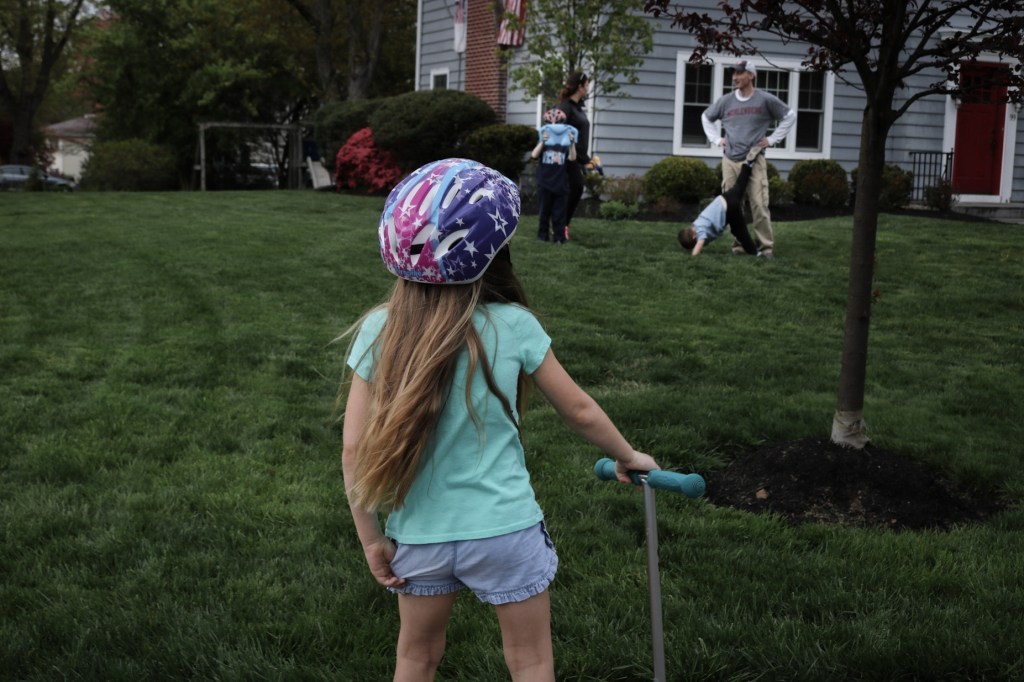
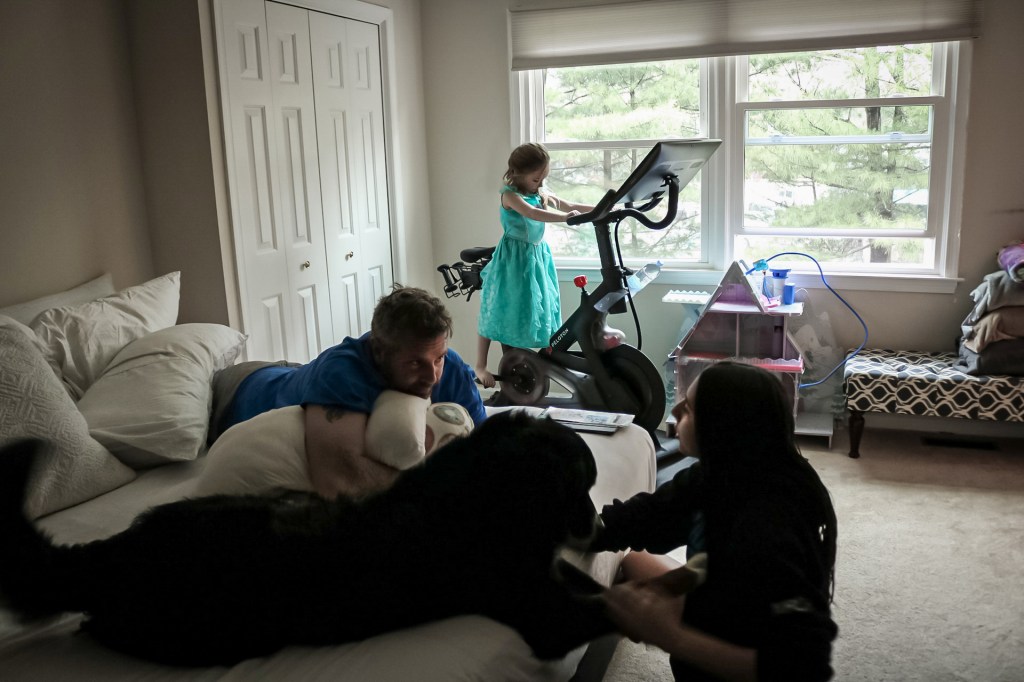
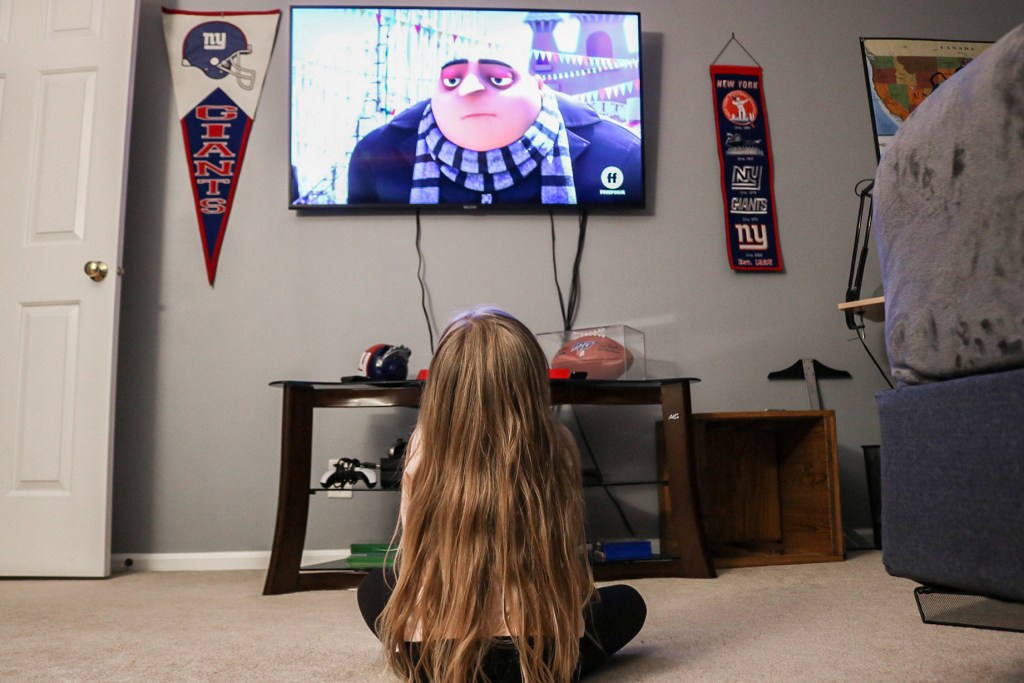
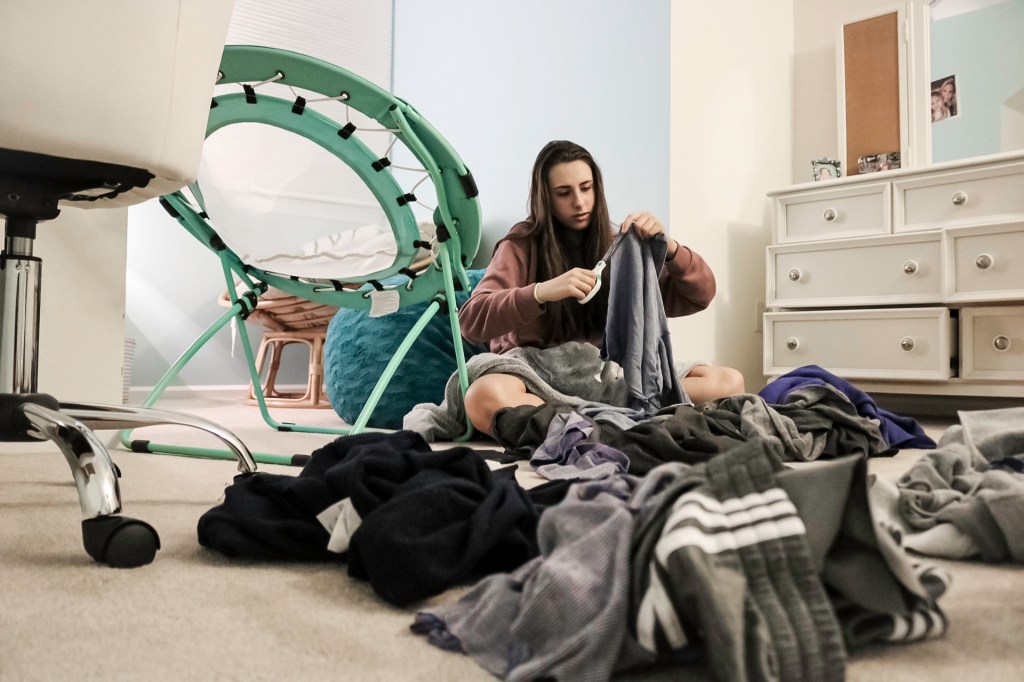
For my final I wanted to document the personal effect COVID-19 has had on my family and me. More specifically I wanted to document specific things that have to be modified within the household. I chose to photograph various things such as my basement turned classroom to 6 feet apart outdoor playdates. For this project I chose to stay away from my typical black and white style. I wanted to capture raw moments how they are. My house consists of 2 parents, 1 whom works at home, an elementary schooler, middle schooler, a high-schooler, and a college student and a puppy. I wanted you to be able to hear the picture in a sense. whether it’s from the TV seen in the background or the stuffed animals my little sister was playing with talking. To complete this project and capture these pictures I carried my camera around the house for 3 days straight, snapping pictures whenever I felt there was a photo- worthy authentic moment.  

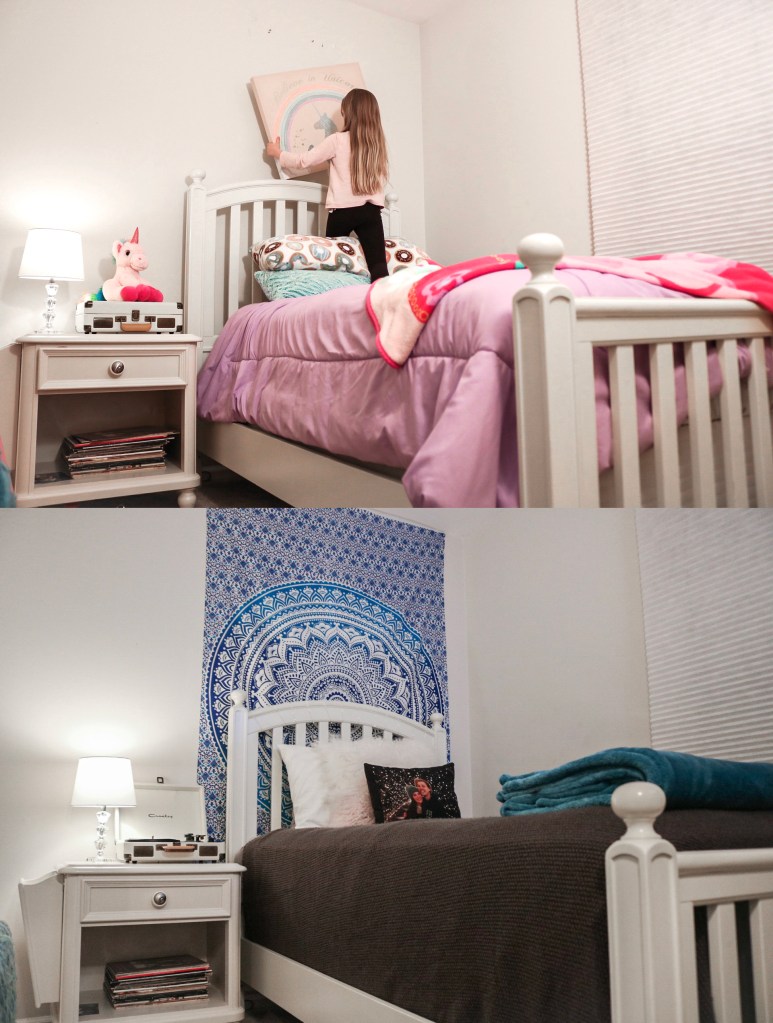
For my first picture I chose to show the transition of my little sister’s room becoming mine. Due to the pandemic sending us home earlier than expected, my family was still renting an apartment one bedroom short for our size family. Because of this I was given my sister’s room and she moved into the parent’s room.  
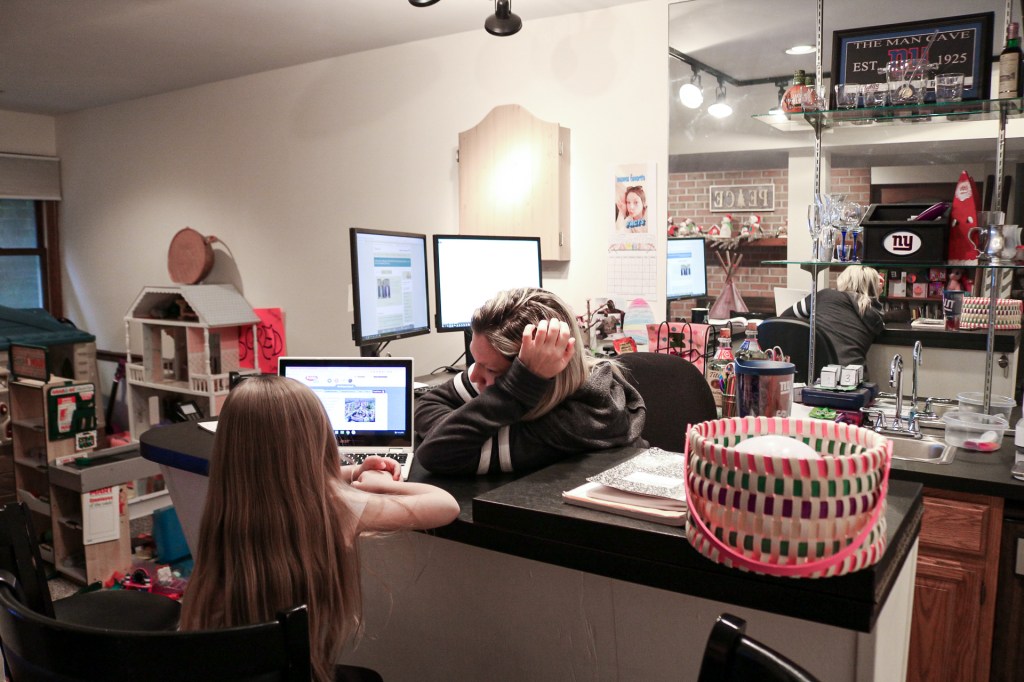
The next picture was of my mom and sister doing schoolwork. I wanted to show how our basement’s bar has had to be turned into a makeshift office cubical and kindergarten classroom. Not only this but the look on my mom’s face reflects the stressful nature of having to become a teacher and bank employee simultaneously.  
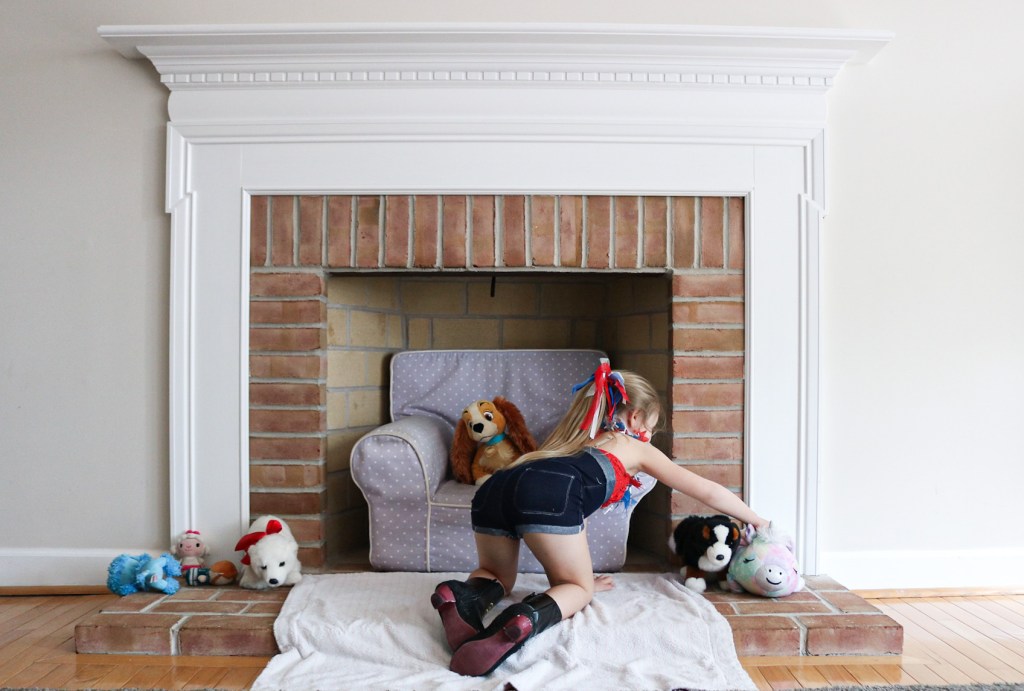
After school is when my sister has time to wind down and play. That is why I chose to photograph her in her dress up costume organizing her toys. In the fireplace. Since the quarantine we have all had to find different ways to get creative and this is a prime example.  
After my mom gets done work is when we typically go on walks. Walking has been taken up by many people during these times so it’s always likely to see friends along the way. In this photograph my little sister is in focus while you can see her friends and his family in the background.  
When the day starts coming to an end, I find it to be popular for us all to migrate to our parents’ room. Their room has not only become the ‘common area’ of the house during this pandemic but also a gym, doubling as a toy for others. In this photo is my stepdad and sister talking and hanging out with the puppy as my littlest sister is taking a spin on our new Peloton. 
When the sun starts to set I’ve noticed people around the house get bored with where they’ve been all day. Because of this, we tend to end up in each other’s rooms, whether the owner of the room is ok with it or not. In this picture, my little sister has not only taken over my little brother’s room, but also his TV.
Night time is when my other little sister tends to get crafty. Pictured is her finding older clothes from attic and cutting them to make them more in trend. This has become a very popular activity that we both partake in together.  
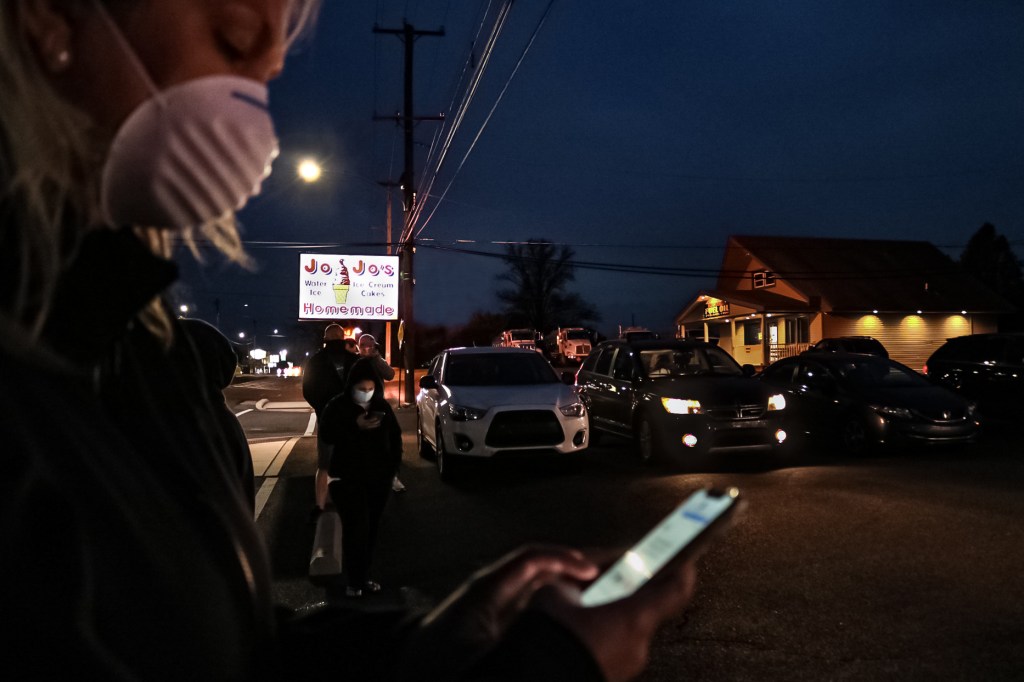
For my last picture I included one of the few times we treat ourselves to ice cream outside of quarantine. I wanted to capture the sign to let the audience be aware of the location as well as people wearing their masks and social distancing. 

Eli Kelso Final

The past 6 months have been nothing short of a cliff dive off the peak of the alps. I suffered a severe mental health episode in December. The struggle continued throughout spring break and once I was stuck in a place I couldn’t leave it only got worse. There wasn’t a lot that could genuinely even invoke a reaction from me. But collectively taking a hobby and adding purpose and context to it to allow me to better understand it has helped me in ways I can’t even begin to describe. Art is expression. Expression is therapeutic and it has been transcendent in growing to become a more rounded person. With the world going crazy and my own mother contracting the virus, for the first time in my life what was on the news was in my everyday life. My images that I have chosen speak to the time spent in isolation that has changed the world that we are currently living in.

EMMA KAPPEL – FINAL Series

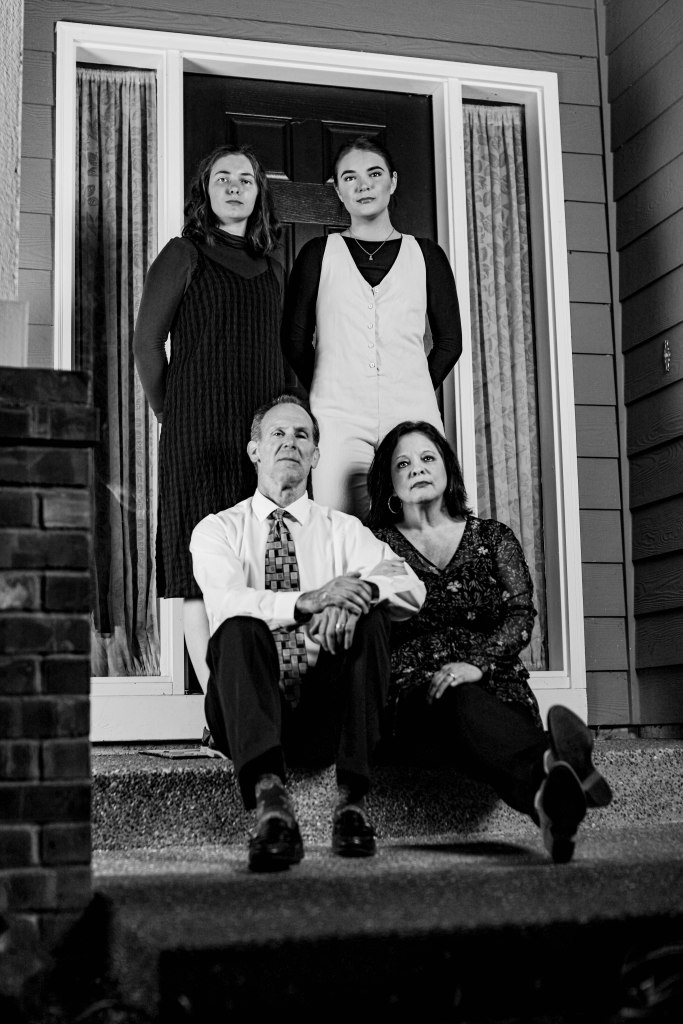
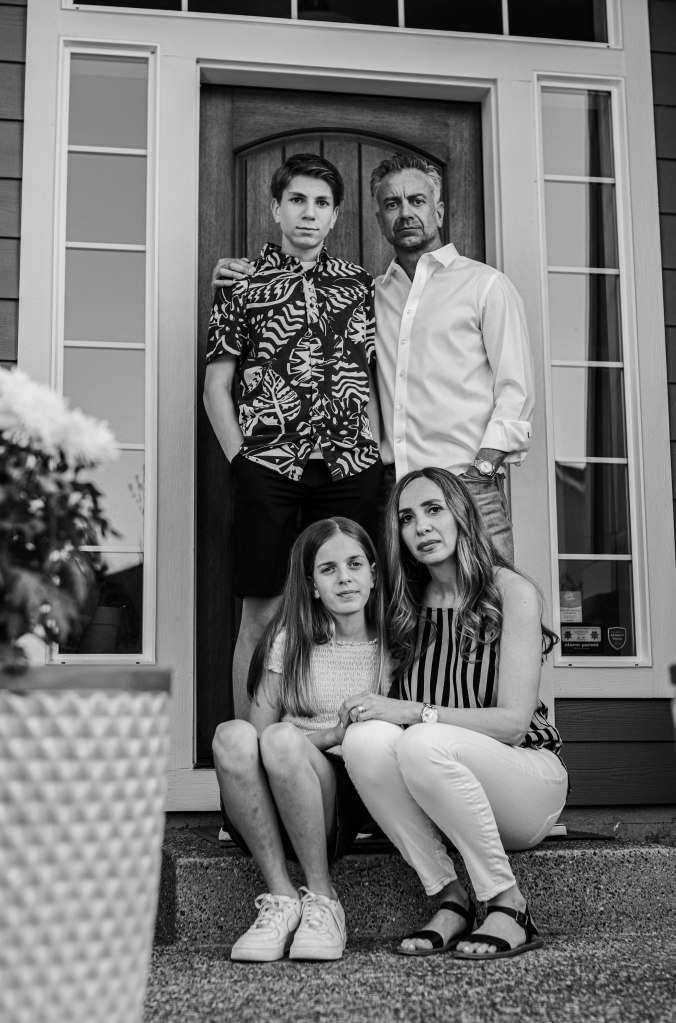
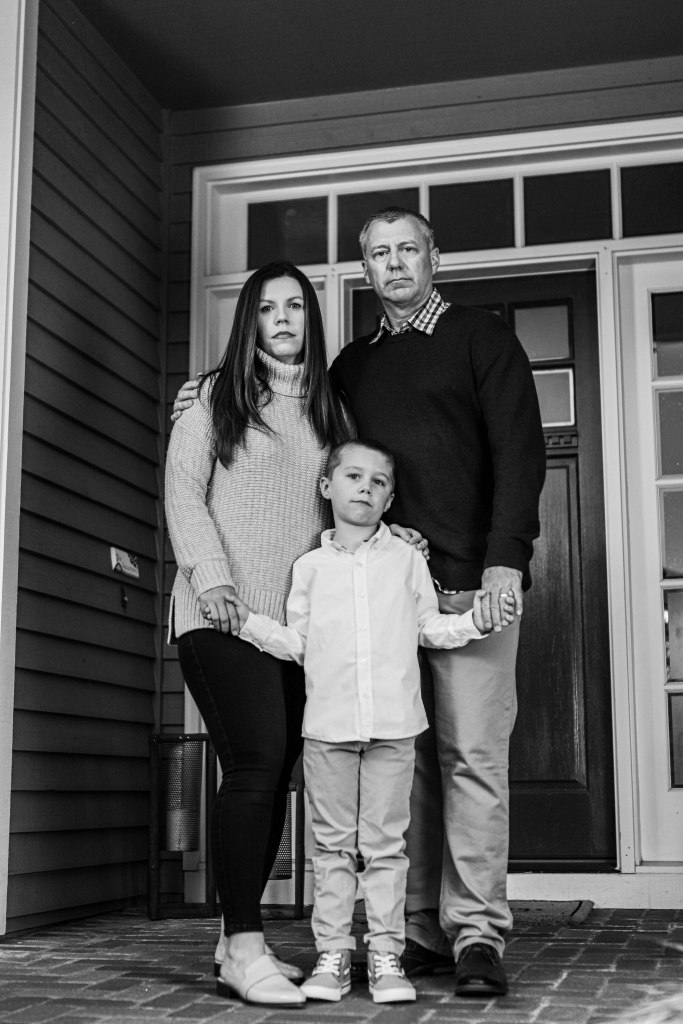
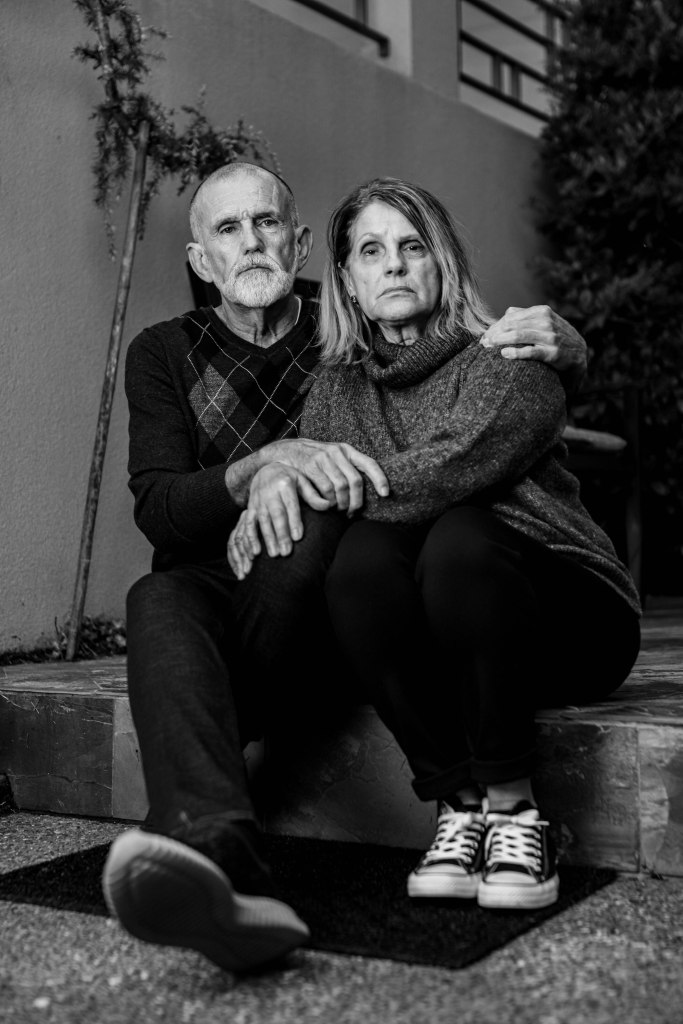
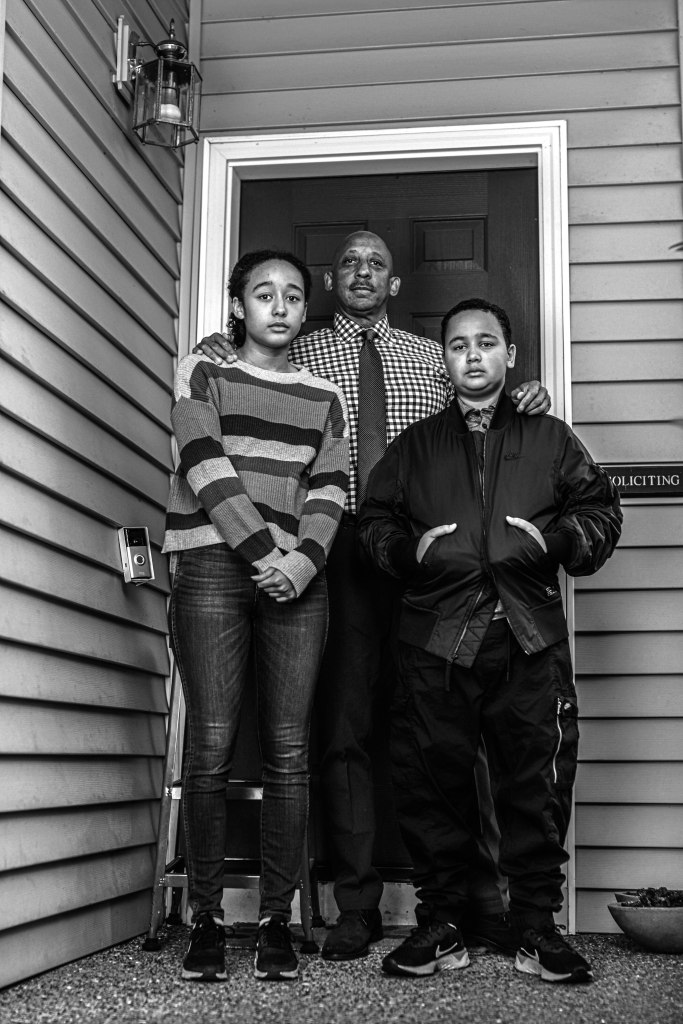
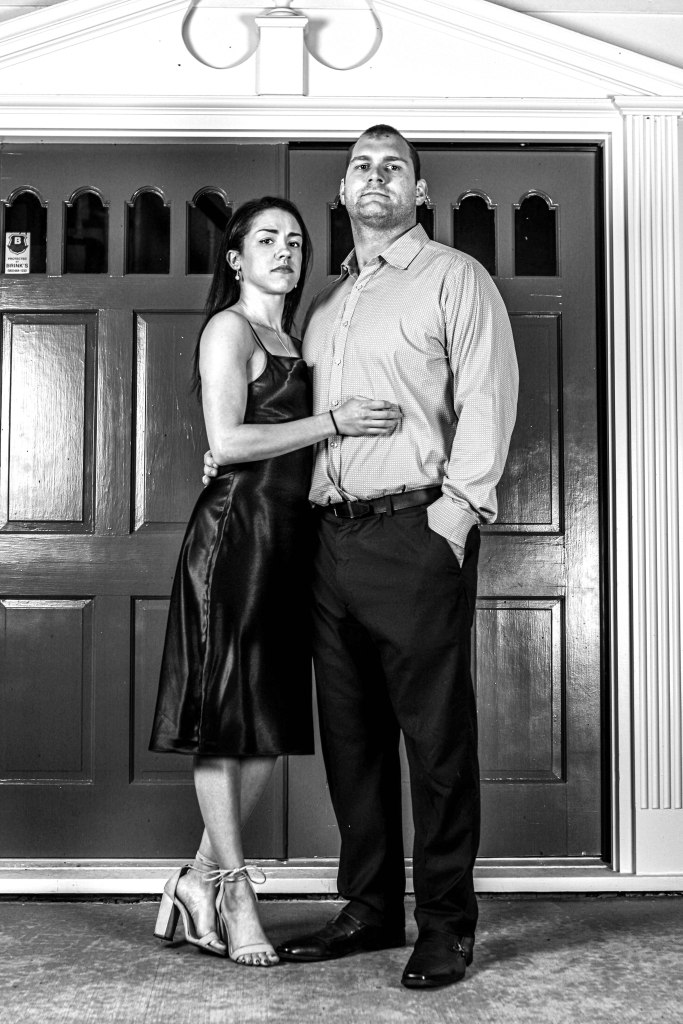
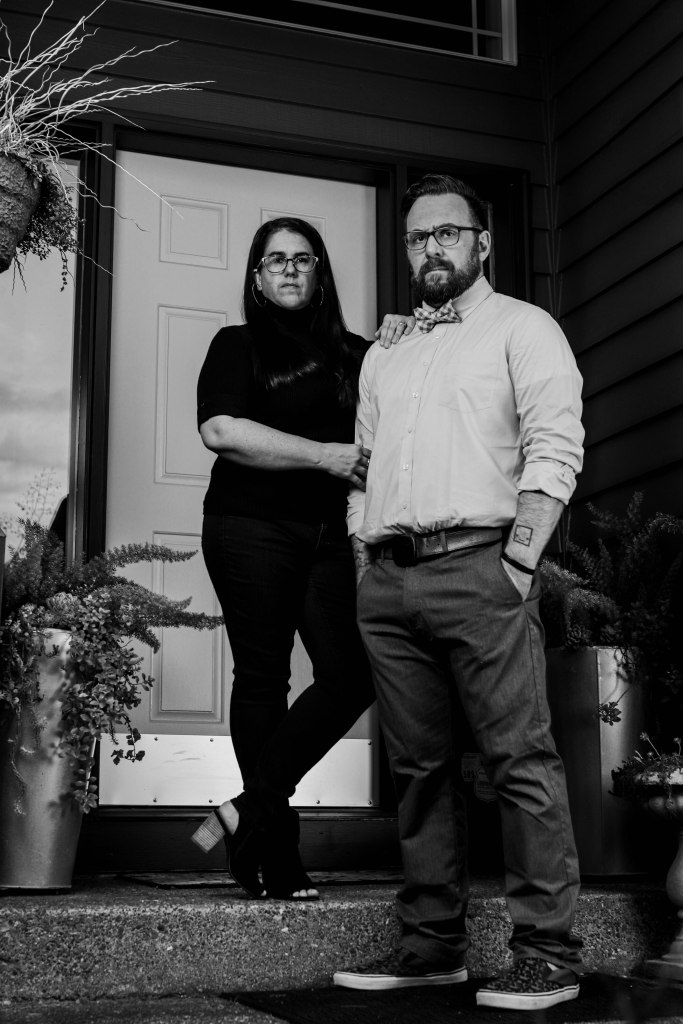
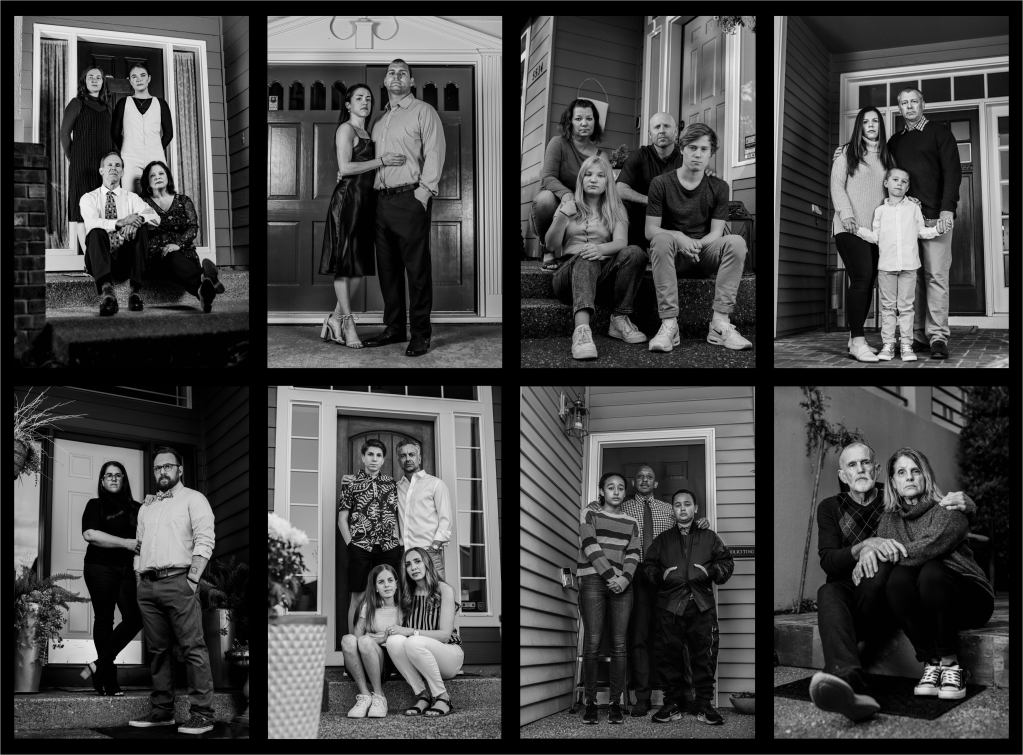
“PORCHTRAITS” Series

Puzzles. Hand sanitizer. Masks. Take-out food. Movie marathons.

This is what our world looks like now. Staying at home with our loved ones watching the news to stay informed, disinfecting groceries, washing our hands over and over again… This is COVID-19. Although some people have been hit harder by the coronavirus’ effects than others, every person on our planet has been influenced somehow by this deadly pandemic. Everyone is facing their own struggles, getting laid-off, coming home from college, cancelling vacations, and not getting to walk across the graduation stage. As we are all collectively struggling, we are all collectively learning. Learning how to check in on friends and family. How to properly wash our hands. How the world can be such a better place when we come together as one human race.

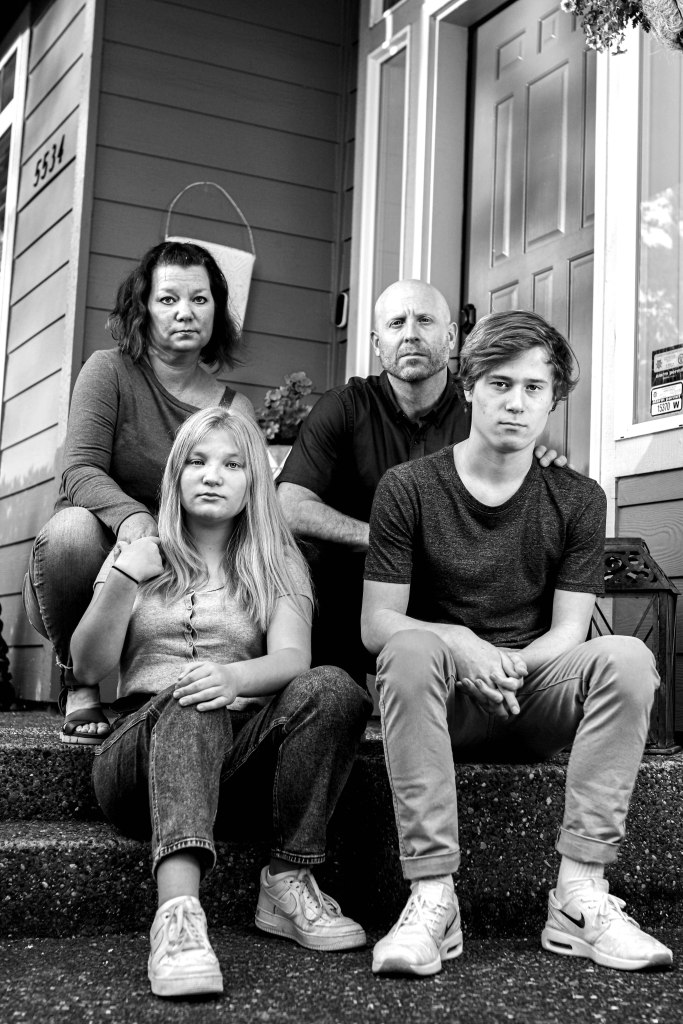
I decided to create a series that embodies the emotional turmoil of what it is like to be living in 2020. Everyone has seen photos of the empty shelves, the long Costco lines of shopping carts, and children learning through Zoom meetings. I wanted the idea of family to be the core of my series. Many photographers across the nation are running with the idea of taking portraits of families, oftentimes in color and full of forced-smiles, other times in masks and wearing gloves. While both representations of families are important, I chose to take a more direct approach. 

People are scared. People are concerned.

And that is exactly what I chose to depict throughout this series. It did not take much directing to have people express the emotions evident through these photos. The instinctual smiles were replaced by reaffirming touch from mother to daughters and spouse to spouse. I asked these families to dress up to help portray the look of old studio-type daguerreotype photographs, as well as giving them an excuse to get out of the sweatpants we all find ourselves pulling on each morning. 

This series was partially inspired by some of the first photographers we looked at in this class. Family portraits, and the way that the depth of field provided a wide angle of perspective into the standing person’s life, telling a story about them without any story.

Final Assignment — Cameron S

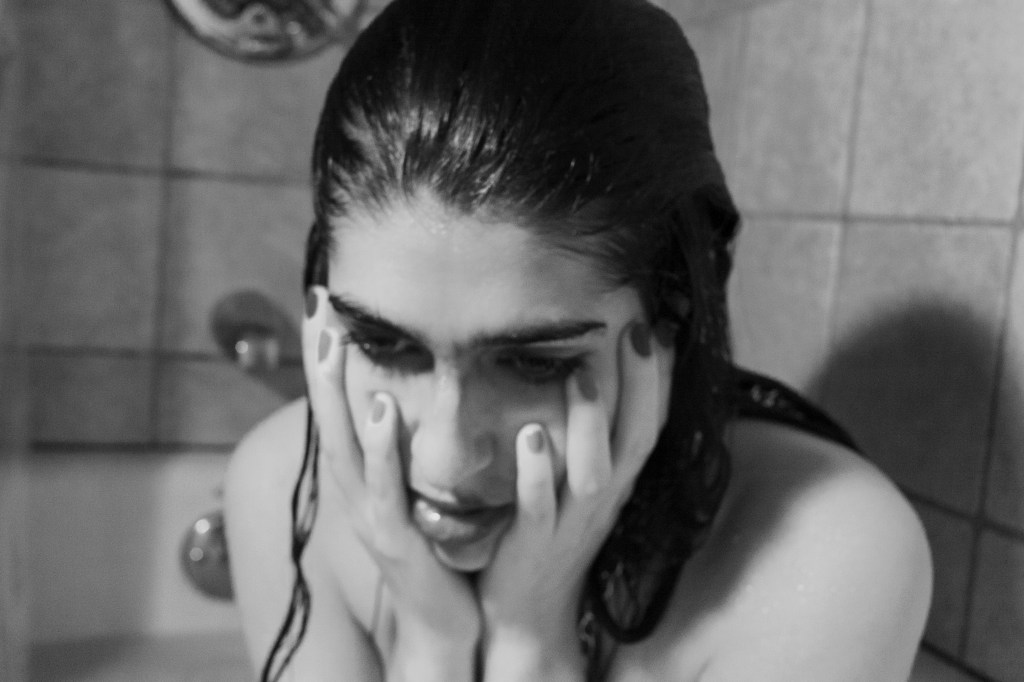
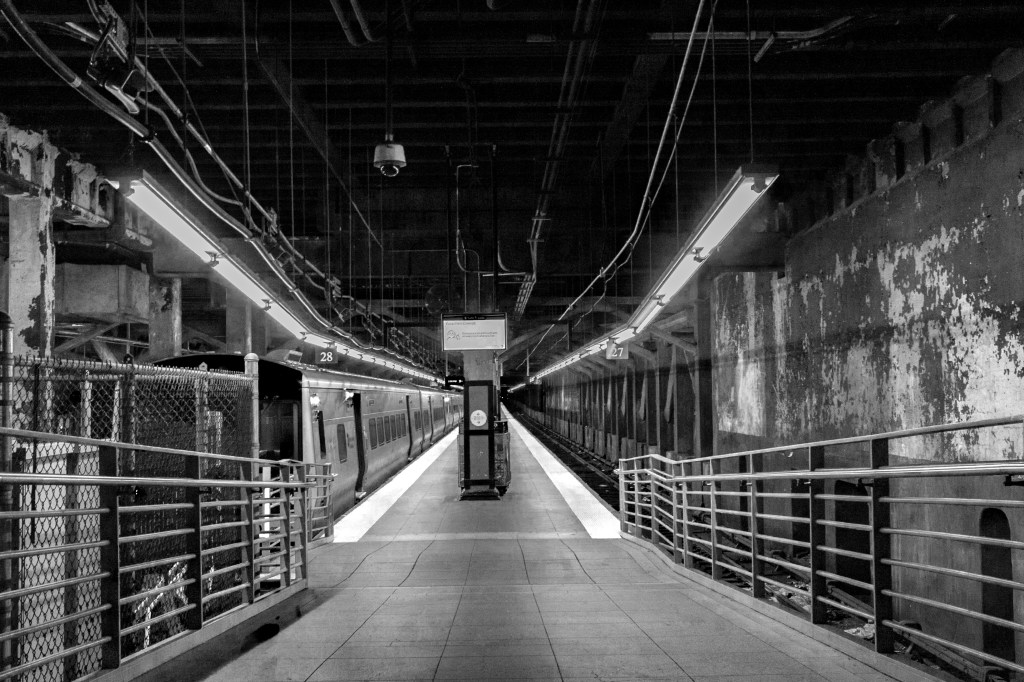
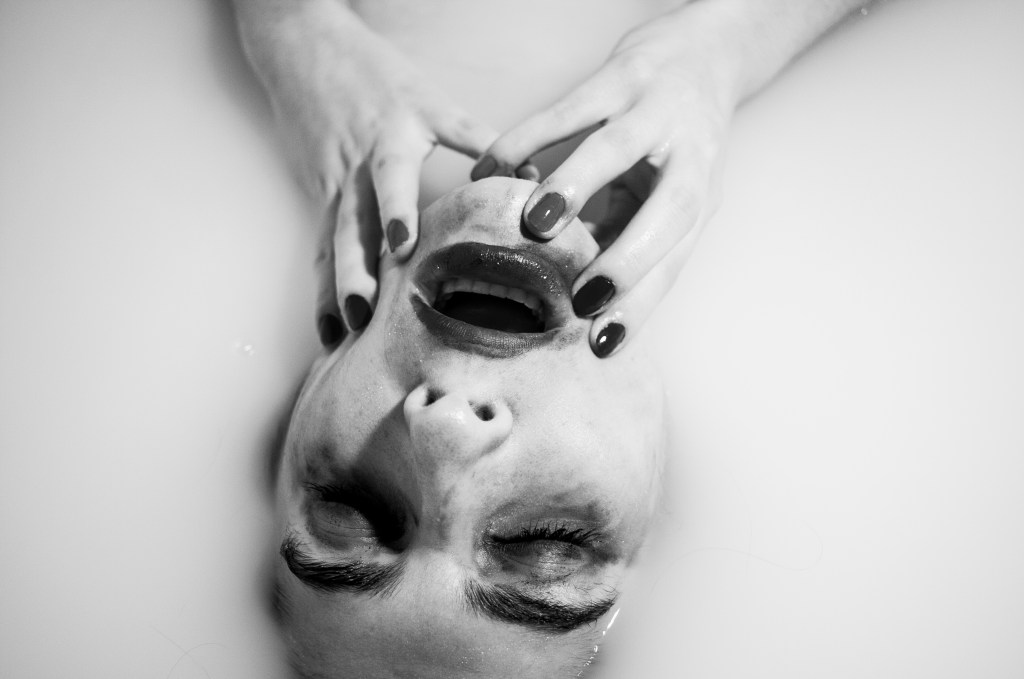
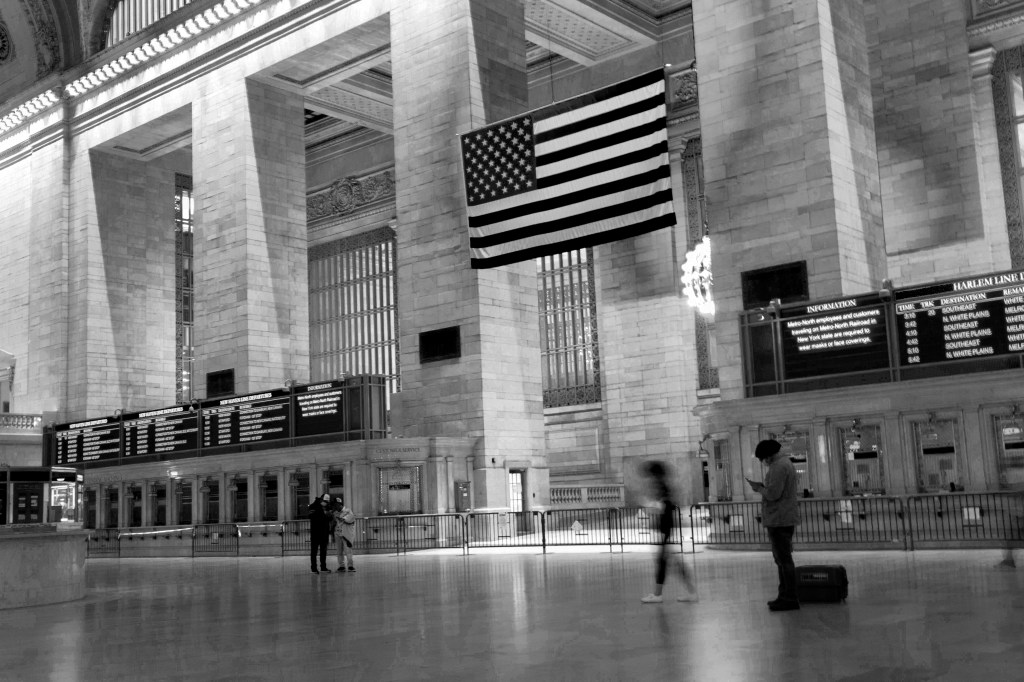
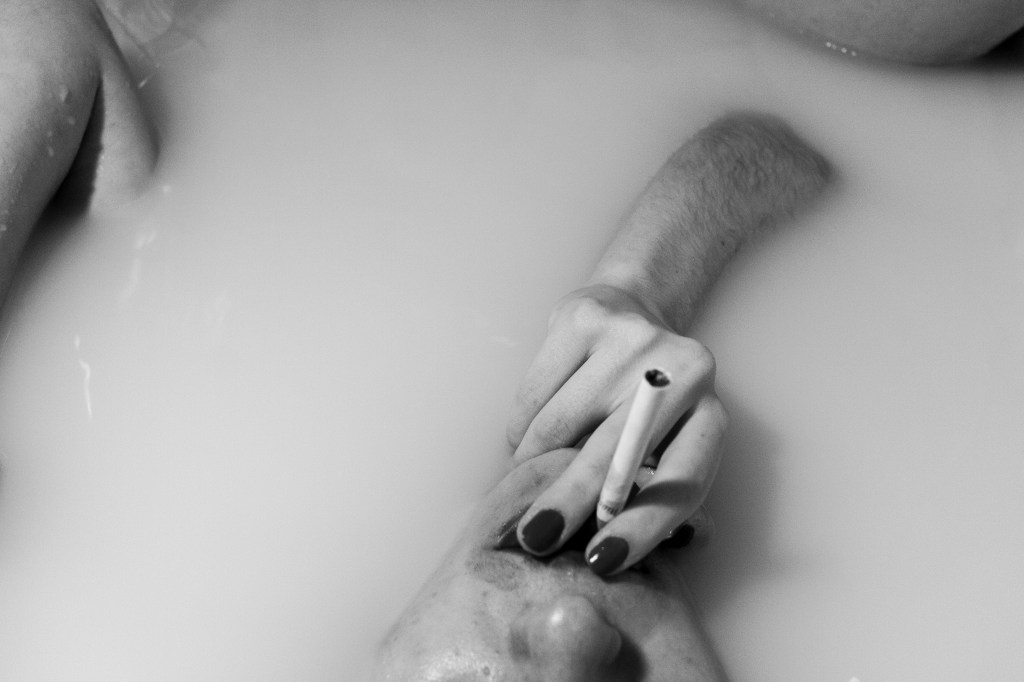
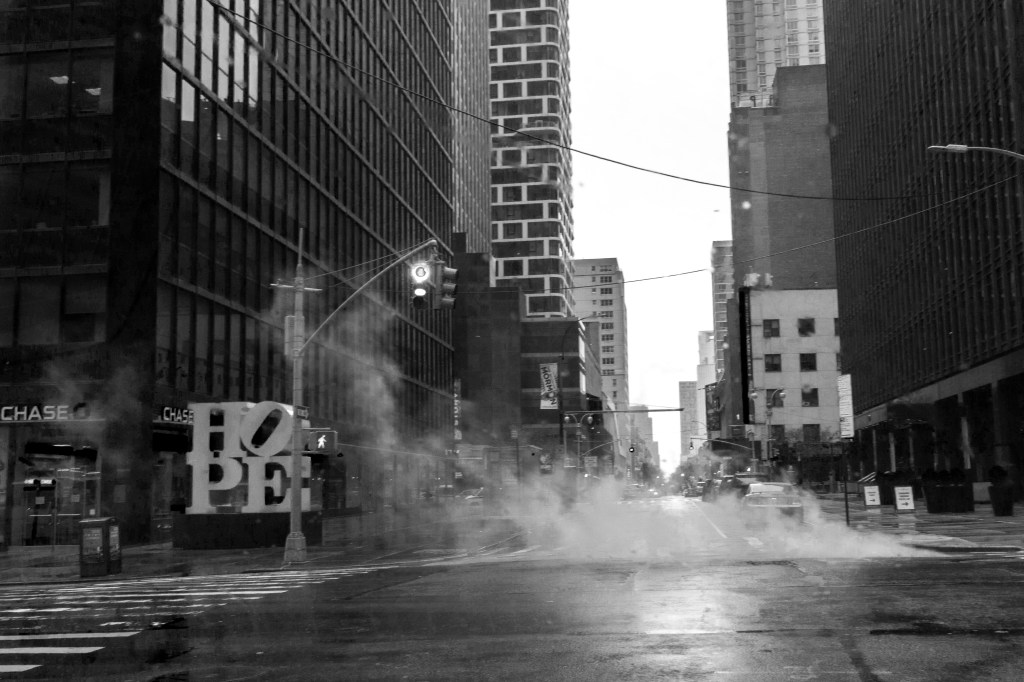
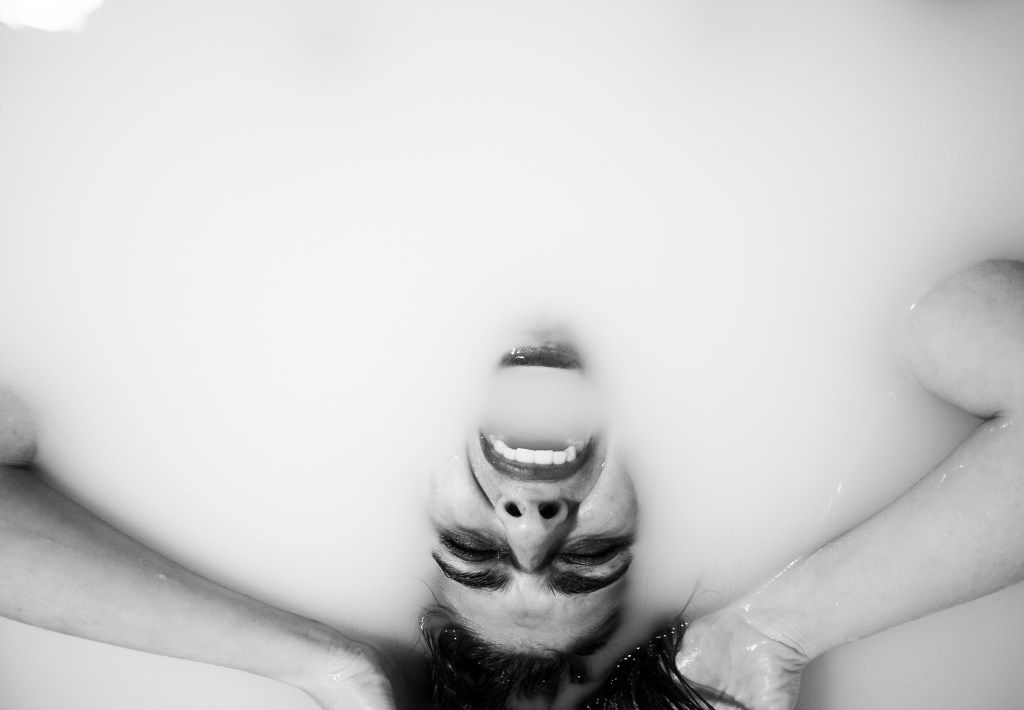
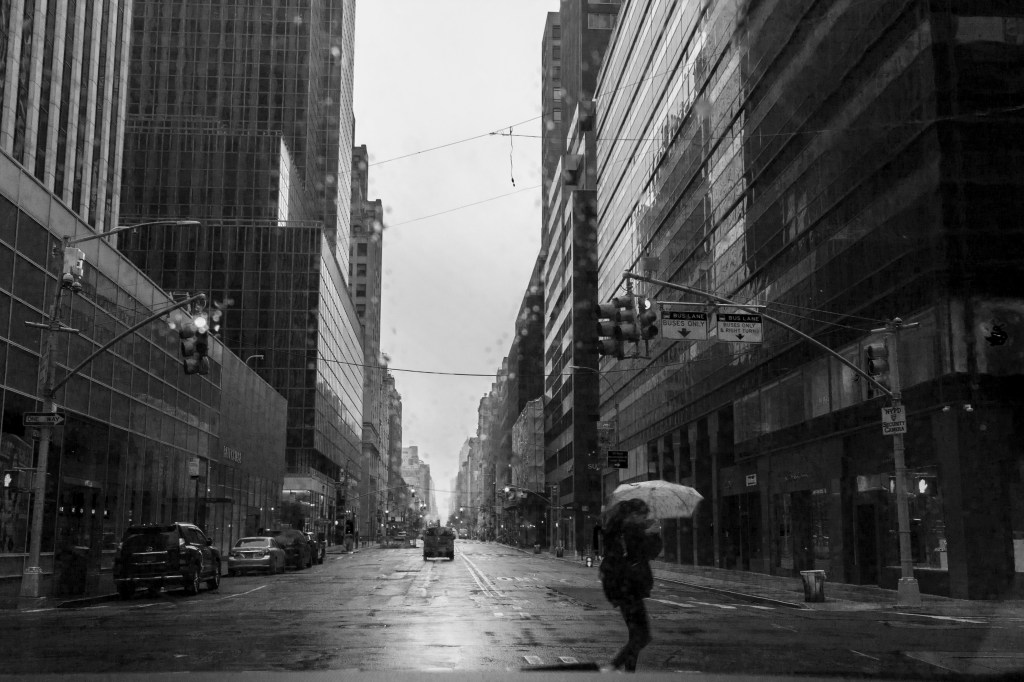
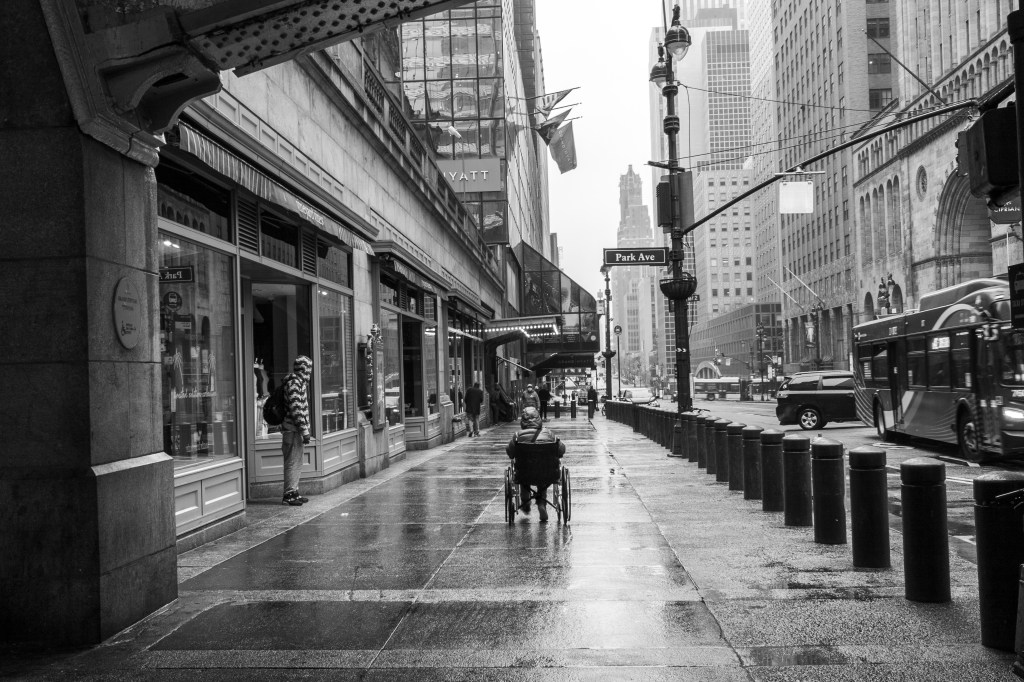
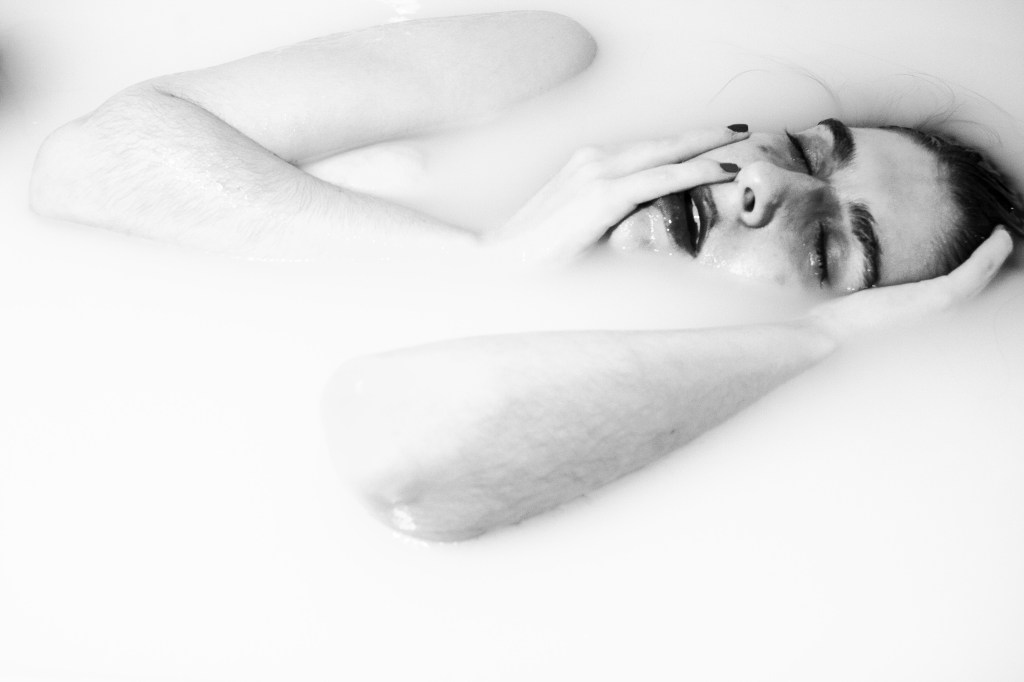
For my final assignment, I have decided to continue working on images related to Covid-19. I wanted to take a more conceptual direction with these images to attempt to capture the emotions and anxiety that many people are feeling during this time. I wanted to capture a story through landscapes paired with a self-portrait. I wanted to juxtapose the landscapes with the conceptual images to capture the emotional story. I took the images of myself in a bathtub to allude to the idea of drowning, the water is opaque to capture the feeling of anxiety and being unclear of what the future holds. The virus is a respiratory illness and I used the cigarette and water in the mouth to symbolize the virus. The story in my images shows someone falling further into isolation, suffering silently. I wanted each pairing of images to relate to one another in order to draw comparisons between the landscapes and the portraits. It is important to reflect on the internal anxieties we face during this time so I used the portraits to represent the internal monologue of anxiety, chaos, and loneliness, with the landscapes to represent the physical emptiness and space between people.  

The first two images are the realization of loneliness that many people are faced with. These images hold a similar emotion as they both have intense highlights and some type of grid, the lights and darks are also very similar. 

The last two images are meant to be a final note on silent suffering which can take many forms. There are many stories that are going to go untold before, during, and after the virus is under control. I want people to understand that the virus is a threat both mentally and physically to everyone, while also understanding that there are people who are more vulnerable.

Taking these images was a bit of a struggle as I do not have my usual camera and lighting equipment. I used a desk lamp propped up on a kitchen stool as my light source which almost fell into the tub so taking these images was almost a near-death experience. My mom was also not very happy with me after I used up all of the milk.