Dusseldorf School
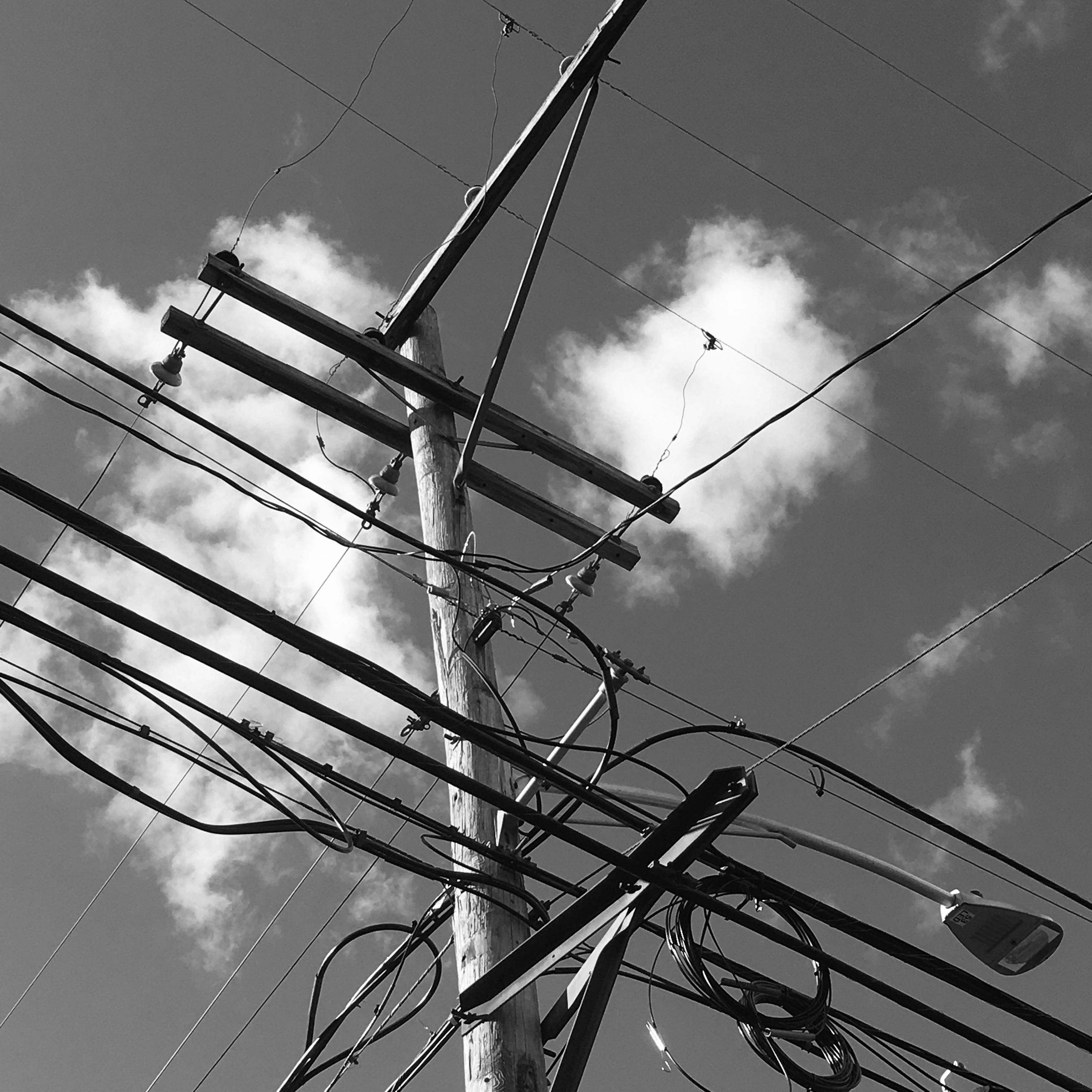
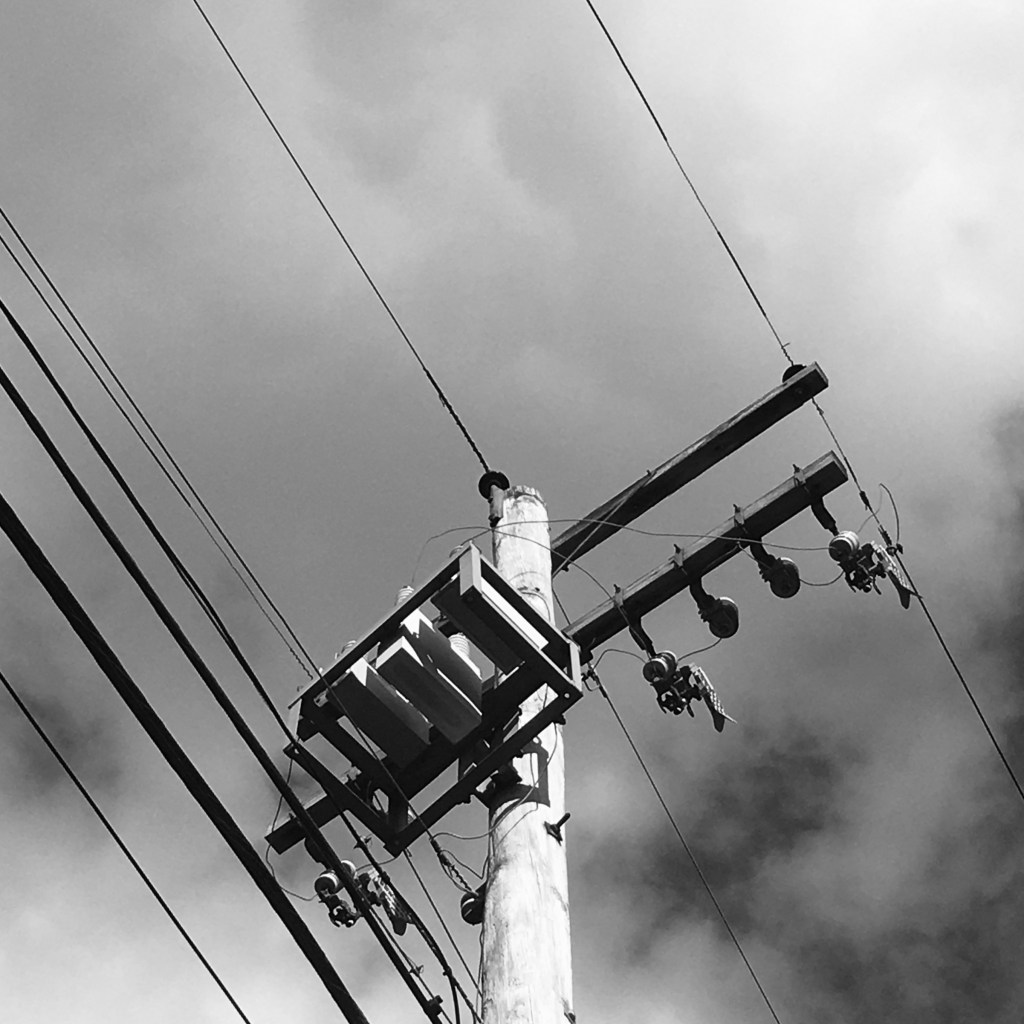
I took these photographs based on my impression of the Dusseldorf School of Photography. This style was founded by Bernd and Hilla Becher which in turn was inspired by the New Objectivity movement of the 1920s. This style could be expressed in its objective expression of its visual content, as well as its often industrial images. There was also inspiration which came out of the works of Marcel Duchamp’s often conceptual “readymades”. These were often industrial in style as well.
This style stands in contrast to the popular German style of Otto Steinert which is considered subjective. Otto considered his style more human and expressive (however both styles are inherently expressive from my point of view).
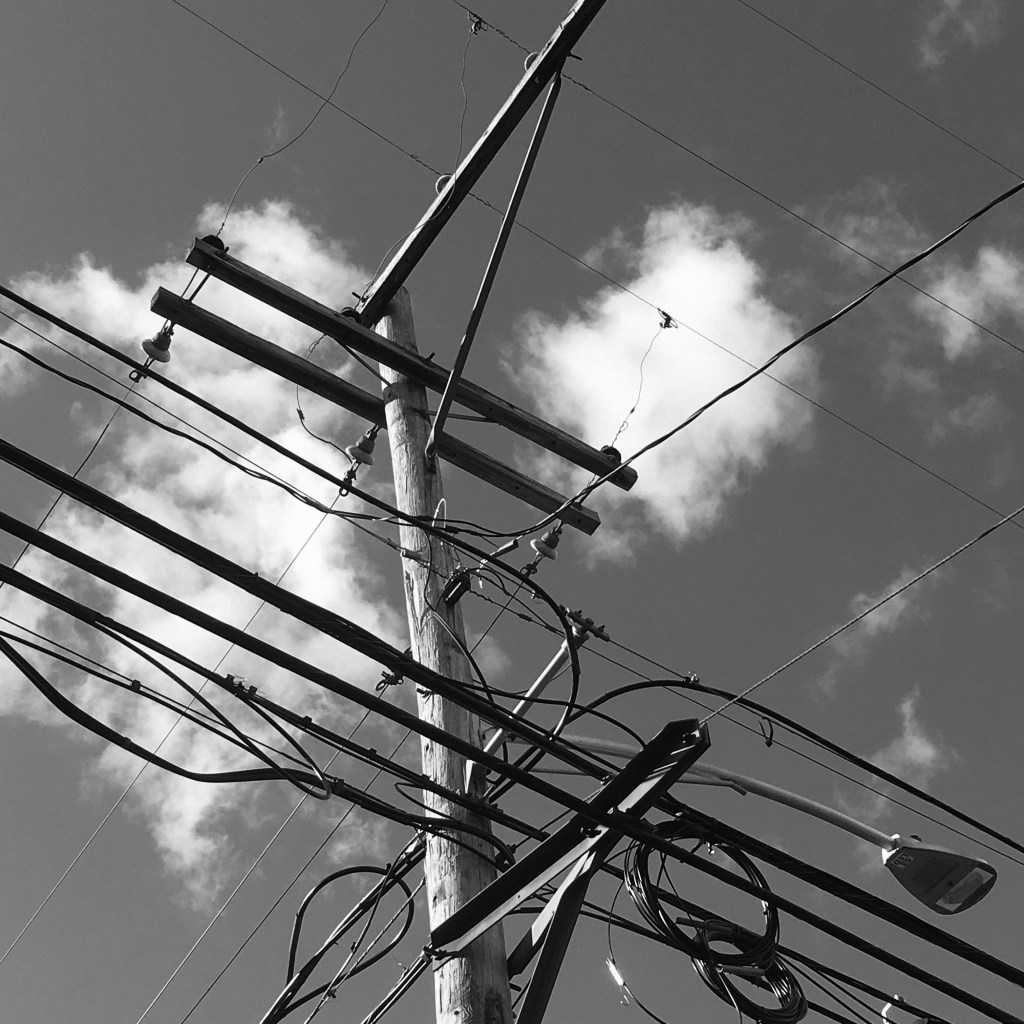
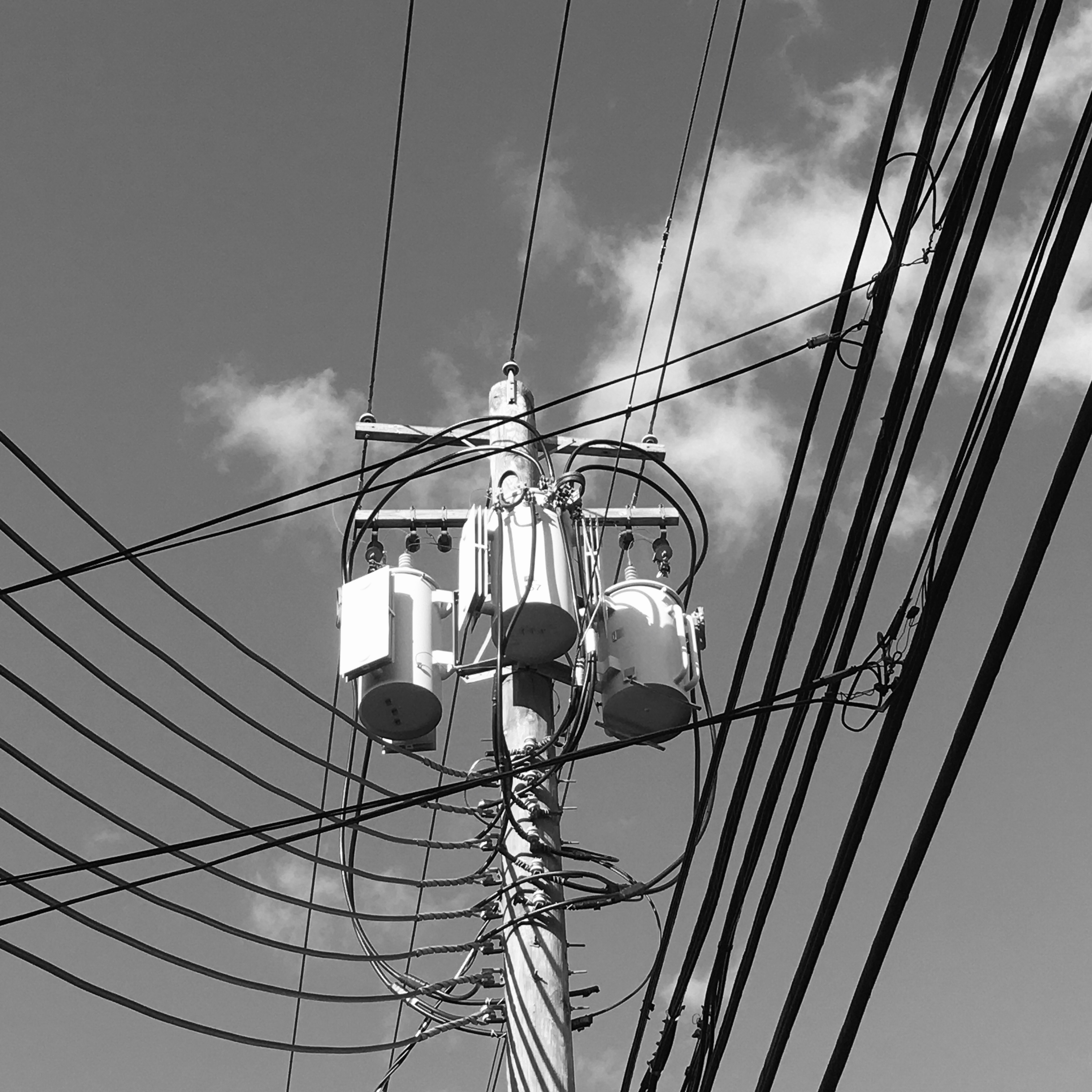
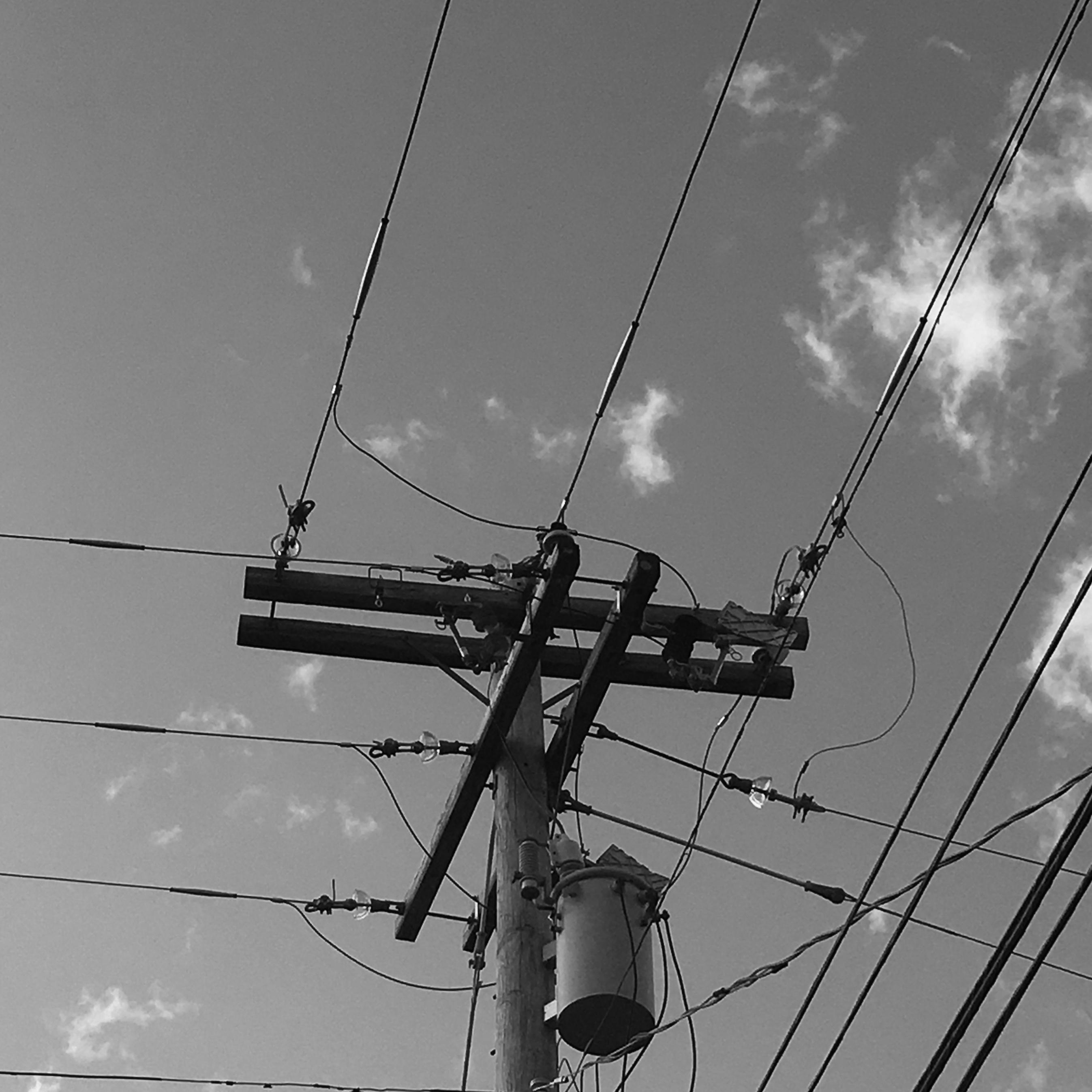
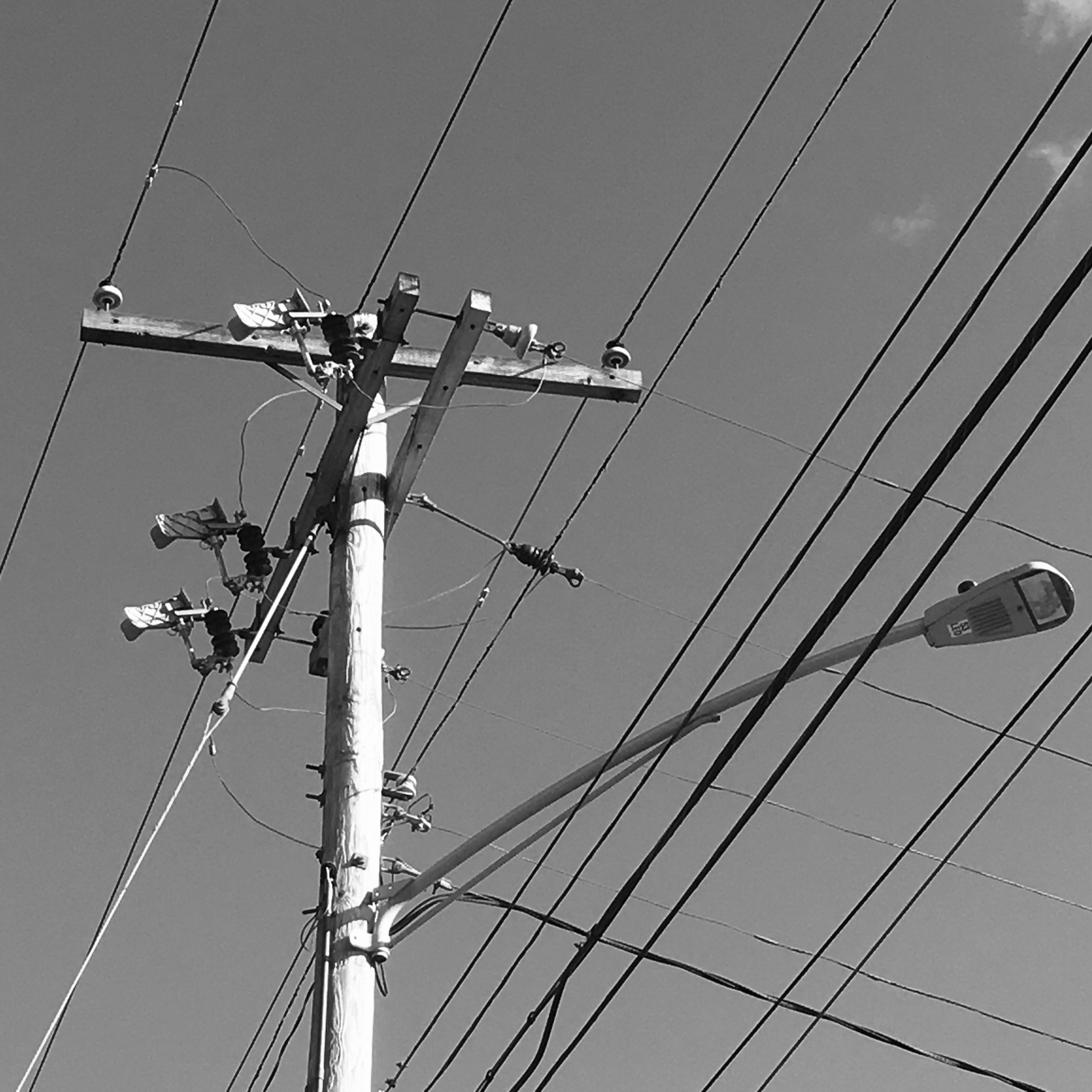
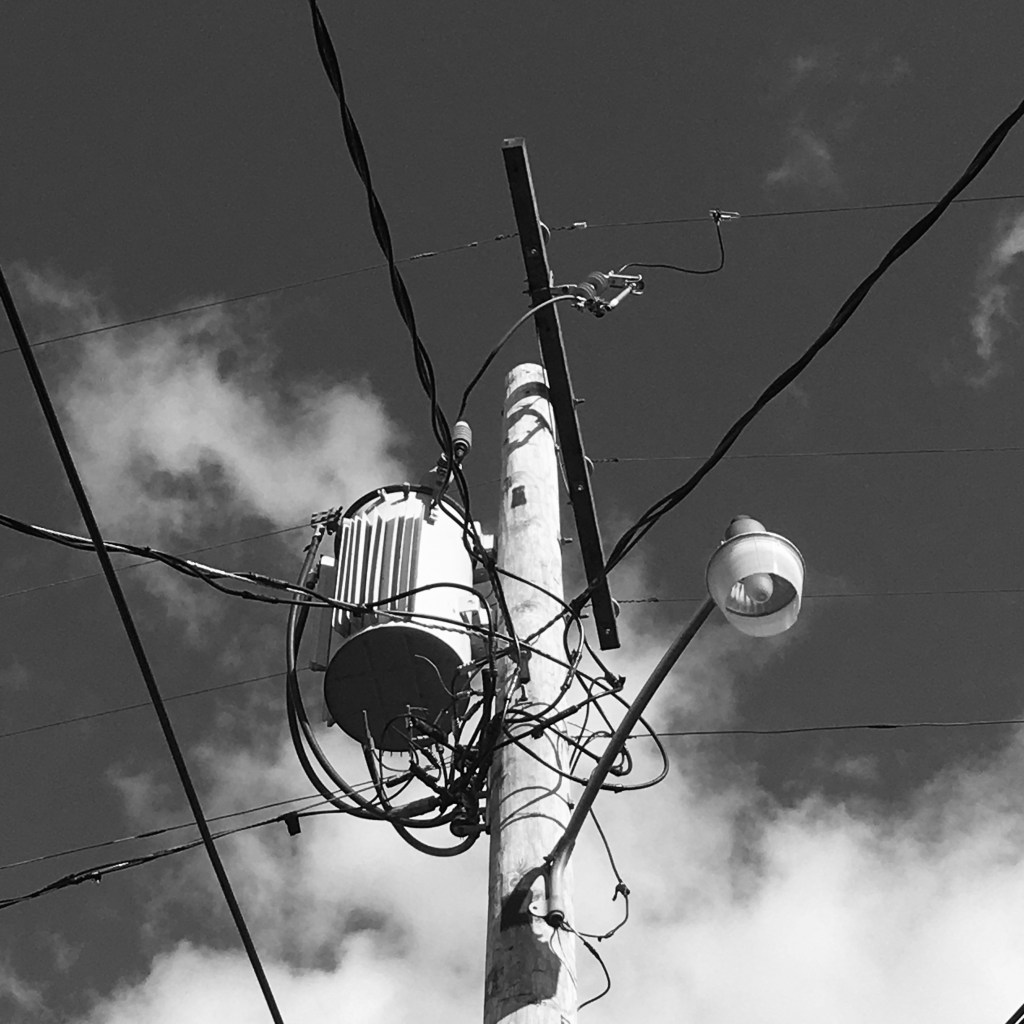
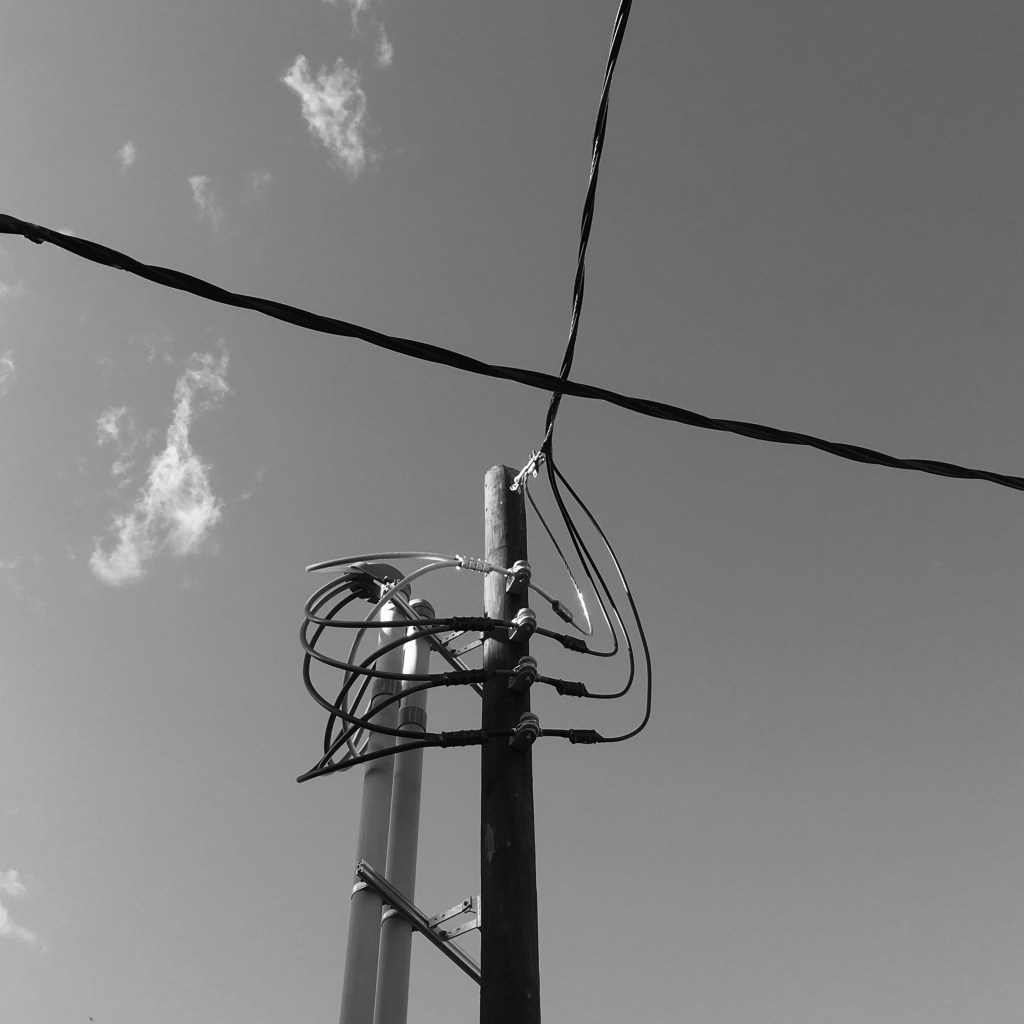
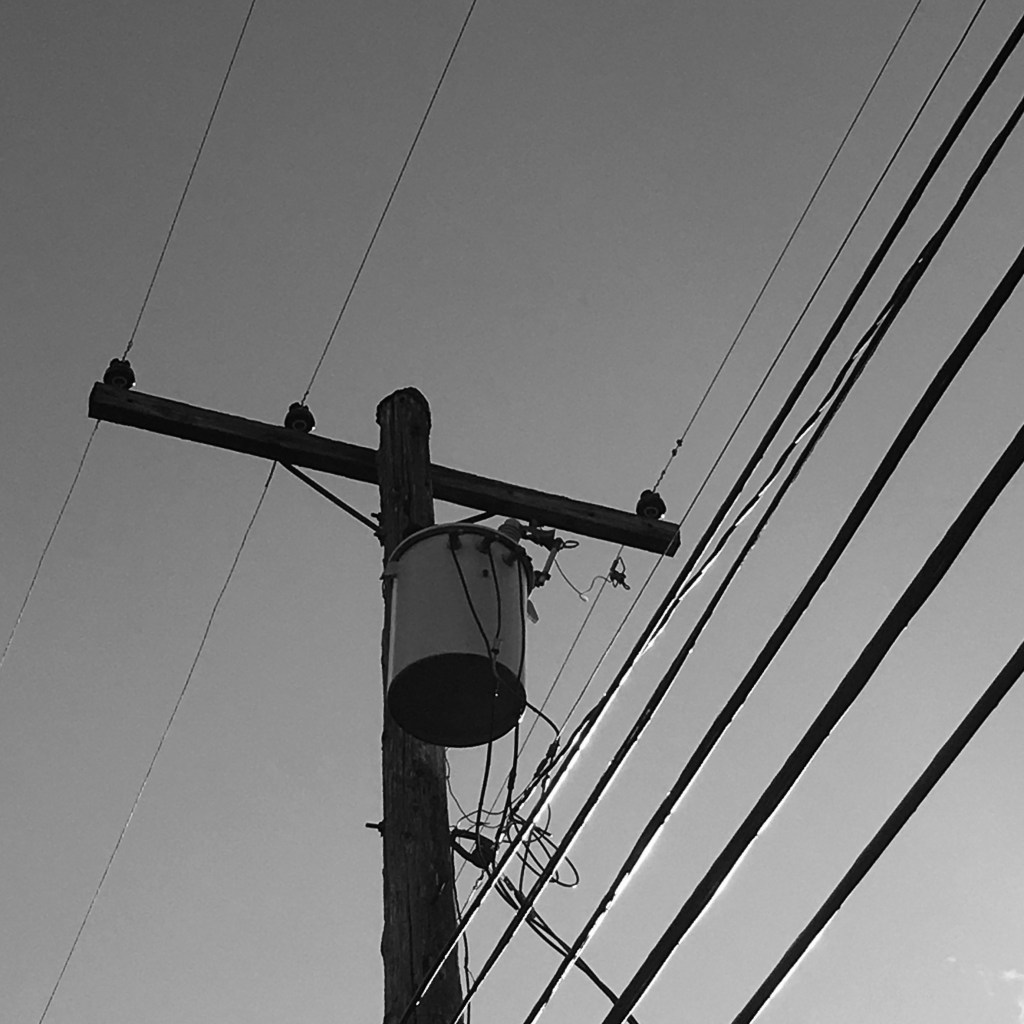
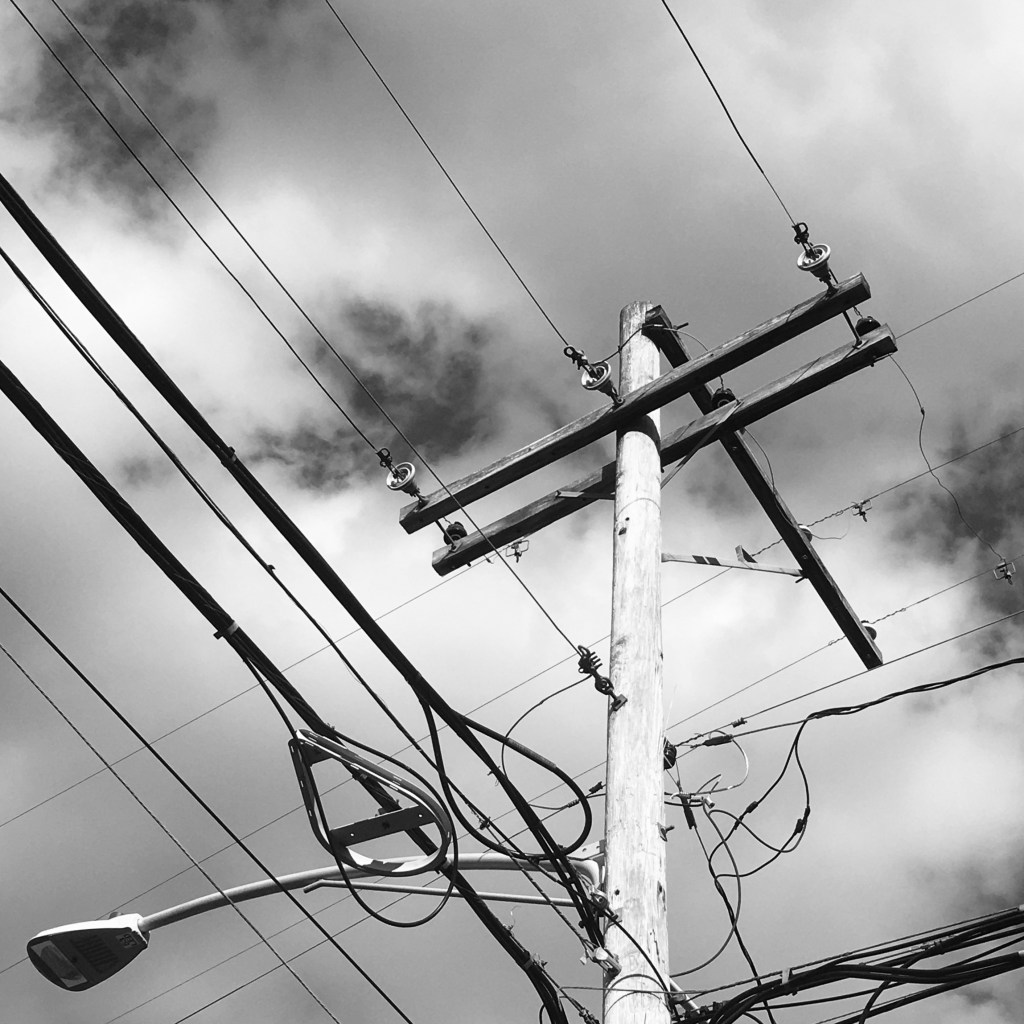
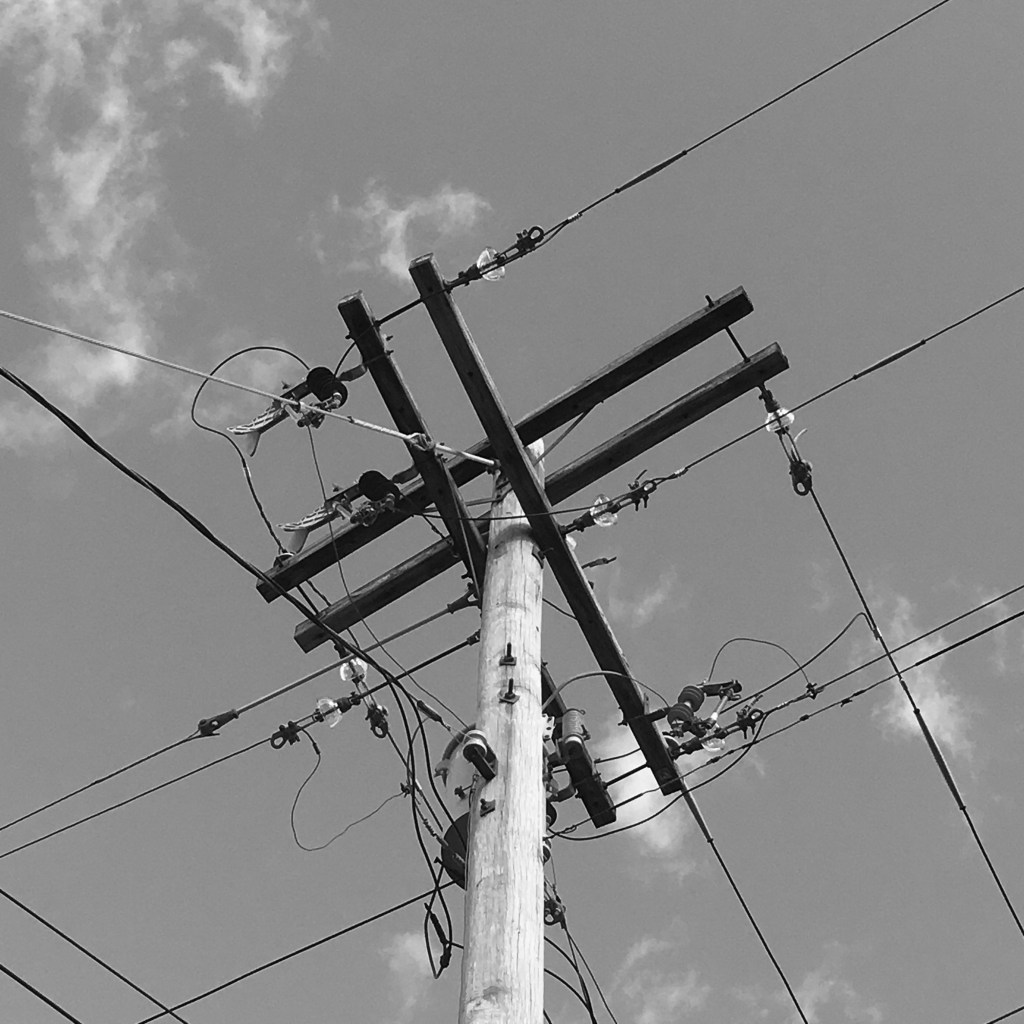
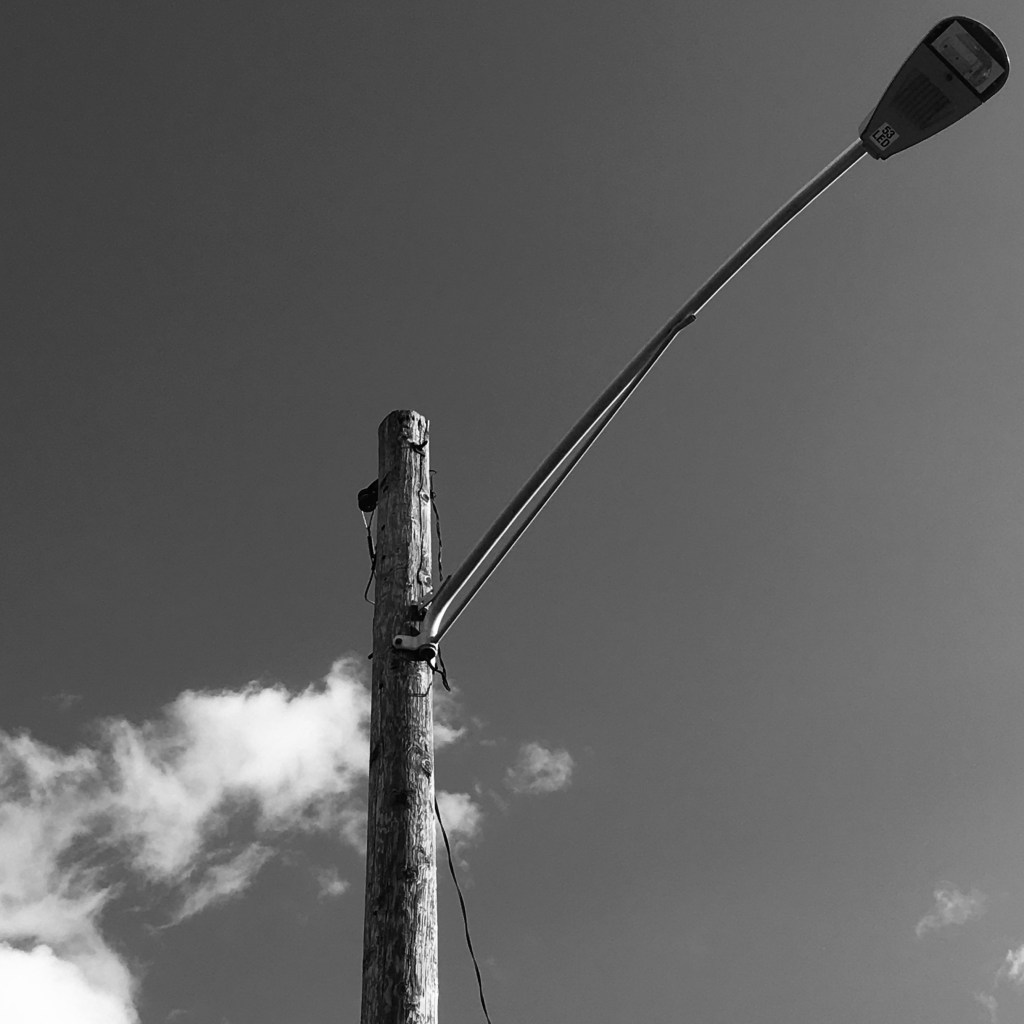
The photographs which I have taken intend on following suit with the layout, industrial content, and objective nature of the works previously associated with this movement. However rather than taking the shots “straight on” as often done by the Becher’s, I decided to take photos straight upwards. This is to reflect on the object’s place in its objective space.
I decided that it would be ideal to take the pictures in black and white. This is due to the fact that I thought the use of black and white would be able to provide a starkness to the images which would help exemplify the telephone polls utilitarianism. I figured that they were a straight forward object and because of this I wanted their visual representation to also be as blunt as possible.
I really enjoyed the subtle, and sometimes stark differences between the different telephone polls. I thought this was a nice similarity to the famous images taken by the Bechers of the water towers. One of my favorite aspects of photography is line, and so in my hunt to find a relative nod to the water towers, I decided on an object with more relatively straight lines. While walking I realized that telephone polls make for an interesting subject with regard to this penchant for straight lines. With these images I hoped to shine light on the interesting and unassuming qualities of the objects.
 PhotoChronologies