Ryan Kulka- Final Assignment

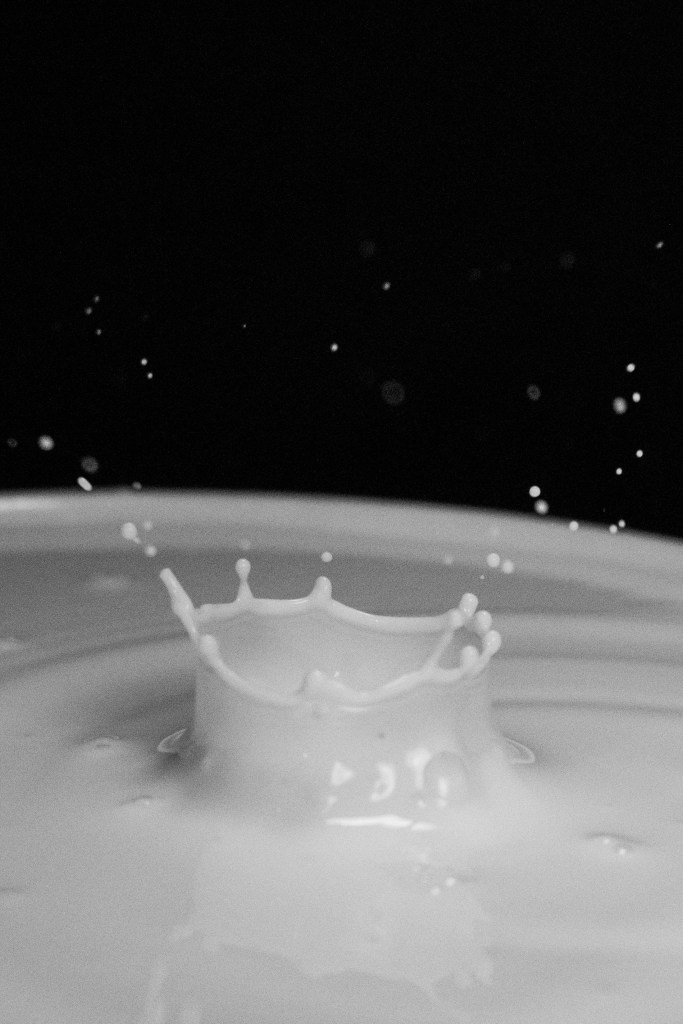
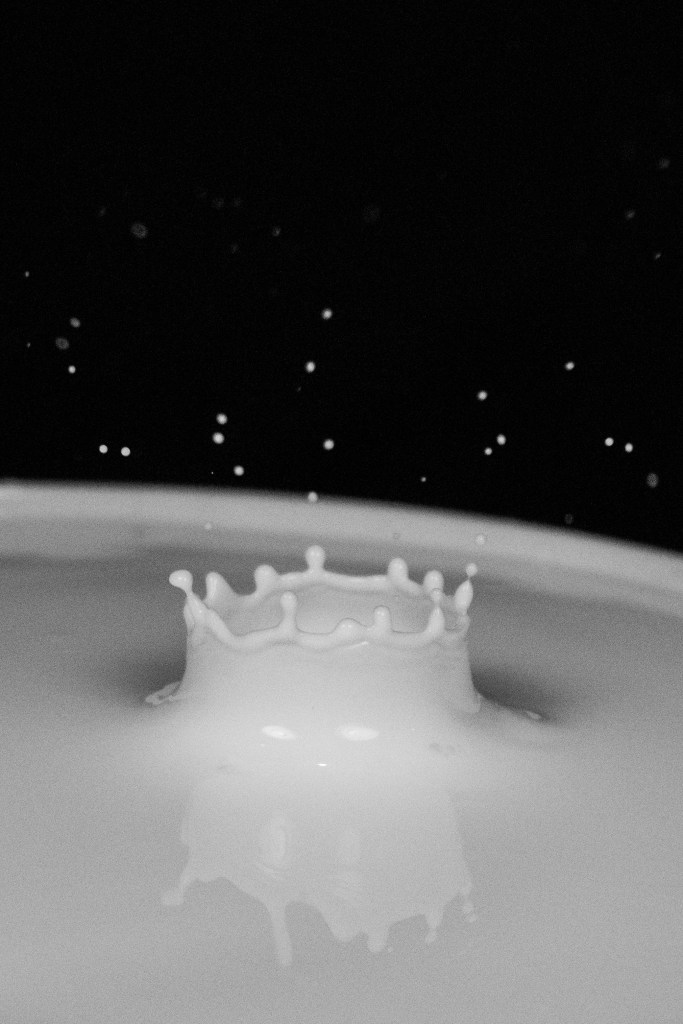
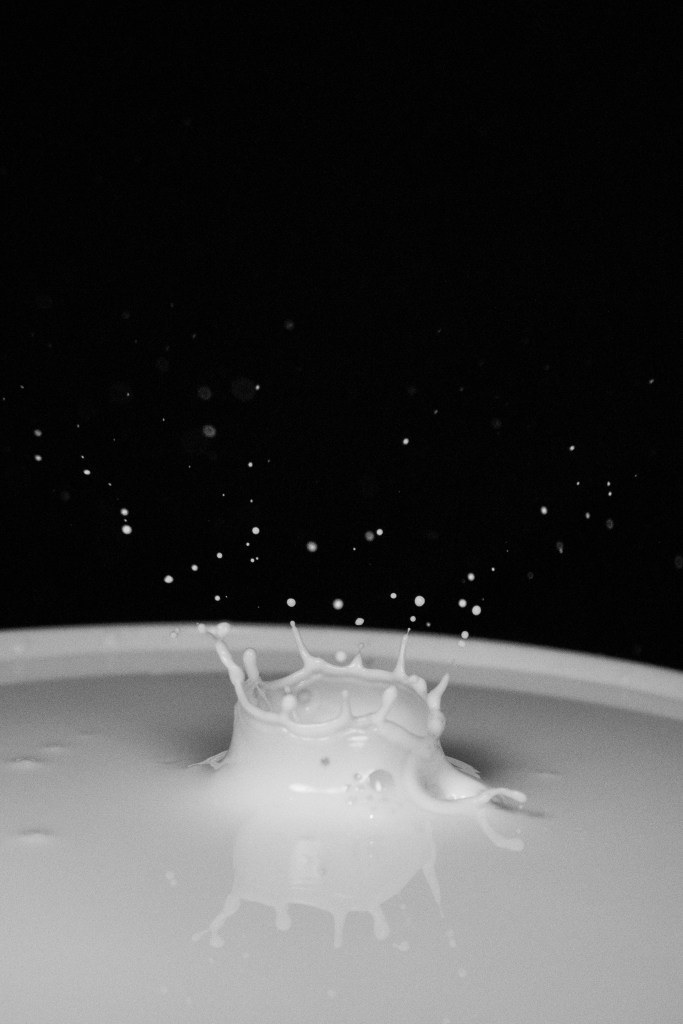
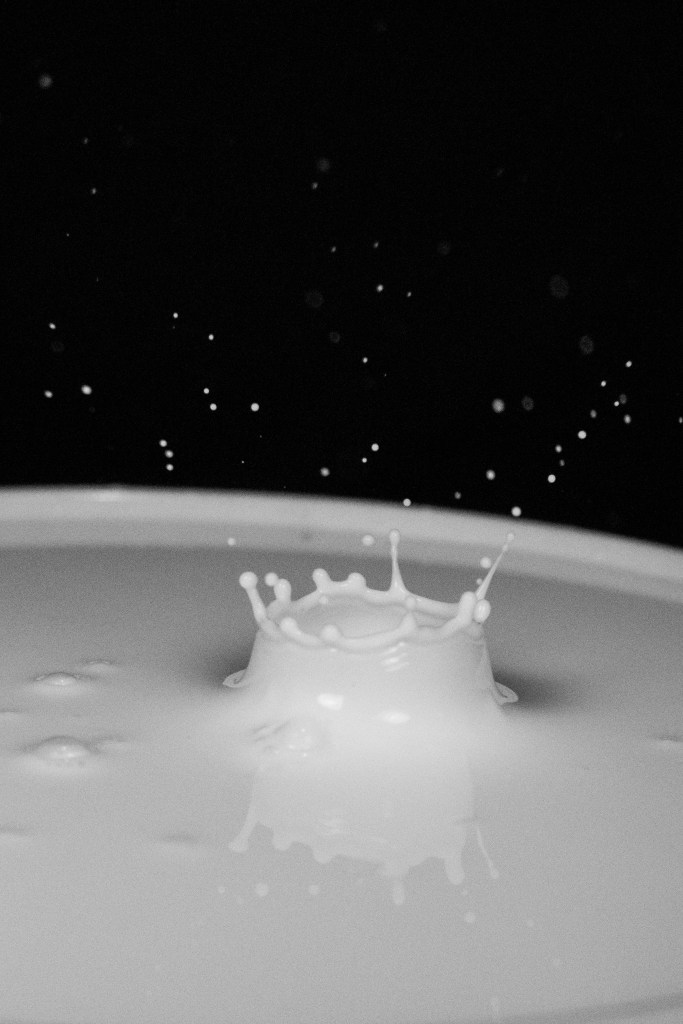
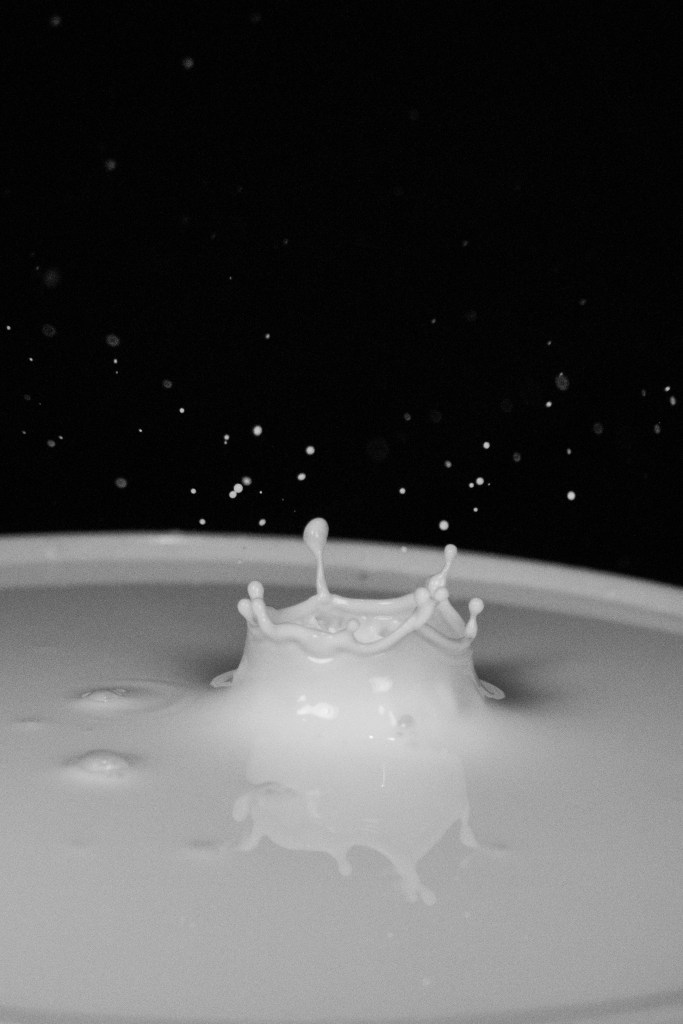
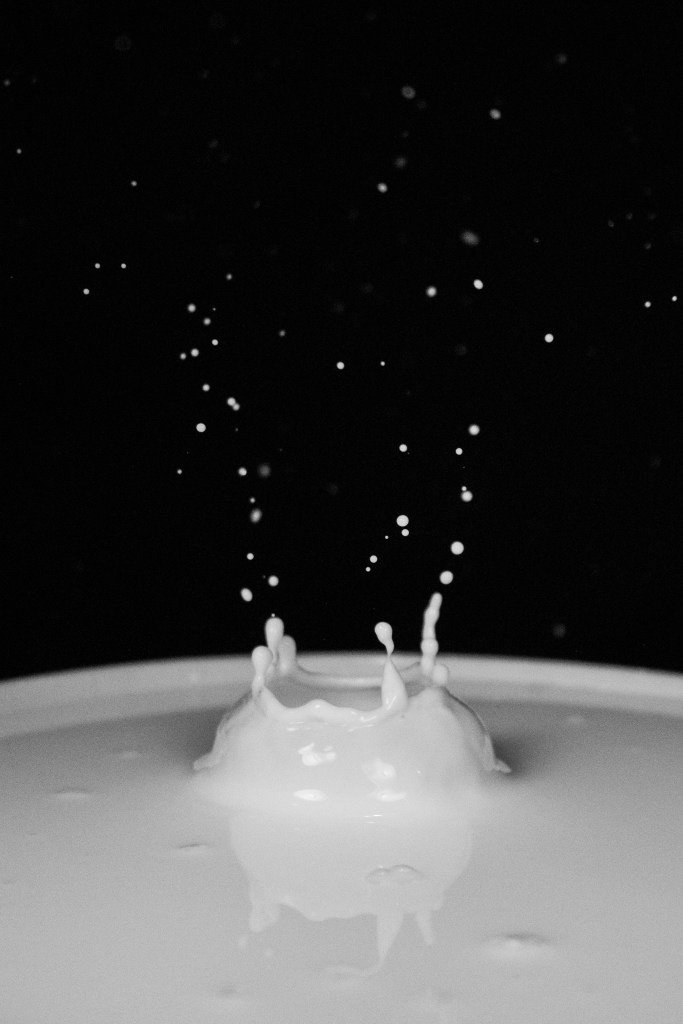
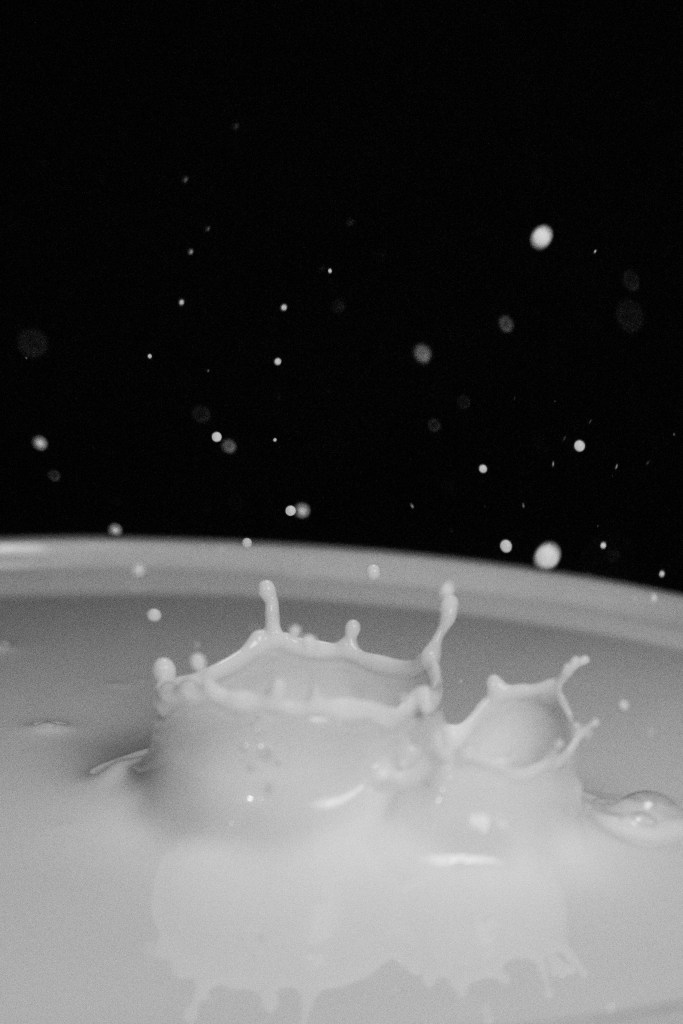
For my final assignment, I decided that I wanted to imitate a photograph taken by Harold Edgerton. Edgerton was born on April 6, 1903. He went to school at the University of Nebraska in 1925, where he became an electrical engineer and photographer. He is known for using high-speed shooting techniques which aided him in scientific uses. The photograph that I wanted to imitate of Edgerton’s is titled Drop of Milk Splashing into a Saucer of Milk, and it was taken in 1936. The photograph shows exactly what the title describes. The saucer is placed in front of a black background.
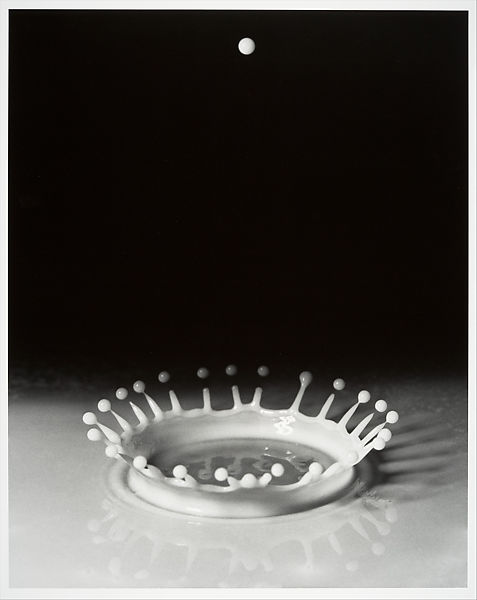
Drop of Milk Splashing into a Saucer of Milk, Harold Edgerton

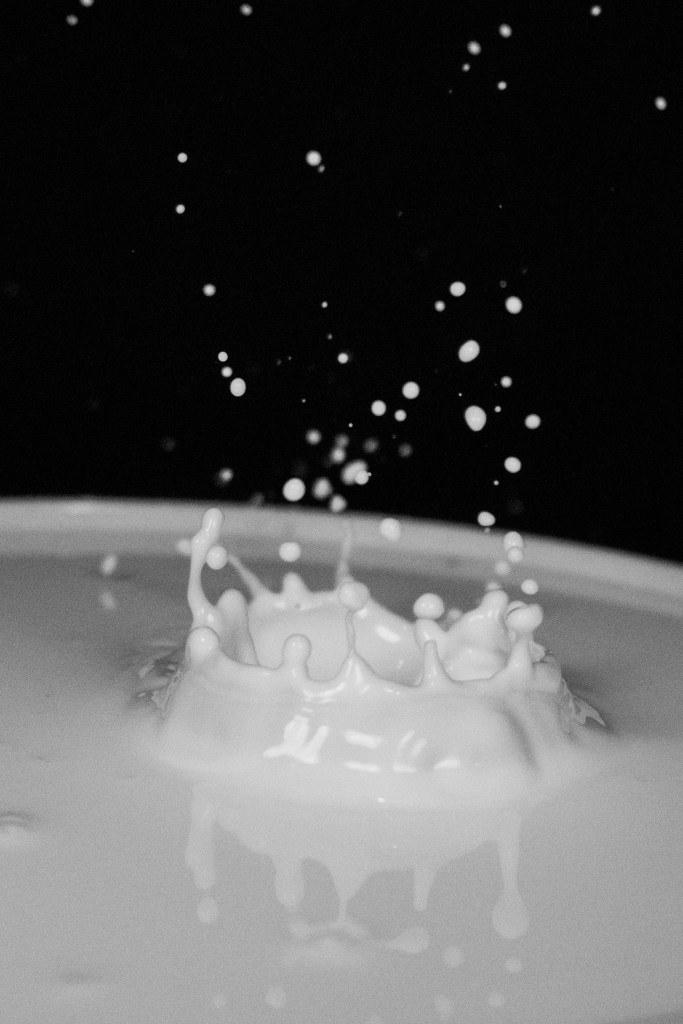
For my imitations, I got a white shallow plate from my kitchen and set it on a stool. Due to the fact that I do not have professional lights or backgrounds at home, I had to improvise. I use 3 lights that I could point toward the plate. I set one on top, the right side, and the left. From here, I found a black t-shirt that I hung in the background. I then had my little sister stand on a tall stool and use a stray to drop a singular drop of milk into the saucer. This causes the same effect that Edgerton used! My camera settings were set to be the same for every picture: ISO 2000 (which I wish wasn’t so high but was working with what I have at home), shutter speed 1/8000, and f/ 4.5. Although it was definitely hard to set up with minimal resources, I think my photos have a very similar look what Edgerton developed. I decided to keep the splashes of milk that went up into the black because it gives the photos an almost “space” look. It almost makes you wonder if the photo was taken on the moon! Overall, I am happy with how these photos turned out. I think that keeping the specks of water really helps to bring my own creative touch on the photos.One thing that I would do differently if I had the resources would be to have a brighter light on the saucer. Having a brighter light would help to combat the high ISO causing a slight grainy look.
Ryan Kulka- Assignment 4

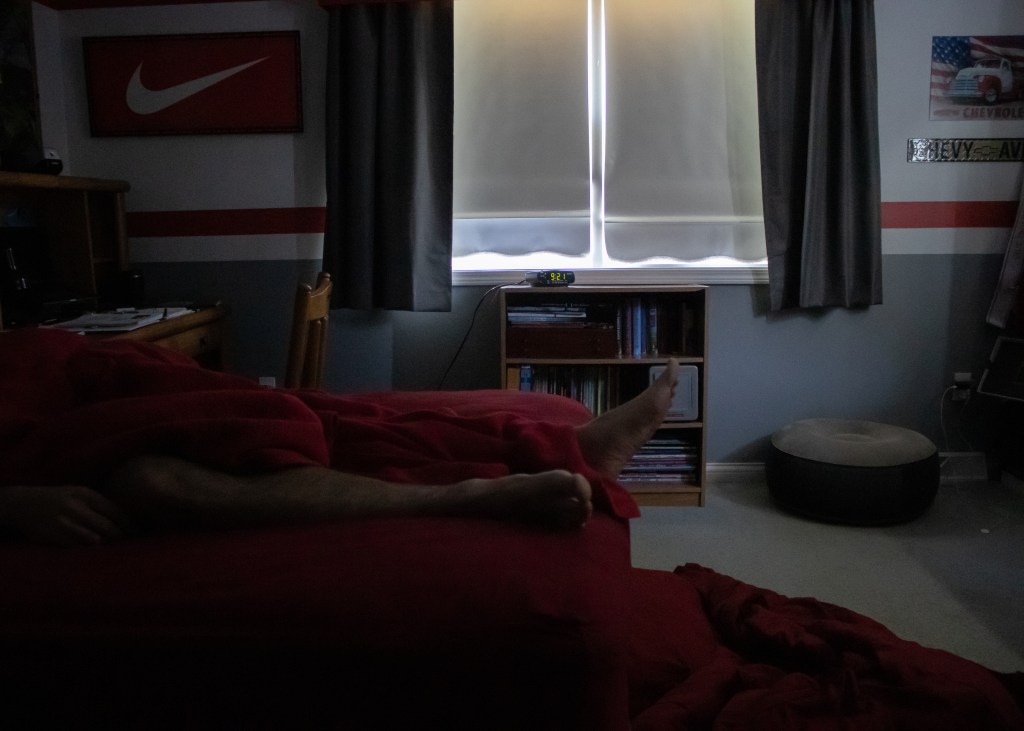
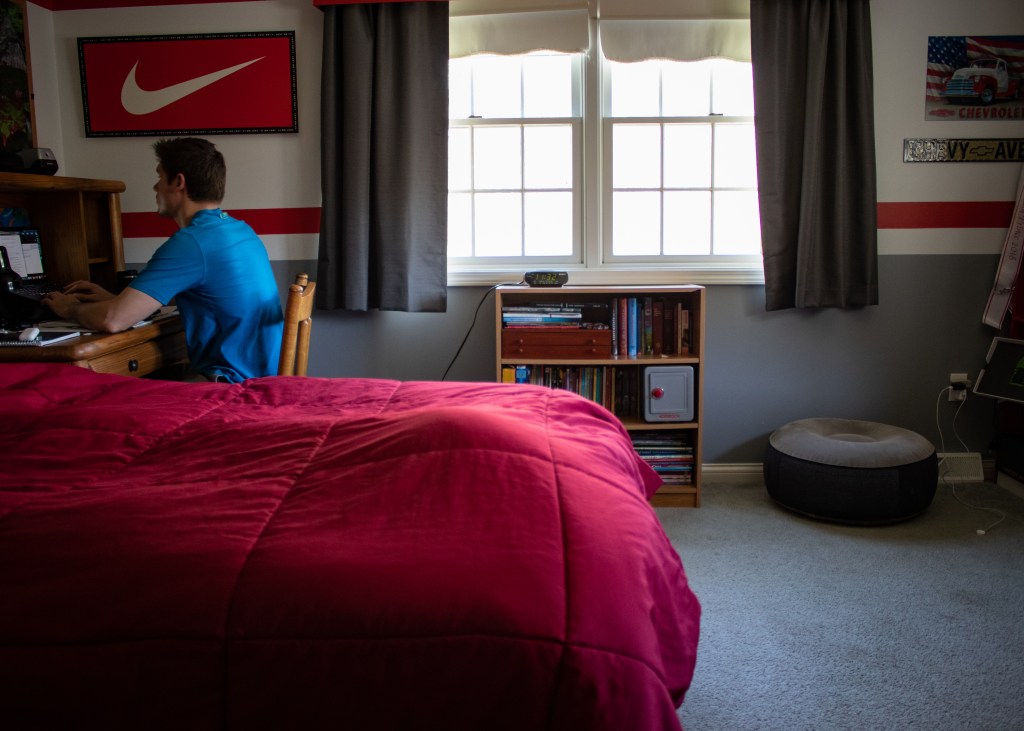
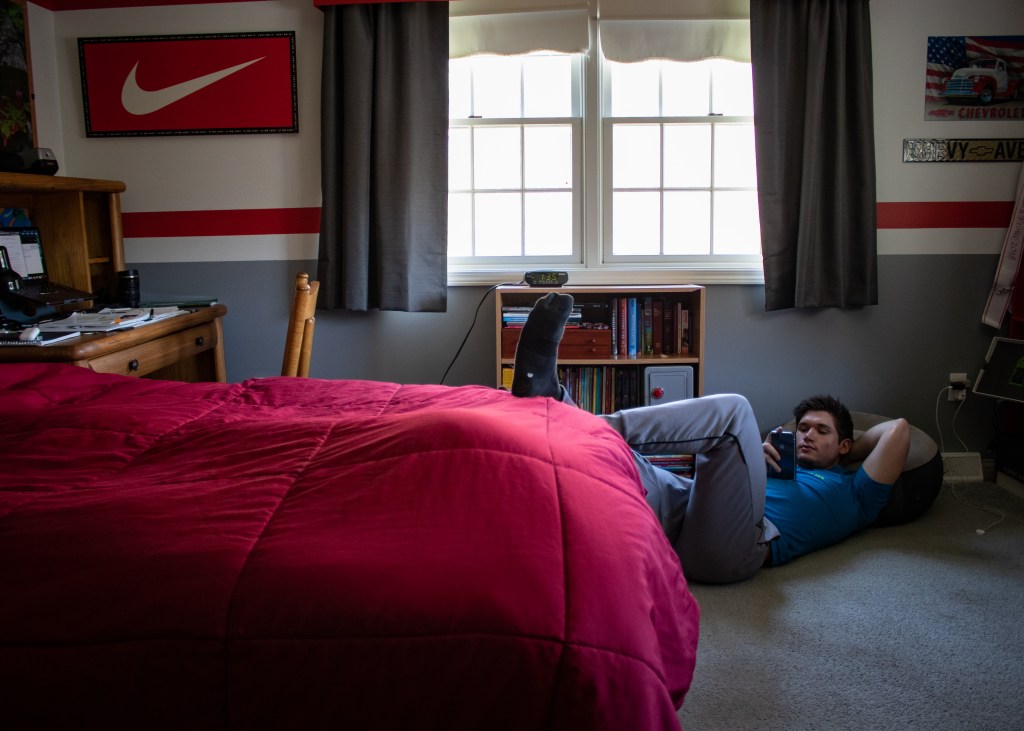
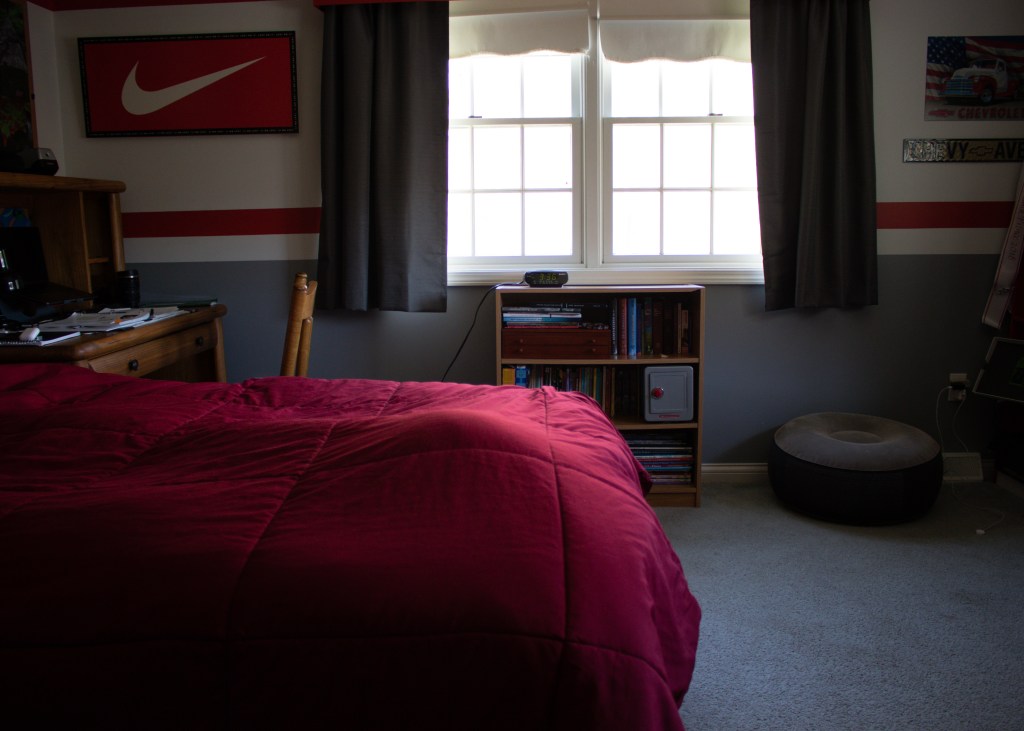
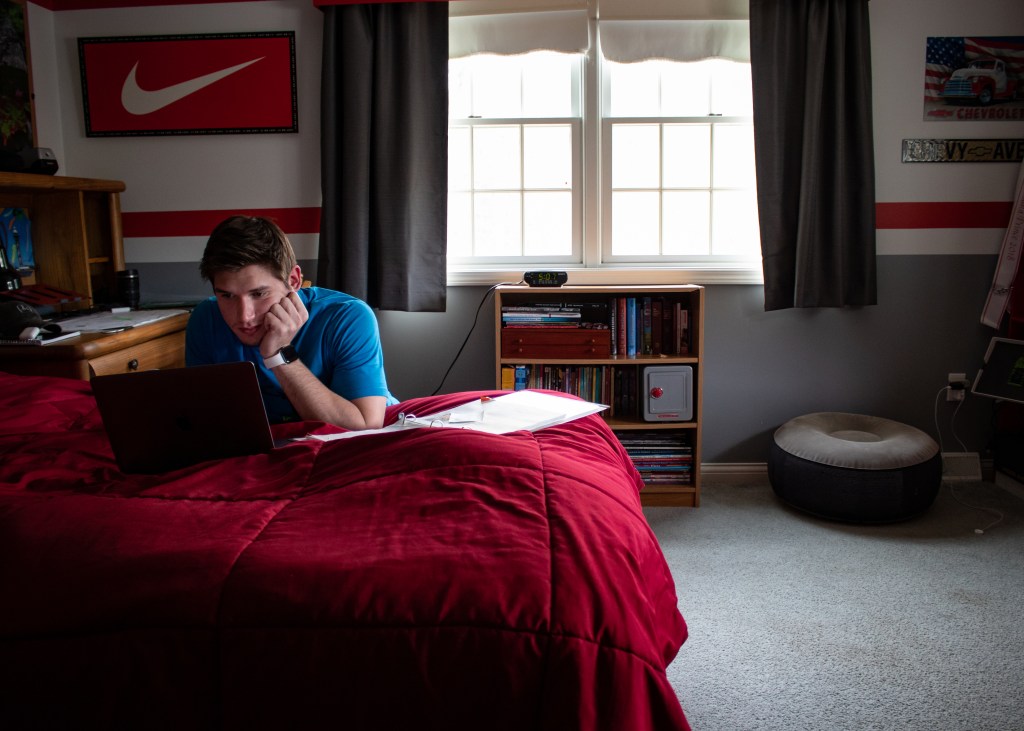
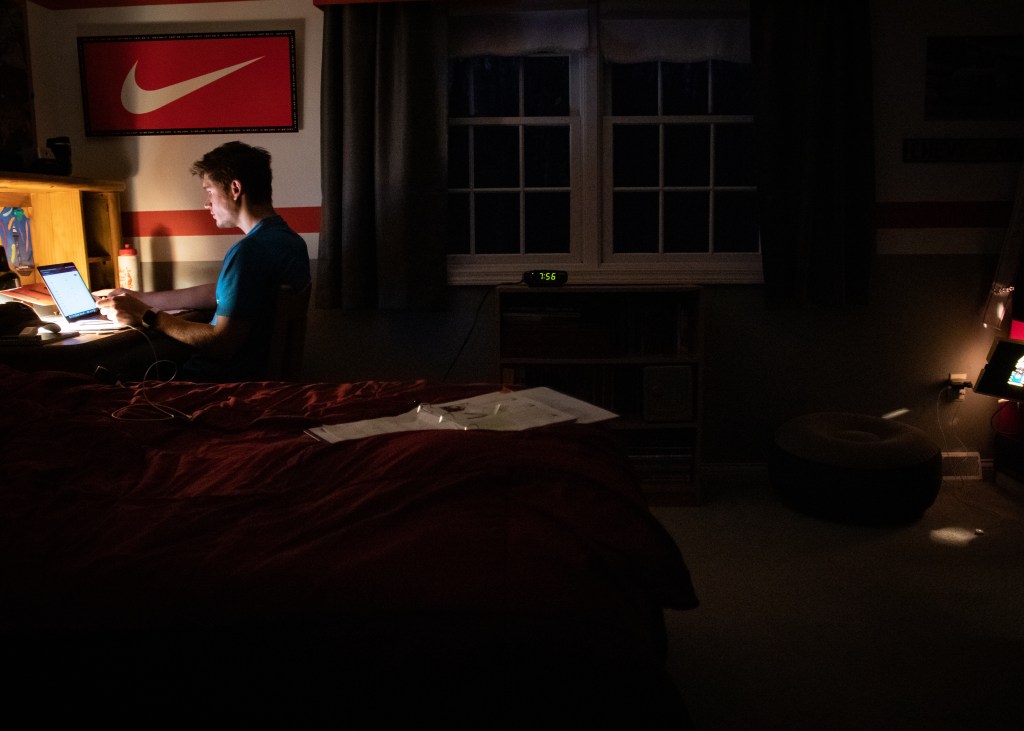
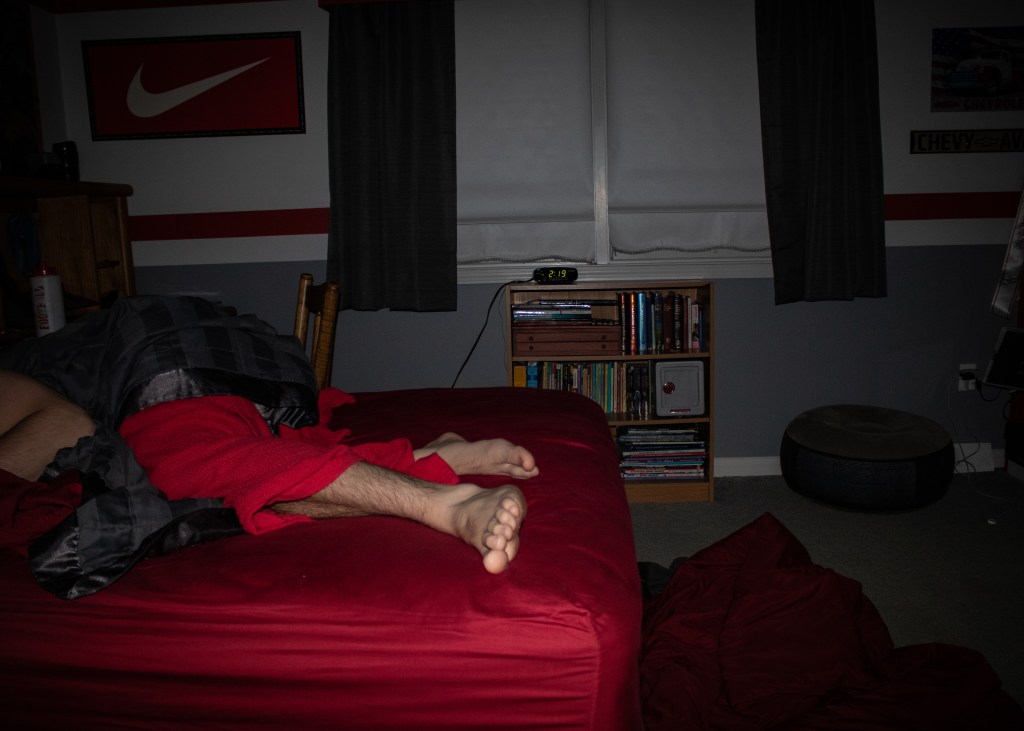
During my thought process for this project, I wanted to really show what being stuck at home is like. I wanted to show how the days all seem to blend together and the same thing happens everyday. I really liked the idea of keeping every photo similar to one another. While my family did not want to be photographed, I knew that I wanted to work with myself. With that being said, I have been spending a lot of time to myself in my room. Being confined in my room has made me realize how much time I really spend alone away from my family. With this being said, I decided to set my camera up in one spot in my room and did not move it for the entire day. I took photos of myself every couple hours throughout the day to show how quarantine has affected my daily life. To show the time passing, I used the different light from the windows. I also used the alarm clock in the center of each photo to display the day passing by.

Ryan Kulka, Assignment 3

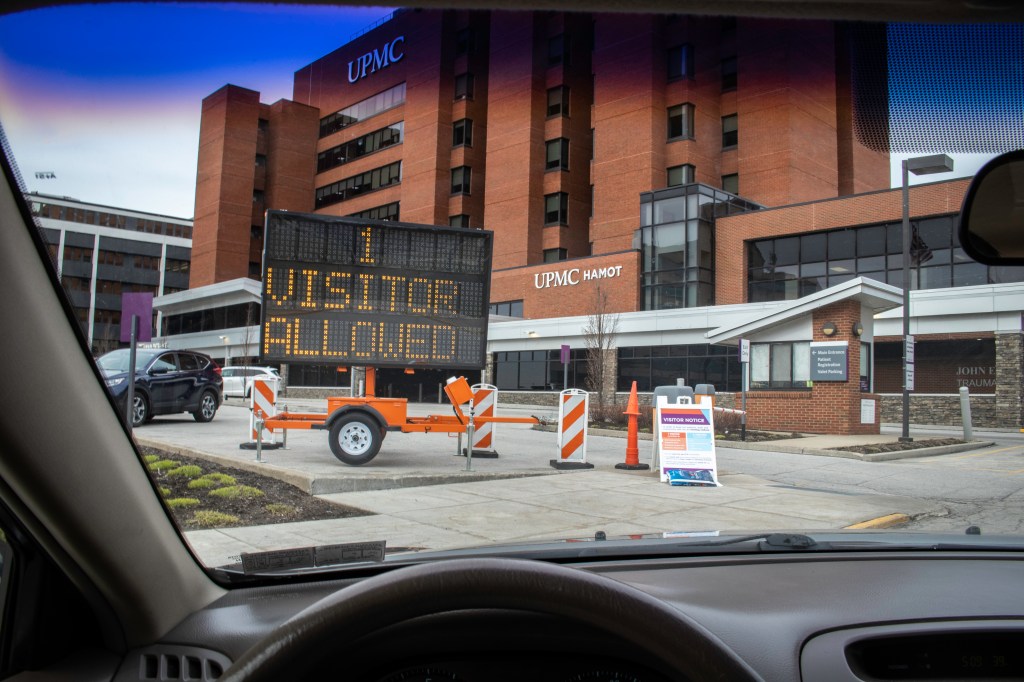
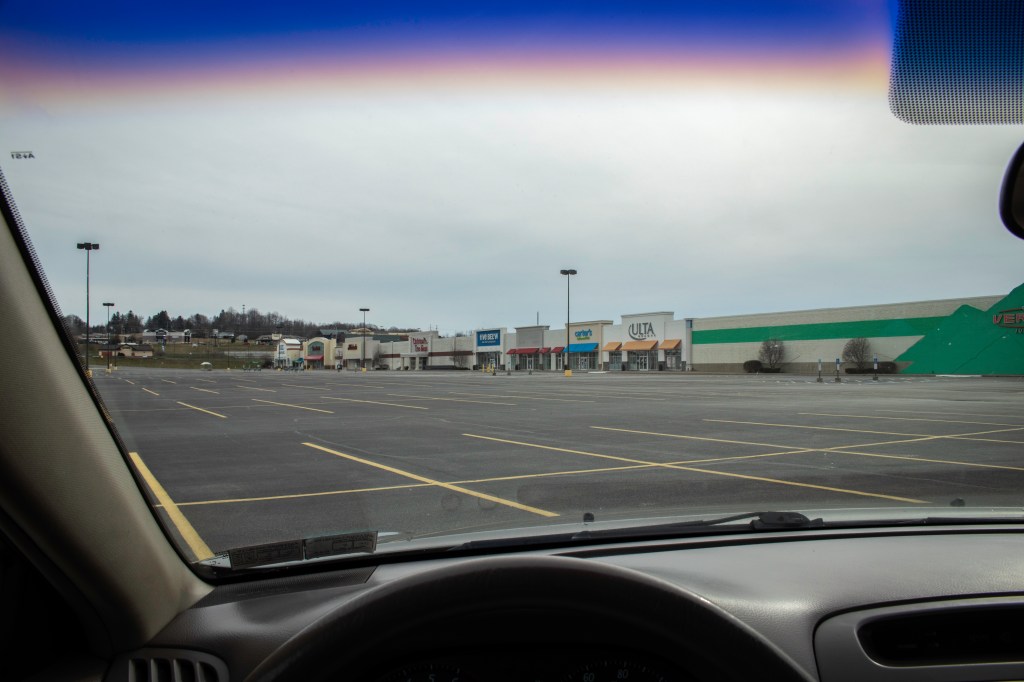
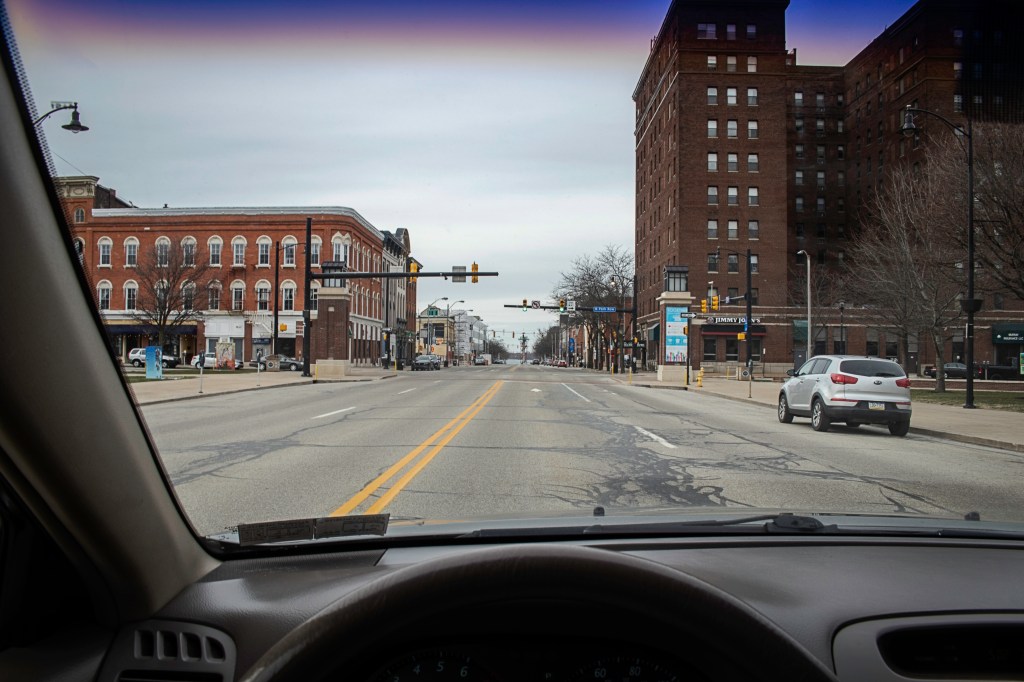
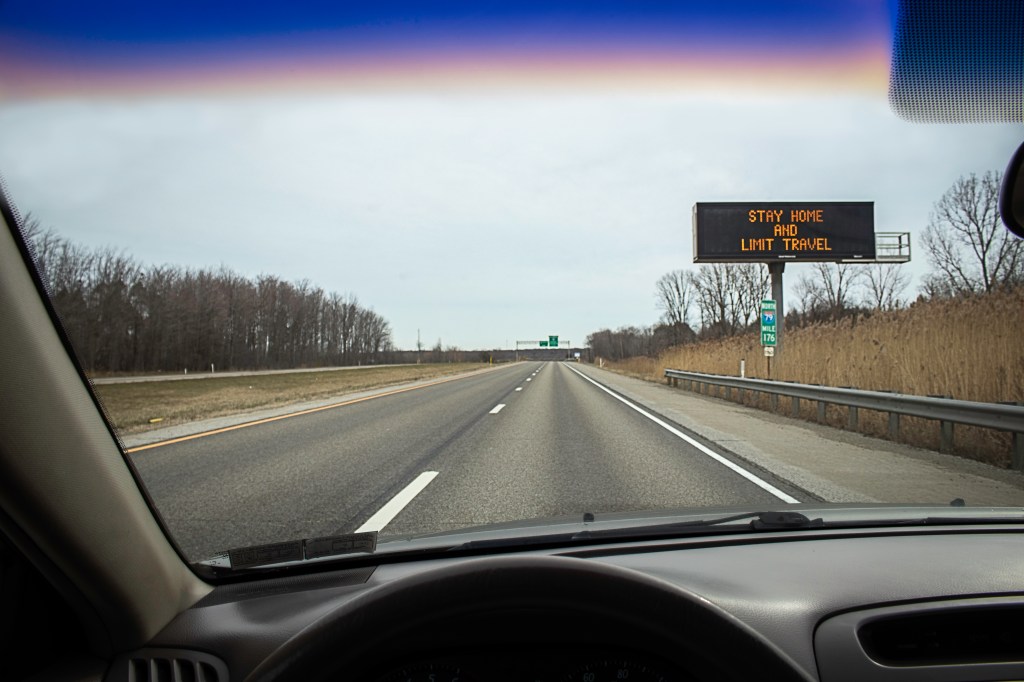
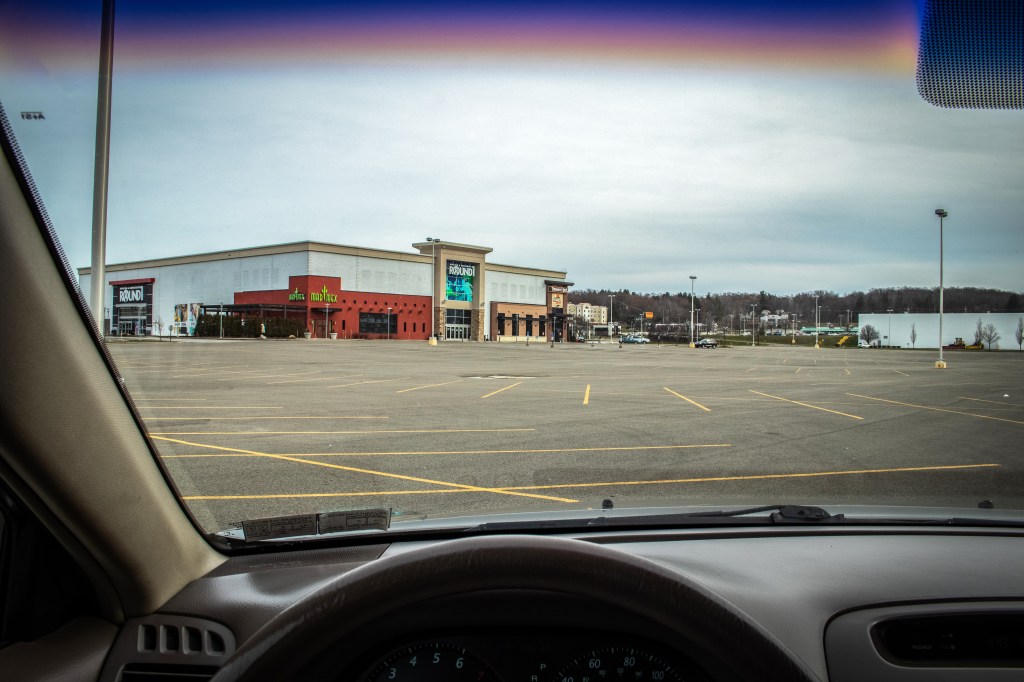
For this assignment, I decided I wanted to take on the approach of going out and showing what my experience of everything that is happening with COVID 19. I wanted to go out and drive around to really truly experience what is happening in my area. I decided to drive into Erie, PA. What I experienced was interesting. A large amount of absence. Absence in people, cars, and businesses. It felt like I was in a movie almost. Everywhere I looked it was like I was living in a picture. It seemed as if time wasn’t moving, and there was no one in town. I was the only car in the streets and I think I saw one person on a sidewalk. This made me feel hopeless in a way. I worry for our future because every time I look at the news I just get an overwhelming feeling of concern. With all of this being said, I wanted to express my general feeling of fear by showing how I did not want to get out of my car. Therefore my images are shot through my windshield.

Ryan Kulka- Assignment Two

Walker Evans

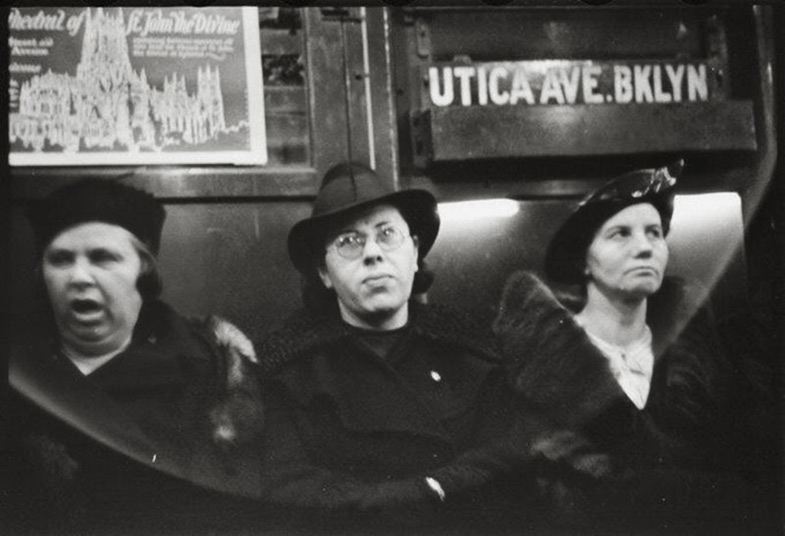
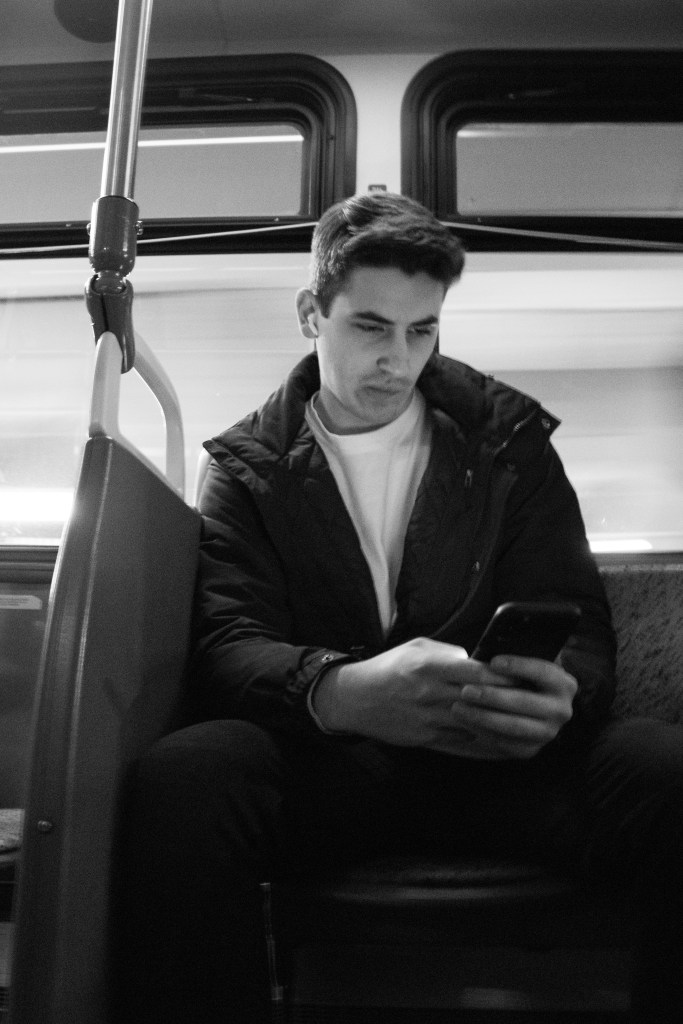
For this assignment, I chose to imitate the photo style of Walker Evans. Evans did a series of photographs where he had a hidden camera in his jacket that he took photos of people on the subway with. He did this in a way that they would never know their photo was being taken, and he could capture raw emotion. The photo that I am wanted to imitate was taken between the period of 1938-1942. This was in the earlier period of the years we were assigned for this week.

Walter Evans original photo

My Imitations:

Favorite Interpretation

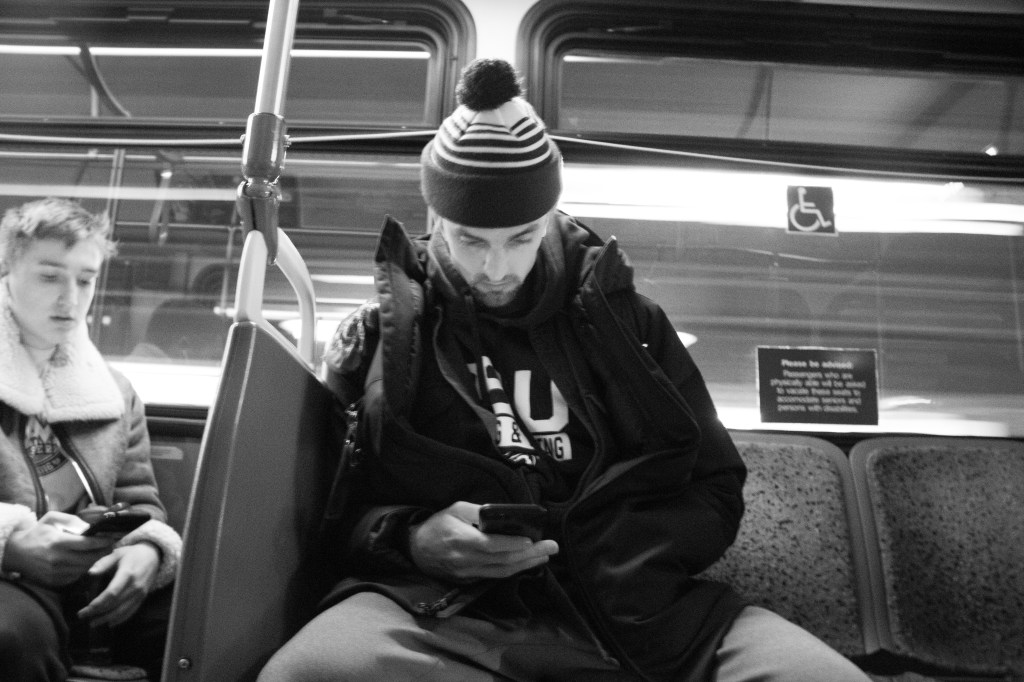
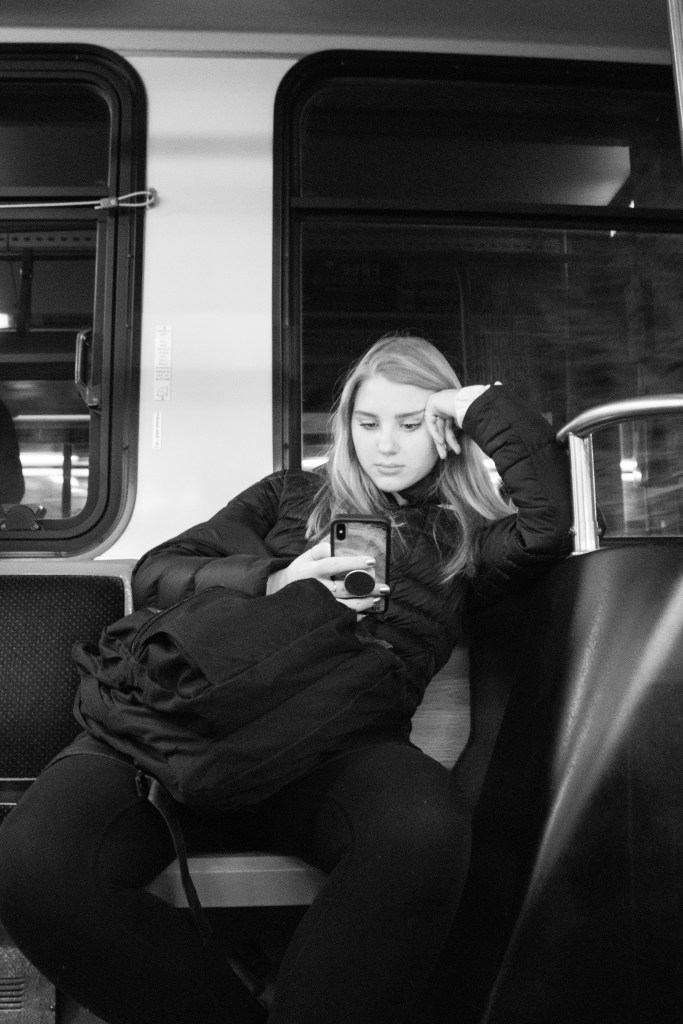
In order to achieve this style of the commuter not knowing I was photographing them, I held my camera in my lap and shot up at them. I rode the bus around campus in order to get the right shot. I shot at 0.5 sec in order to get the motion blur in the windows. Making this photo black and white really makes it seem like its an older photo, but the subject and the other passenger having cellphones show that it is a modern take on Evans work. Overall, this is the best photo because it shows what people really do on the bus and how they have their emotions. Their emotions are now on the screen rather than on their face. I am most happy with this photo.

I really like these photos too, I think that these subjects really show their emotions while they’re on their commute, I just think the first shot matches Evans style more. There are also more people in the other shot. I like these ones because the subjects are showing emotions on their faces too. It is crazy how everyone just sits on their phone in silence on the bus now.

Ryan Kulka Assignment 1

August Sander:

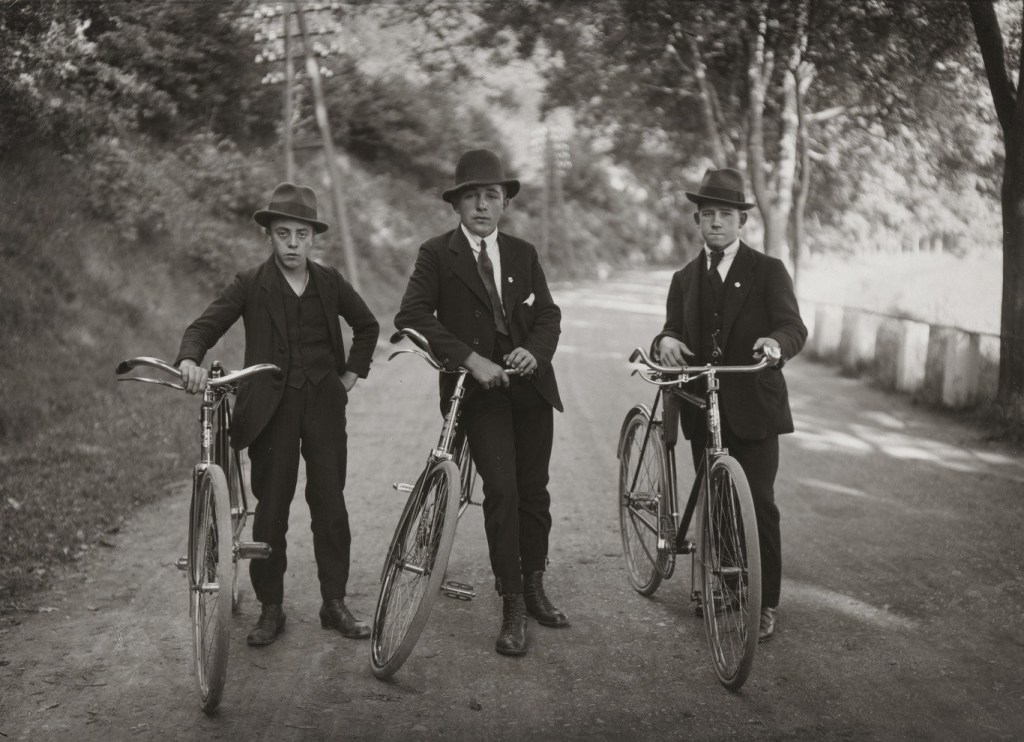
In this assignment, we were instructed to start with a photograph from the 1920-1940s. In this time period, I found one of August Sander’s photographs. I felt inspired the more that I looked at his work. I have always enjoyed taking portraits and that is what a lot of Sander’s work consisted of. The photo that I was inspired by was titled “Young Farmers” and was taken in 1926. Sander was a German photographer who lived from 1876-1964.

August Sander: Young Farmers 1926

My Interpretation:

My Strongest Photograph for this Shoot

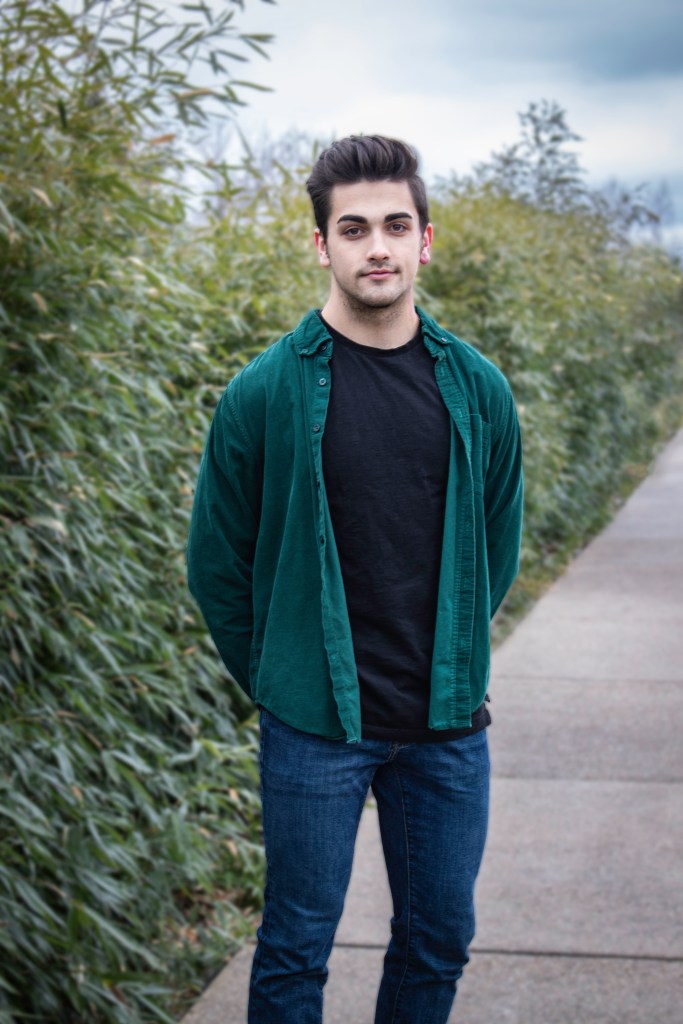
When taking this photograph, I knew in order to achieve the same style as Sander I needed to have the background out of focus. In oder to achieve this, I opened the aperture as much as possible, which on my lens is 3.5. I wanted my subject to have a very bland expression on his face because many of Sanders subjects were not smiling in their photographs. I chose to not make my photograph black and white because I like my photographs to have color more than not.

Other Interpretations:

These photos were still inspired by Sander’s work, and I personally like the one on the left the best out of all of these images. Although, I do not think that it fits his style as well as the one I chose. I made the background out of focus in these images and really focused on my subject, but I think the facial expressions do not match the photographs that Sander would have taken back in his time.