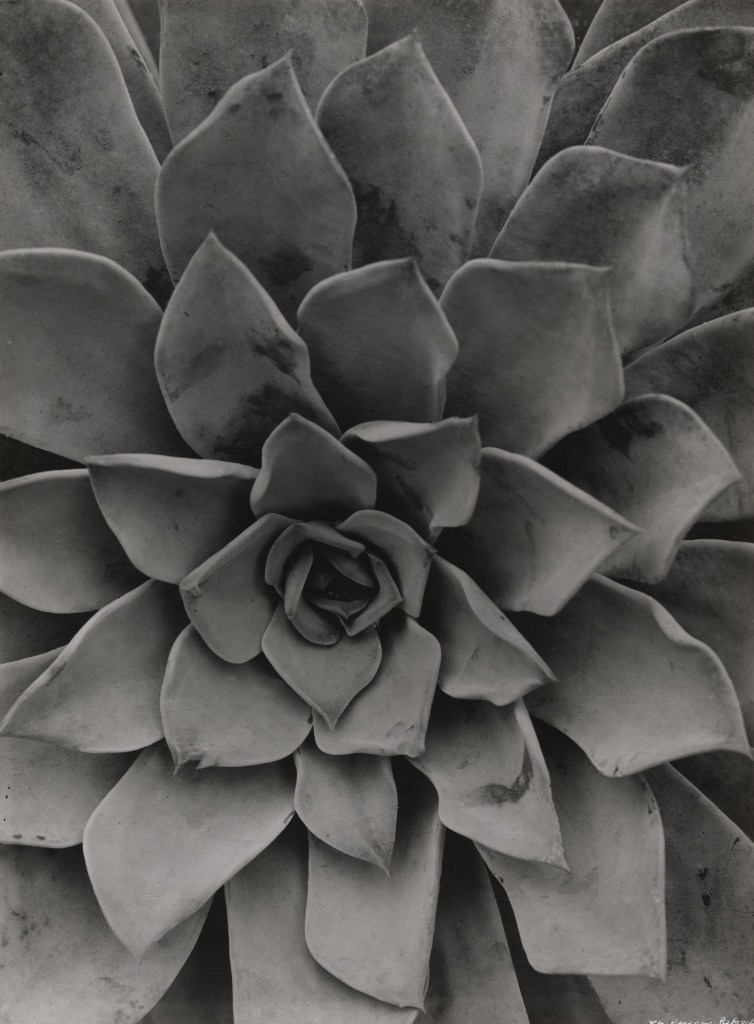
The photographer I’ve chosen to base my photos off is Albert Renger-Patzsch, he was a German photographer during the 1920s. This is the photo that I have chosen to imitate, it’s called Echeveria it’s a Gelatin silver print and it was photographed in 1922.
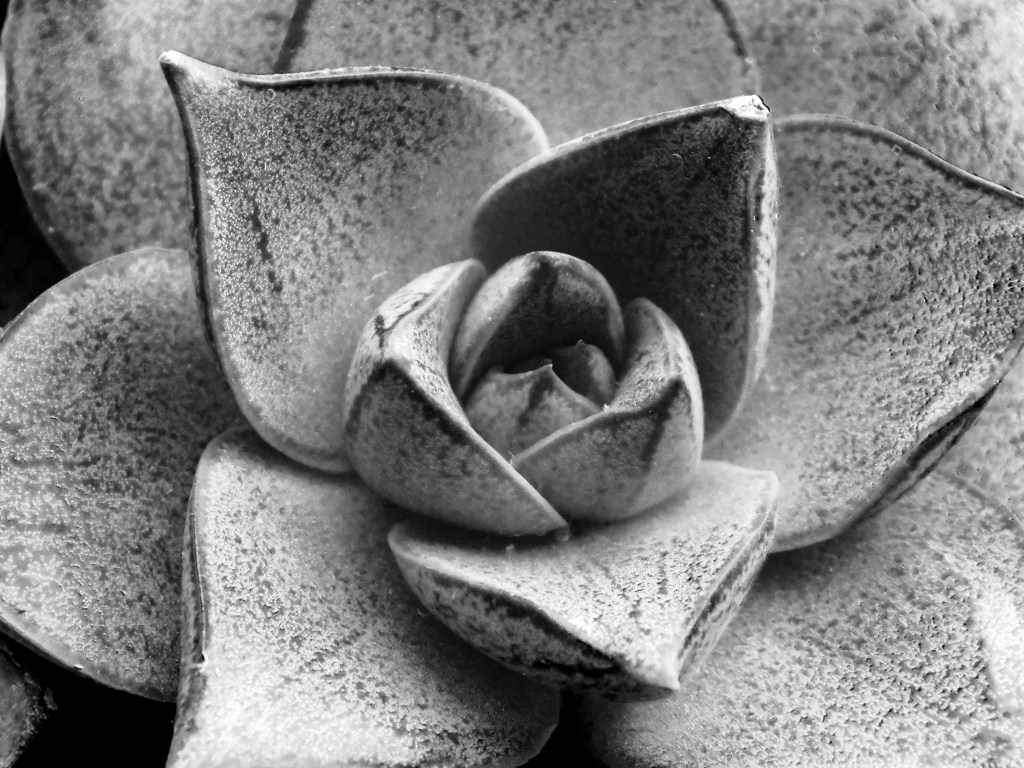
My photo imitation #1:
This photo is of a succulent that is in my room. I chose to make it black and white because the contrast and details look much better this way. I believe this is the photo that best represents the historic photo I chose to imitate. The reason I chose to imitate the plant based images was because I have a strong love of nature and plants and when I saw that Albert Renger-Patzsch used this as his subject for most of his work I immediately knew what I was going to photograph. I love capturing nature, it’s beautiful and tranquil.
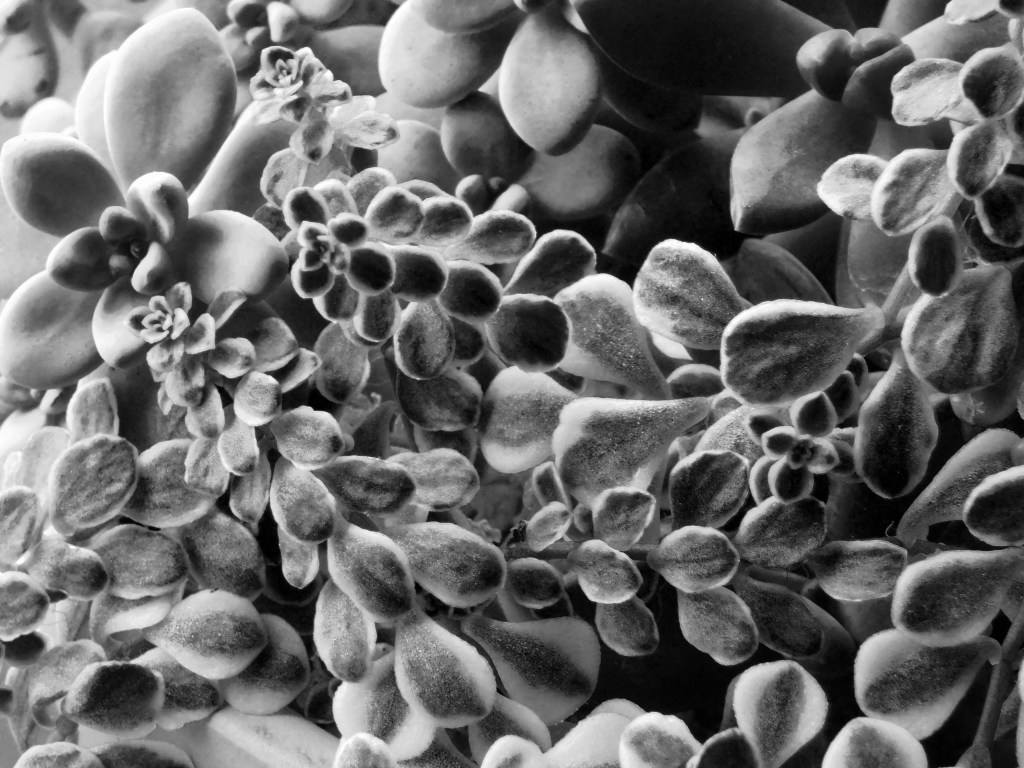
My photo imitation #2:
For this photo I wanted to capture pattern in nature and plants like Albert did. Most of his work was very nature and pattern oriented and he created amazing photographs out of it. I looked through his work and it inspired me, so I decided to mimic his style and try to see if I could capture patterns within nature.
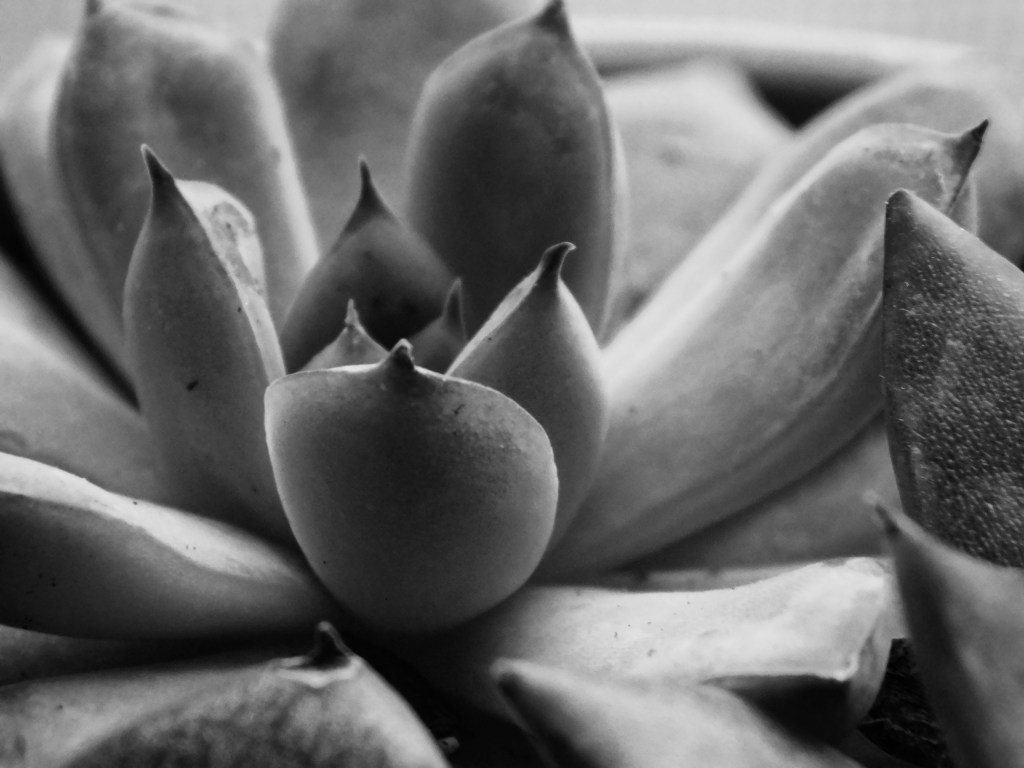
My photo imitation #3:
This photo is of another succulent in my room. I used macro mode for every photo I took to capture the best detail. It makes even the smallest of plants seem so ginormous. Albert photographed many close-ups of plants and flowers so I did the same thing and I fell in love with how the photograph captured the plants, because we don’t normally see all of the small details on a tiny plant, it made it seem majestic.
We, Women seeks to cover critical issues in the US through the lens of women, trans and non-binary photographers. The organization recently announced their first cohort of grantees, who will pursue projects on subjects ranging from the climate crisis to incarceration, highlighting underrepresented narratives through a combination of community engagement and photography.

 PhotoChronologies