Final Assignment – Becher Inspired Work

Dusseldorf School

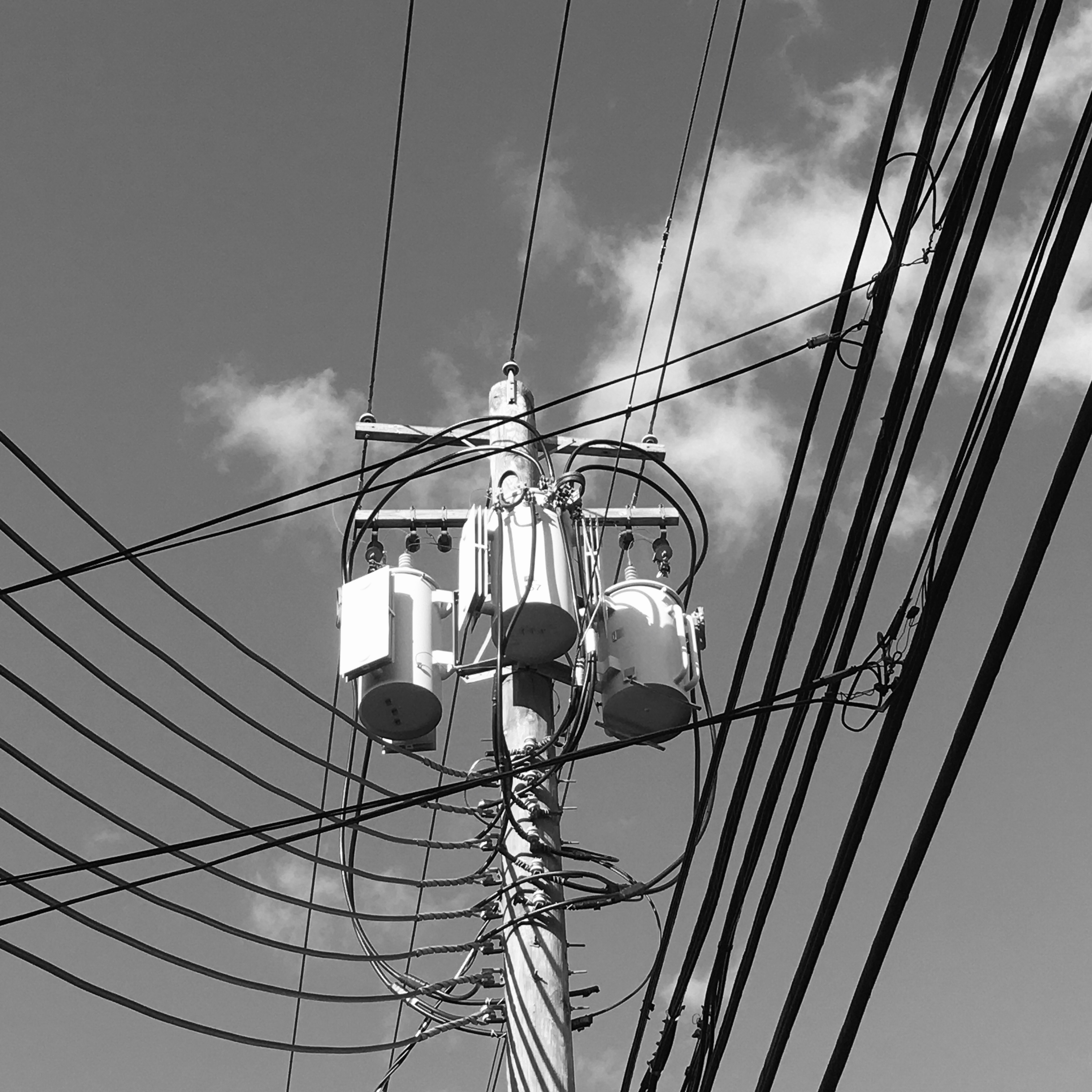
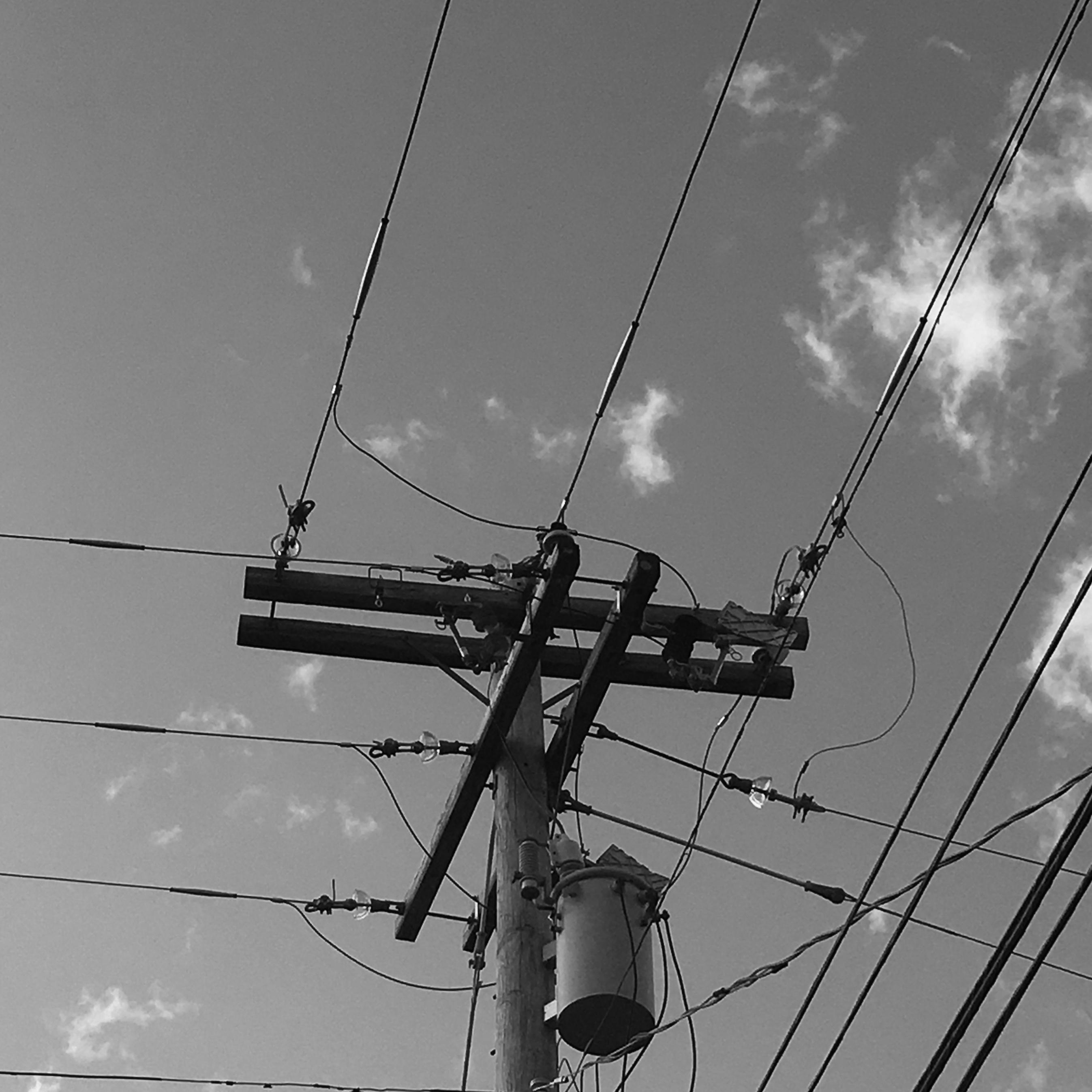
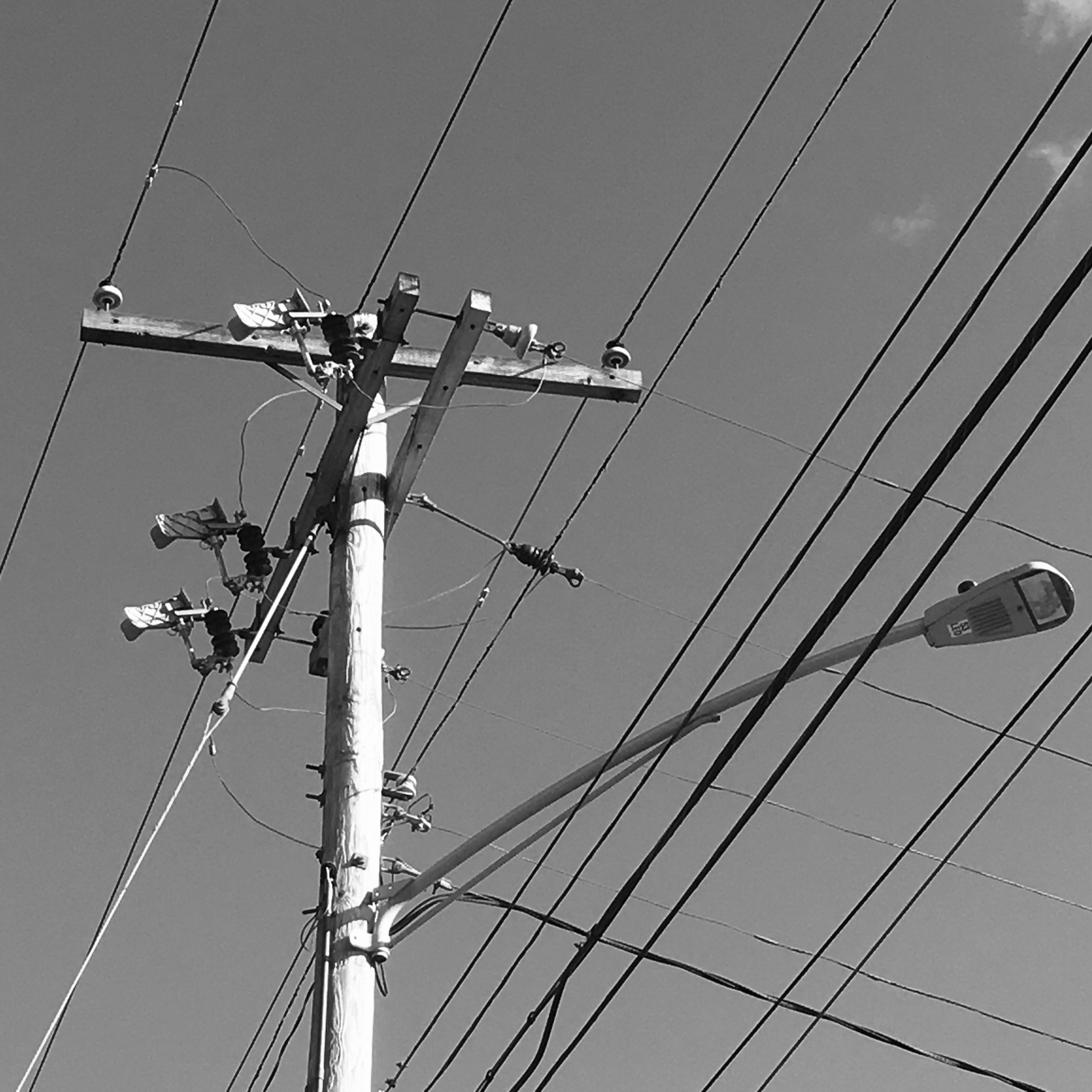
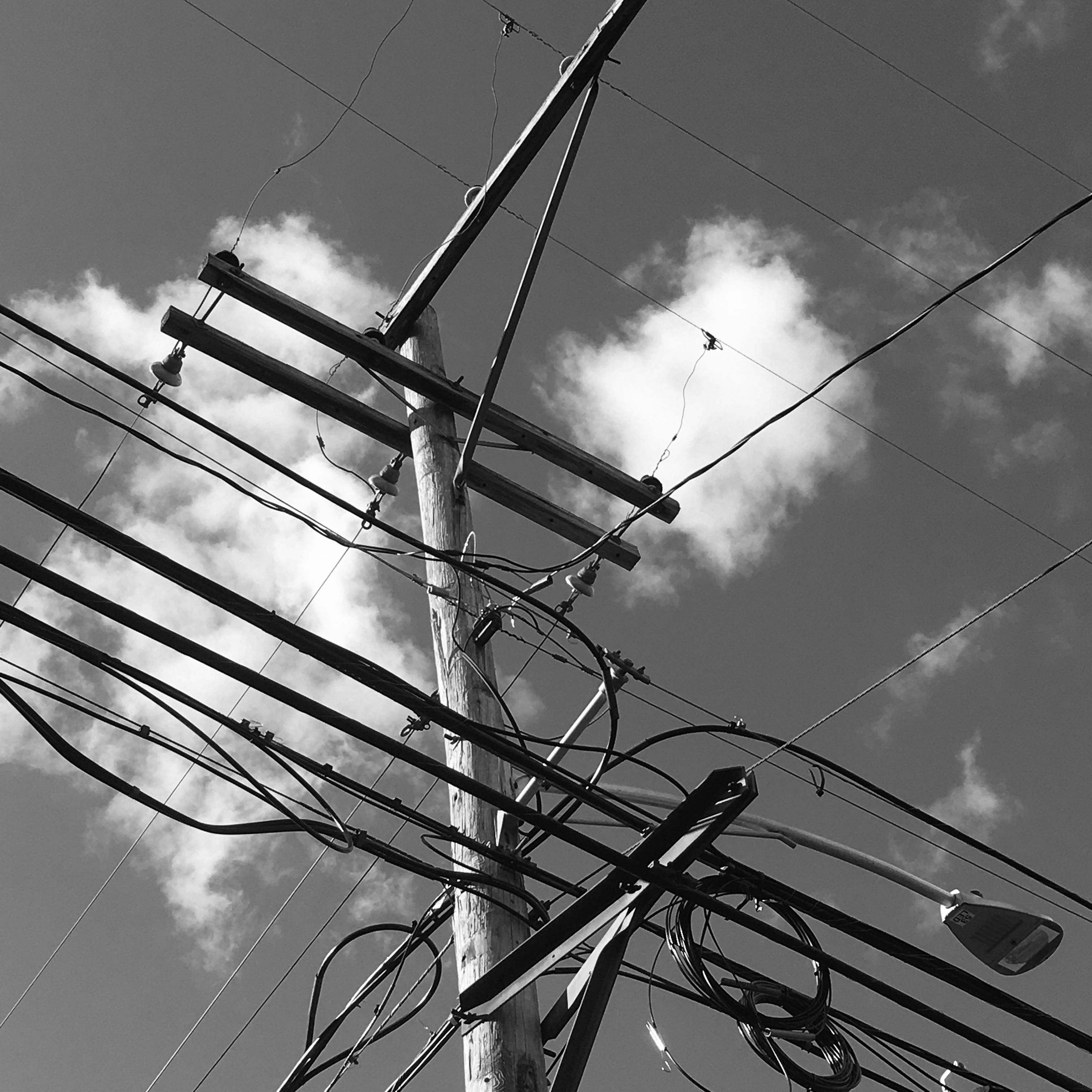
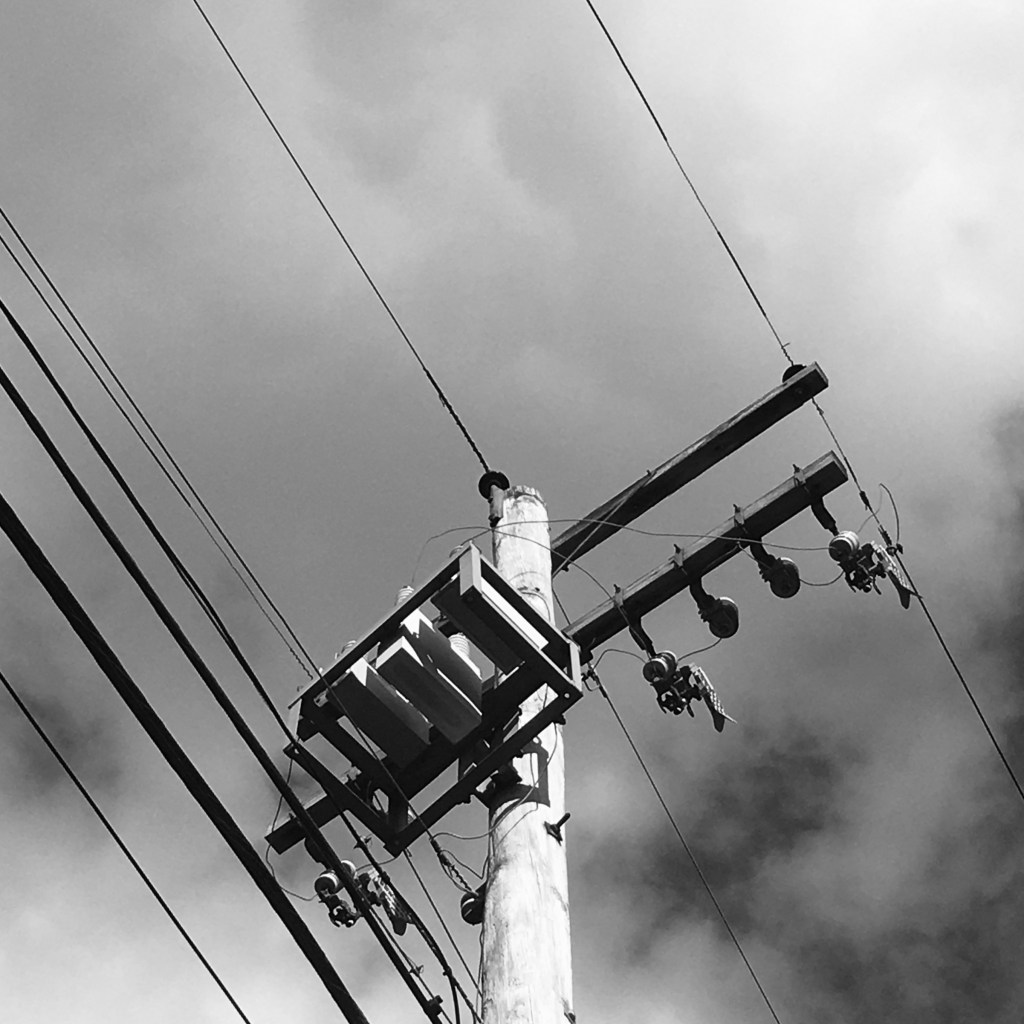
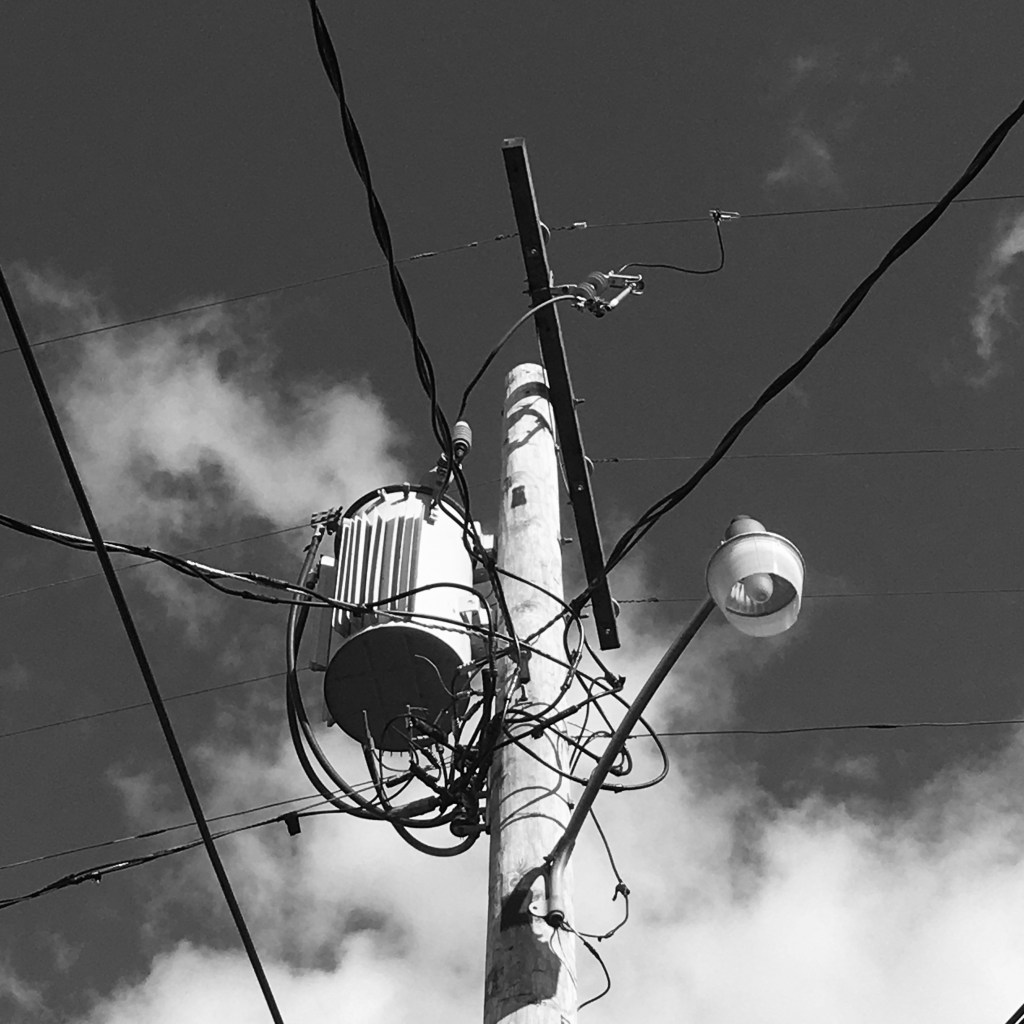
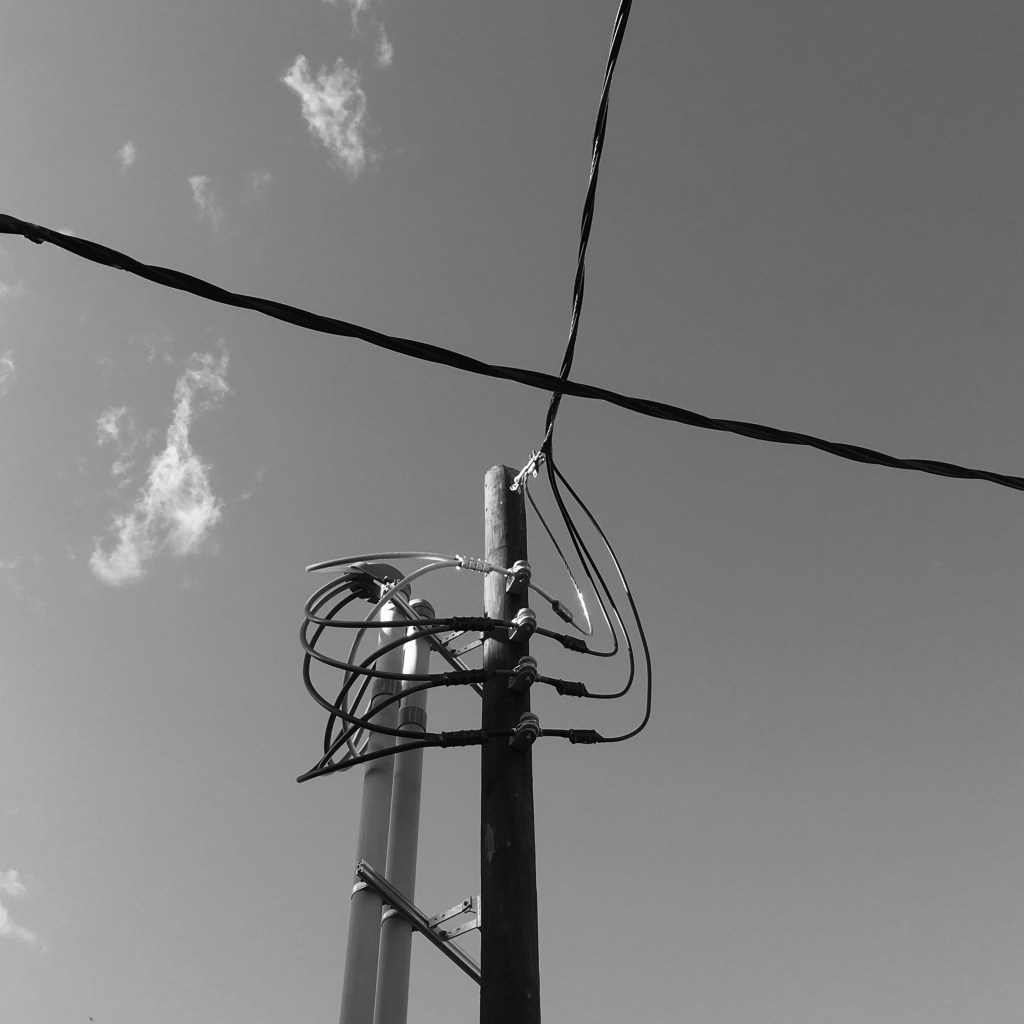
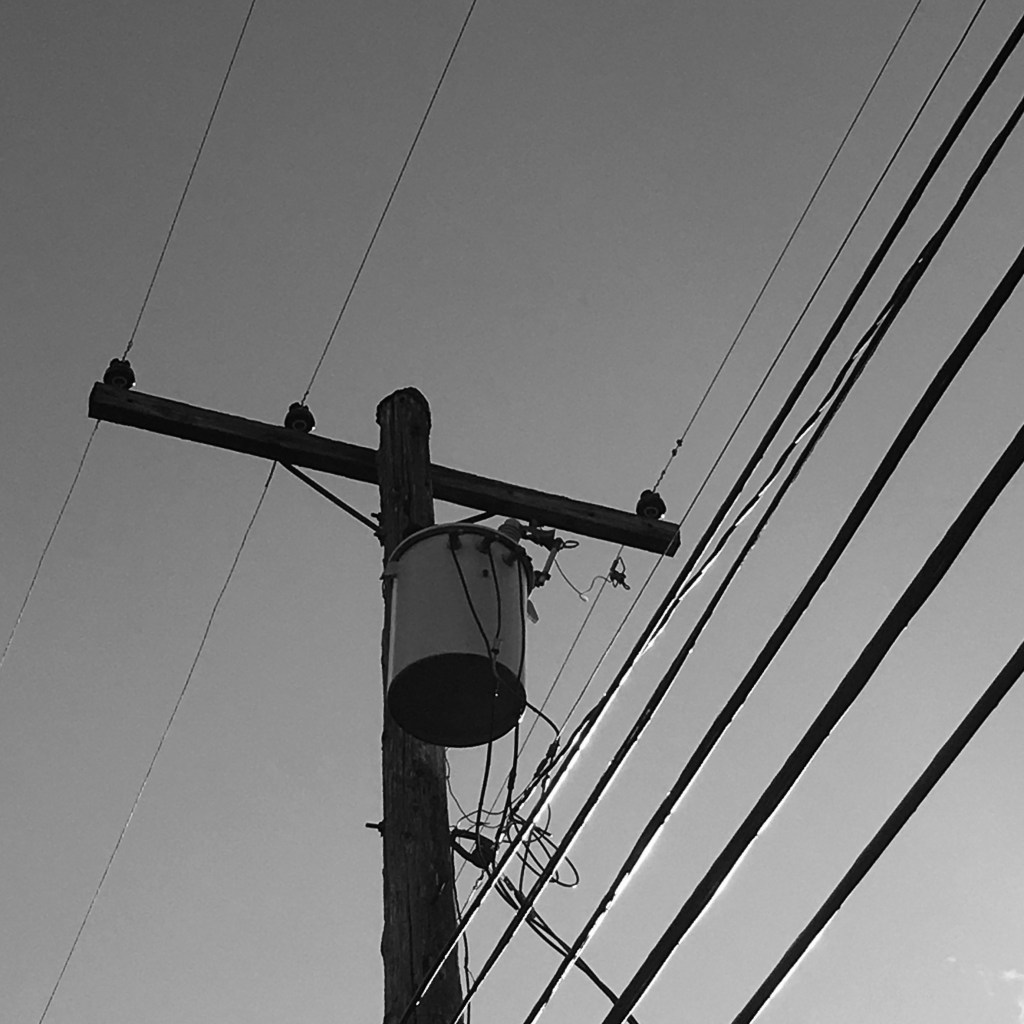
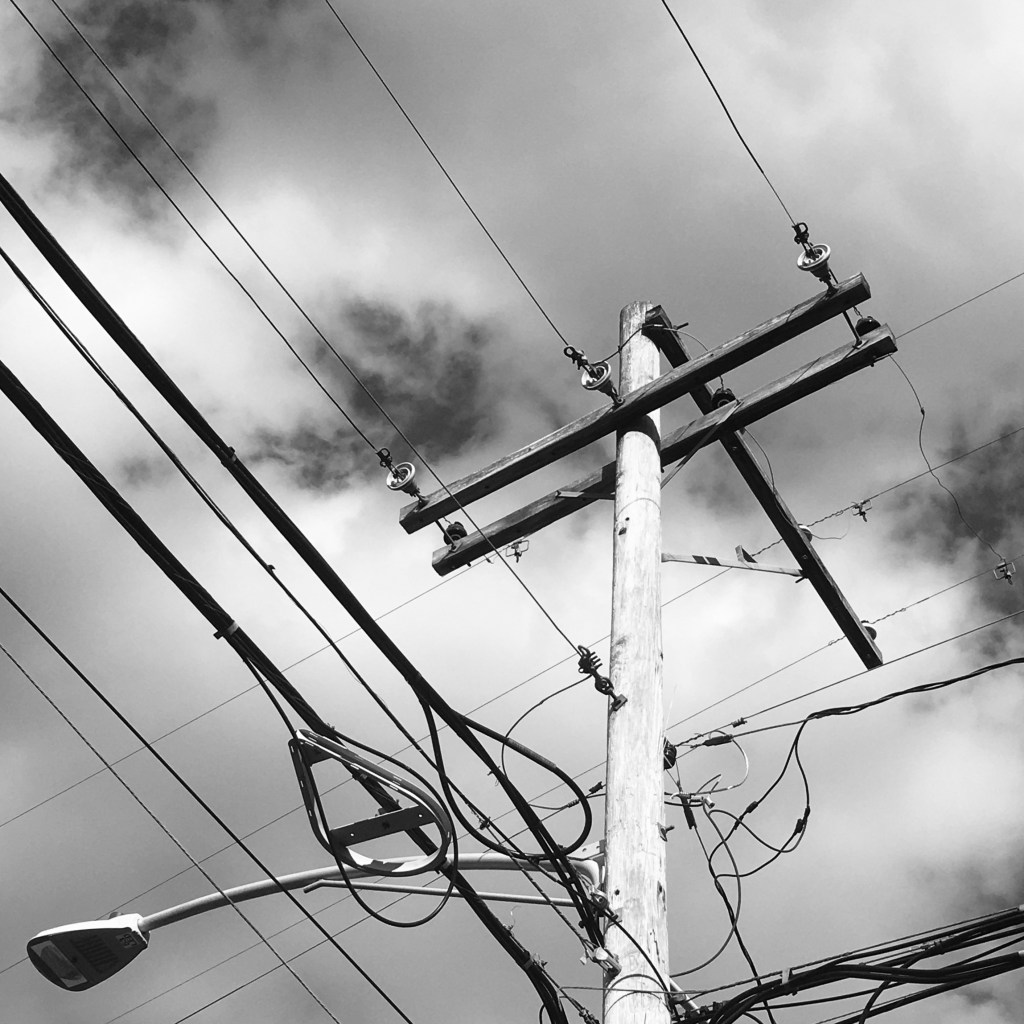
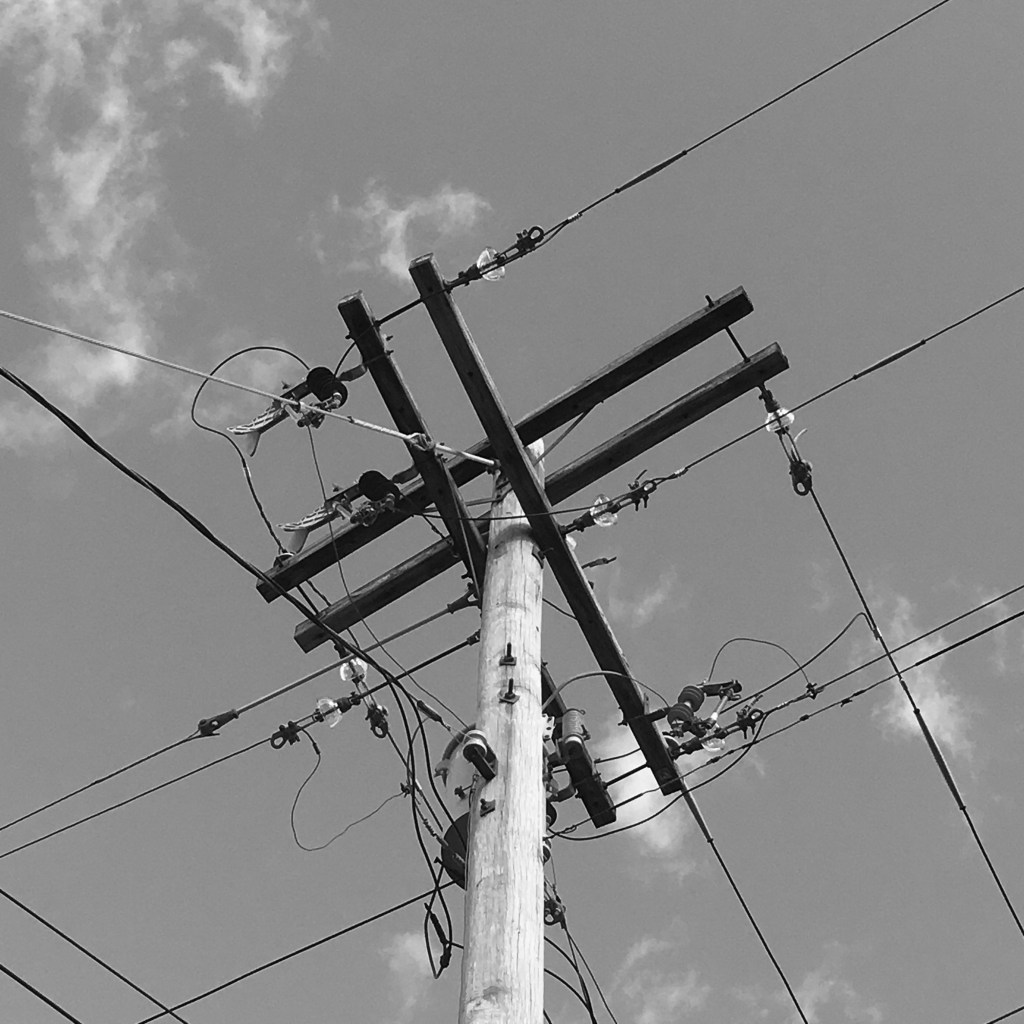
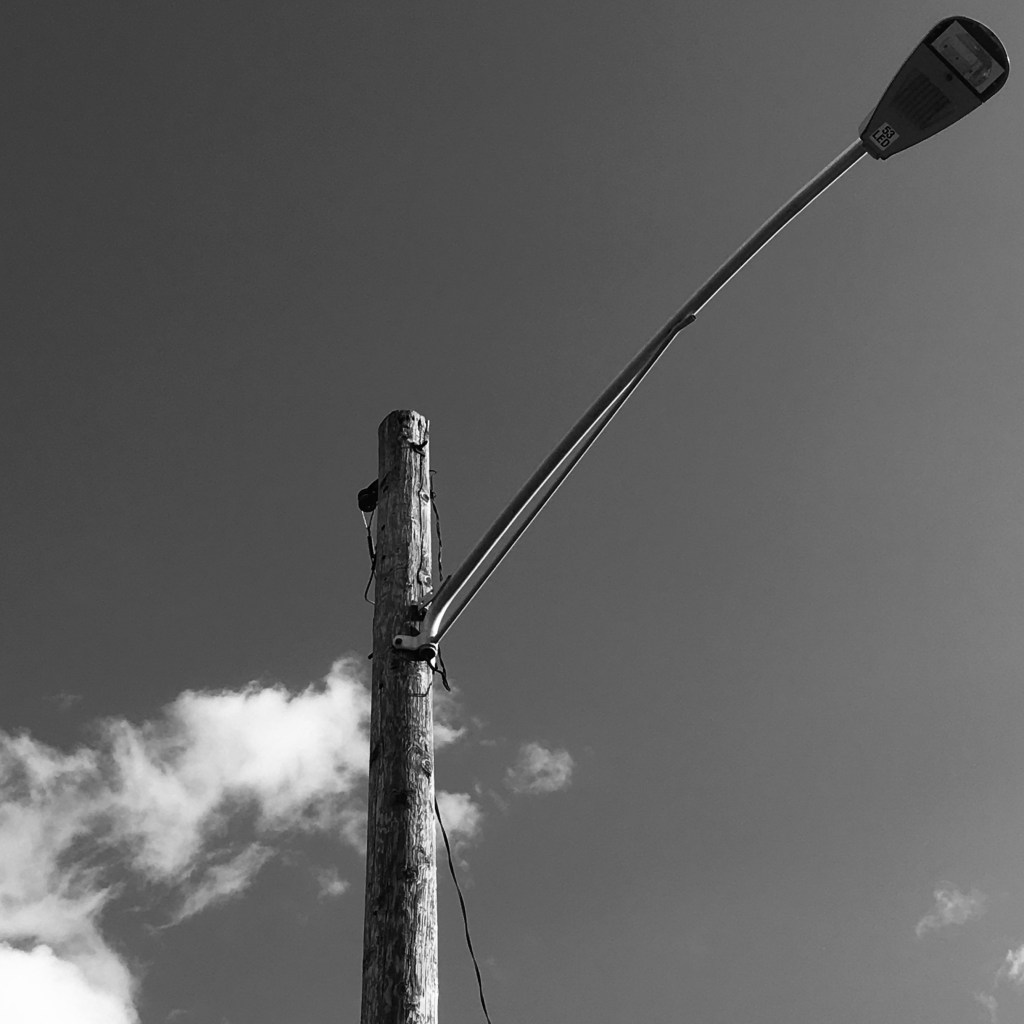
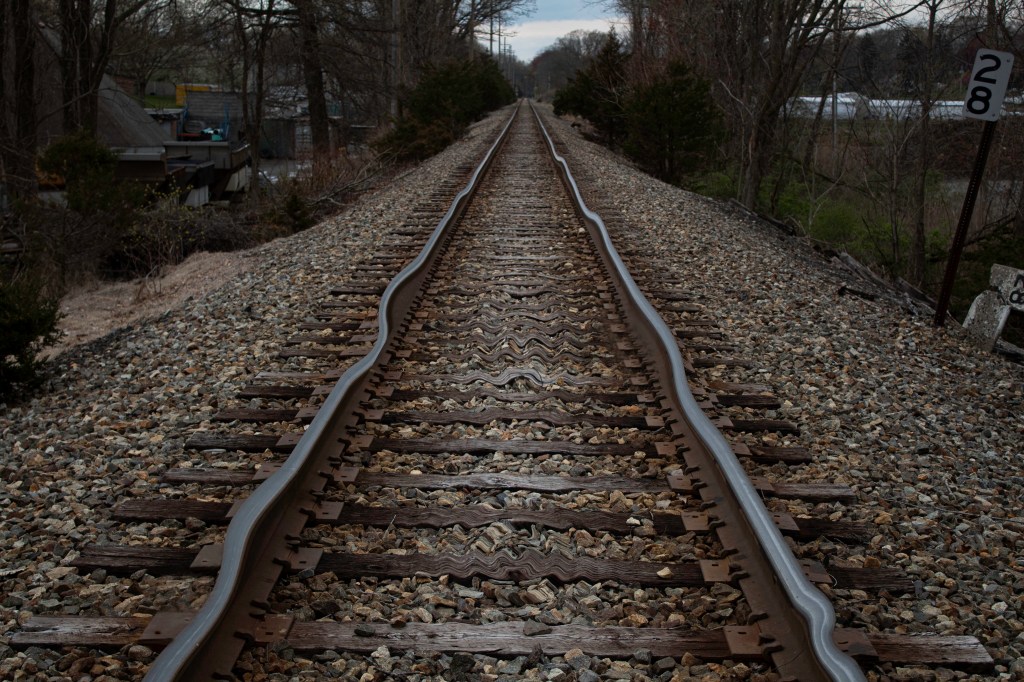
I took these photographs based on my impression of the Dusseldorf School of Photography. This style was founded by Bernd and Hilla Becher which in turn was inspired by the New Objectivity movement of the 1920s. This style could be expressed in its objective expression of its visual content, as well as its often industrial images. There was also inspiration which came out of the works of Marcel Duchamp’s often conceptual “readymades”. These were often industrial in style as well. 

This style stands in contrast to the popular German style of Otto Steinert which is considered subjective. Otto considered his style more human and expressive (however both styles are inherently expressive from my point of view). 

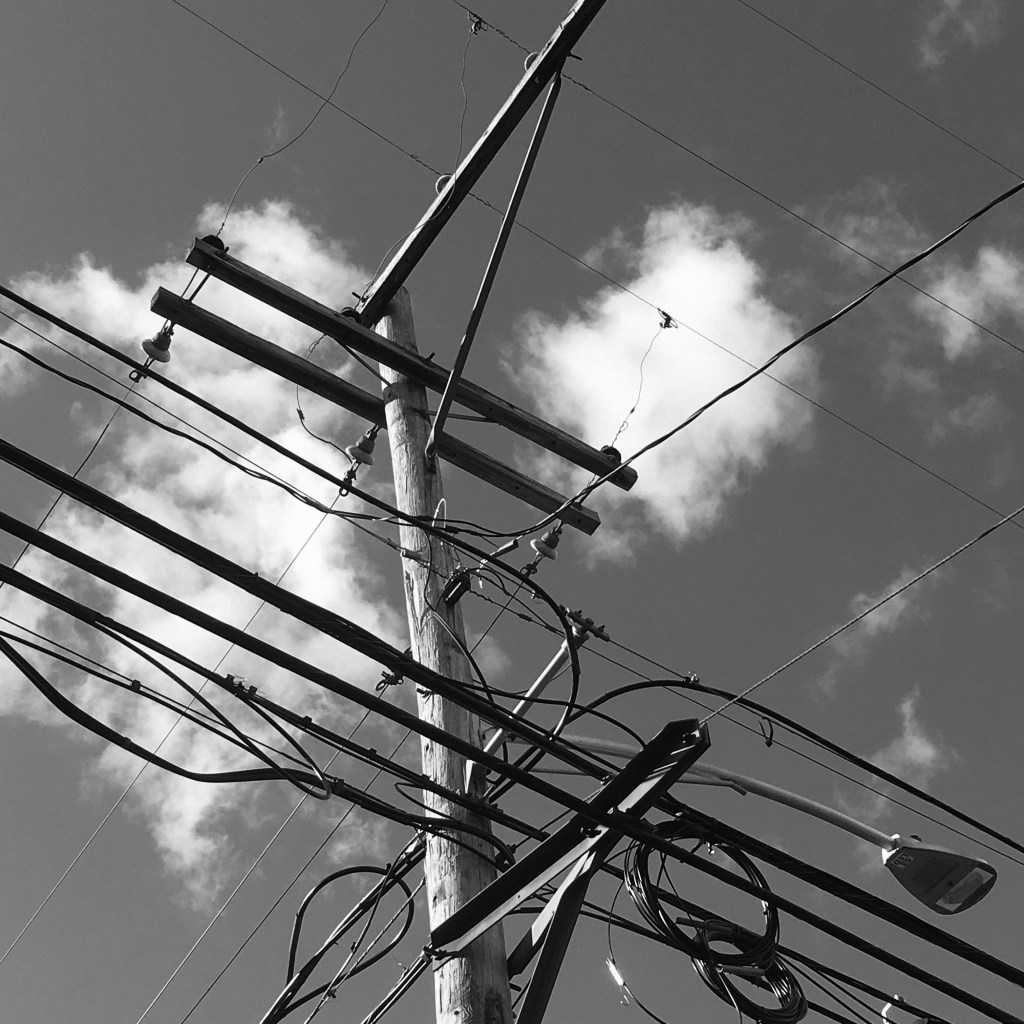
The photographs which I have taken intend on following suit with the layout, industrial content, and objective nature of the works previously associated with this movement. However  rather than taking the shots “straight on” as often done by the Becher’s, I decided to take photos straight upwards. This is to reflect on the object’s place in its objective space.

I decided that it would be ideal to take the pictures in black and white. This is due to the fact that I thought the use of black and white would be able to provide a starkness to the images which would help exemplify the telephone polls utilitarianism. I figured that they were a straight forward object and because of this I wanted their visual representation to also be as blunt as possible. 

I really enjoyed the subtle, and sometimes stark differences between the different telephone polls. I thought this was a nice similarity to the famous images taken by the Bechers of the water towers. One of my favorite aspects of photography is line, and so in my hunt to find a relative nod to the water towers, I decided on an object with more relatively straight lines. While walking I realized that telephone polls make for an interesting subject with regard to this penchant for straight lines. With these images I hoped to shine light on the interesting and unassuming qualities of the objects.

Ryan Kulka- Final Assignment

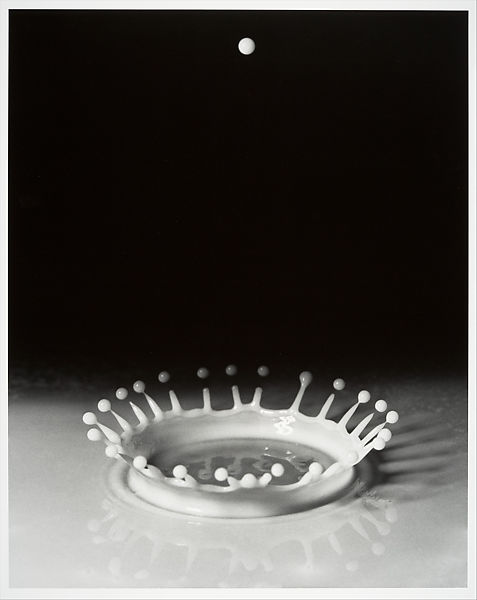
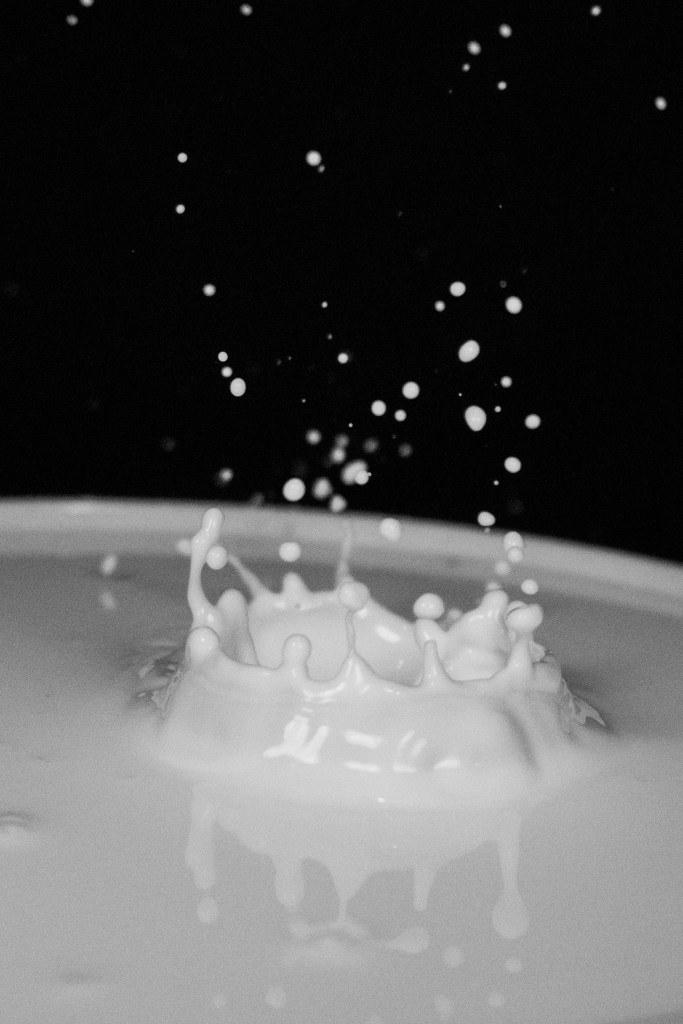
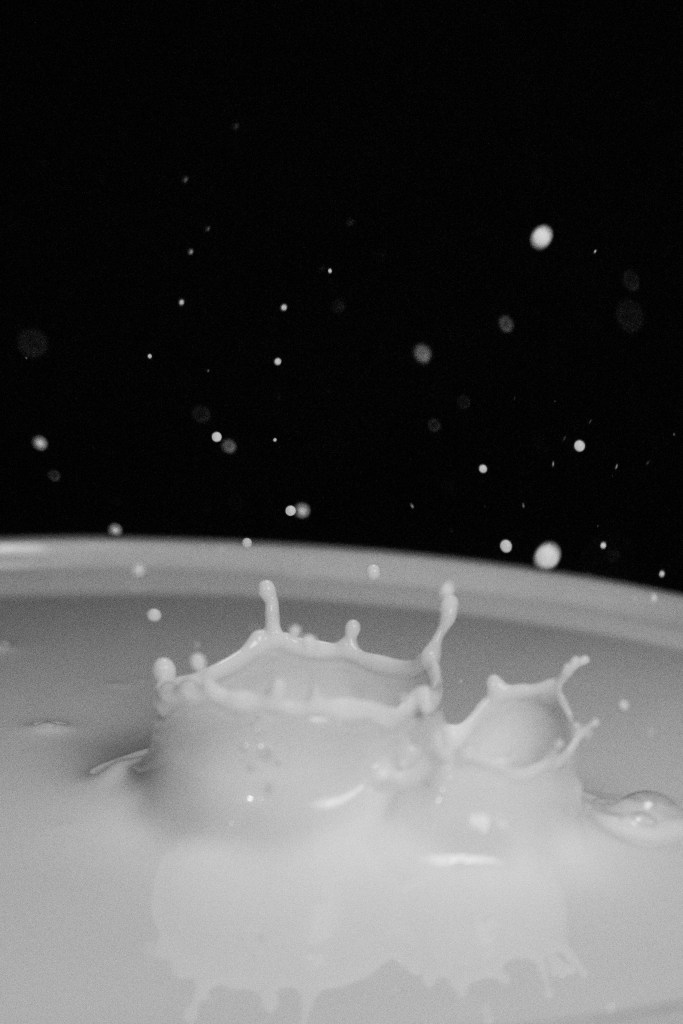
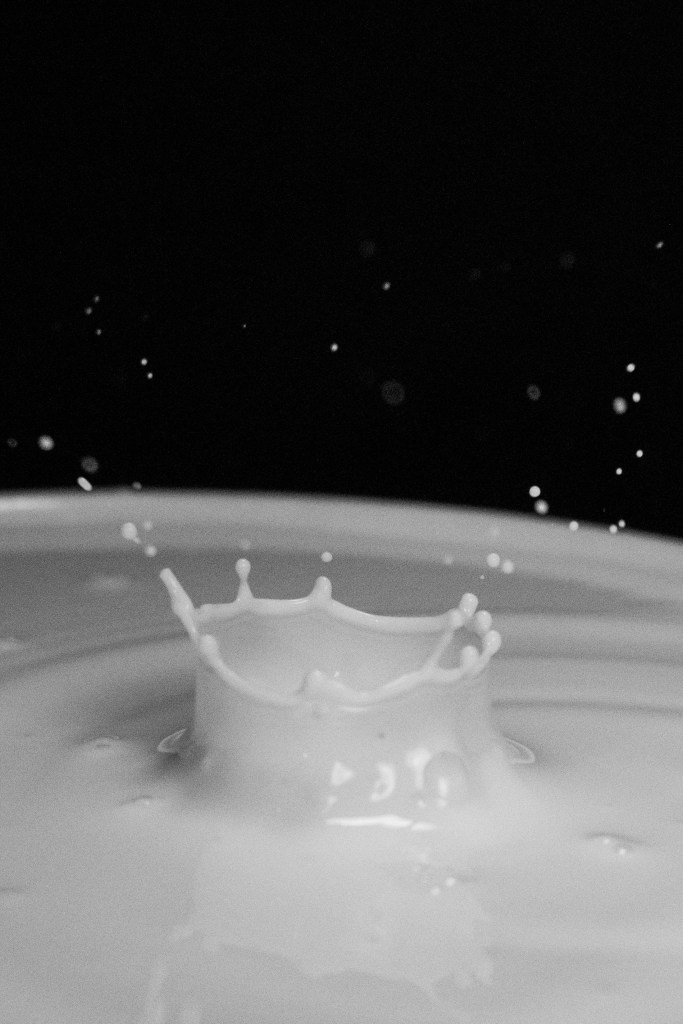
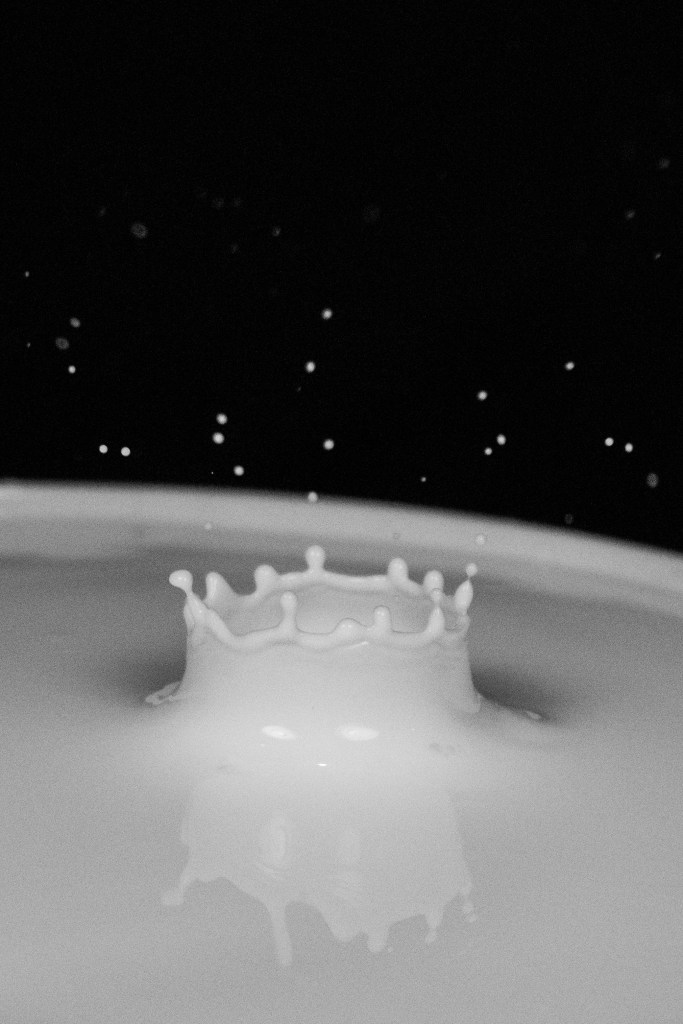
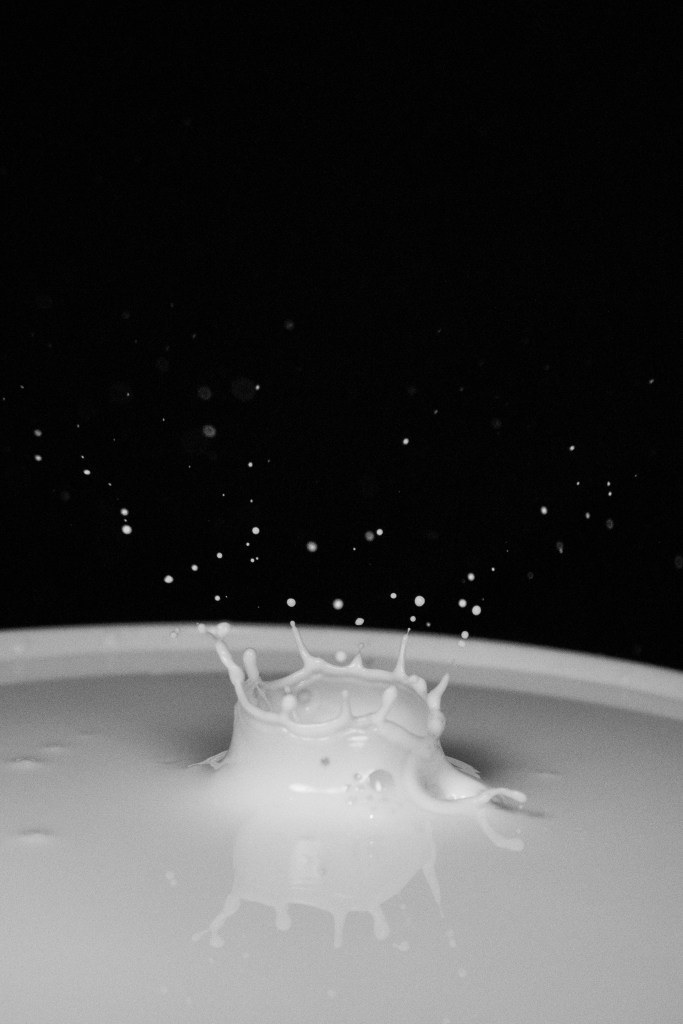
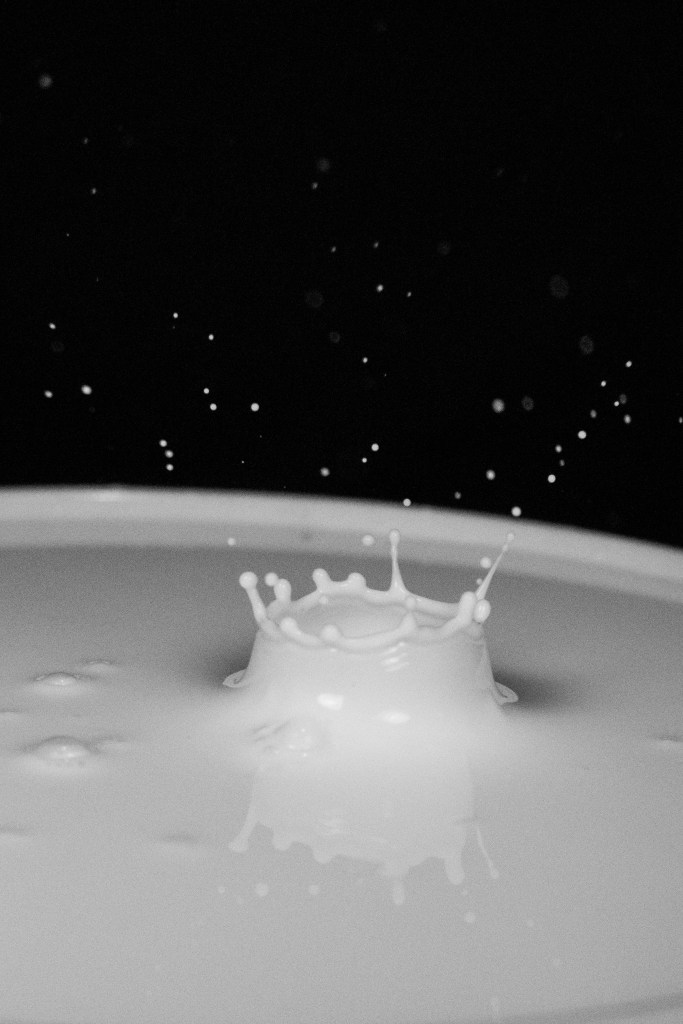
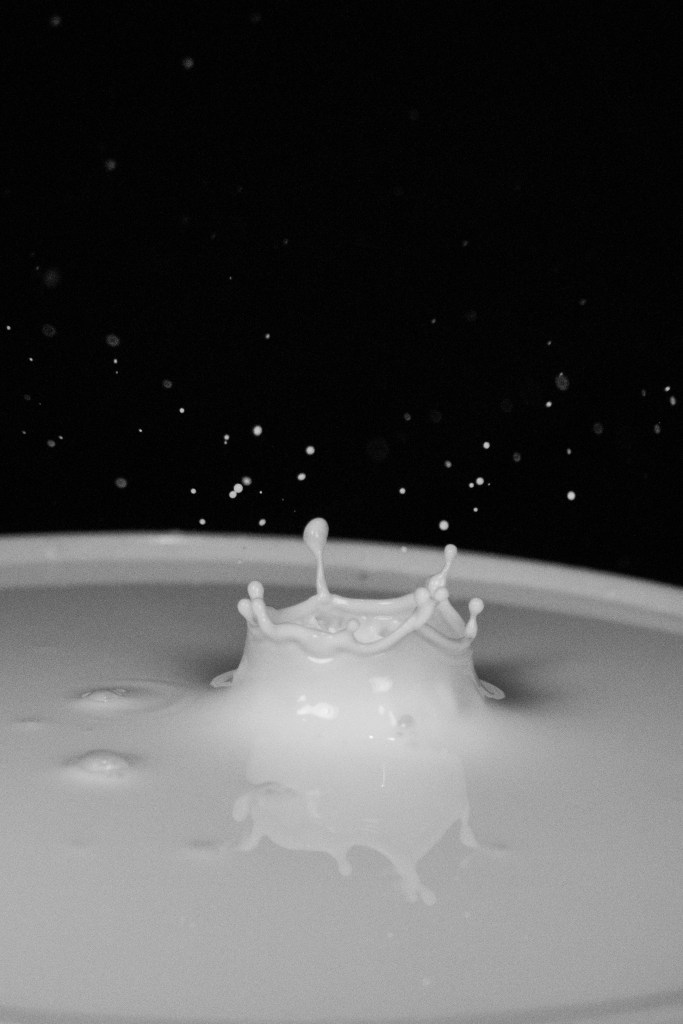
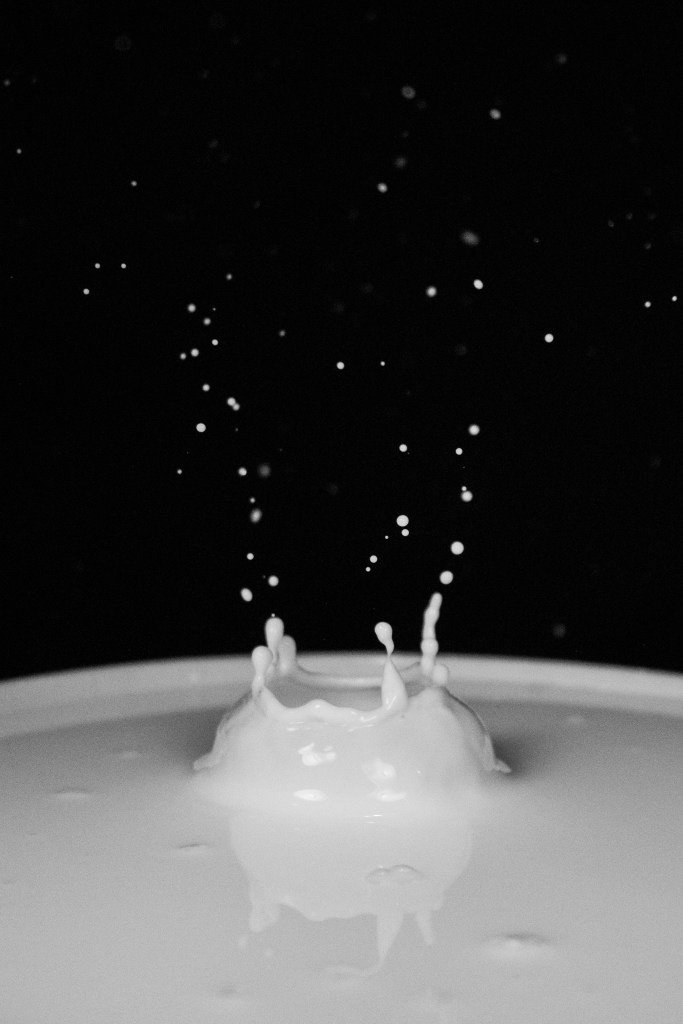
For my final assignment, I decided that I wanted to imitate a photograph taken by Harold Edgerton. Edgerton was born on April 6, 1903. He went to school at the University of Nebraska in 1925, where he became an electrical engineer and photographer. He is known for using high-speed shooting techniques which aided him in scientific uses. The photograph that I wanted to imitate of Edgerton’s is titled Drop of Milk Splashing into a Saucer of Milk, and it was taken in 1936. The photograph shows exactly what the title describes. The saucer is placed in front of a black background.

Drop of Milk Splashing into a Saucer of Milk, Harold Edgerton

For my imitations, I got a white shallow plate from my kitchen and set it on a stool. Due to the fact that I do not have professional lights or backgrounds at home, I had to improvise. I use 3 lights that I could point toward the plate. I set one on top, the right side, and the left. From here, I found a black t-shirt that I hung in the background. I then had my little sister stand on a tall stool and use a stray to drop a singular drop of milk into the saucer. This causes the same effect that Edgerton used! My camera settings were set to be the same for every picture: ISO 2000 (which I wish wasn’t so high but was working with what I have at home), shutter speed 1/8000, and f/ 4.5. Although it was definitely hard to set up with minimal resources, I think my photos have a very similar look what Edgerton developed. I decided to keep the splashes of milk that went up into the black because it gives the photos an almost “space” look. It almost makes you wonder if the photo was taken on the moon! Overall, I am happy with how these photos turned out. I think that keeping the specks of water really helps to bring my own creative touch on the photos.One thing that I would do differently if I had the resources would be to have a brighter light on the saucer. Having a brighter light would help to combat the high ISO causing a slight grainy look.

Devon Barthold Final Assignment

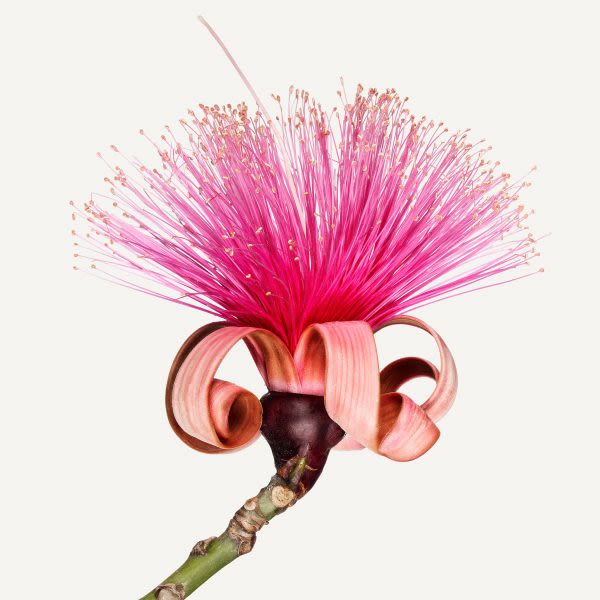
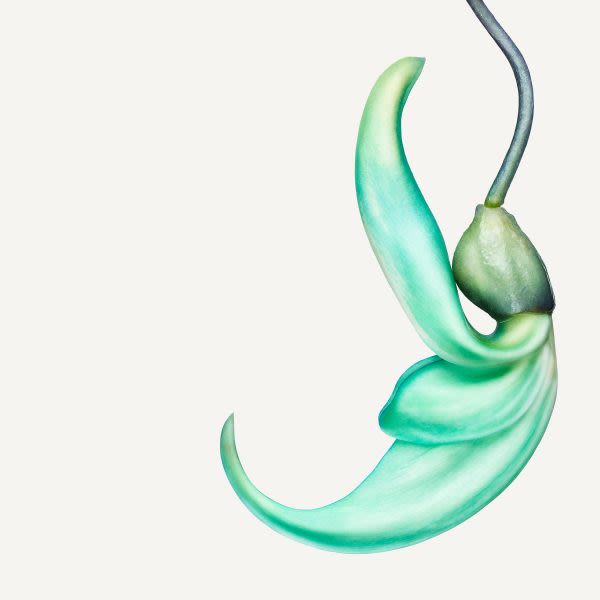
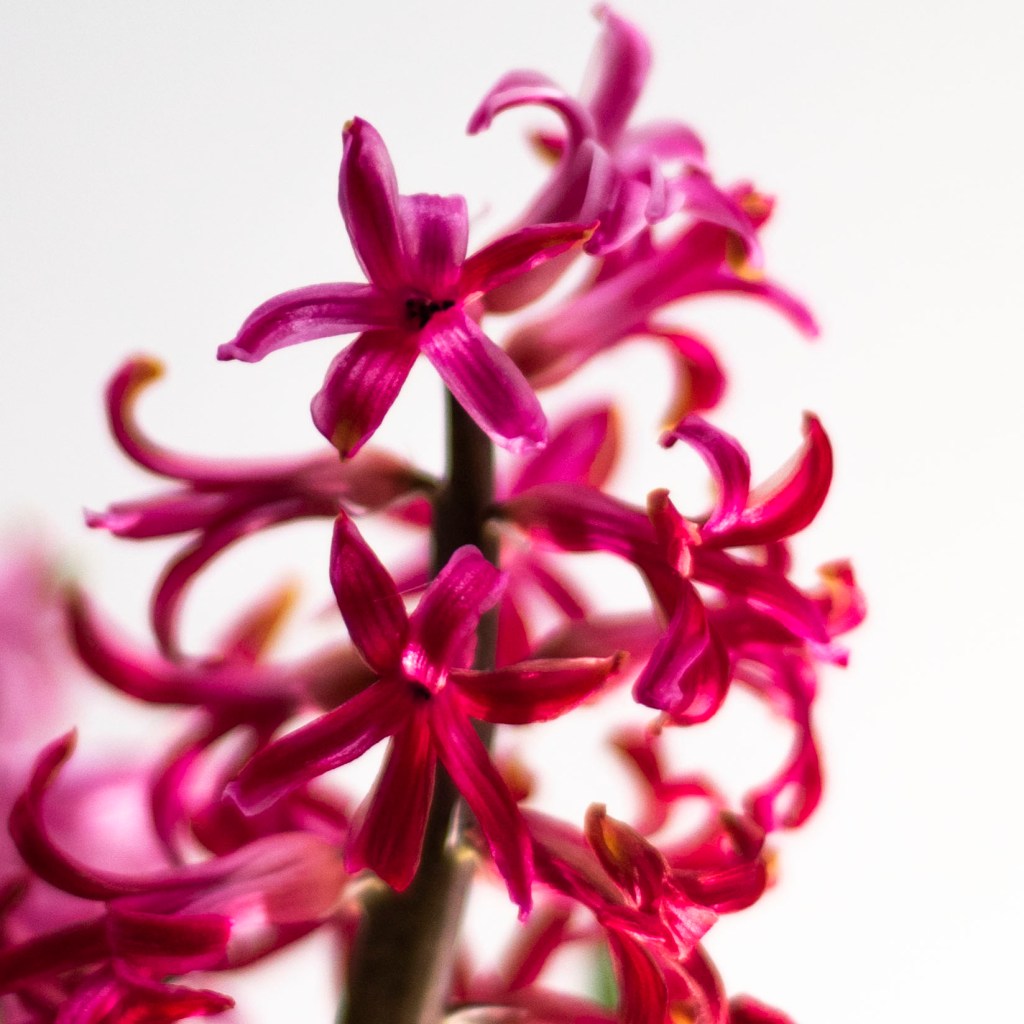
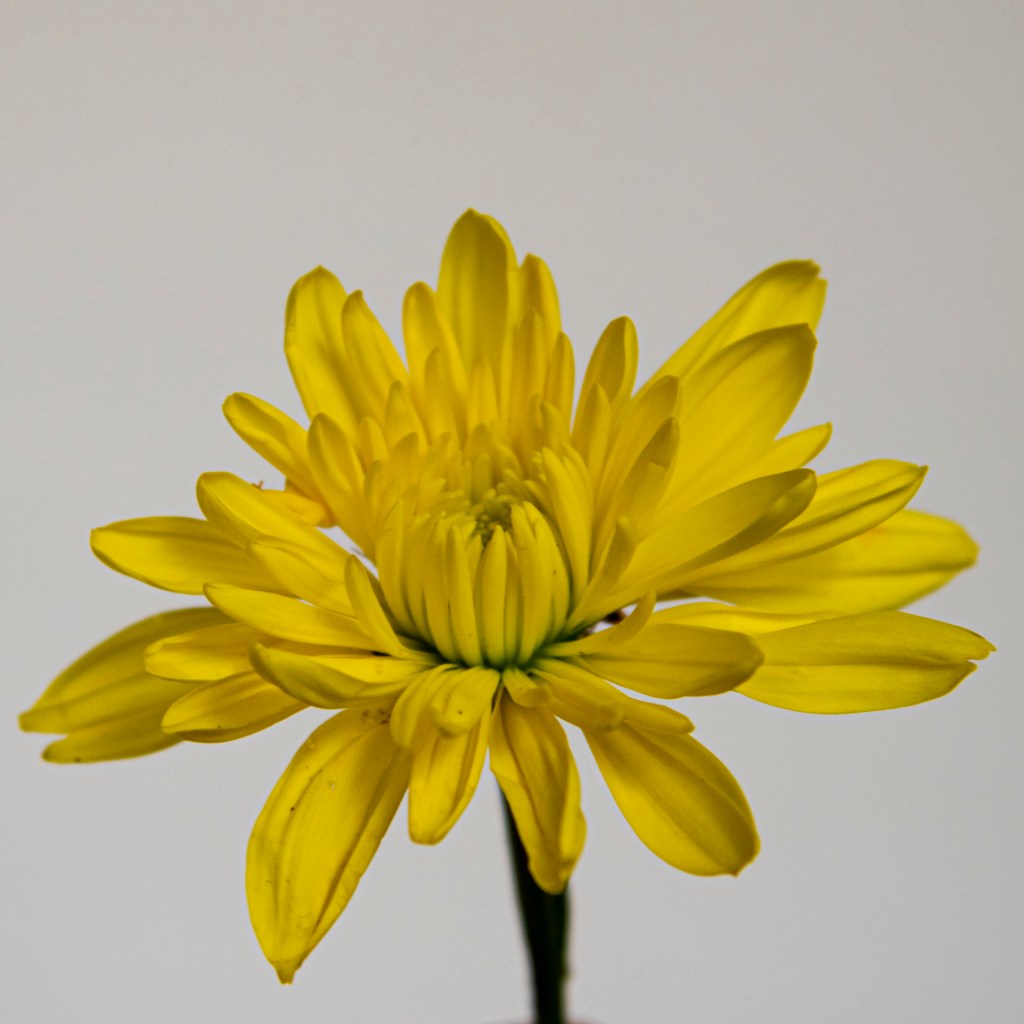
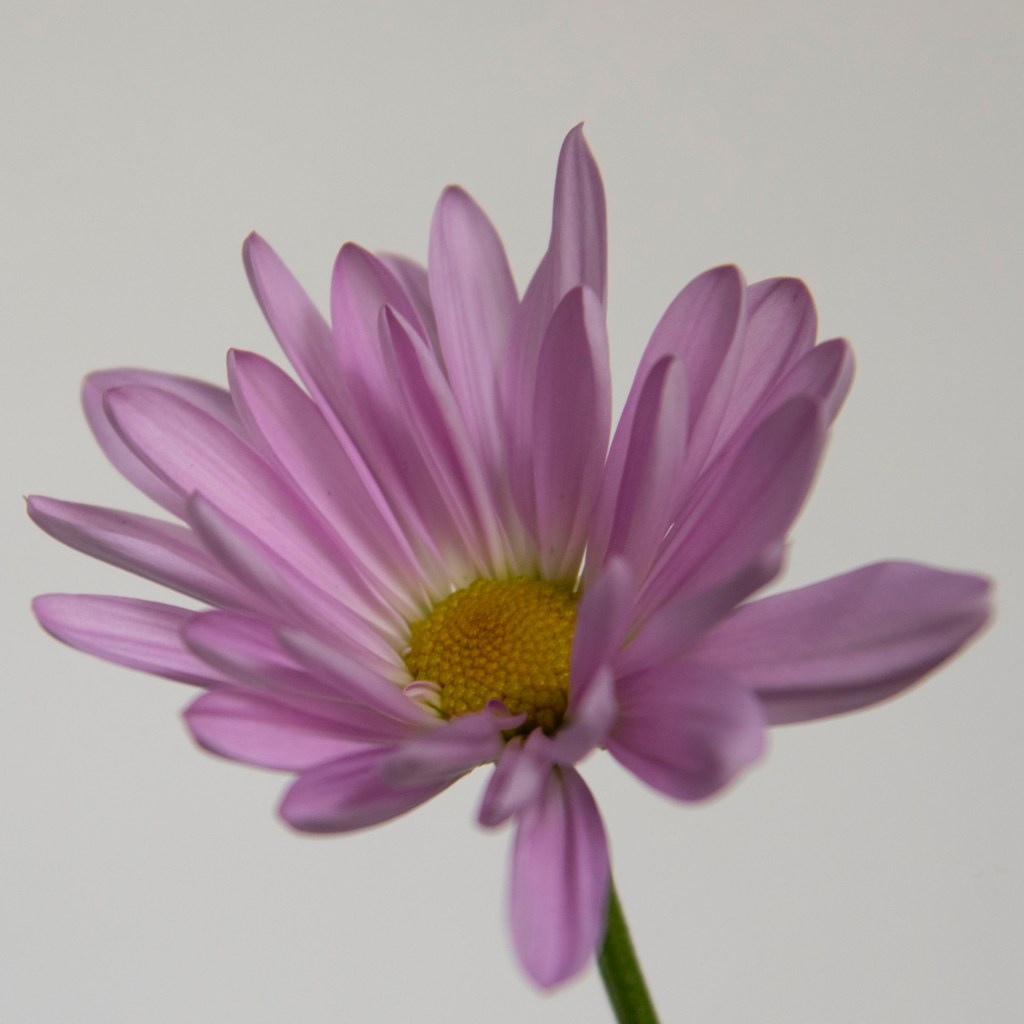
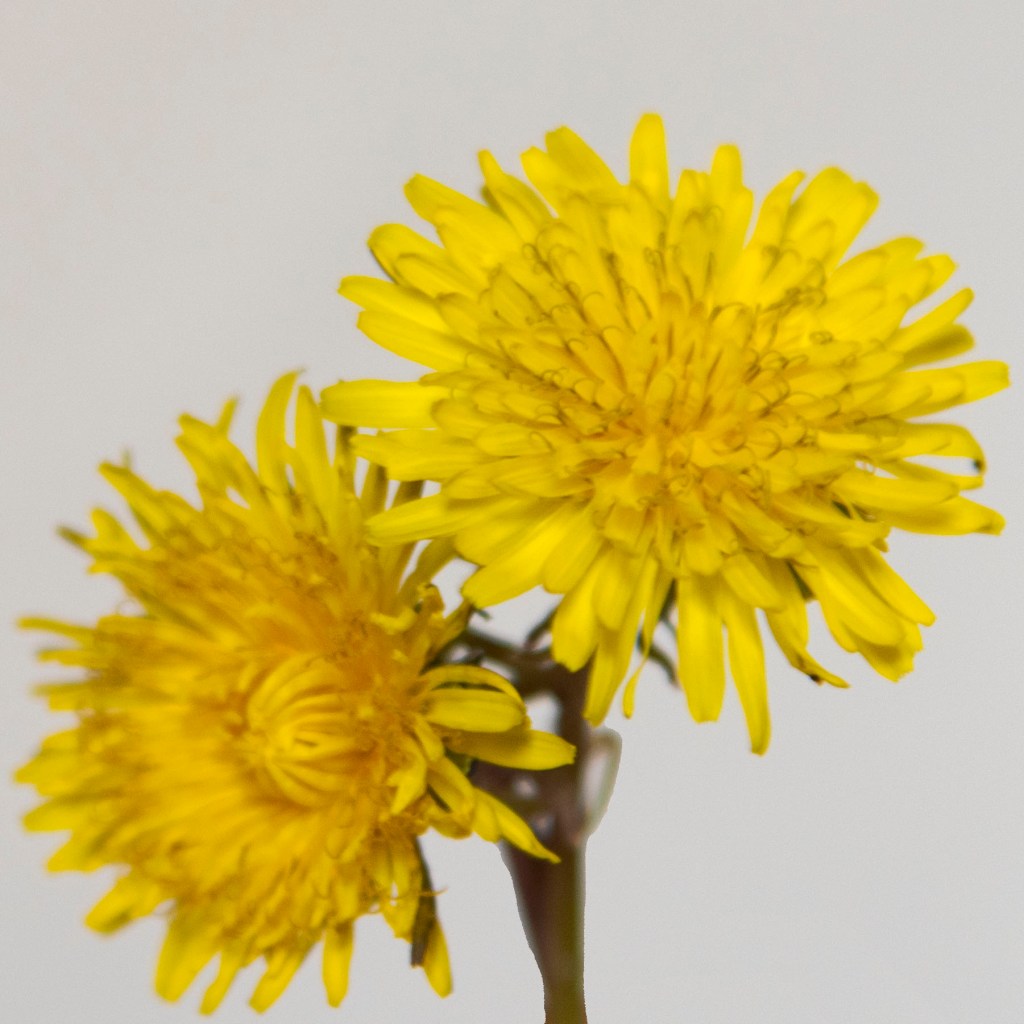
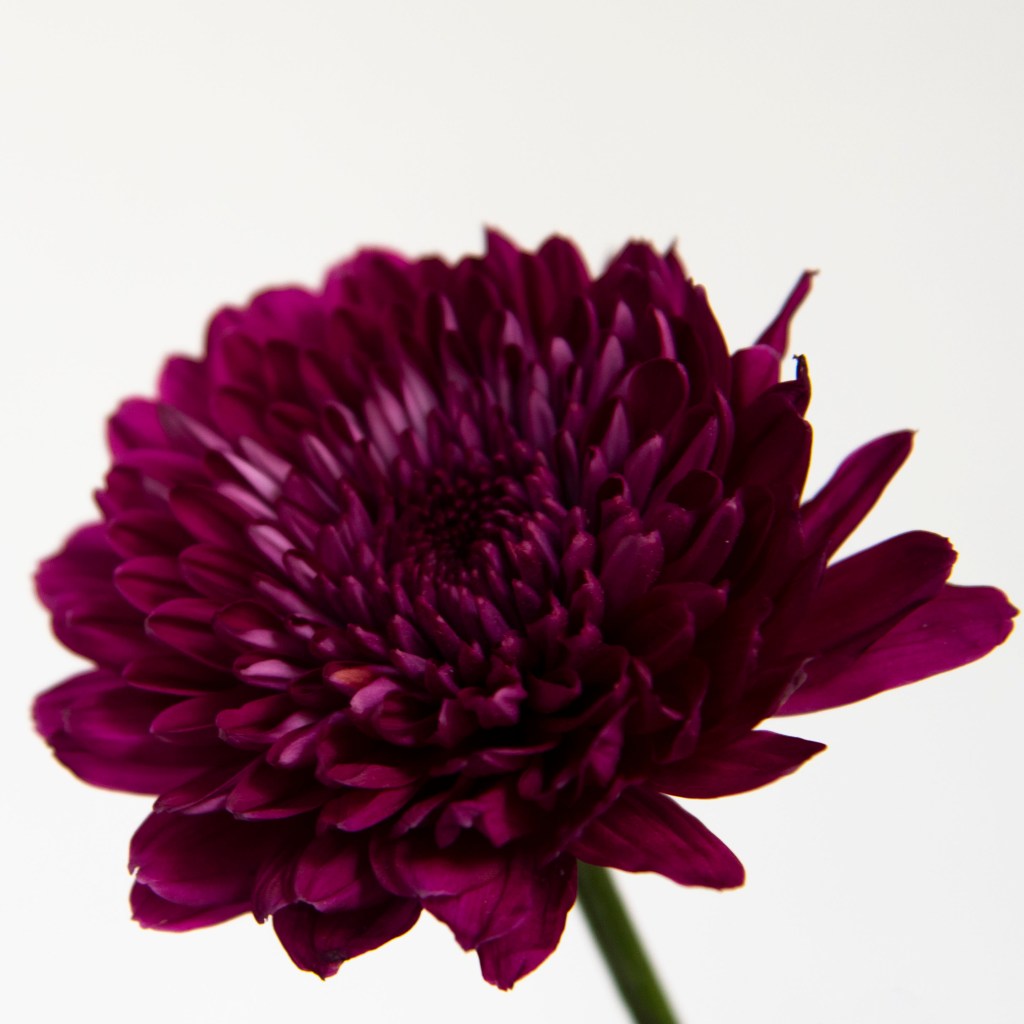
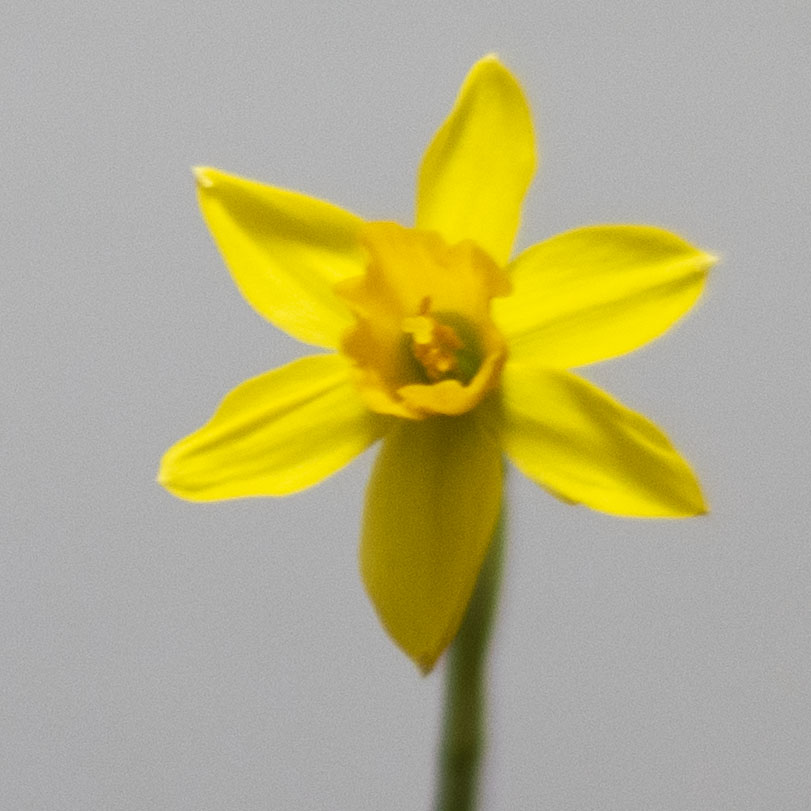
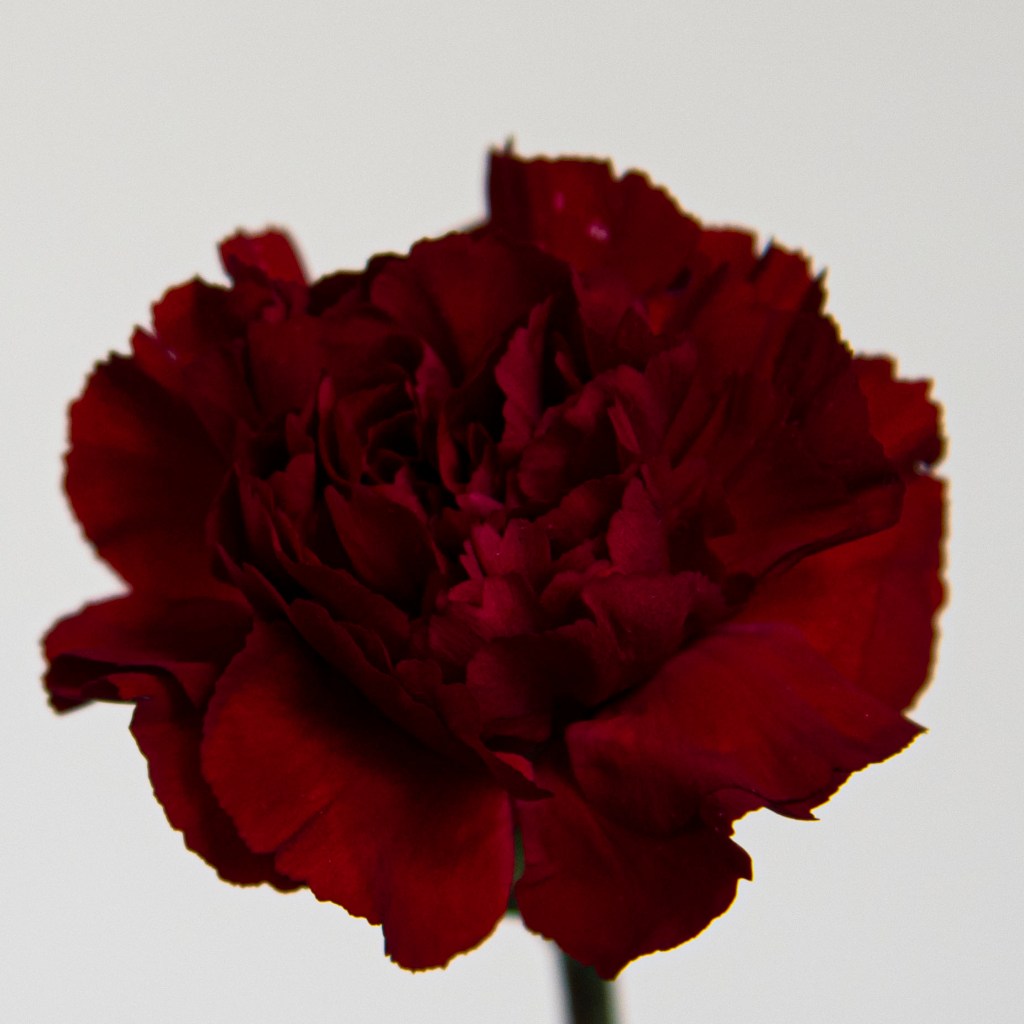
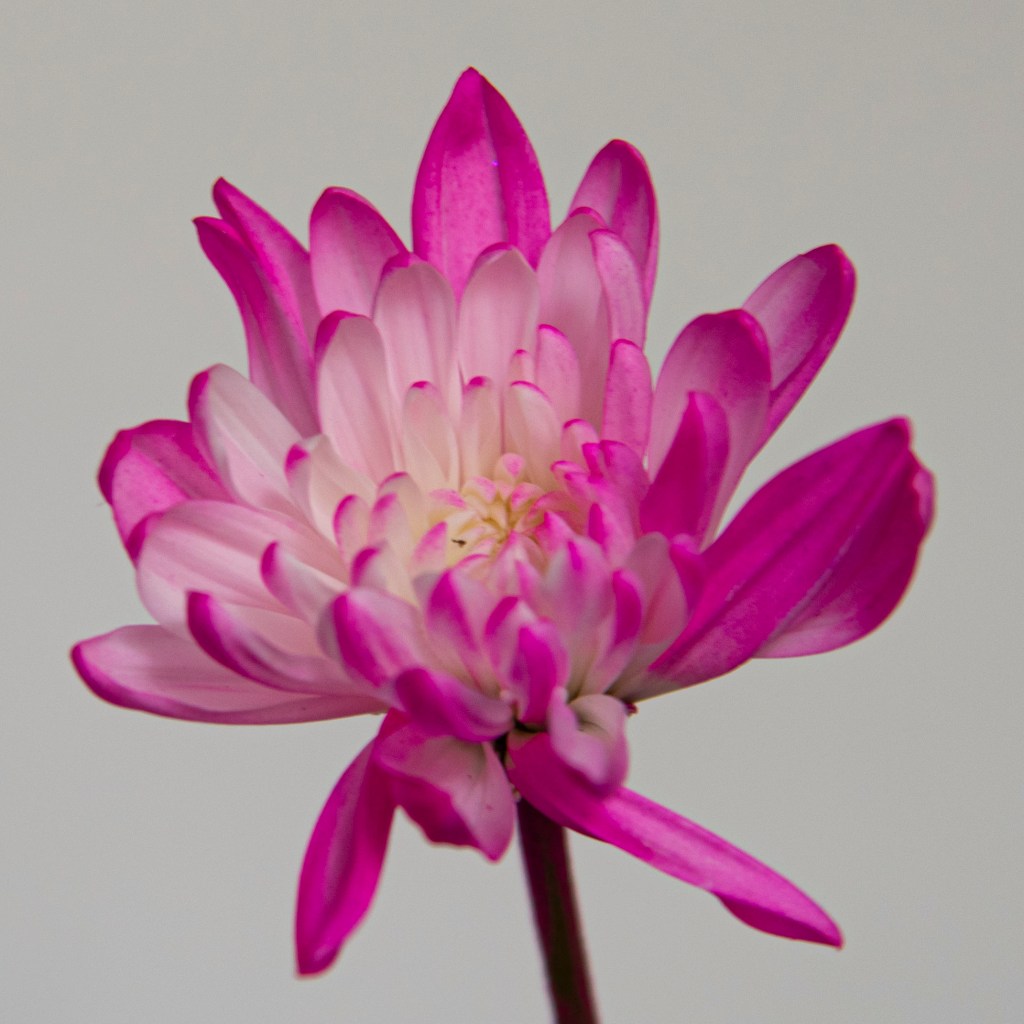
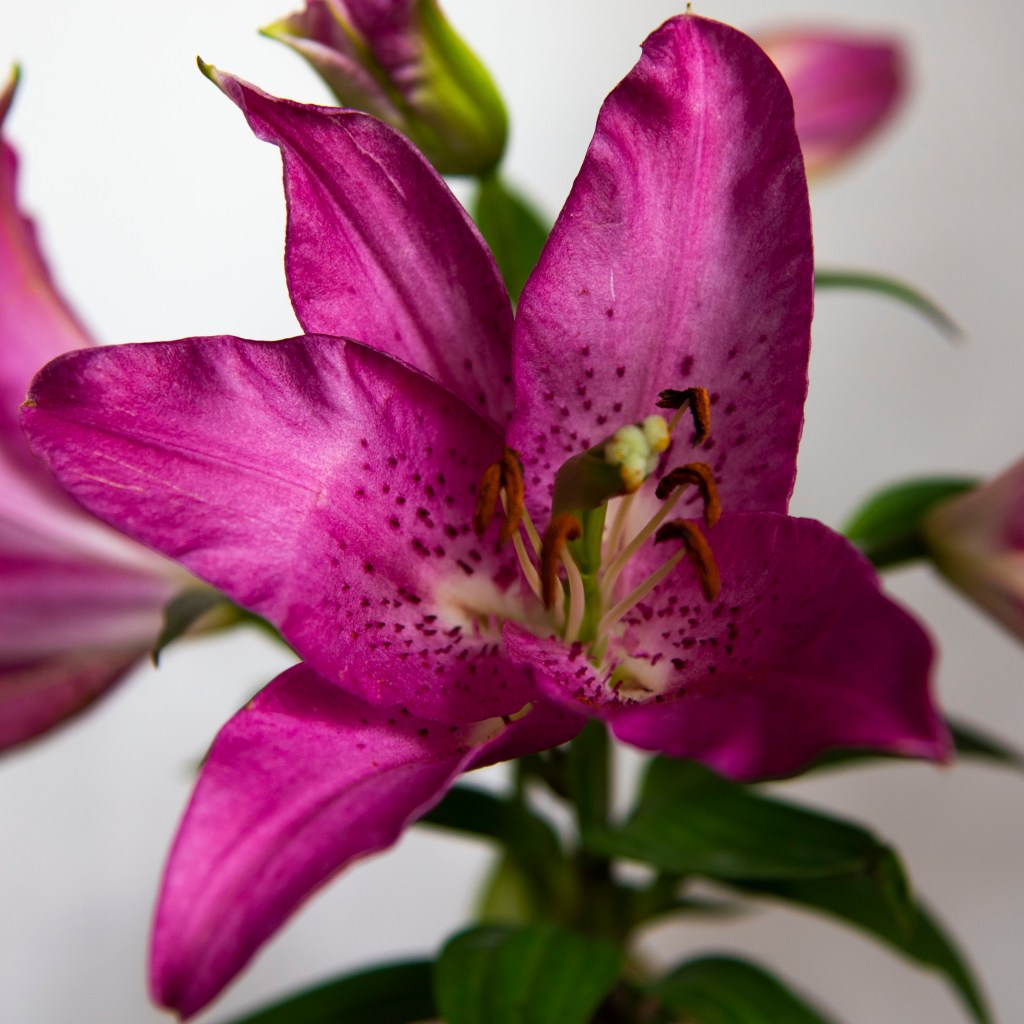
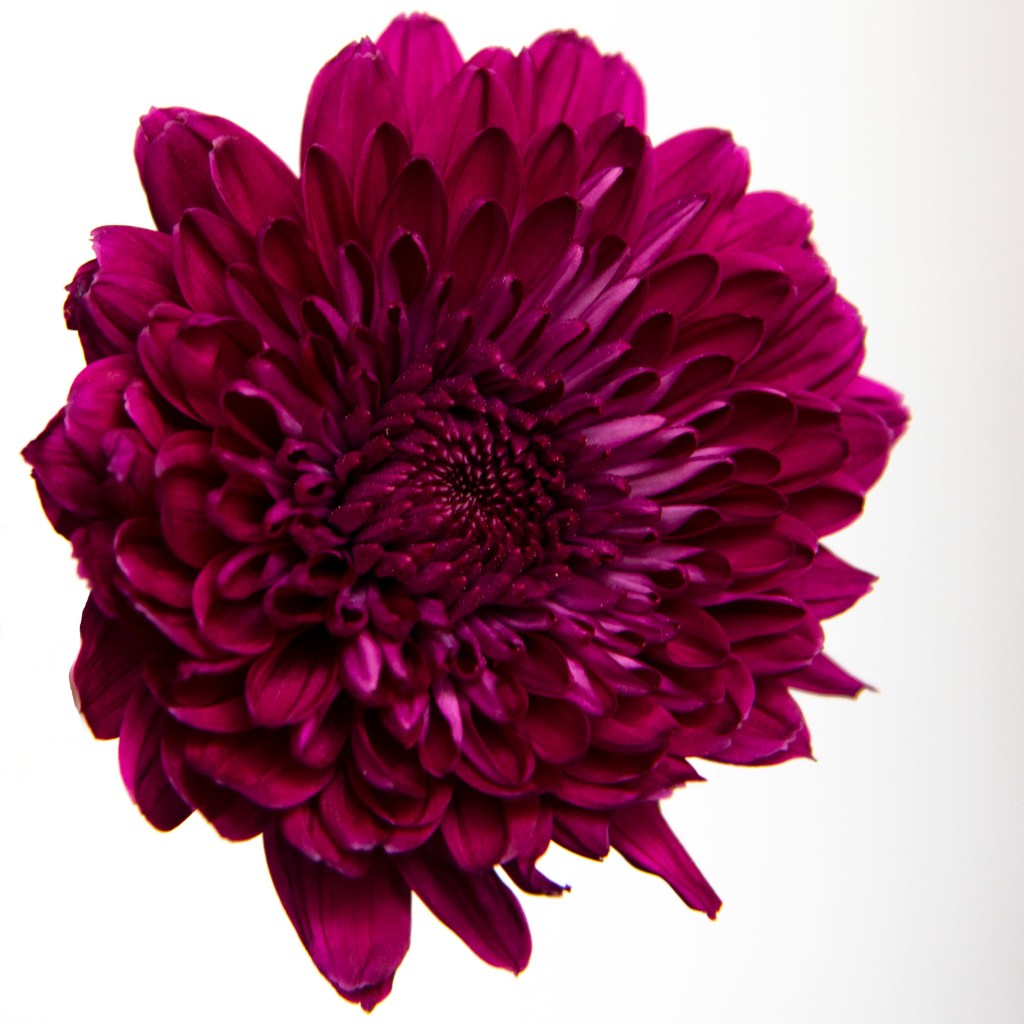
The photographer that I took inspiration from is Andrew Zuckerman. I took interest in his macro photography images of flowers that are against a simple white background. I love the look of the bright and dramatically colored flowers against a stark white background. The contrast really makes the flowers feel like they are almost popping off of the page. I love all the little details that you can see in the flowers. For my images I took the idea of bright colored flowers against simple white backgrounds. I tried to focus in on flowers that I found either in my grandmothers greenhouse or flowers that grow on my parents property to have a personal connection with the subject. I chose flowers that I could connect with because I grew up helping my grandmother water the flowers in her greenhouse and a lot of the flowers on my parents property were planted by me! I also wanted to link the assignment to what we are going through now! I thought that the best way to accomplish what I wanted was to photograph my surroundings and so I gathered as many flowers as I could find in my general area. A lot of Andrew’s photographs are side views of the flowers and I went with more of a frontal view so that you could see the details of the flowers head on, that is just a personal preference and I wanted to put my own spin on the photographs.

Andrew Zuckerman, 2013, From the book called Flower

Here are the images that I created:

This image is my favorite!

For my images I really tried to create images that went well together! I used different lightening techniques to try to create the most contrast possible between the colorful flowers and the white background. I struggled a bit to keep the background strictly white, but I do like how all of my images turned out. I learned some better ways to take the photographs and I think I got stronger images in the end than the images I started out taking! I really tried to focus in on the textures of each flower and I believe that comes through when you look at the images.

Chloe Trieff- Final Assignment

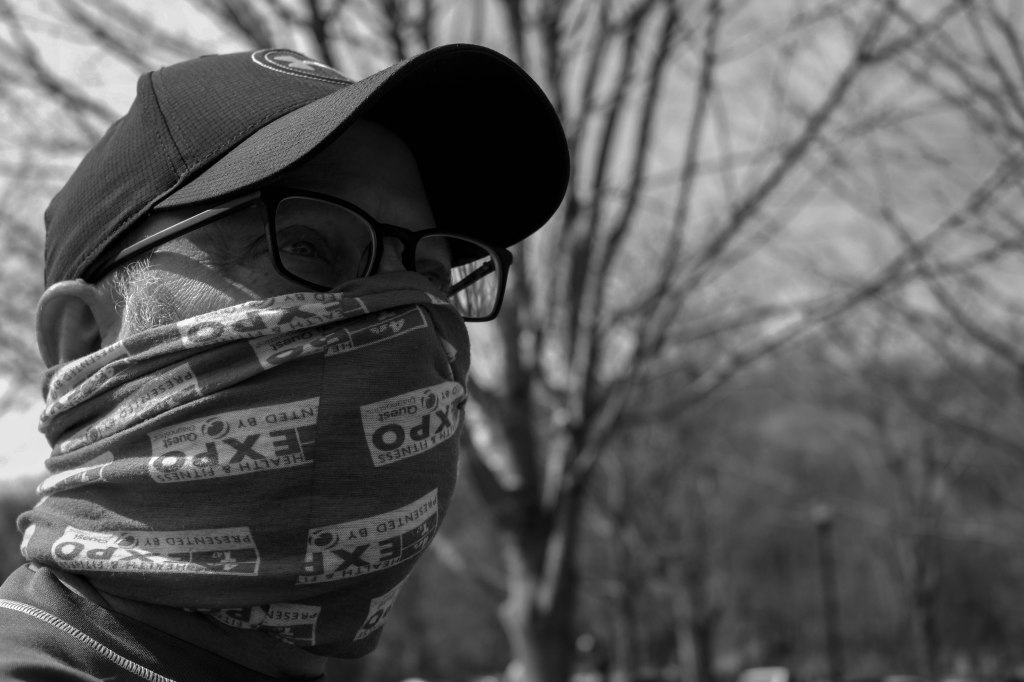
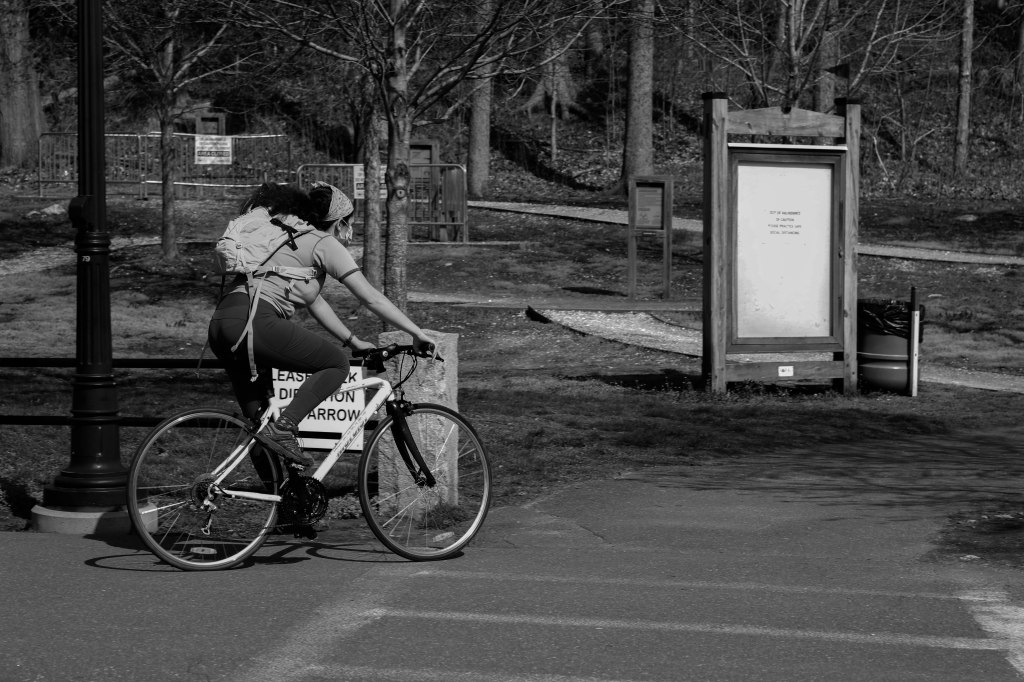
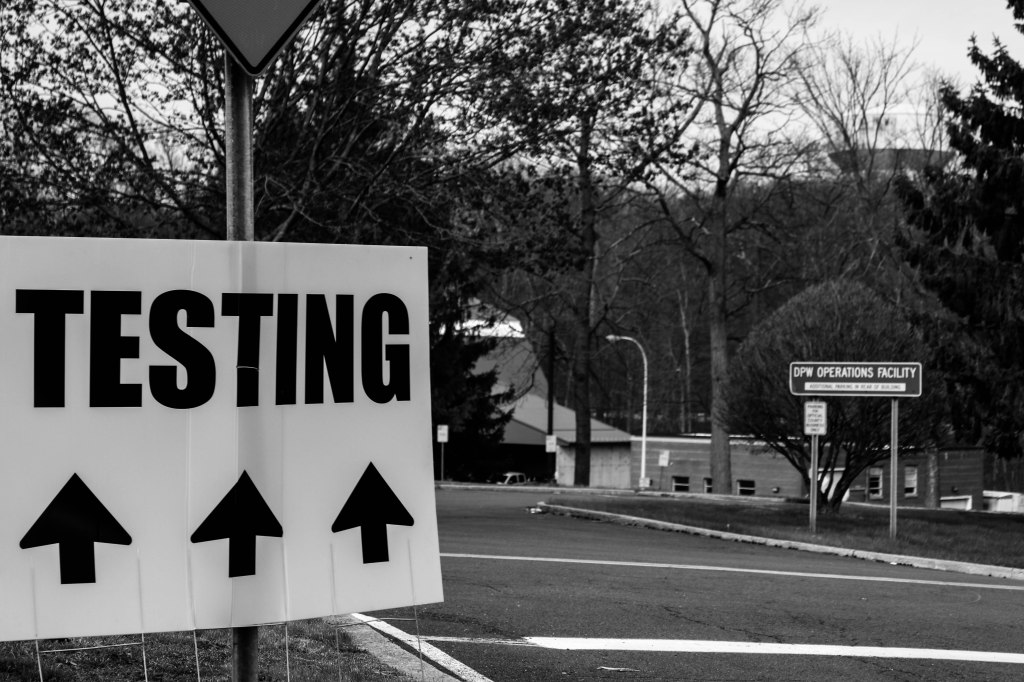
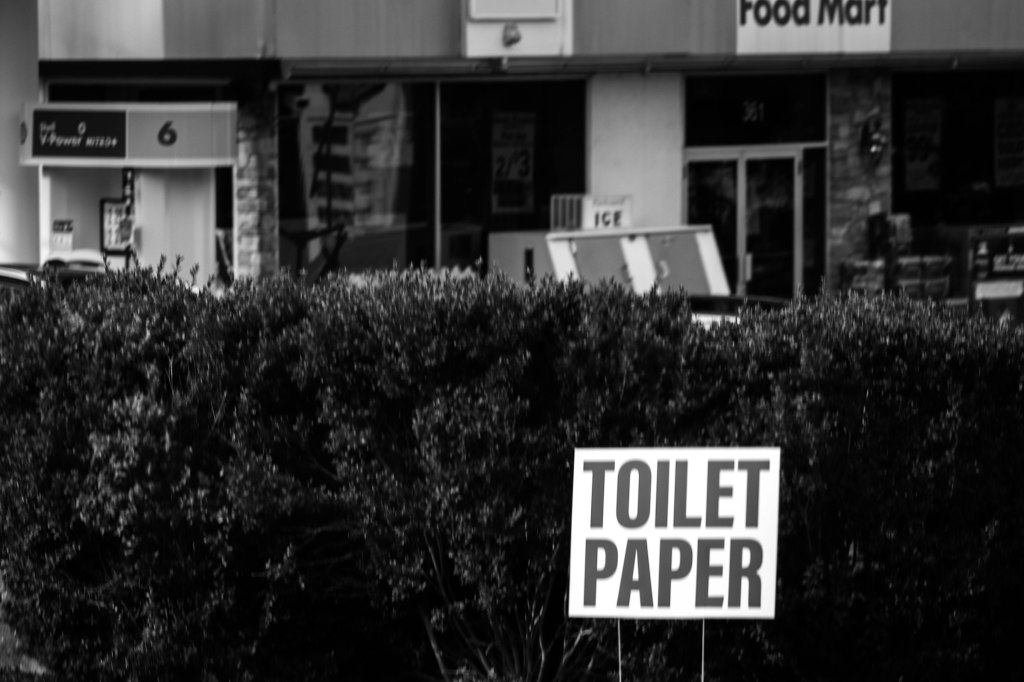
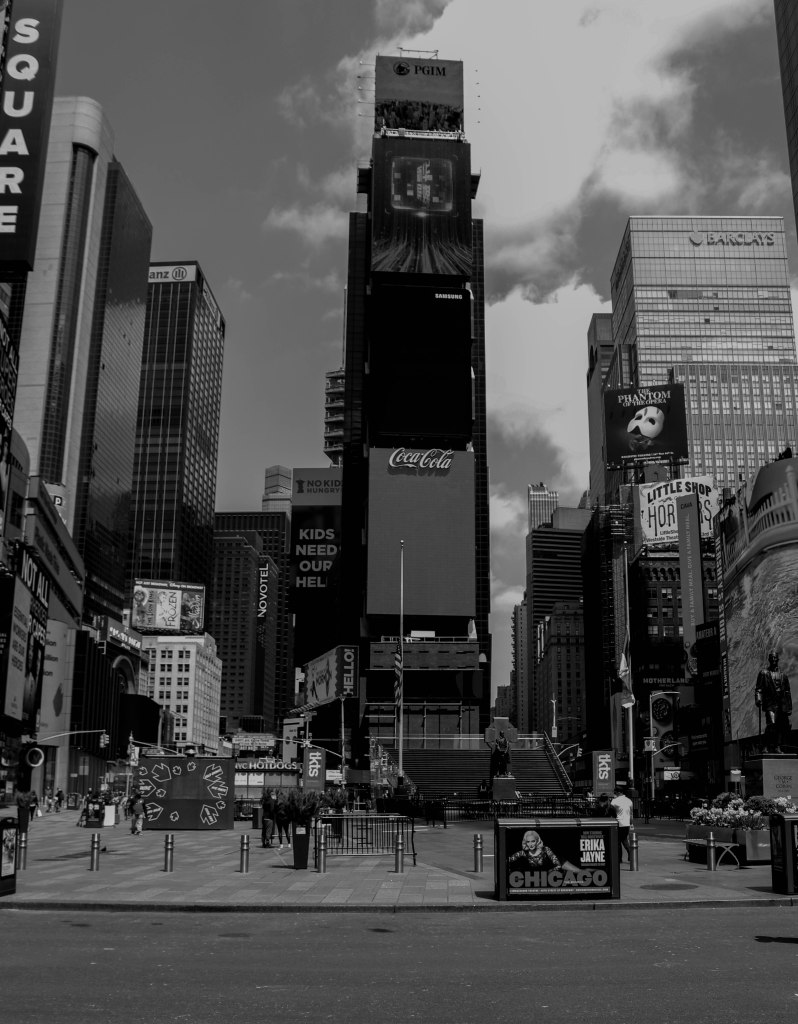
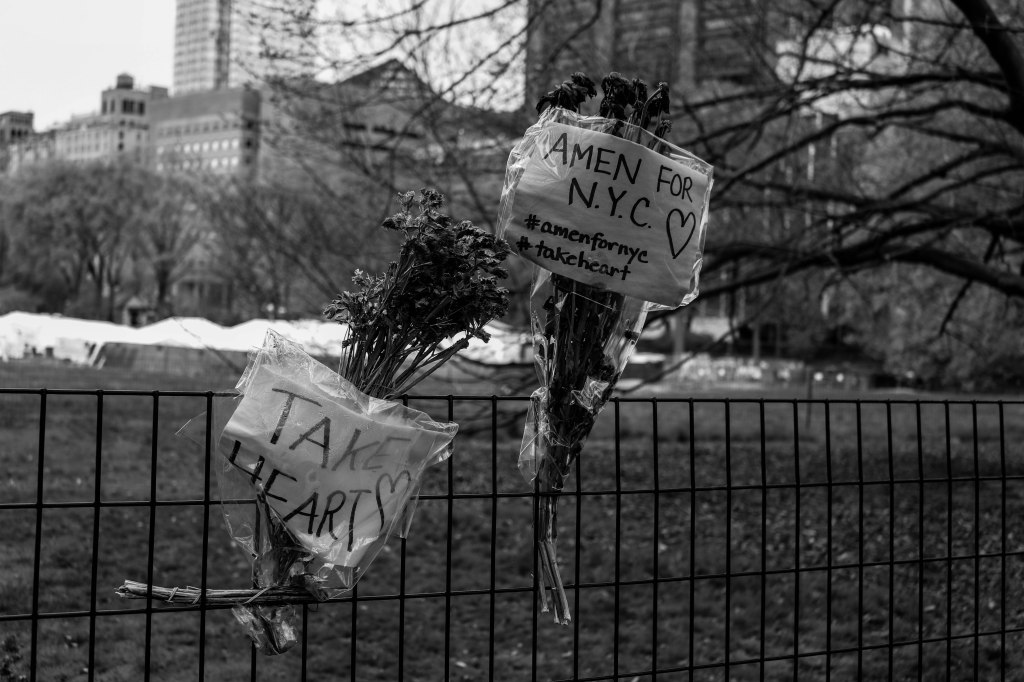
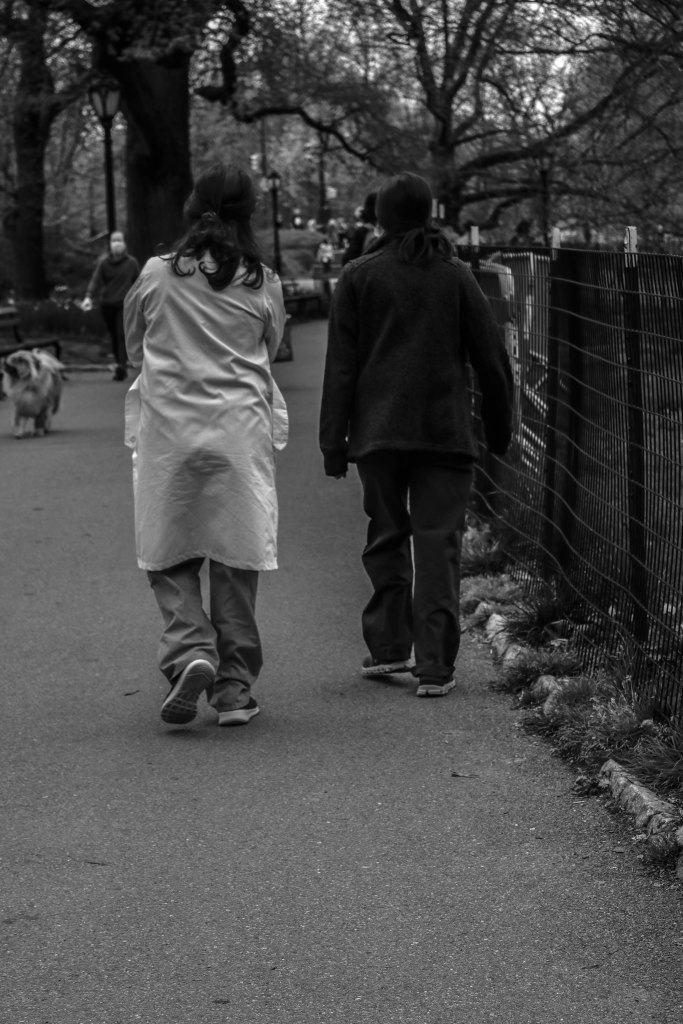
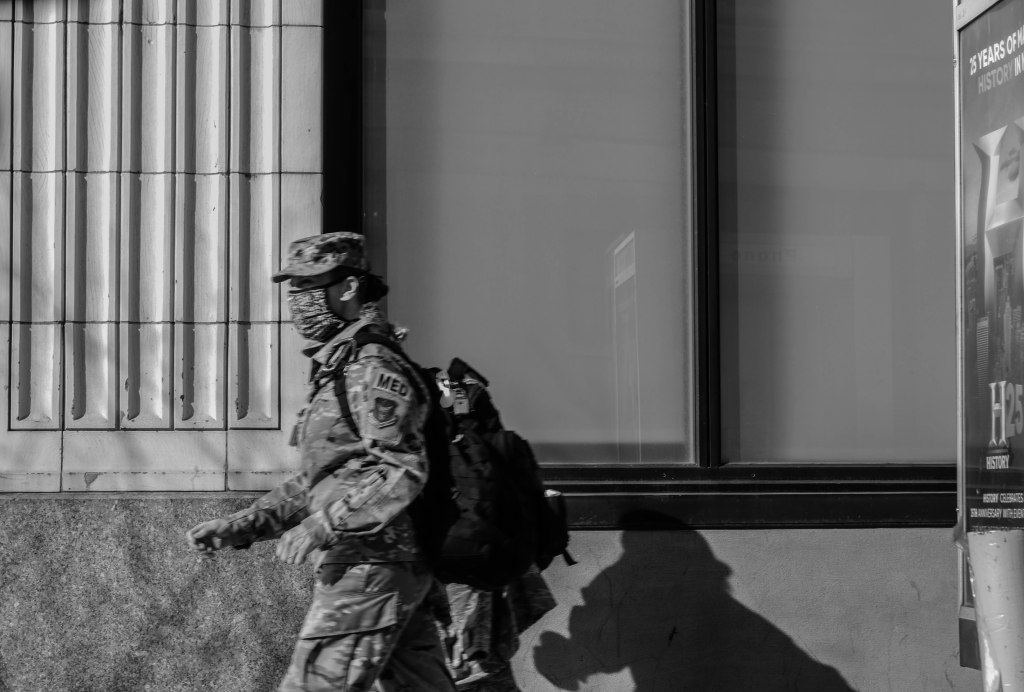
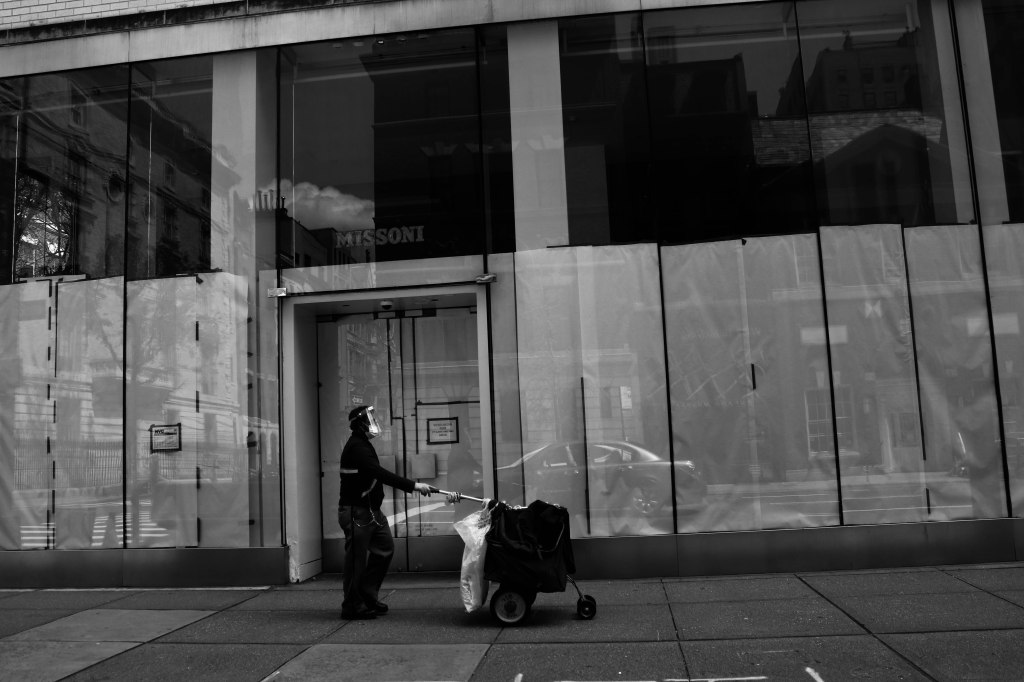
For my final assignment I have decided to continue on working on my Corona Virus photos. I personally believe that we are living in a very important time in our nations history and it should be heavily documented. We need to show future generations how bad all of this was so that it does not happen again. Important events like these should be recorded in order for the younger generations to really see and learn on what our country was going through. My photographs represent the emotion and intensity that this virus has brought us. They show the daily loves of people who are going through this dramatic time. I feel that my photographs are very important when looking back on these times.

I think it is very important that we stay inside as much as possible during this time. If you do choose to go out you should make sure to wear a mask and gloves. There are people out there who have a higher risk to getting the virus and it is important to take the necessary precautions in order to keep them as well as yourselves safe.

Final Project Kaylyn Thom

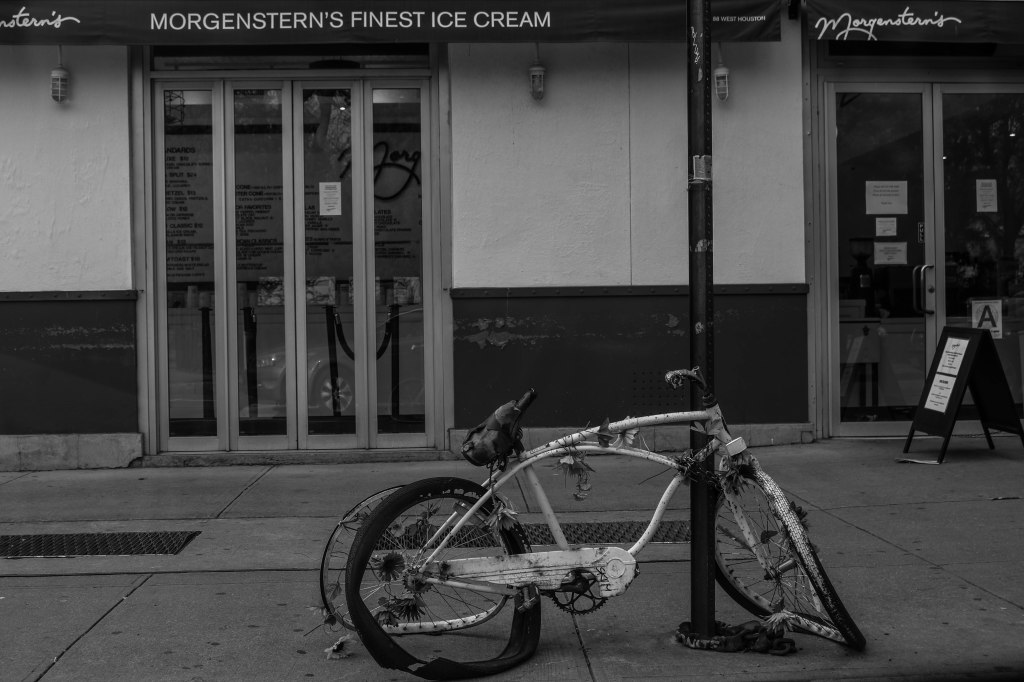
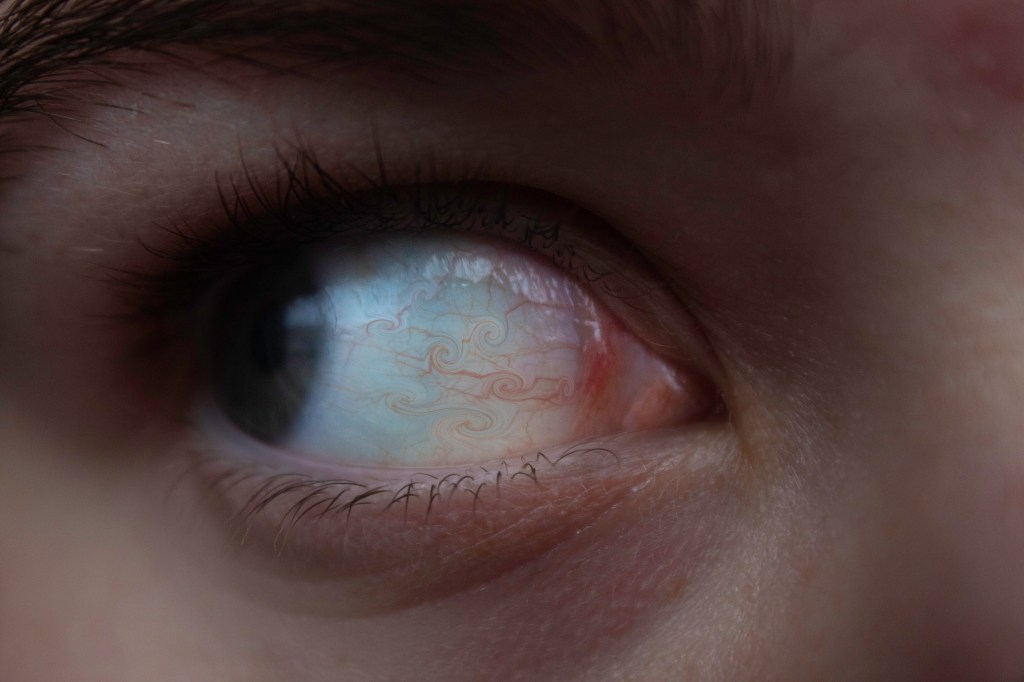
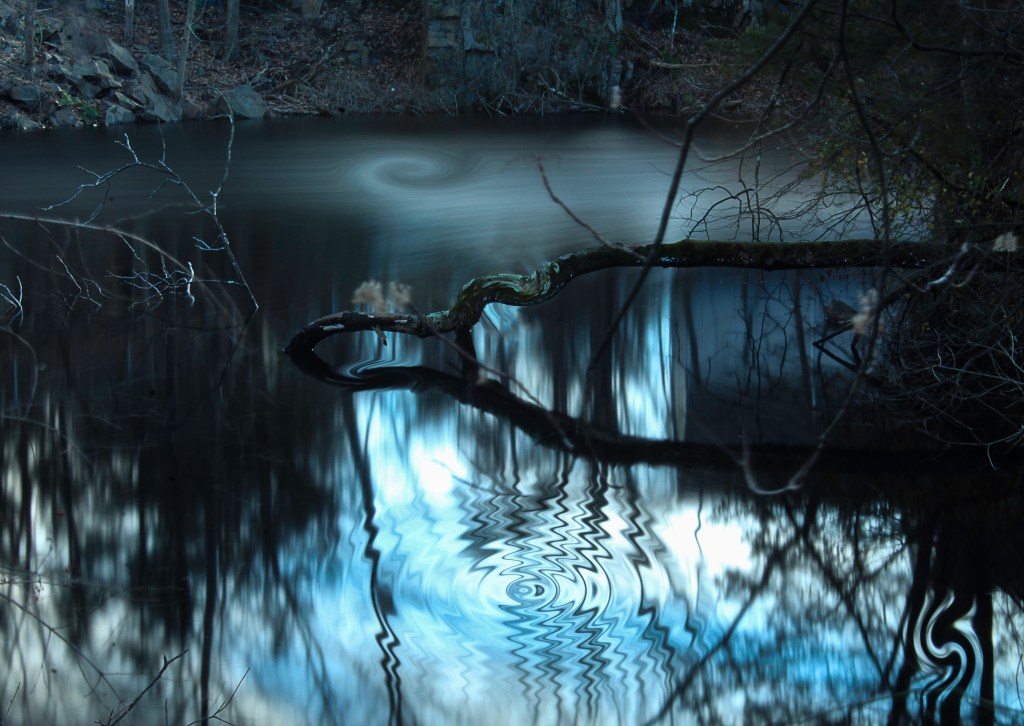
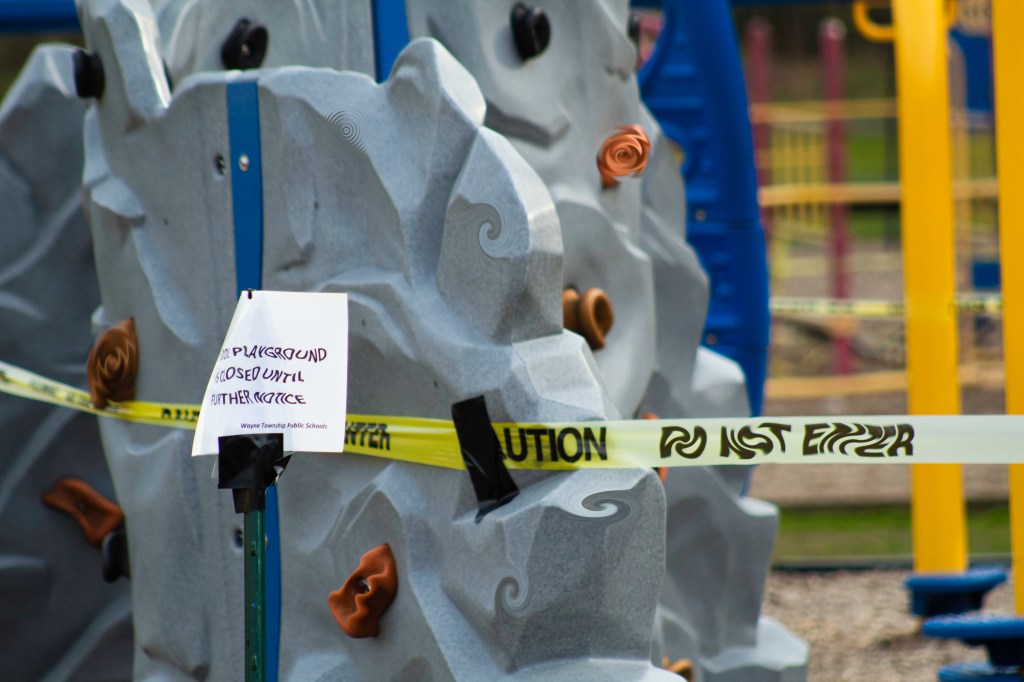
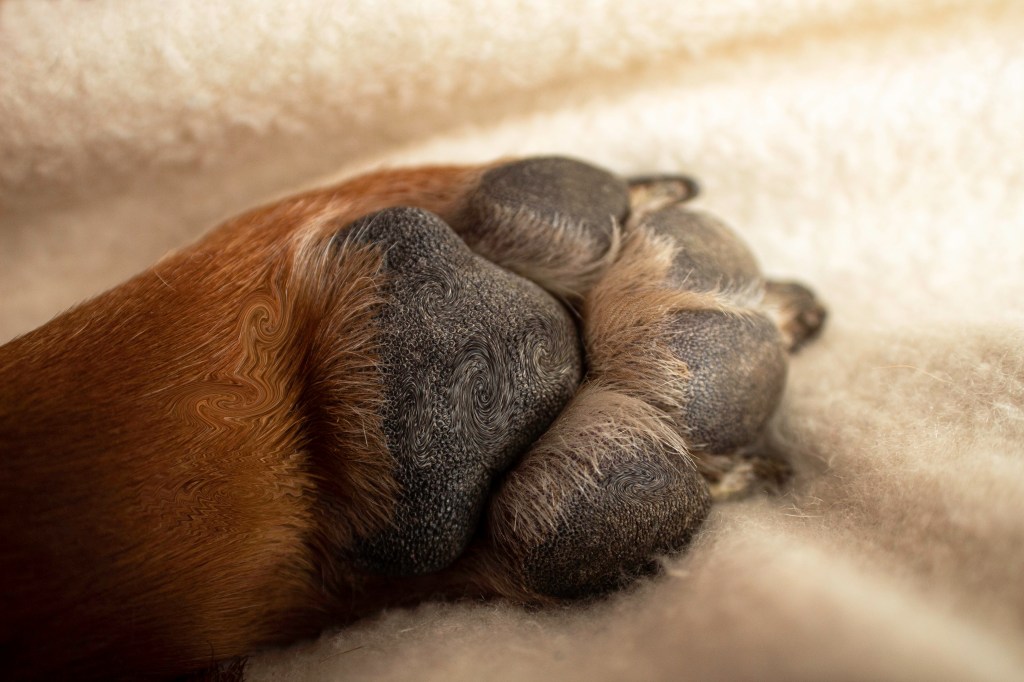
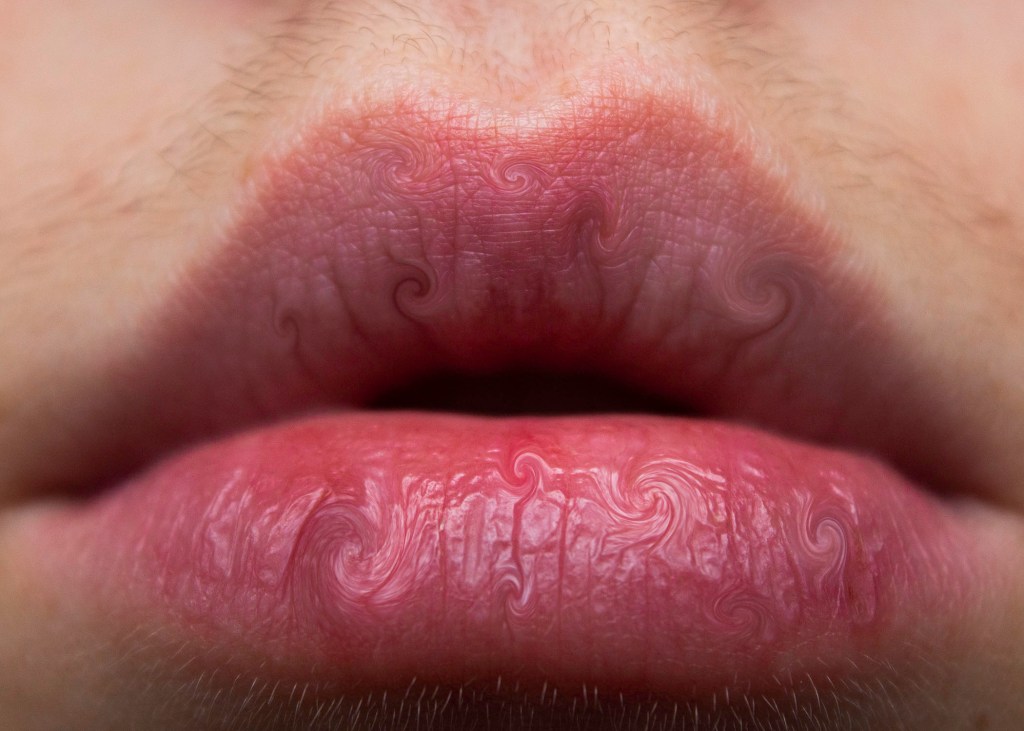
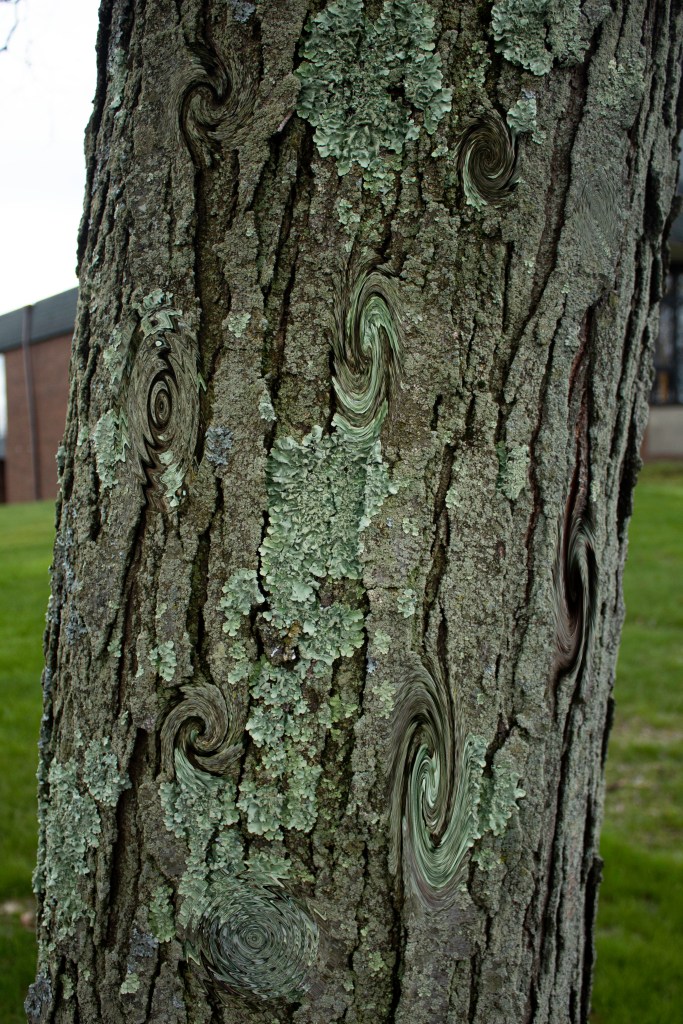
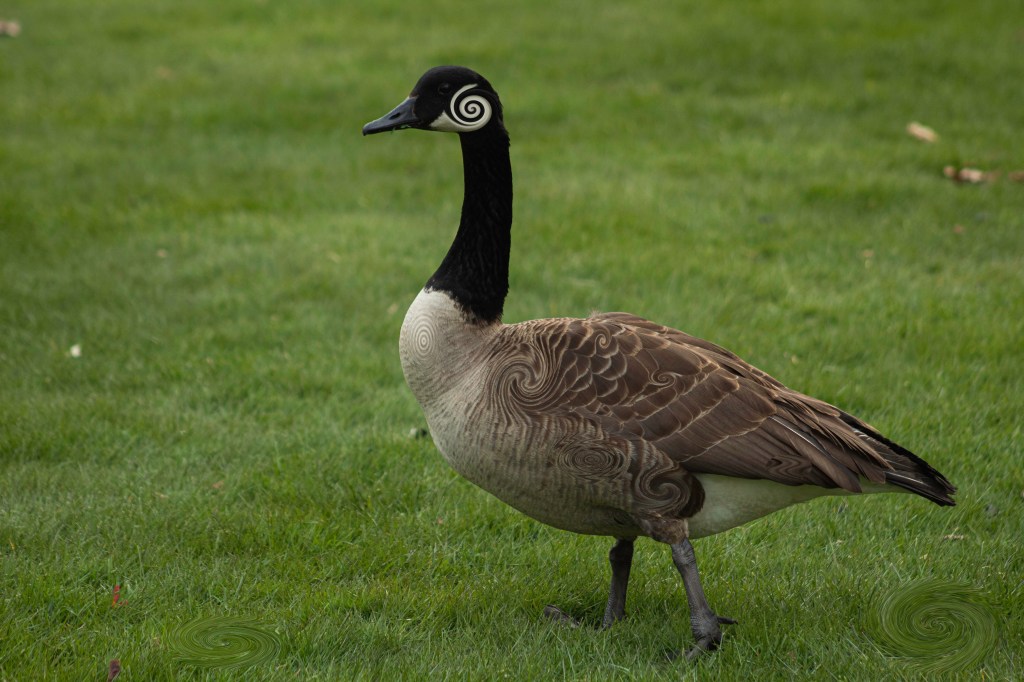
I chose to imitate Dyan Marie’s photo from the chapter reading of the palm because the misshapen swirls that interfered with the original lines on the hand caught my attention. I thought it was interesting that she tampered with the “life lines” of the person’s palm, showing that things in life may not go as planned. As I looked more into Dyan and her work, she does not use the swirling technique as she did in her work showed in the chapter. She uses other unique ways of altering her photos, to deceive the human eye. I adopted her way of developing her photos because, first, I have never seen any photos post processed like that before and having it mean something other than it just being a surrealist photo. Another reason why I wanted to take after Marie’s work was because I wanted to be able to take normal, everyday subjects and put a slight twist on them to make the viewer more intrigued and being left wanting more. My focus with this project was to allow the viewer to have to analyze the photos a little longer than they are used to. My goal with these photos is to catch the viewers a bit off guard and compel them to come back to it, and look a little closer. By inserting these swirls and other odd alterations to these, average and normal looking photos, it causes people to have to search for the bizarre alterations. Another, more deeper meaning of these odd adjustments is to let my viewers be just as intrigued as I was when I first laid eyes on Dyan Marie’s work, and to be able to cause people to think about life a little differently. Be able to help them understand through my pictures that life itself will not be an easy path or straight line, but some things, or events, are going to seem like they came out of nowhere, unexpected, just like the alterations featured in the photographs. And sometimes we won’t see those obstacles the first time around, making us dig deeper into those situations to get through them and to learn from them.  

Garrett Curfman Final Project

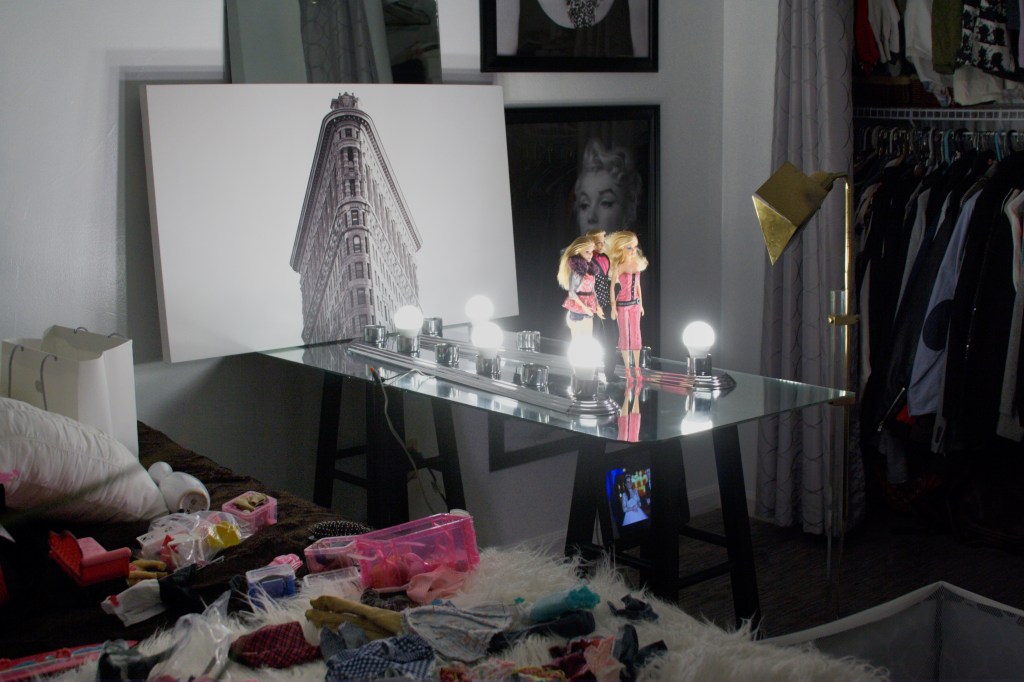
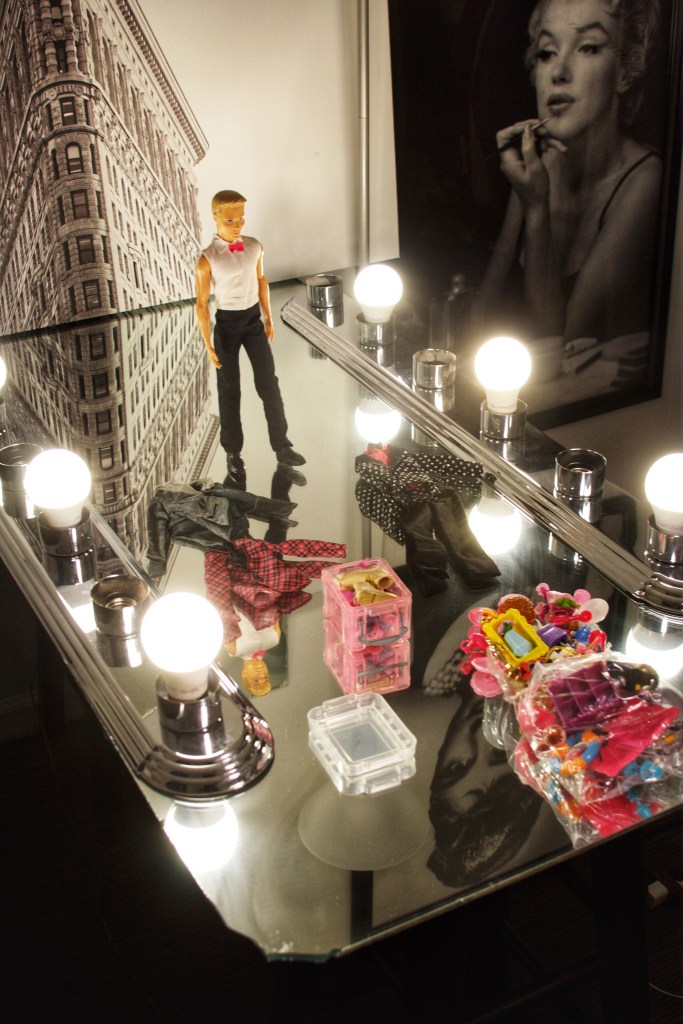
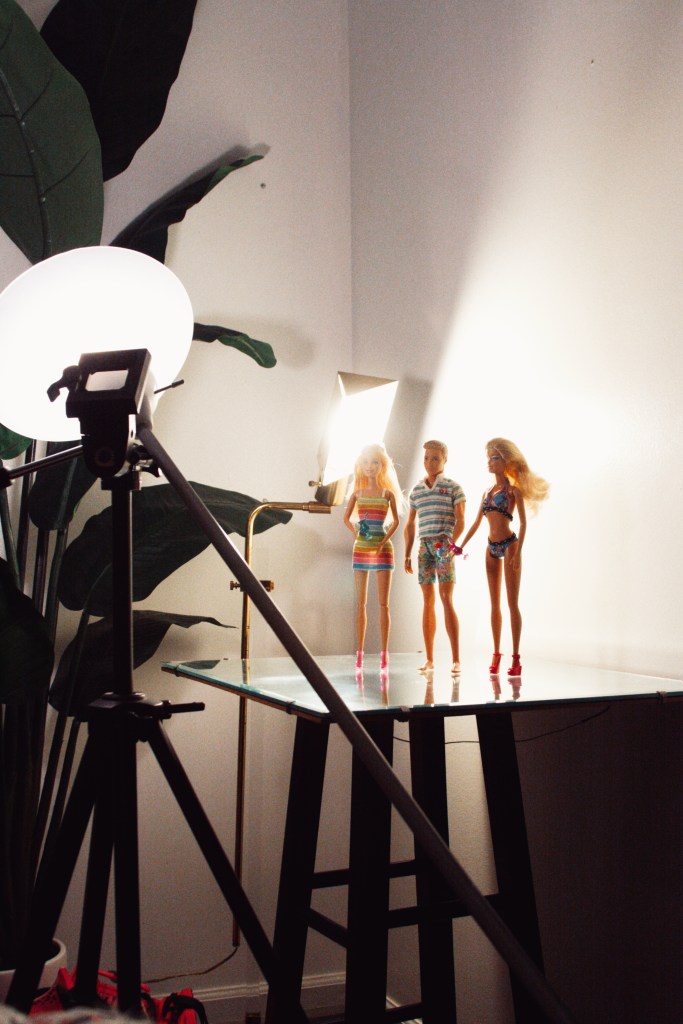
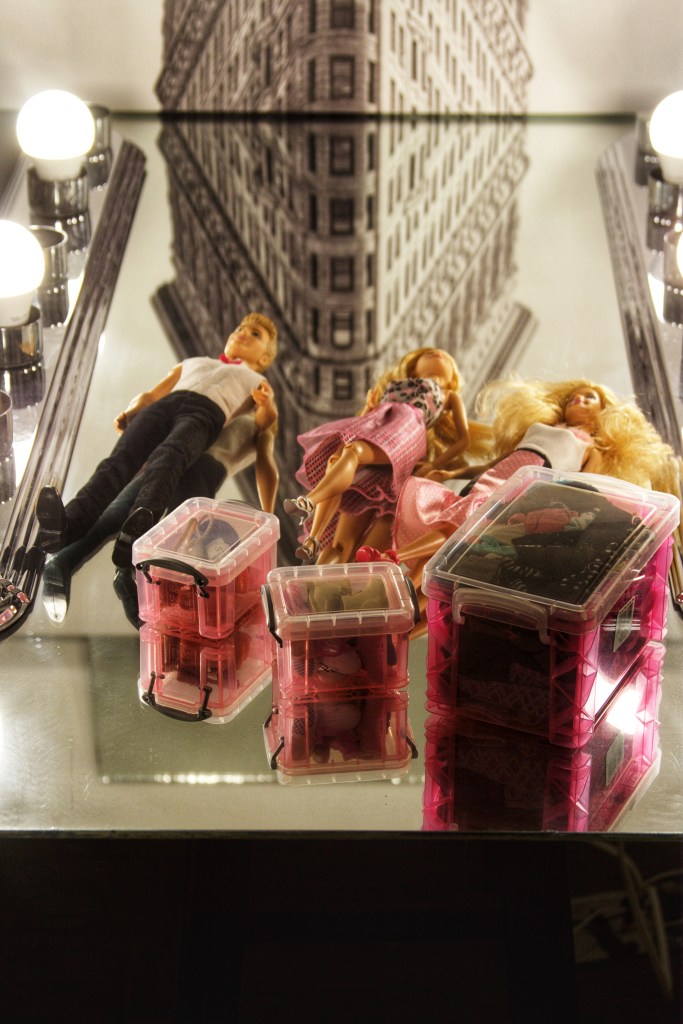
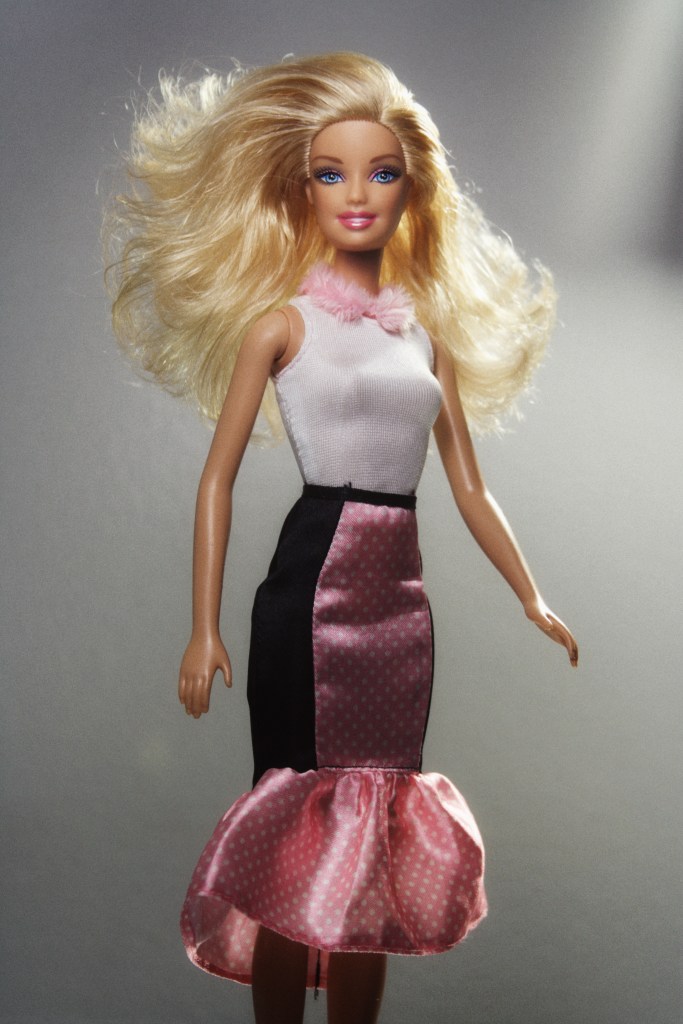
I chose to show the behind the scenes of the production side of what a photo shoot of Barbie looks like. My inspiration came from David Parise who takes photos of Vintage Barbies. I chose to show to backside and set up of the images because i think its interesting to see how the idea of this perfect Barbie is fake and manufactured creating false promises to the youth that Barbie is in fact just and a false reality. This idea was true a couple years ago and now we see diversity and evolution of size, shape, ethnicity, disabilities in Barbies which is good. I am focusing on the typical old fashioned idea of Barbie and the backside of how they create these “perfect” images.

Gregory Crewdson: Natural Wonder

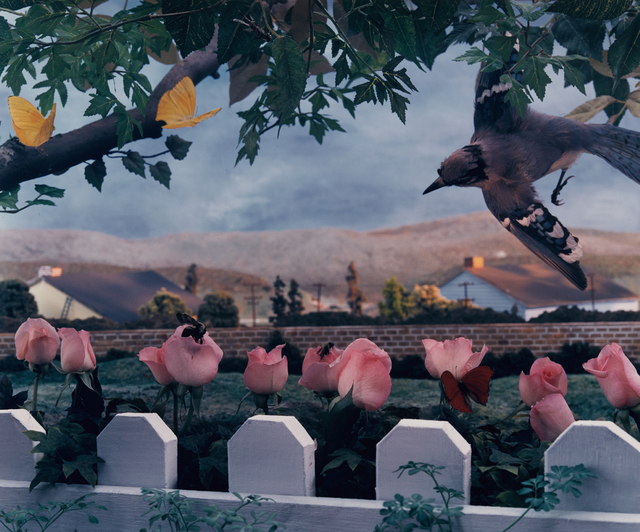
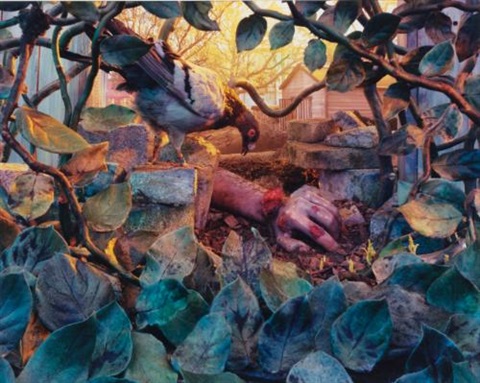
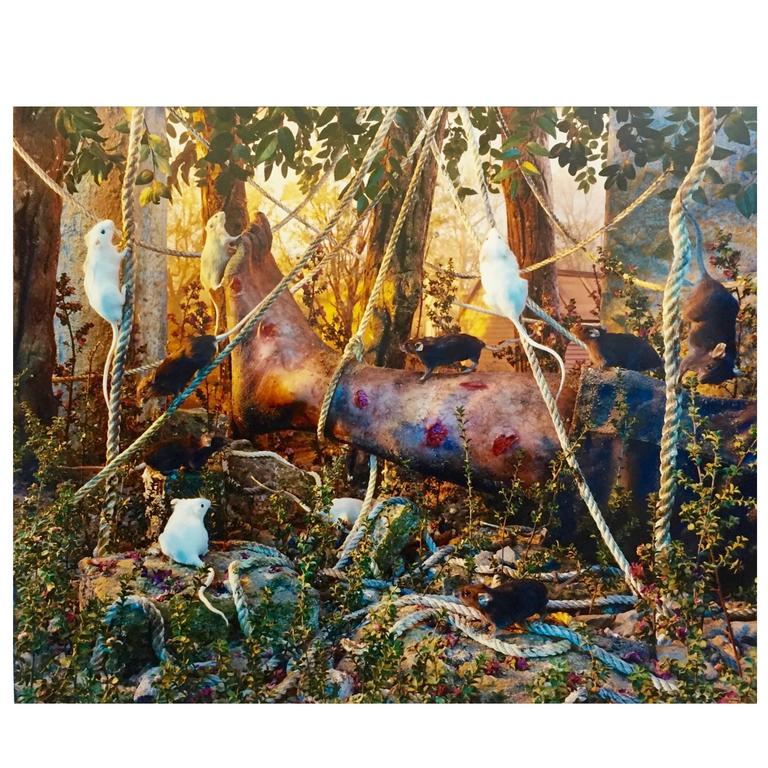
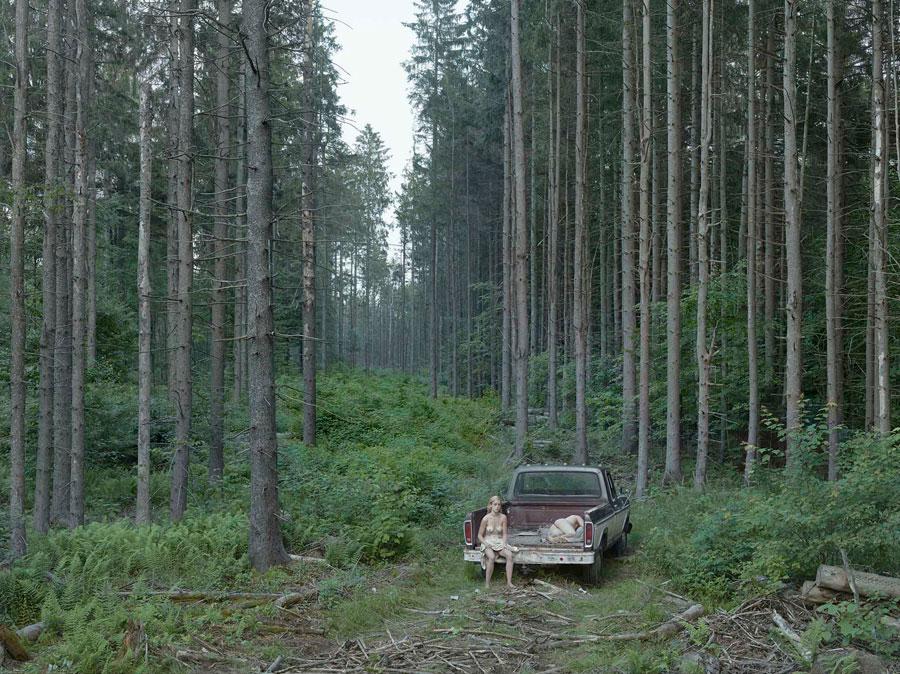
His first series of photographs after college was called Natural Wonder from 1992-1997. These photos were in the same location that his senior thesis photos were taken in Massachusetts. diving deeper into the beginnings of his work, these photos are focused around wildlife: Insects, plants, and animals. From the photos you get to see the disconnection that civilization has with nature. The wildlife is always shown in the foreground with signs of human existence in the background. Mostly consisting of suburban homes and interiors. These moments aren’t seen very often and depict very eerie, unsettling and in some cases grotesque, specifically the ones with human legs and arms. Yet his photographs are staged so beautifully you are drawn into them taking notice to the most minor details that help tell the narrative. The narrative is this case is reflected from external forces of his marriage falling apart, and the internal emotions that gave the vision for these photos.

Twilight

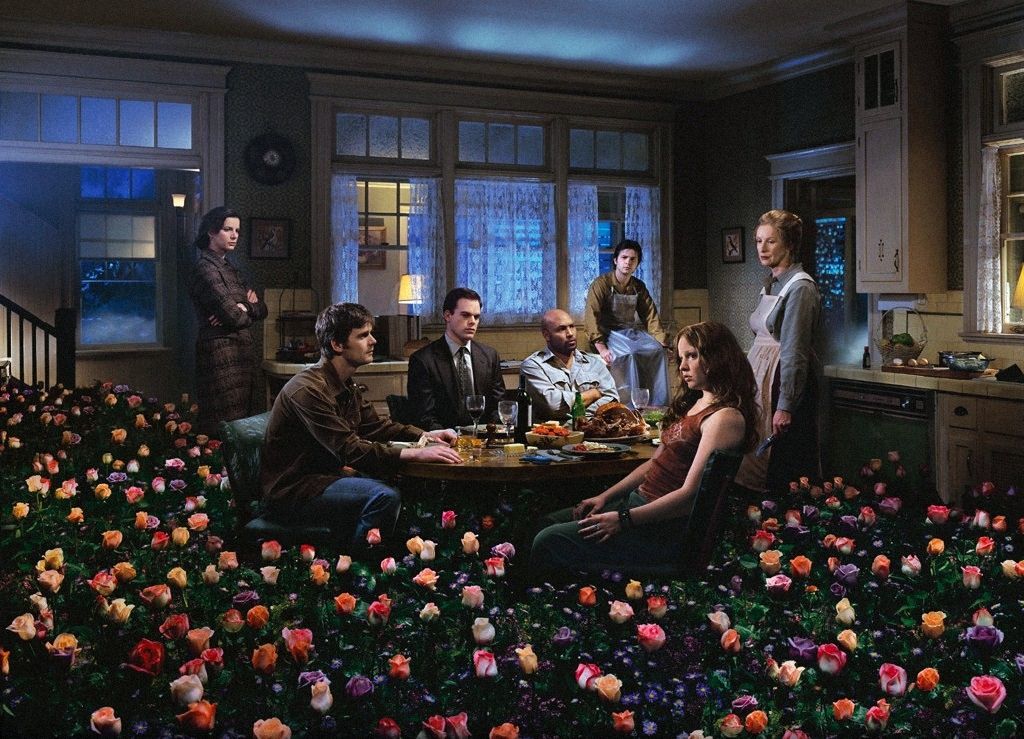
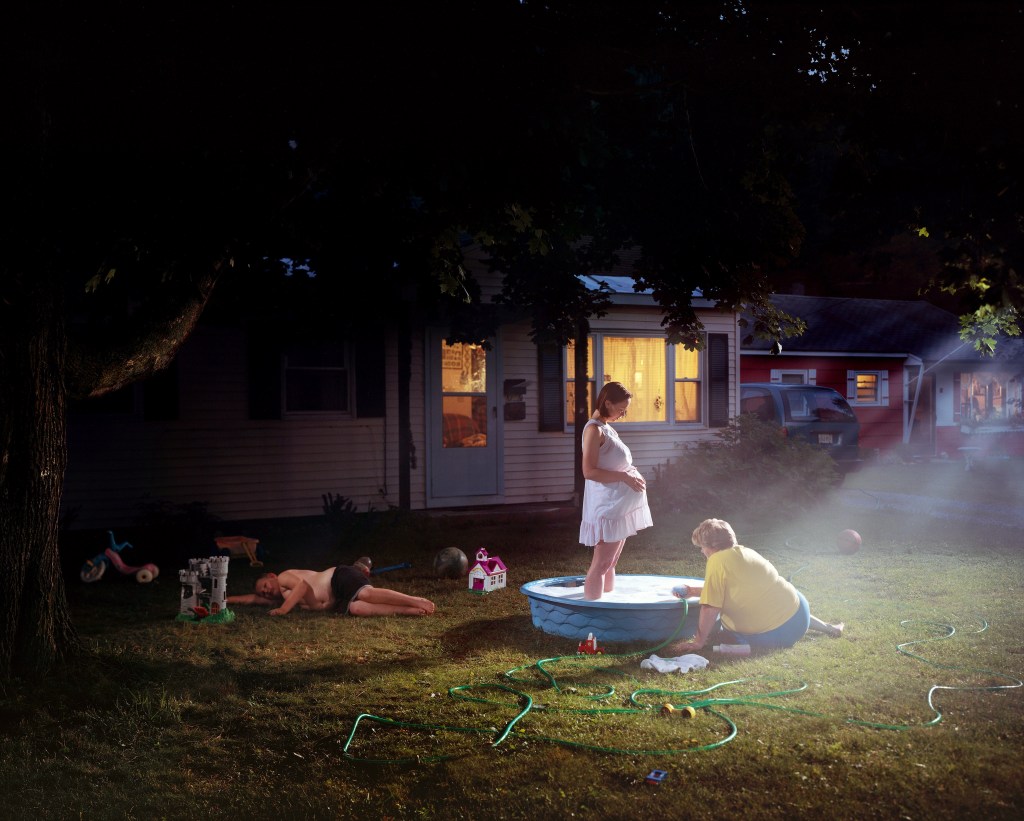
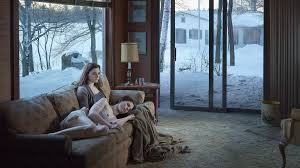
It’s interesting to see the progression and evolution of Crewdson’s work through his career. Seeing his first works stemming into his latest, he seems to remain fairly consistent with lighting and color and his fascination with suburban America as his backdrops and main focal points. Moving into one of his first exhibitions in 2000, Twilight was a continuation of his intricately staged sets. But these photographs illustrated humans rather that wildlife, compared to his first series Natural Wonder. These photos clearly show the cinematic style and quality that he is renowned for. The surreal nature of all the images tell stories of rebirth, death, and what lies beneath the surface. Contrasting with all of his other works, the Twilight series were all shot on location. Also, like many of his other series of photos, Twilight became a photo book which was released in 2003.

Cathedral of the Pines

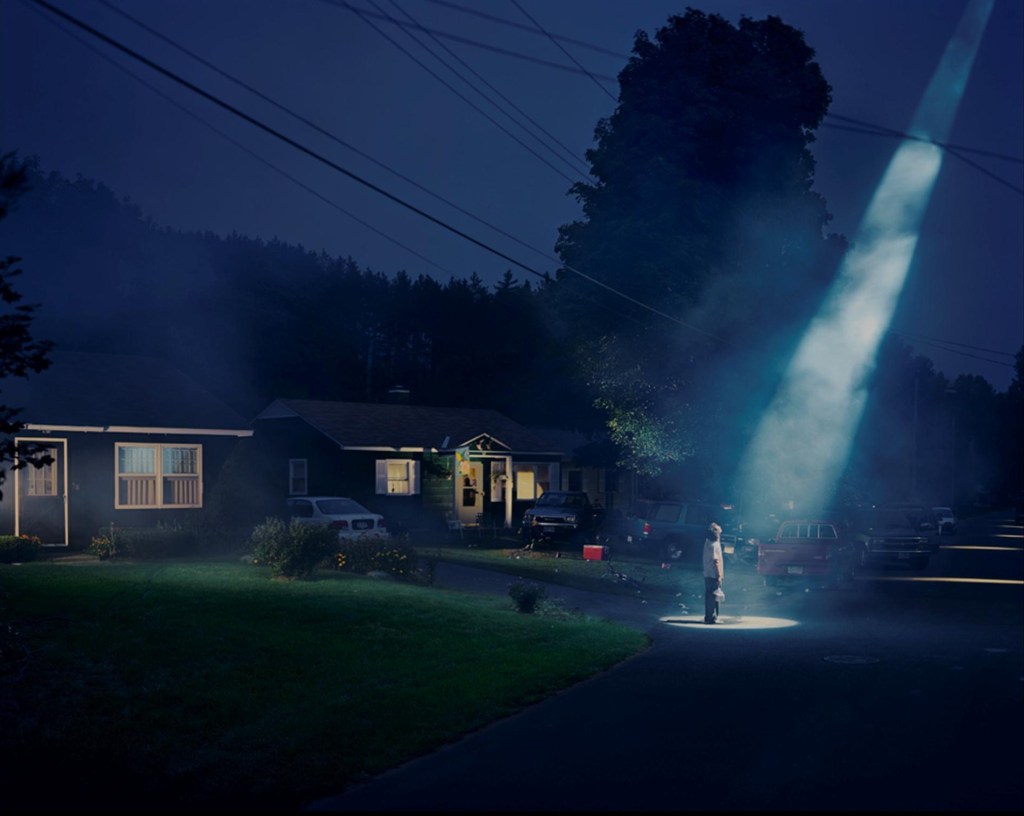
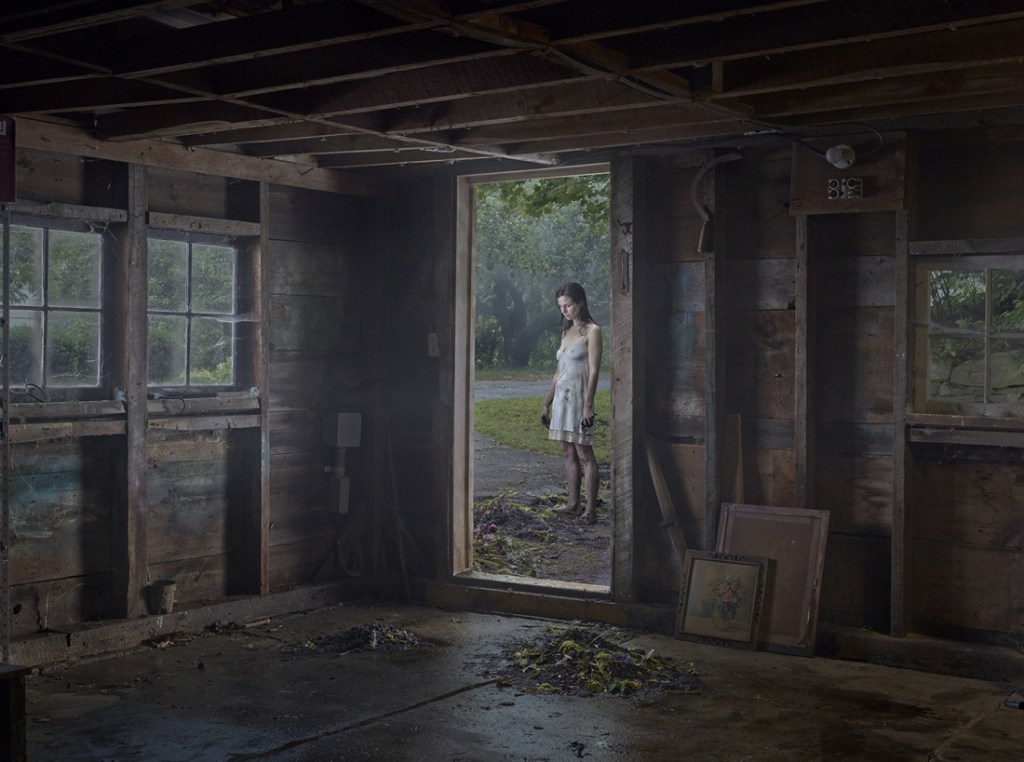
Crewdson’s work can be seen as a vague representation of his childhood. But they can also be seen as dark, and isolating, which can be referenced in some form in all his works, namely his newest being “Cathedral of the Pines.” These photos take place, deep in the forest of Becket Massachusetts. His interest in taking real life and ordinary situations and making them mysterious can be seen yet again so beautifully staged and composed. This series has an even more personal feeling, with many of his photos coinciding with the current state of his life. In fact, the photos were taken in Becket, Massachusetts. The same place that Crewdson moved to after living in New York for 25 years. Here is where I moved into an old church that was converted into a home. Crewdson had strong affiliation with this church and the area around it. The title of this body of work actually came from a trail the he found while hiking in the woods in Becket. “These pictures seemed to capture exactly where I was at that time. It was one of those unusual aesthetic awakenings. We have a few of those in our life. They came once in a great while.” (Smyth 2017).

Final Remarks

Crewdson is one of the most photographic legends of the 21st century and is an inspiration for many photographers and artists. The traditional approach to photography being documentary that Crewdson learned at Yale is combined with the oppositional style of fictions and construction. His images show the emotion and poverty that these people face every day. And in some cases, can leave his audience with more questions than answers. His photos are these moments in between moments, the setting of the sun, the interior and the exterior, of homes and humans. His work is a  psychological experience that can visually show you, anxiety, fear and Desire. And can leave you wondering what came before or what happens next.

Jane Liechty, final project

Jane Liechty

Professor Steven Rubin

Photo 201

April 26, 2020

How has studying the history of photography changed something in you?

I admit, at the start of this class, I was a history-of-photography novice. I had never heard the names Edward Weston, Garry Winogrand, or Margaret Bourke-White, but to my credit, I did recognize some of their work. For a person who would like to become a thoughtful, intelligent photographer, this is a shame and a waste. The history of photography contains a wealth of perspective and insight; to become good, I should learn from others. Recently, I watched a YouTube video with my son about which college degrees are of most and least value; it listed photography as a worthless degree. We laughed; after all, that’s what I’m pursuing. Apparently, I can learn all I need to know from the internet. Can I? It begs the further question, what do I need to know? In such a labyrinth of information, can I guide myself, or should I have mentors who’ve already navigated the maze? By enrolling at university, I have chosen the path of being mentored. A mentor I have chosen from my study of the history of photography is John Szarkowski (1925-2007) because he sees well, and I want to be able to see. I’m not blind but reading Szarkowski is like wearing a pair of sharp glasses that bring the world into better focus.

In the beginning, photography was not considered real art; it was viewed as the product of a machine, not an artist—a useful tool but also a threat, with potential to supplant and corrupt (qtd in Mayer). Vincent Van Gogh summed up this sentiment in a letter to his brother, Theo, “the reflection of reality in a mirror, if it could be caught, color and all, would not be a picture at all, no more than a photograph” (qtd.in Hertzmann). Others saw artistic potential and experimented. The struggle for photography to be accepted as art lasted more than a century. Szarkowski was the final champion, pushing the debate over the finish line. Szarkowski was Director of Photography at the Museum of Modern Art from 1962 to 1991. He was also a photographer, curator, historian, and critic. He published two influential books on photographic theory: The Photographer’s Eye in 1966 and Looking at Photographs in 1973, plus many more theses. It might seem strange to choose a mentor whose most influential ideas predate my lifetime, but I find his writing to be wise and thoughtful and worth my time.

Photographs are ubiquitous: on billboards, Instagram, magazines, computers, walls, and more. If a photograph makes it to a wall, then it’s probably more special than most. Our culture is so inundated by this visual language, that out of necessity, most photographs get no more than a cursory glance. However, if I am to be more than a spectator—if I am a participant—I must selectively look at photographs that repay study (Szarkowski, Looking at Photographs 10). This is to become a critic, to critique. To critique means to examine something and increase understanding of the thing being examined. A critique is a subjective opinion. Critics of photography abound: if you want an opinion, read Roland Barthes, Susan Sontag, or John Berger. Fast forward a few years to Postmodernism and photography becomes even more heavy on words and concepts, maybe even at the expense of the photograph itself. A photograph buried beneath too many words is hard to see. Of course, this is my own subjective opinion; you can take it or leave it, just like you can every critique.

Opinions, like preferred visual aesthetics, come and go. Every trend has had its naysayers: in the 1940s, Royal Cortissoz claimed that Modernism was “ruining the younger generation;” in the 1960s, John Canaday said the public was brainwashed into liking abstract expressionism; in the 1980s, Robert Hughes called Andy Warhol’s work stupid and shallow (qtd. in Sakasegawa). But who’s to say what’s a good or bad idea? History and the critics, and me. My opinion matters, at least to me. It shapes the focus of my work. Studying the history of photography is about becoming less ignorant, thinking critically, gaining skills to assess differing opinions, and becoming a better photographer. It helps to start with a more informed perspective, which leads me back to Szarkowski.

Critique is difficult and personal. A single photograph, Szarkowski says, can be about many things, and none of them might be about what’s important. Here, I reference three Szarkowski critiques in Looking at Photographs. Szarkowski calls Joel Meyerwitz’s photograph, Untitled, of a slide projector screen in a living room, taken in 1966, “a mystery, and a joke… profoundly banal… [whose] content… seems progressively less susceptible to translation into words.” He then proceeds to demonstrate several critical approaches (cultural, sociological, formalist, and symbolist or psychoanalytical) that he calls “clearly irrelevant” (208). Another example is his critique of Paul Caponigro’s Adara Domen, County Donegal, Ireland, taken in 1967. Of this photograph, Szarkowski says, “What it is that makes a photograph truly work is in the end a mystery… Finely hewn critical standards may help us explain the admirable, but between the admirable and the wonderful is a gulf that we can see across, but not chart… we recognize but do not understand meaning” (192). Finally, of Lee Friedlander’s New Orleans, 1968, Szarkowski says, “It would of course be possible to draw a diagram, with lines and arrows and shaded planes, to explain crudely what the picture itself explains precisely. But what conceivable purpose would this barbarism serve?” (204).

Critique doesn’t define art, but it does point out things worth noticing. It’s like taking a walk with a friend who points out a flower that you might not otherwise have noticed. Szarkowski likens the historical development of photography to “an untended garden, making full use of the principles of random selection, laissez-faire, participatory democracy, and ignorance” (Looking at Photographs 11). What a delightful, true, and strange description! Laissez -faire is a French term that means to let things take their own course without interference, and random selection and participatory democracy refer to a lack of restriction. In effect, any photographer or idea can compete. Mary Warner Marien shared a similar thought in Photography: A Cultural History when she wrote, “people living in a particular era do not synchronize their thoughts. They interpret, refine, resist, oppose, or ignore the prevalent attitudes of the time” (Marien x). Szarkowski’s final principle in this “untended garden” is ignorance. To be ignorant is to lack knowledge—to not know what can and cannot be done. Examples abound of how the ignorant startle the world with their insight and expression: neither John Lennon nor Paul McCartney could read sheet music, Vincent van Gogh was largely self-taught, and Diane Arbus’s intimate, intuitive portraits are beyond anything taught in school. For sure, Szarkowski’s “untended garden” is an interesting place.

Depending on topography, an untended garden will yield a type of wilderness that is either breathtakingly beautiful (think, National Parks), weedy beyond hope (think, kudzu choking out a tree), or anywhere in between. I have some experience with the randomness of gardens. Generally, I like to tend my garden; left alone, it quickly becomes overgrown and messy. Some level of randomness, however, has value. One year, my garden enjoyed an unexpected burst of pretty columbines; another year, a sunflower grew in a flowerpot where it had not been planted, probably thanks to a passing bird. Left completely untended, my garden becomes a hopeless mess, subject to survival of the fittest (perennial weeds) rather than my preferred survival of the fairest. I see many similarities between gardens and photography. Just as no two gardens are exactly alike, so it is with photographers. In my garden, I nurture the plants I like and toss the ones I don’t, but my neighbor, whose garden is just as good as mine, makes different decisions. In this process of weeding and nurturing, I gain a sense of my own identity, learn to assess change and continuity, see new perspectives, and become more informed and aware.

As I look over the last one hundred years of the history of photography, what I really is see, so to speak, is a vast expanse of many, many gardens. It’s not a place I can wander around quickly; I’ll have to take my time, returning often to uncover its secrets. The gardens are traditional, anarchic, realistic, abstract, public, private, expansive, and intimate. It is, indeed, what Szarkowski calls “a bewildering variety” (Mirrors and Windows 11). To try and make sense of it all, I realize that a guided tour might be the place to start. Marien steps forward and offers to guide me from a chronological perspective, and I accept.

We wander around, admiring this eclectic collection of spaces. I want to learn from the past and see how these gardens relate to what I’m doing at home. I hope they will help me understand my current work. She explains why each garden looks as it does and points out details that I might not have noticed on my own. I am drawn to Alexander Rodchenko’s geometric abstractions, odd angles of view, and strange perspectives; I like what he shows me about hierarchy and vantage point. I look over Dada’s “great negative work of destruction” (Marien 240) and decide that it’s interesting but not my style. Turning a corner, I am startled by the breathtaking landscapes of Ansel Adams and learn that these majestic views are not static but ever-changing with the quality of light (Szarkowski, Looking at Photographs 144). We wander on, into a dust bowl and see the people of the Great Depression. I look long and hard at their faces and gestures, trying to read their stories. On and on we go, through the decades, and I become aware that one of the most enduring things about this garden is its light. I resolve to think more about the quality of light and how it impacts my garden. In all, I see many gardens that I like, and many that I don’t. I think critically about what I want my garden to say. I thank Marien for the tour and head home, a little overwhelmed.

At home, I pick up my camera and take some photographs. I wonder who I am and what I have to say and why I am drawn to photography. I like that photography is art, but I don’t think I’m an artist of the expressionist sort, and I don’t like postmodernism too much, and I’m not enamored by the current trends of feminism or gender—I believe that women have an important voice and should be heard, but not at the expense of shouting over men. I think that family dysfunction is worth fighting against, that it should be explored but not celebrated. I look back through history to see what other photographers have said. I think about the meaning of their work—the context, the mood, and the message—and let it inform my work.

One way I can learn from other photographers is to imitate their style. When I try this experiment with Platon’s style, I learn more about photography than I expect. Through trial and error, I learn his technique (focal length, studio lighting, distance from subject, postprocessing, and so on) but then, surprisingly, I learn that his work is about much more than technique. Apparently, it’s not about photography at all, but communication. This process is like when I plant a seed and expect a certain result and it all turns out different. The unexpected can be mysterious, colorful, and exciting. Maybe this is what I have learned to see—what Szarkowski calls the difference between the admirable and the wonderful. My imitations are admirable, not because their pictures were not wonderful, but because the spark is uniquely theirs. And then, unexpectedly, I make a wonderful photograph that is uniquely mine. This spark is like the welcome columbines and sunflowers that grow without invitation. Photography is like tending a garden, letting experience shape its space but not define its future. I look and see and learn and grow, then find what I didn’t even know was there within my own garden, waiting to be discovered, and I am satisfied.

Works Cited

Hertzmann, Aaron. “How Photography Became an Art Form,” July 23, 2018, https://medium.com/@aaronhertzmann/how-photography-became-an-art-form-7b74da777c63. Accessed April 26, 2020.

Mayer, Nele. “Baudelaire, a Skeptic, Shares his Photo,” July 16, 2015, https://www.nypl.org/blog/2015/07/16/baudelaire-shares-his-photo. Accessed April 26, 2020.

Marien, Mary Warner. Photography: A Cultural History. 4th ed., Pearson, 2014.

Sakasegawa, Mike. “A Predictable Trend in Photography Criticism,” June 7, 2016, https://petapixel.com/2016/06/07/predictable-trend-photography-criticism/. Accessed April 26, 2020.

Szarkowski, John. Looking at Photographs: 100 Picture from the Collection of the Museum of Modern Art, 8th printing, Bulfinch Press, 2008.

—. Mirrors and Windows: American Photography since 1960, Rapoport Printing Corp, 1978.
Yelena – Final Project

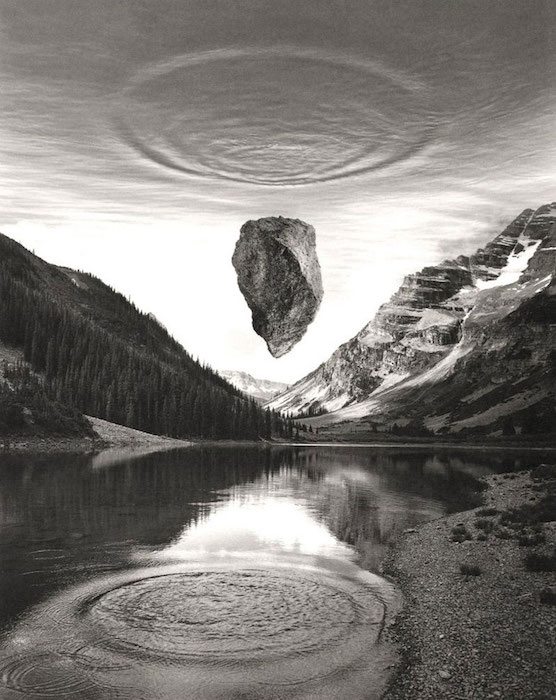
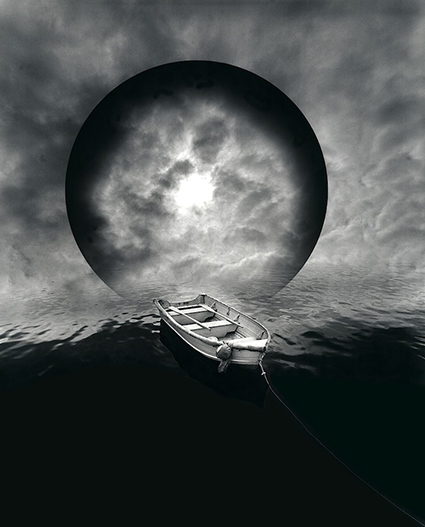
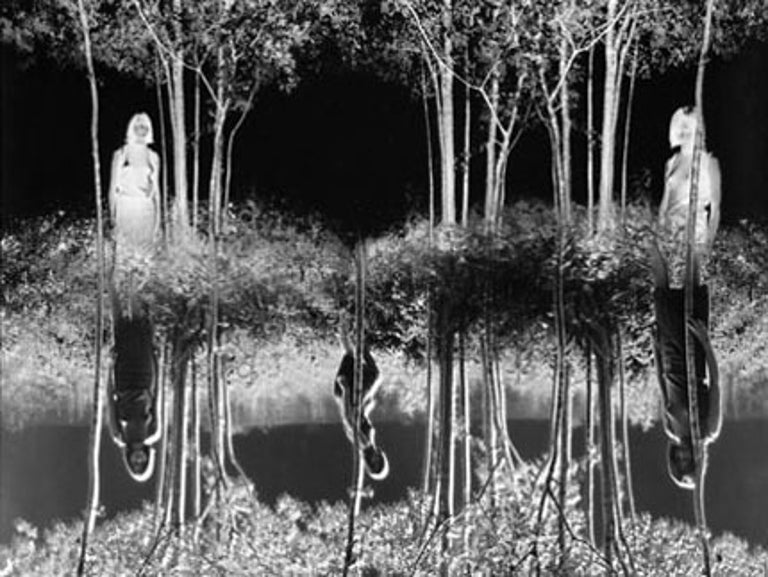
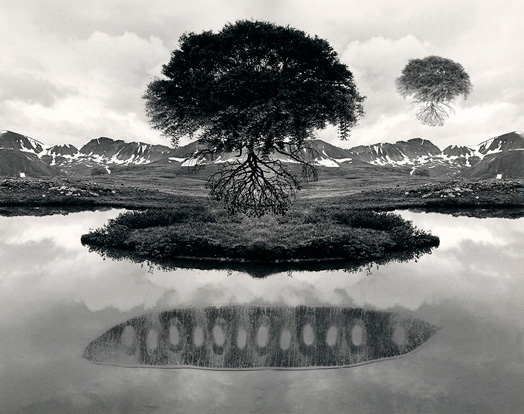
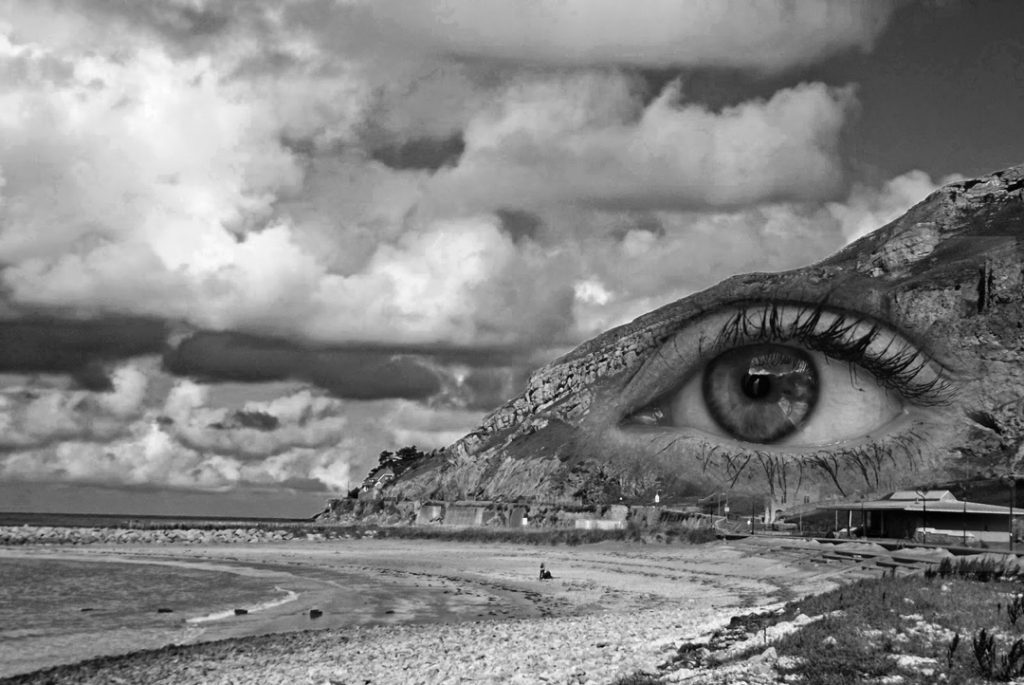
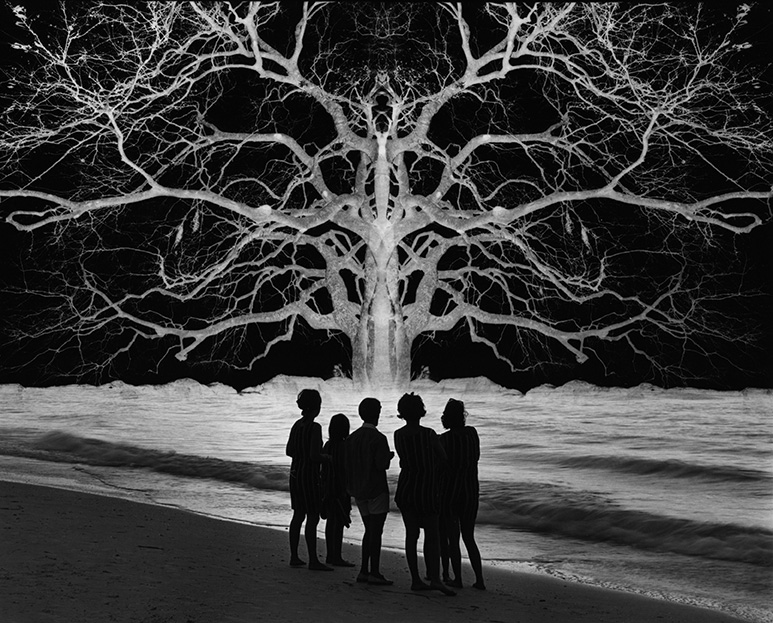
The photographer I’ve chosen as inspiration for my photos is Jerry Uelsmann. I’ve chosen his work because he mostly does surrealism and that is the type of photography that I love to experiment with.
His work: 

My work:

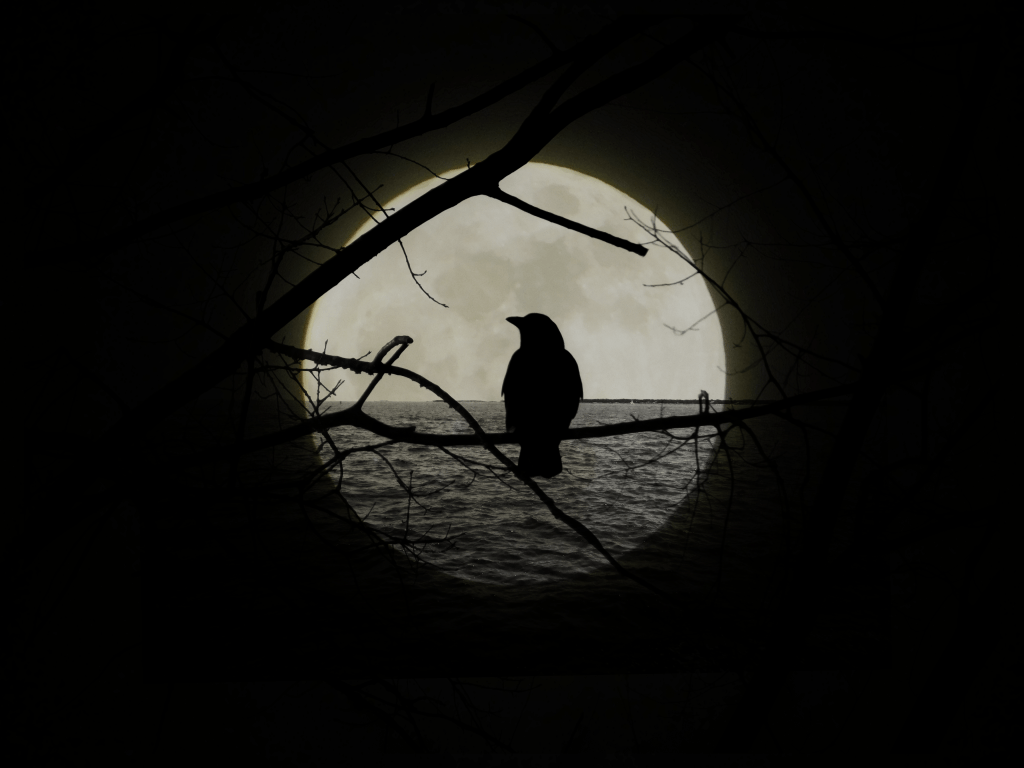
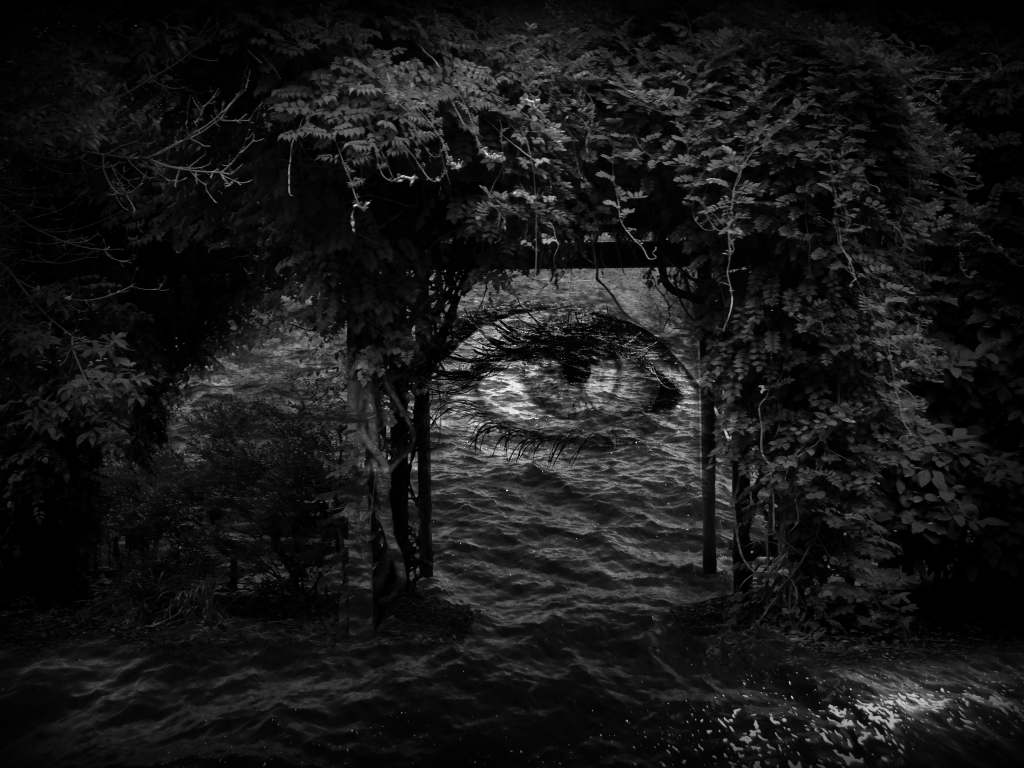
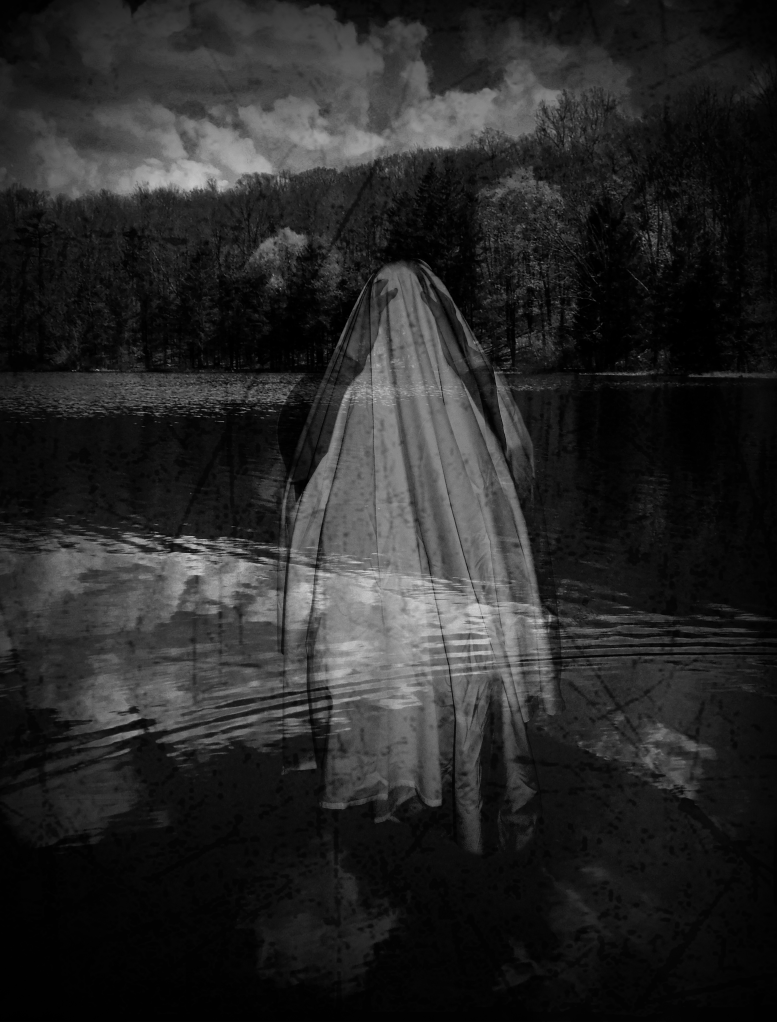
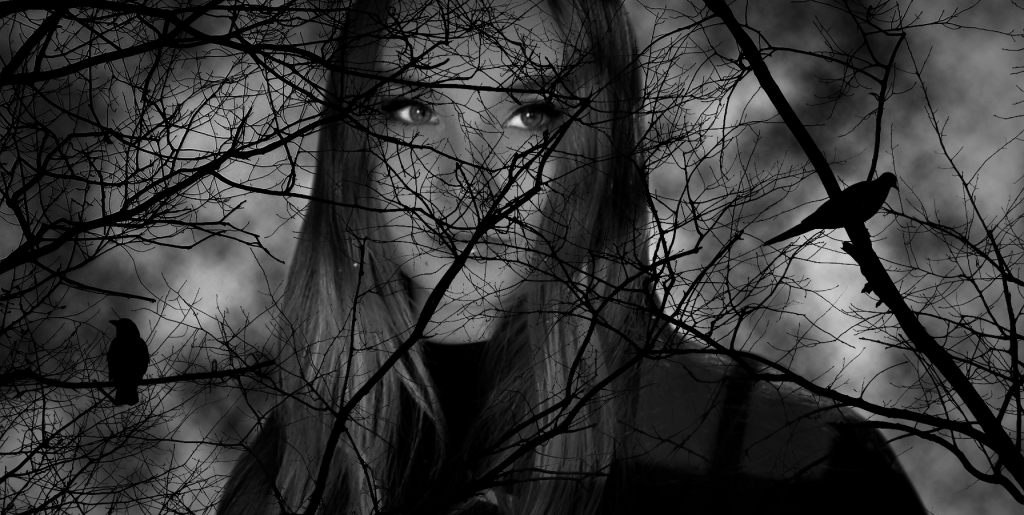
My goal for these photos was to capture my love for nature, photography, and photoshop. Jerry Uelsmann used beautiful photos of nature and combined them with other images that you normally would not think to do. His work inspired me to do my own surrealism photographs but put my own taste and touch into them. I kept them dark, gloomy, and mysterious. For each photo I wanted a sense of mystery, tranquility, and uniqueness. Photographing nature is how I started out doing photography. However, I never really do anything with my photographs besides show them to family or friends. I was glad I had the opportunity to do this type of work about something that I am so passionate about. 

Each one of these photos has deep emotion attached to them. While some seem normal, others are quite bizarre and dark.

This photo is meant to be serene and calm. A bird sitting in a tree at night looking out at the water. But, at the same time, there is a sense of mystery to it. It’s dark and you can’t see much but the bird, the water, and the moon.
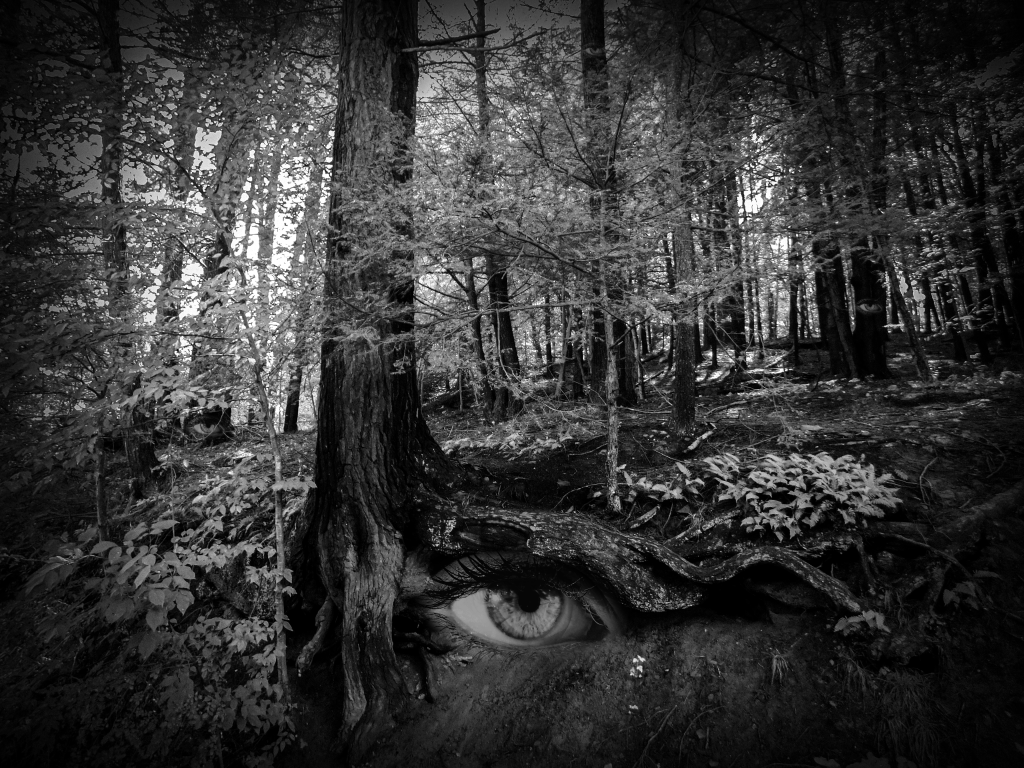
For this photo I combined an image of water, plants, and an eye. I wanted to imitate Jerry’s work. While the water is calming, the eye in the middle feels like it’s trapped by the surrounding plants and the water. Feeling trapped is one of the emotions I tried to portray throughout these photos.
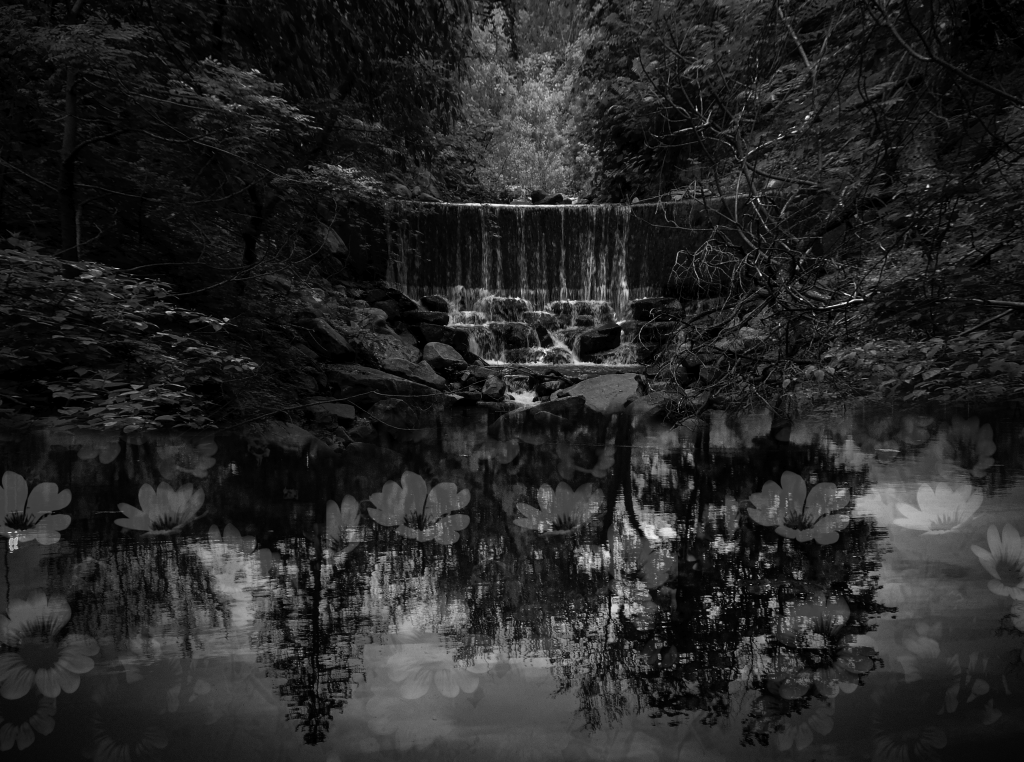
While this photo is very calming, the trees in the back hover over the waterfall making it feel small and trapped. The reflection is not the same, and you can subtly see flowers peeking through the water like they are trying to emerge from the dark abyss.
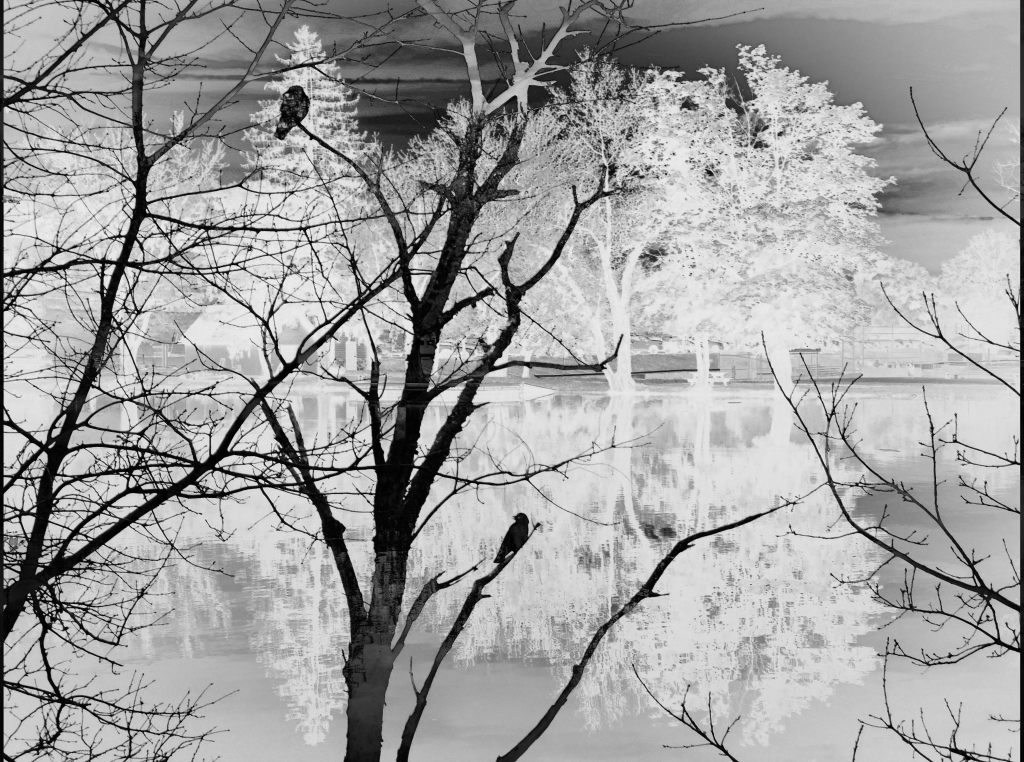
With this image, I wanted to subtly represent social distancing with the birds being far apart. Even though this image is the only one that does not consist of a dark background it still has an eerie feeling to it like something is wrong.
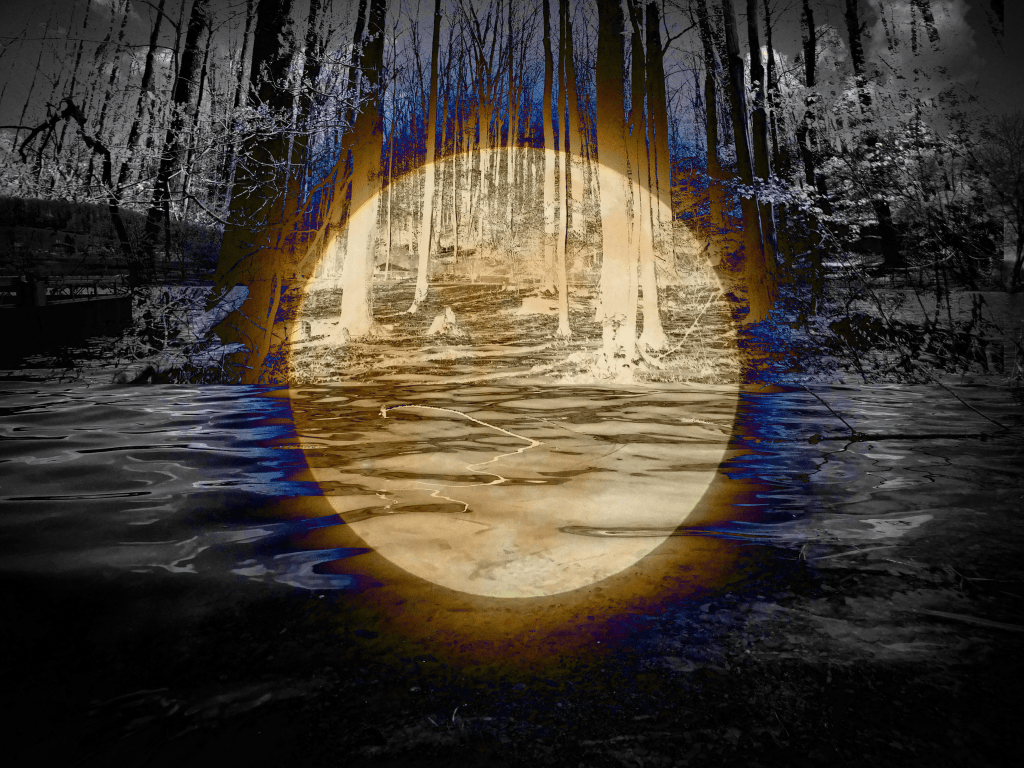
This photo was meant to be more abstract. It was one of the only photos that has color to break up the black and white scheme. The reason I chose color for this photo was because it actually seemed “darker” with it. The moon in the middle is like a sign of hope, a beacon in the darkness that will guide us out of the dark times.
This image is meant to show that nature is always watching what you do to the earth, so treat it right. Humanity isolating themselves from the earth is doing more good than bad to the planet. There is less pollution, animals aren’t afraid to come out of their isolation, the planet is healing.
This image is meant to represent feeling trapped during isolation and quarantine. Many of us struggle with being stuck at home 24/7, I just want to share those emotions through that photo. It is the darkest out of all photos and has the most emotion with it. The sheet is meant to represent suffocation, being trapped, and loneliness. The hands are coming out grasping the sheet to take it off. The background is juxtaposing the image, all we want to do is go out and enjoy life the way it was but that is no longer possible.
I wanted my last photo to be a representation of who I am. I have always had a strong connection with nature. And the first thing I did when I got a camera was I photographed birds and trees. However, the trees in this image are meant to make me feel trapped like they are guarding me from going outside. The birds are there as a sign of comfort, I will always have photography to comfort me. Even though I am not able to go out I can still photograph nature even if it’s through my window.

Final project

xinlan zhang

The photographer I choose for the final project is Aaron Sisikind. He was an American photographer who focus on the detail of things. He was involved in abstract movement.

Original

Chicago, Aaron Siskind Mero (With images) | Texture photography ...

Intimate

original

AARON SISKIND "LIMA 25" PHOTO, 1980 – Caviar20

imitate

original

Aaron Siskind and Abstract Photography of the 1950s and 60s

imitate

original

imitate

original

Aaron Siskind Photographer | All About Photo

imitate

original

Aaron Siskind | MoMA

imitate

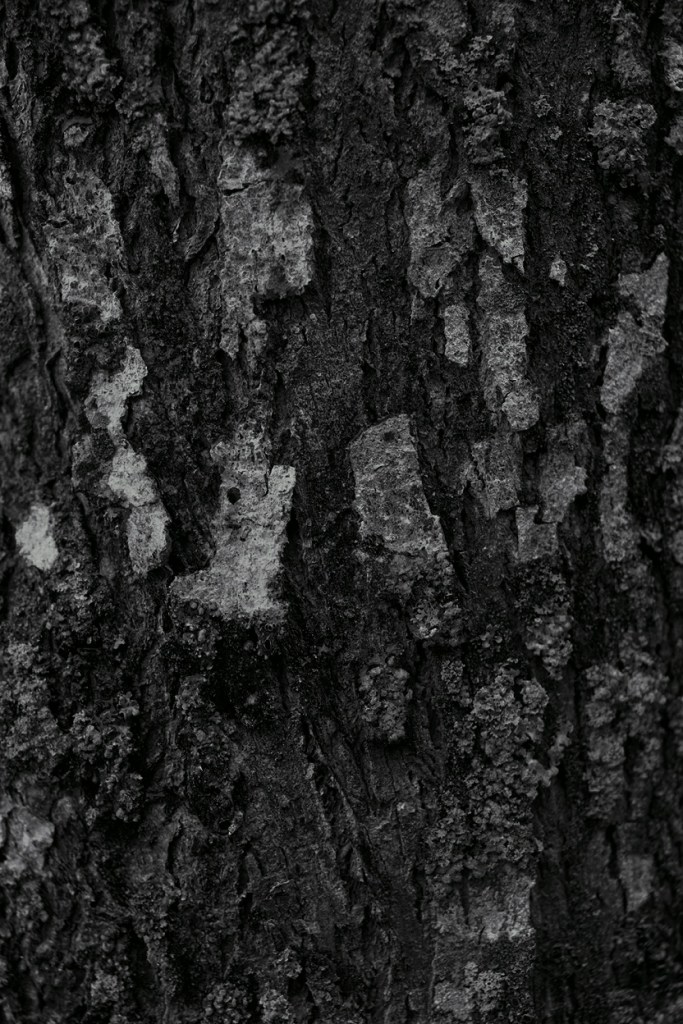
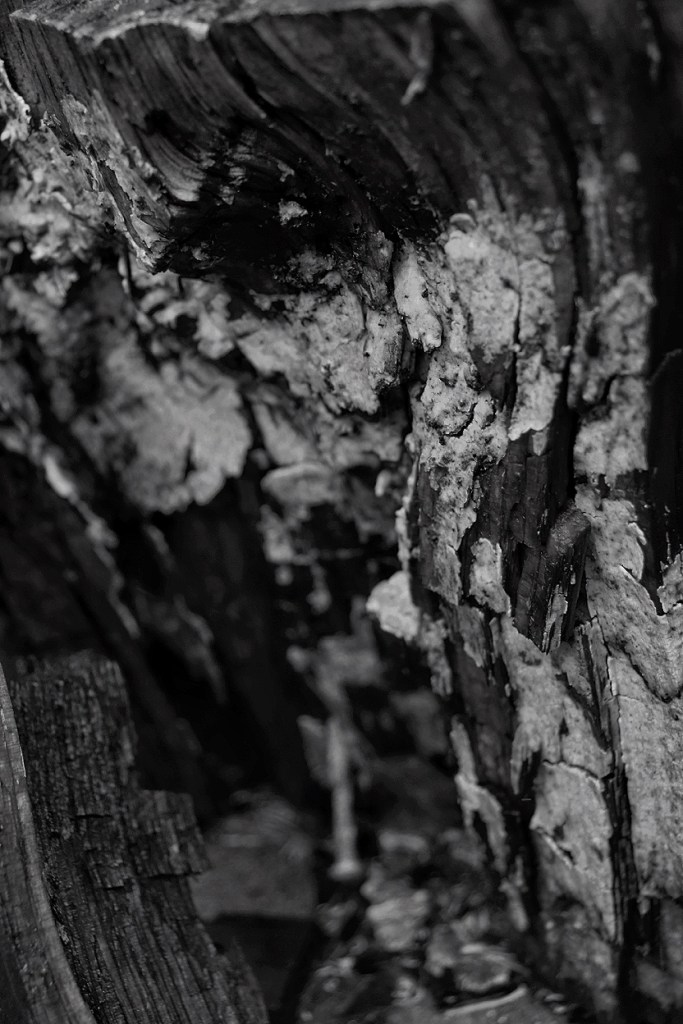
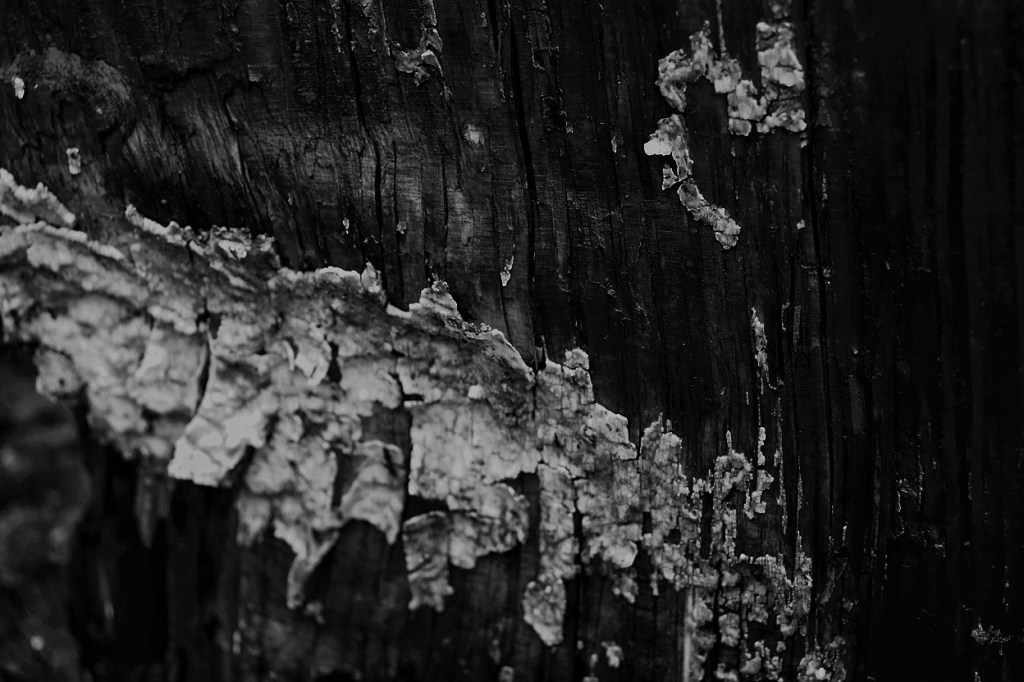
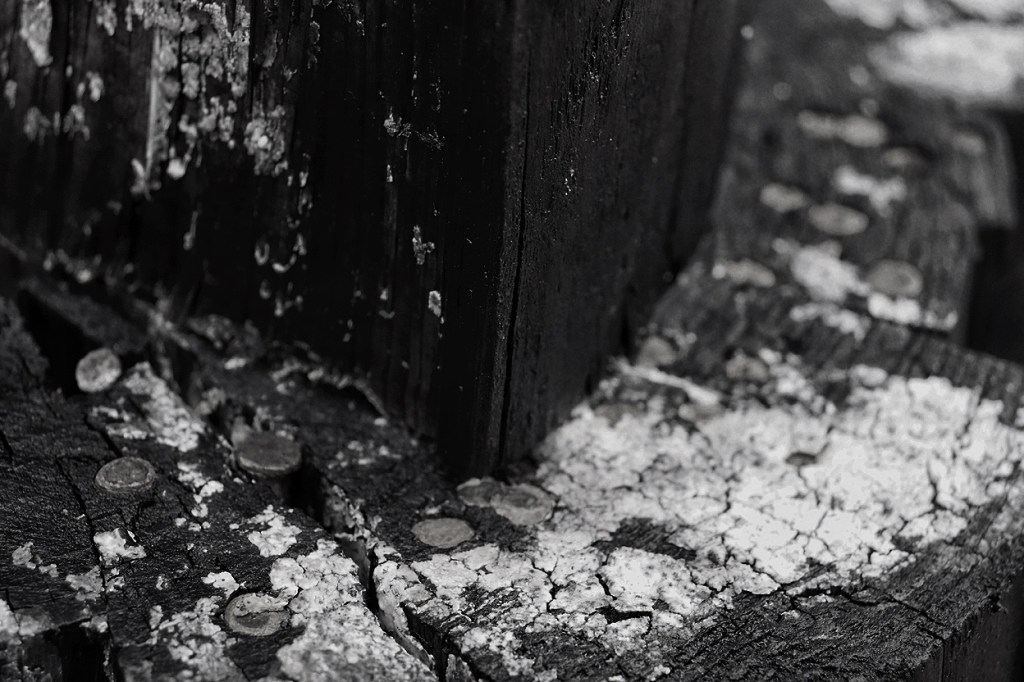
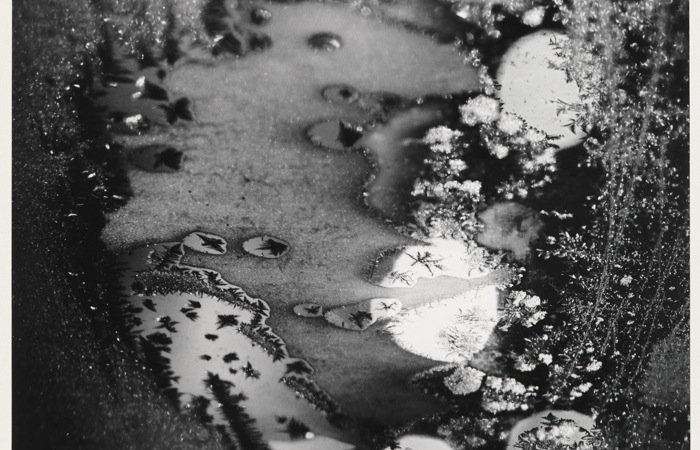
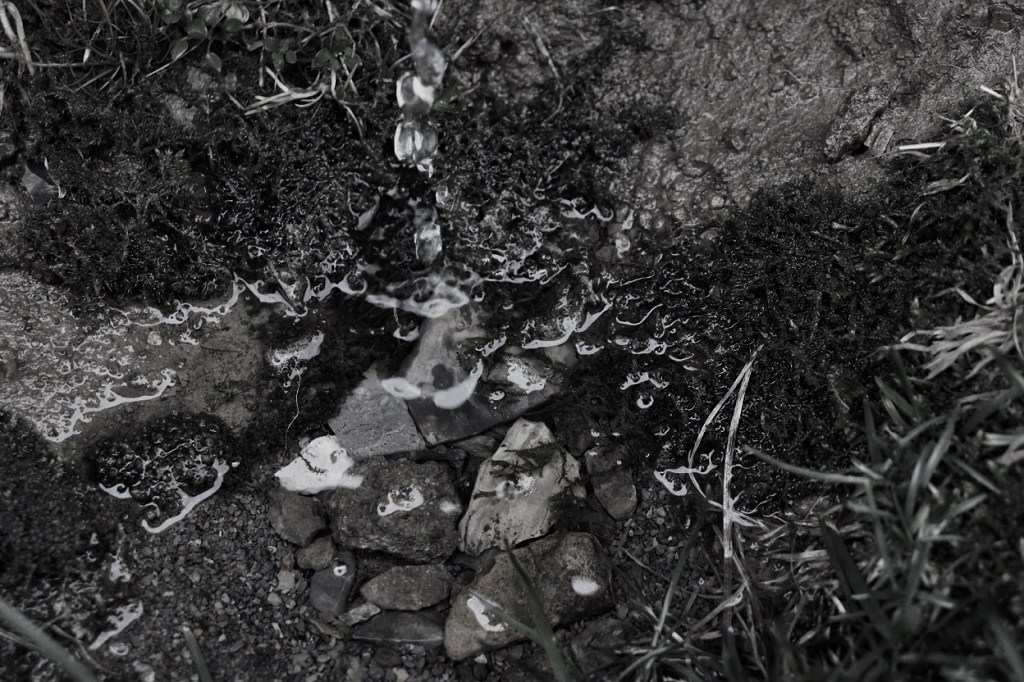
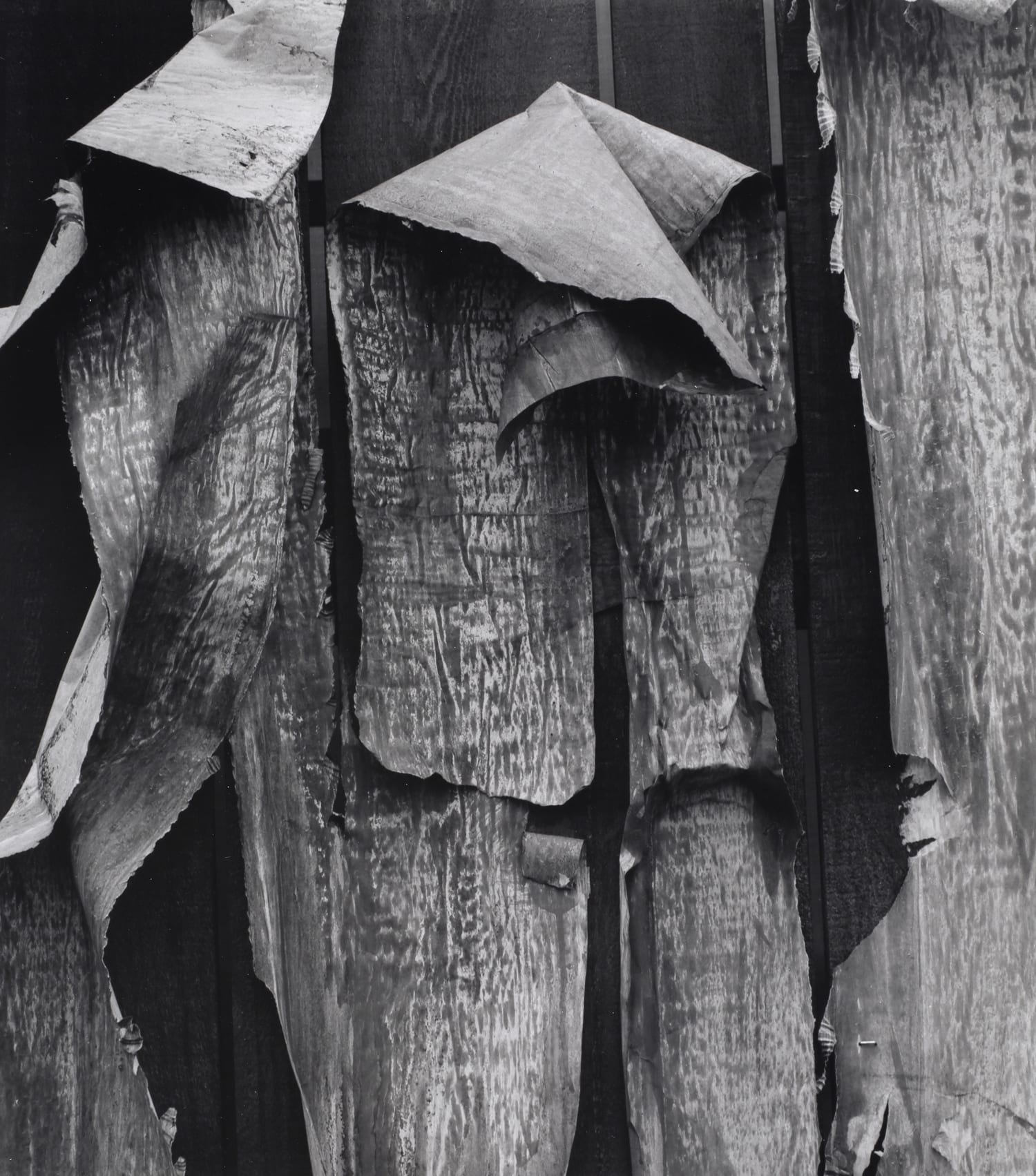
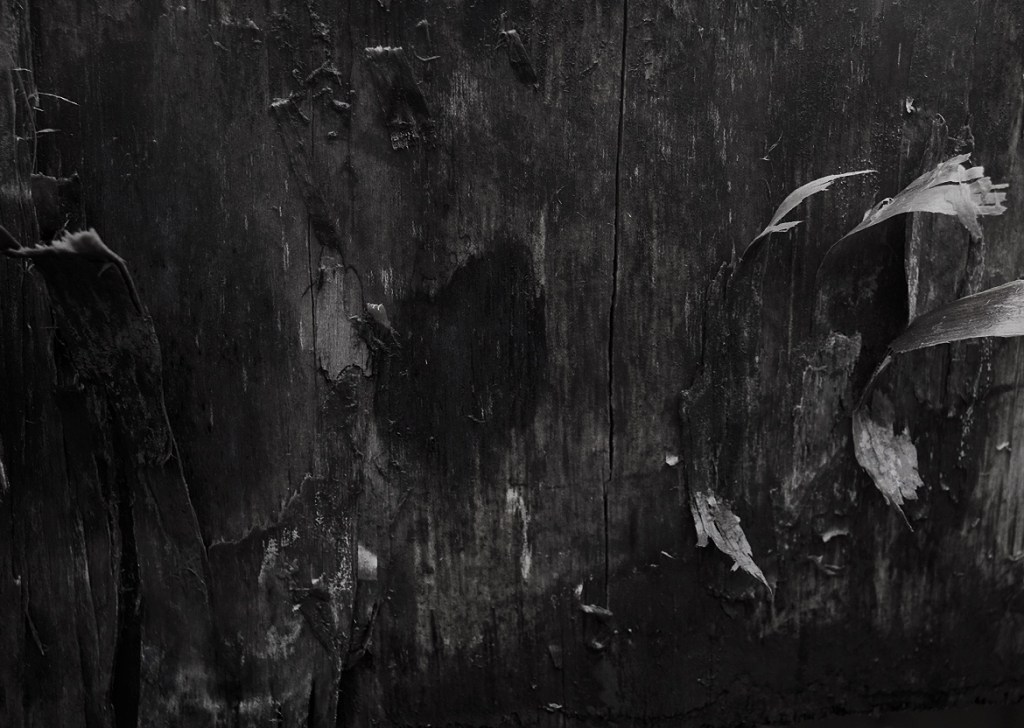
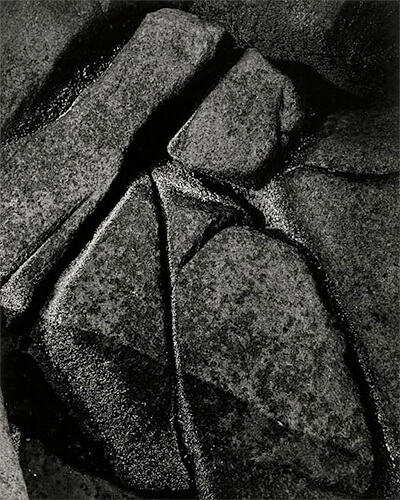
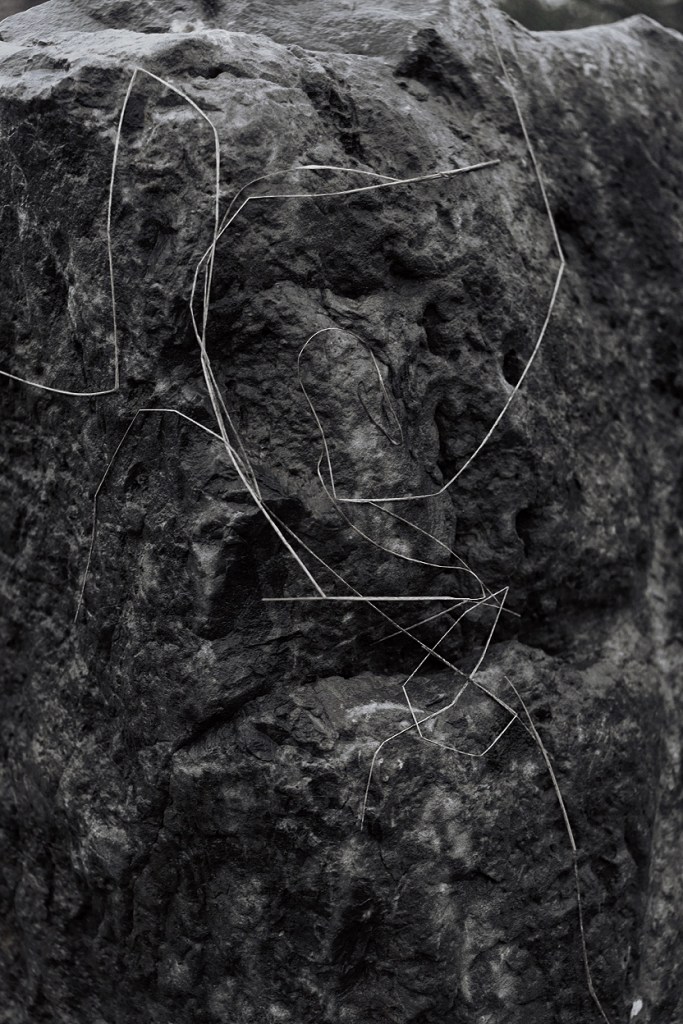
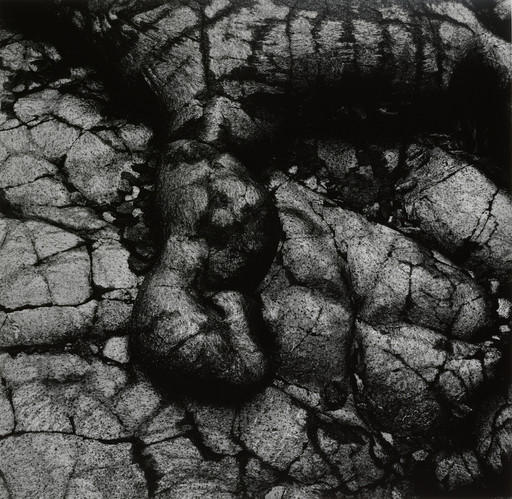
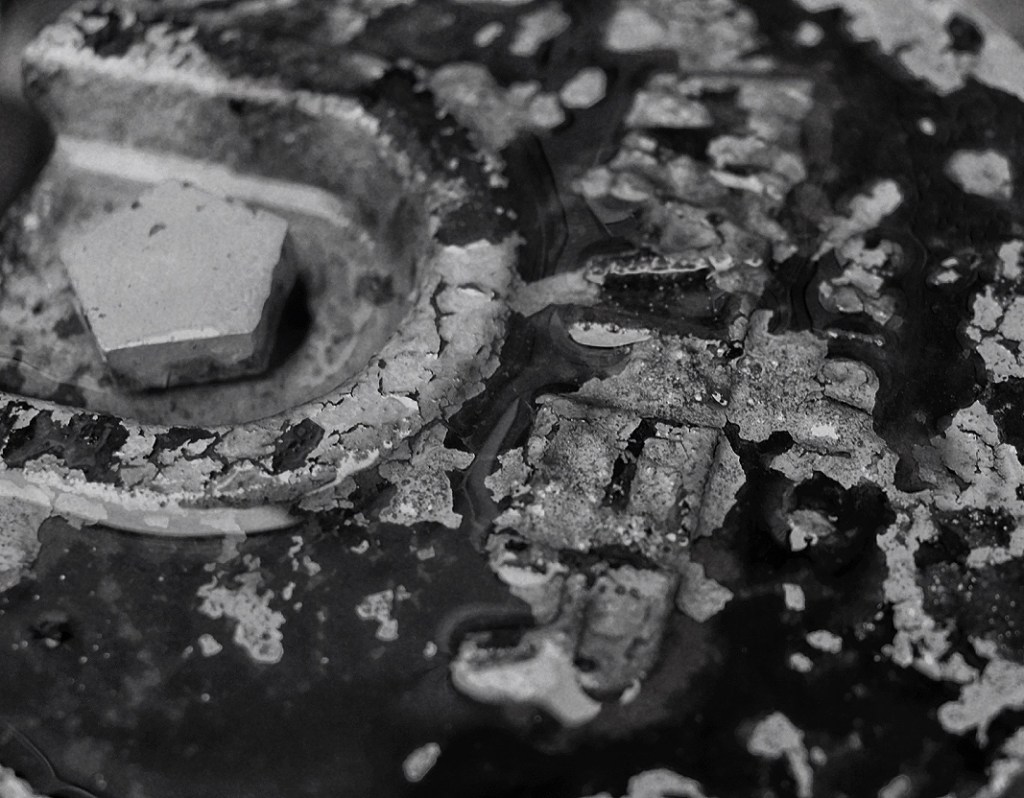
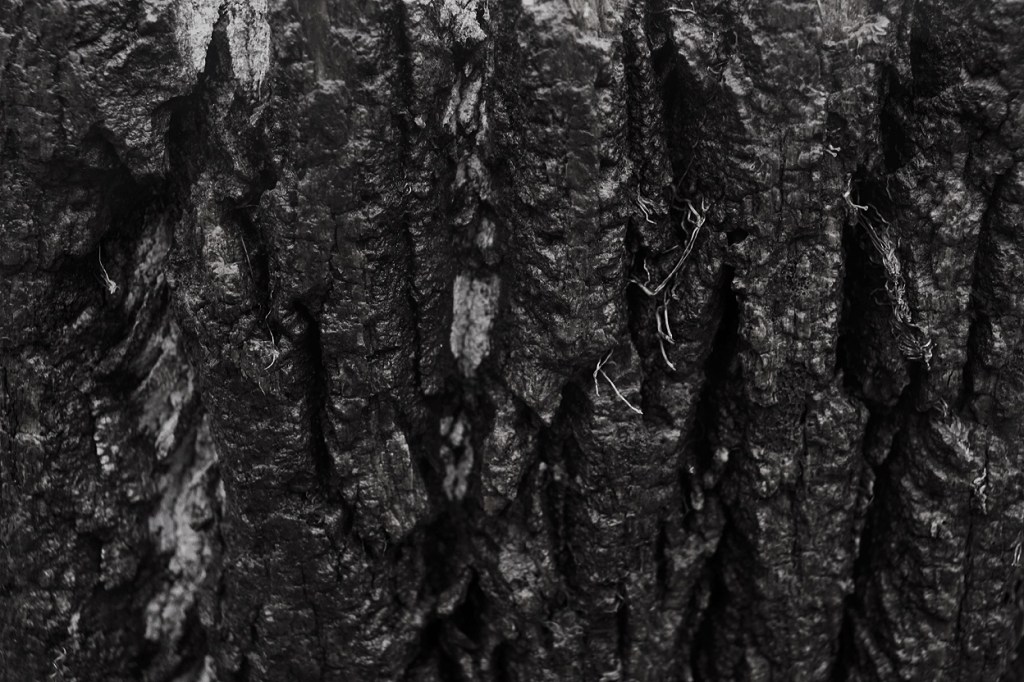
I was attracted to the unique style of Aaron Sisikind. I decided to imitate by the pattern, form and textures. Sometimes it takes time for myself to know what the picture is. I keep all the pictures in black and white since the colors would distract the attention from the objects itself. The other reason is also because the original works are in black and white.For the first one, the original picture was a peeling wall. There is not a lot of walls near the place I live. However, I saw this tree’s texture is similar to the peeling wall. The tree is also formed with a lot of small parts.The second picture was some of the paper which were burned on a wall. In the middle of the picture, there is a blank part.There were some burning wood in the backyard of my house.The white part of the wood is the texture left after burning. I took several pictures from different perspective. The fourth picture is a small pond with some plants and the water went through in the middle. The day I went out it was a raining day. There are some pipes besides the house. When the pipe drop water to the soil, it will form a small pond. I capture the moment when the water drop a few into the soil. The following picture is some paper falling off the wall. For making the wood look bigger so I put my camera closer to the object itself. The fourth picture is some of the rocks were binding by ropes. I found there is a big rock with some of the grass on it. It looks similar but less heavier. The grass is closer to a decoration on it. I was into the extraordinary textures whether it’s real or not. I decided to discover more of the textures from the nature. The two pictures are the trees branches and the cover for a water pump. For the editing part, most Aaron’s works focuse on the details of the objects. I made some changes to the photos to look more clear. Also, in the process of editing, I did not choose to blur any parts of the photo.In the original photos, they are usually in darker version of black and white. Therefore, I also make the black part darker so it would separate the colors clearly.