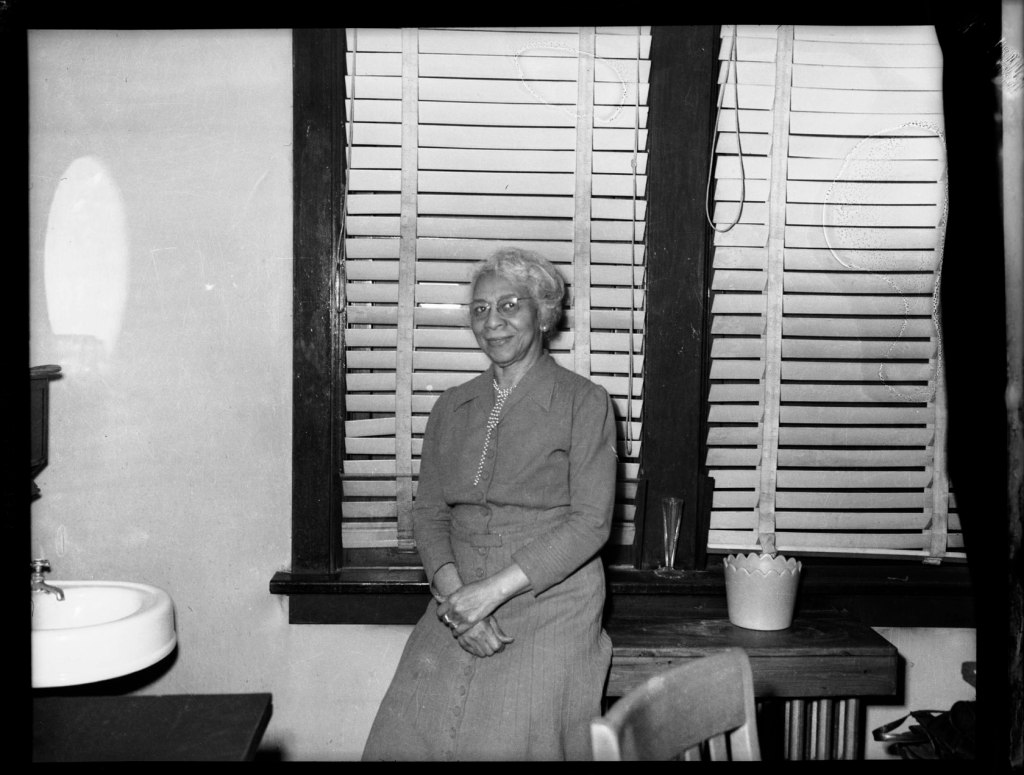
Charles Harris was an African-American photographer from Pittsburgh in Pennsylvania. He was known for his photographs of residents and prominent visitors to Pittsburgh, including musicians and baseball players, which often appeared in the Pittsburgh CourierThis photo was created during 1940-1950.This is a portrait of woman wearing belted dress with buttoned front, eyeglasses, and knotted pearl necklace, posed in front of window with venetian blind, in interior with scalloped edge plant pot, and small round sink
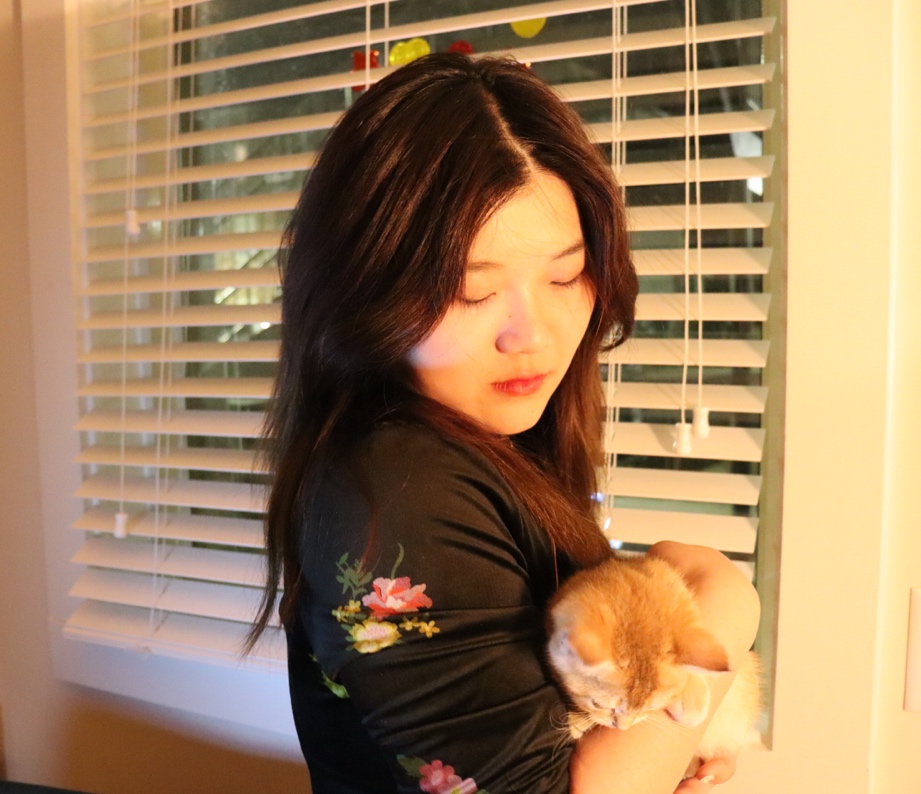
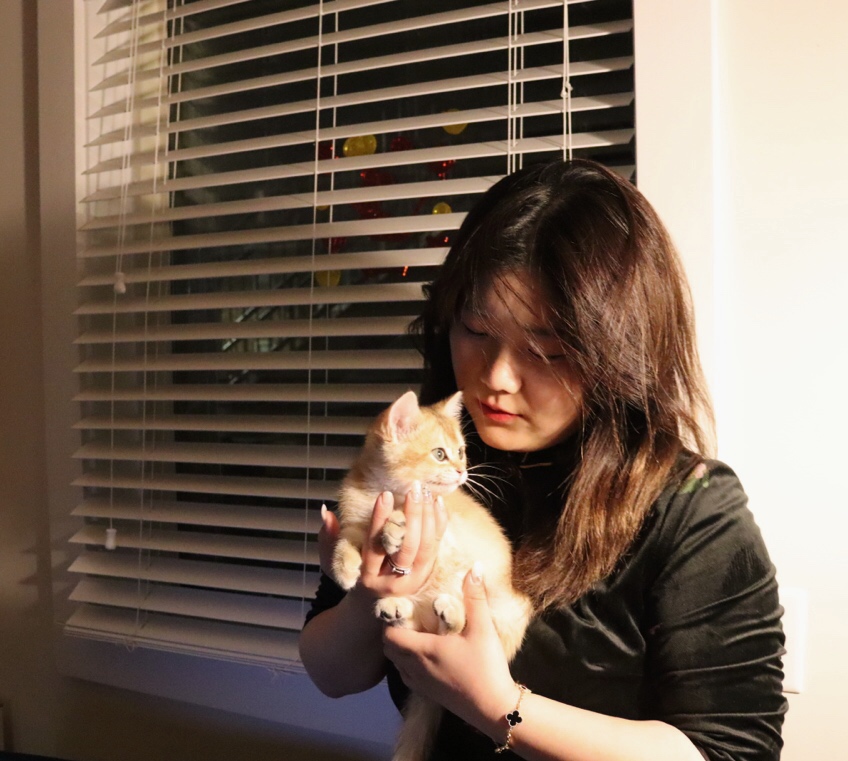
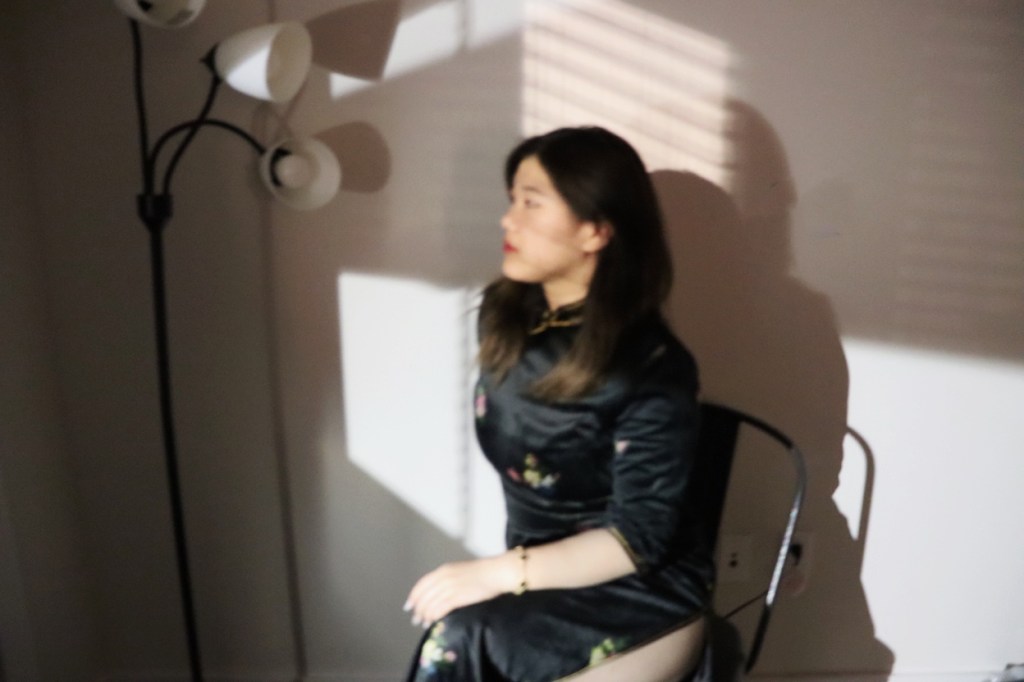
I was inspired by the blind shadow collocation of Charles Harris. I decided to use blind window as the background. In the first two pictures, I put the lamp on the right side to create the light affect so the light would be reflect on the face. My roommate is holding her cat so it’s more relaxing. Since the lady in the original photo seems causal and nature. The last photo is the closest to the original one. I asked my friend to put her phone as the light source next to blind window so the shadow will be on the wall.
“Dance Hall, New York,” by American photographer Ed Feingersh, circa 1953
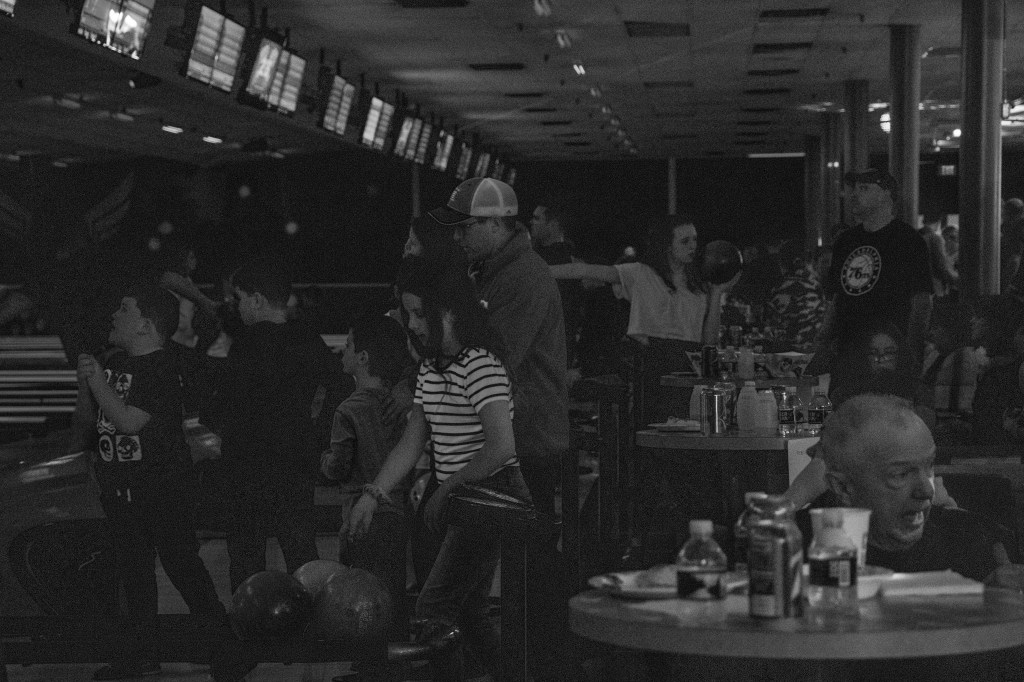
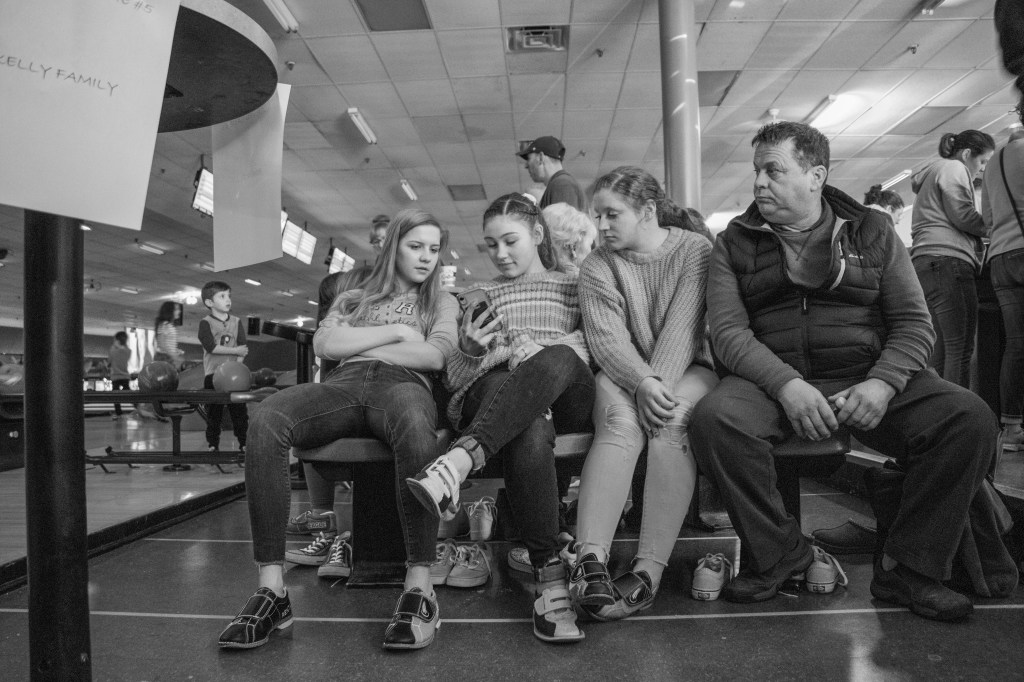
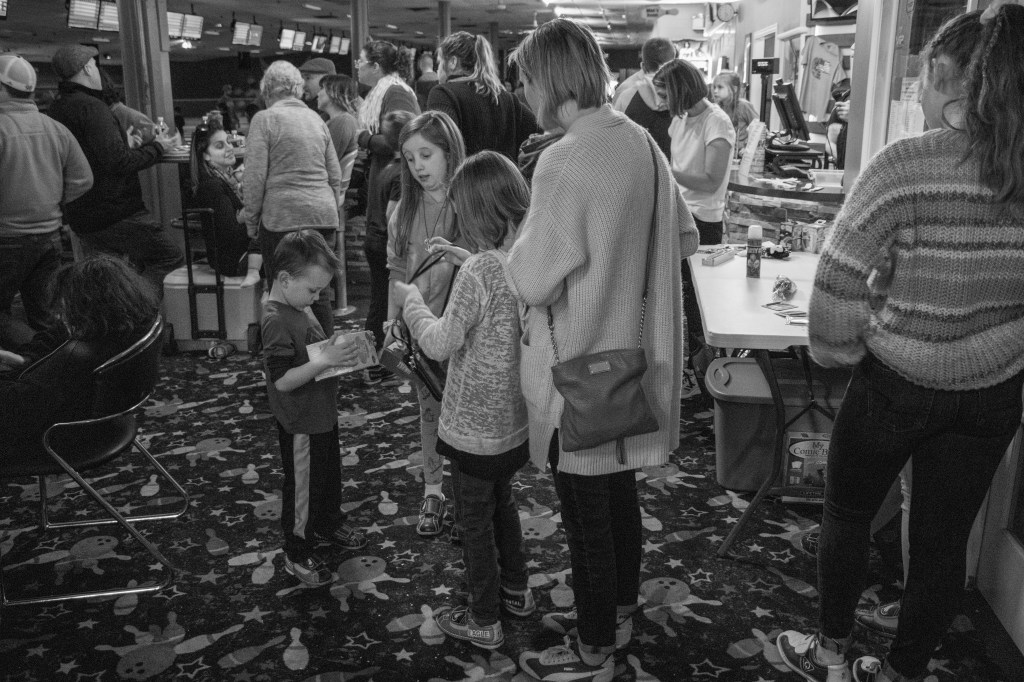
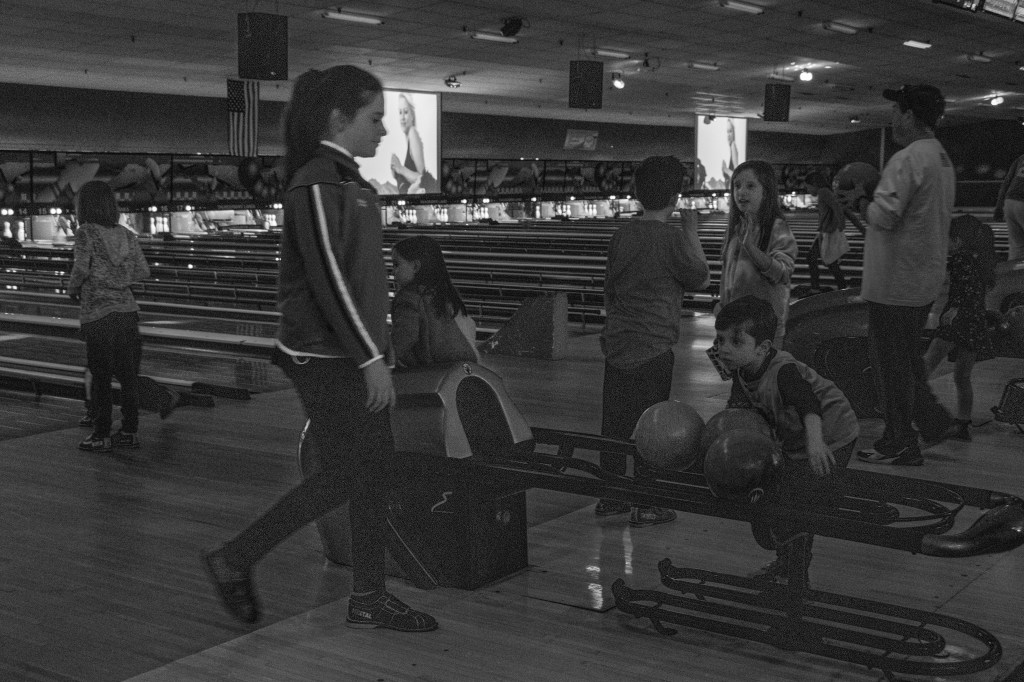
So for this assignment I chose Ed Feingersh. I was going through the Family of Man book and I came across two different photos that spoke a lot to me. They are by two different photographers but both images mean something to me that I can’t really describe. Either way they show people and family and there is some type of life that is shown in each image. So over the weekend I went bowling and decided that there would be nothing but friends and families, old people young people, and ones having a good time so this was a perfect opportunity.
Three on a Bench, Detroit River,” by American photographer Bill Rauhauser, circa 1952.
I also included this photo because when I went through The Family of Man” this one also stood out to me.
For this photo I tried to make it like the first one to show what was happening. Instead of a hall playing music it is the crowd who are bowling together. They are unaware of my camera and they are only focused within each of their own lanes.
This image is like the second one. It is people sitting I chairs consumed by themselves while everyone around them is doing something else. When I took this photo I was sitting across and I had my camera in my lap so they didn’t know that it was being taken. I think when I went into this assignment I didn’t want anyone to know I was taking their photos because I think it allowed for a more natural faces and reactions.
This one is a mother and her three kids. There are other people in it trying to distract what is happening but in a busy place there is always going to be other people. However when you focus on the mother and the kids you can see that the four of them aren’t really concerned with what is going on around them. Just that the little boy was talking while the girls were very interested in what he was saying.
I just added this one in also. I think got somewhere it goes with the events of the day. It is a bit more broken up than the other ones but I think it works as well.
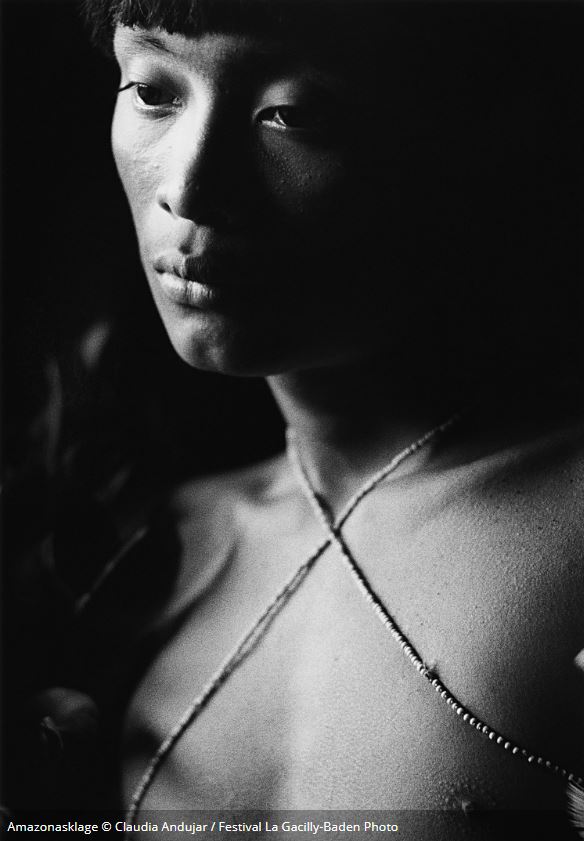
Claudia Andujah, Yanomami Youth Dancing a Traditional Reahu Festival, 1978
Claudia Andujar was born in 1931 in Switzerland and raised in Oradea on the Romania/Hungary border. In 1944, she and her mother fled to Switzerland, then to the United States, and finally to San Paulo, Brazil in 1955. Her Jewish father and all his extended family were killed in Nazi concentration camps.
The survival of the Yanomami, an indigenous tribe in Brazil’s Amazon jungle, was threatened by disease and development. In response to a devastating measles epidemic among the Yanomami, Andujar gave up photography to establish medical clinics. Her fight to protect the Yanomami people spanned decades. She is now 89 years old, and still an active voice in their defense.
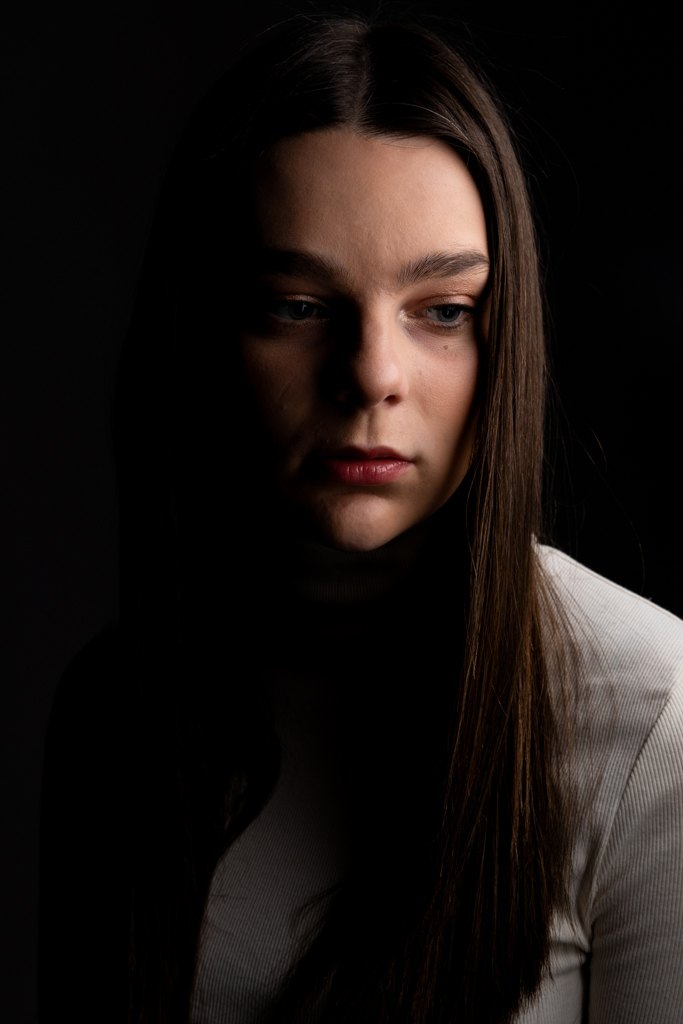
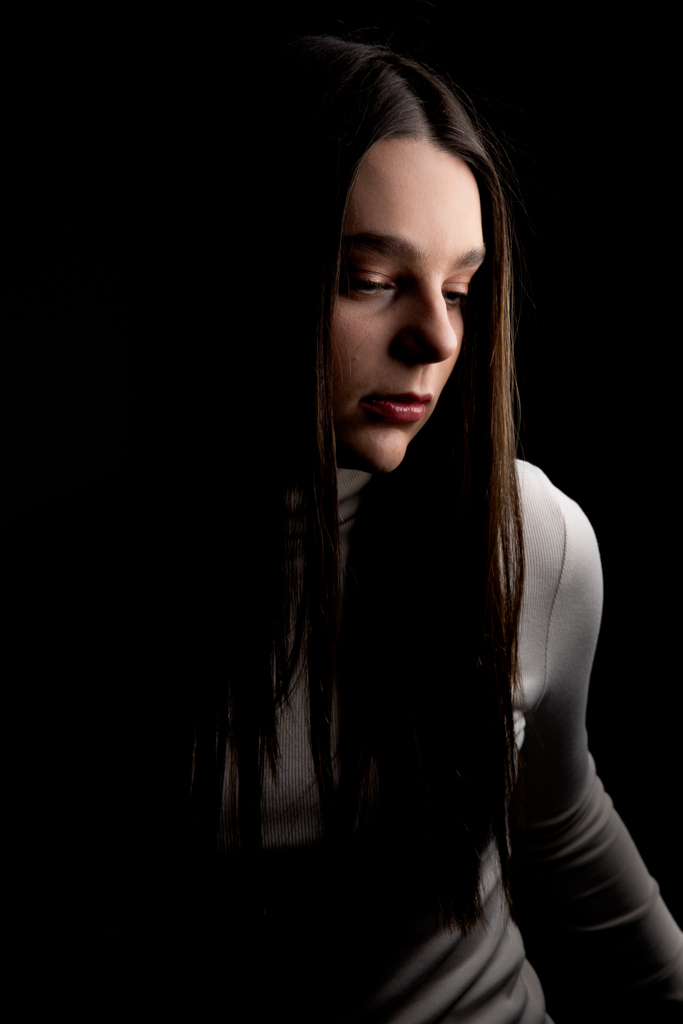
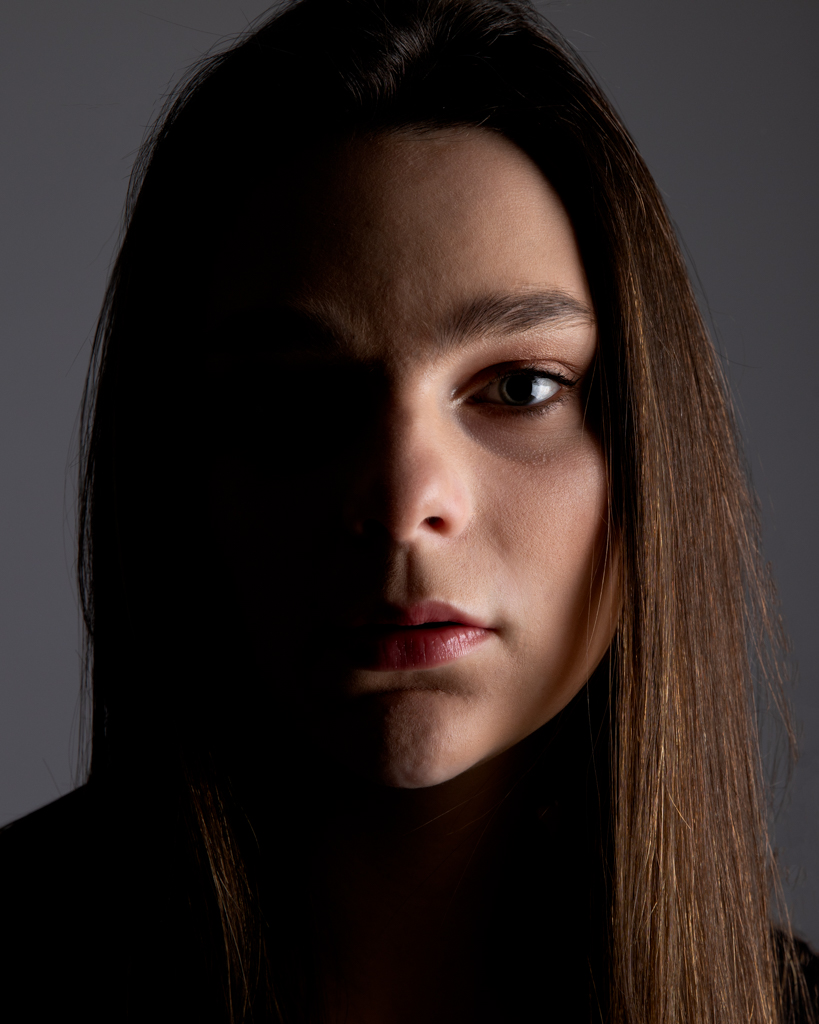
I love Andujar’s use of light and tried to imitate this in the studio. Below are three of my images and a discussion of my work compared with Andujar’s.
My image closely imitates Andujar’s pose and contrast, but does not communicate the same message. Andujar’s image is tied to a social cause and is part of a larger body of work; mine is not. My image, a simple portrait, sends a different message, and possibly one that I did not intend. I crafted the lighting to sculpt the face and create a pleasing portrait. When I showed this image to another professor, he explained that my image objectifies her (she is not looking at the camera) and by looking down, she is less powerful; in a historical context, this sexualizes her, which is a message I did not intend.
Technical spec: f/10, 1/200 sec, ISO 100, 70 mm. I used one large softbox, very close (just out of the frame) to the right of the model. The background was white but due to the light fall-off from the softbox (and a small adjustment in Photoshop), appears black.
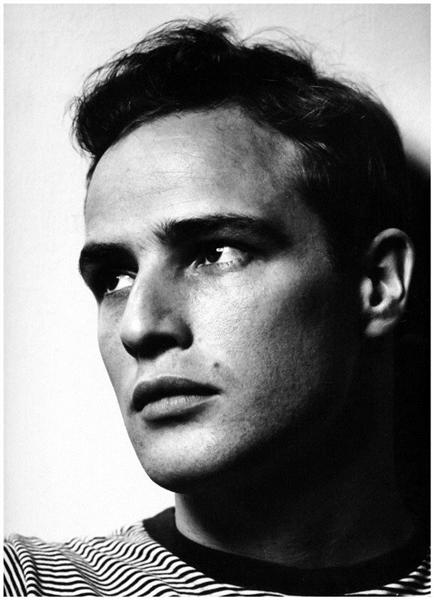
Philippe Halsman was an American portrait photographer born in what is now Latvia who photographed famous celebrities such as Marilyn Monroe during the 1950’s. He was born in 1906 and he died in 1979. He took some crazy and unique portraits of his subjects doing wild things like jumping in the air and making silly faces. I really liked that he took a different and unserious perspective with his portraits. This photograph is of the famous actor Marlon Brando. It was taken in 1950. I thought this photograph was very interesting because of the way the lighting hits Marlon Brandos face. You have some very harsh light coming in from the middle, maybe upper lefthand corner and maybe a smaller less bright light shining a little bit on his ear.
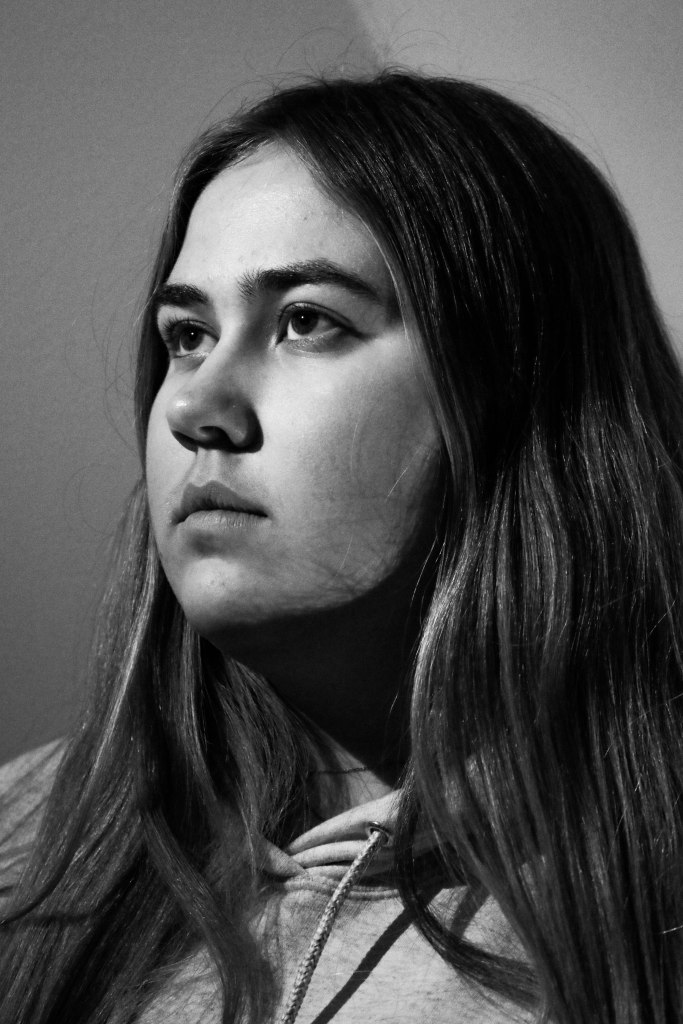
Final recreation image of Kaylyn ThomRunner ups
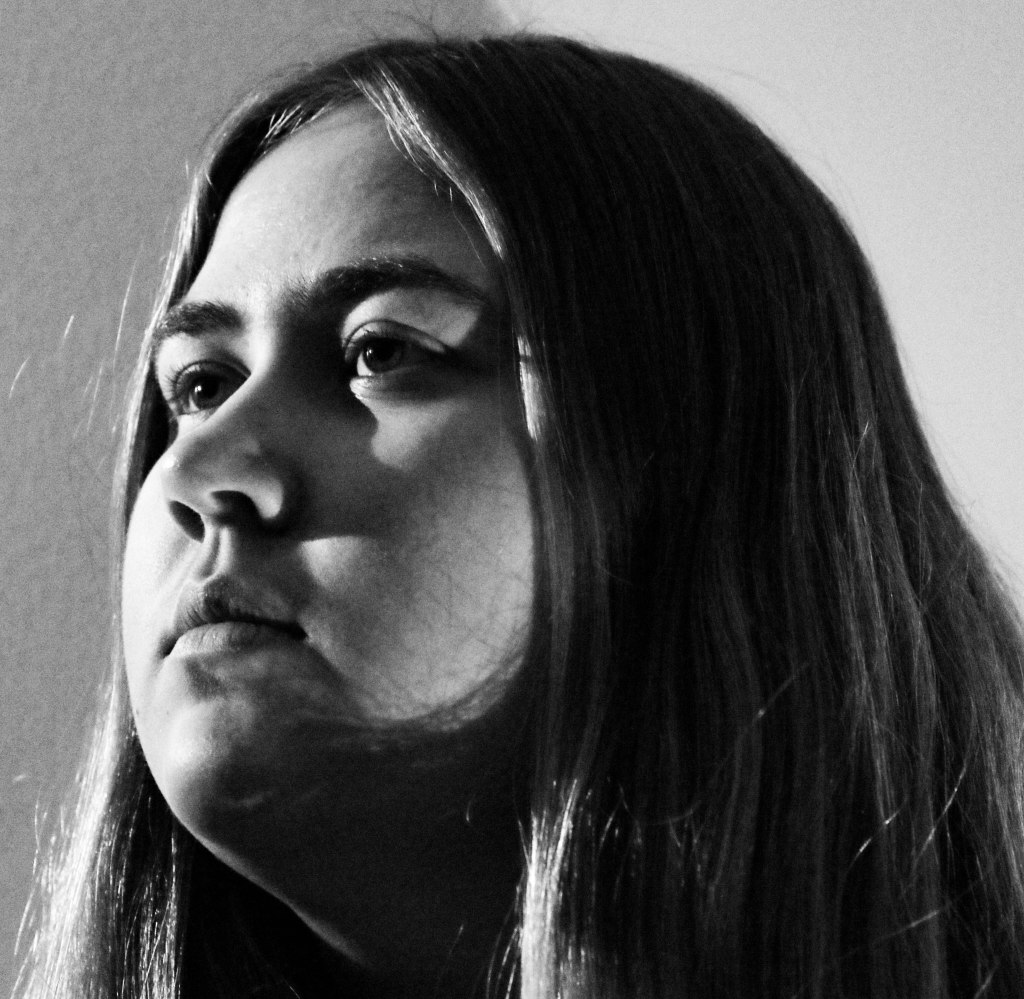
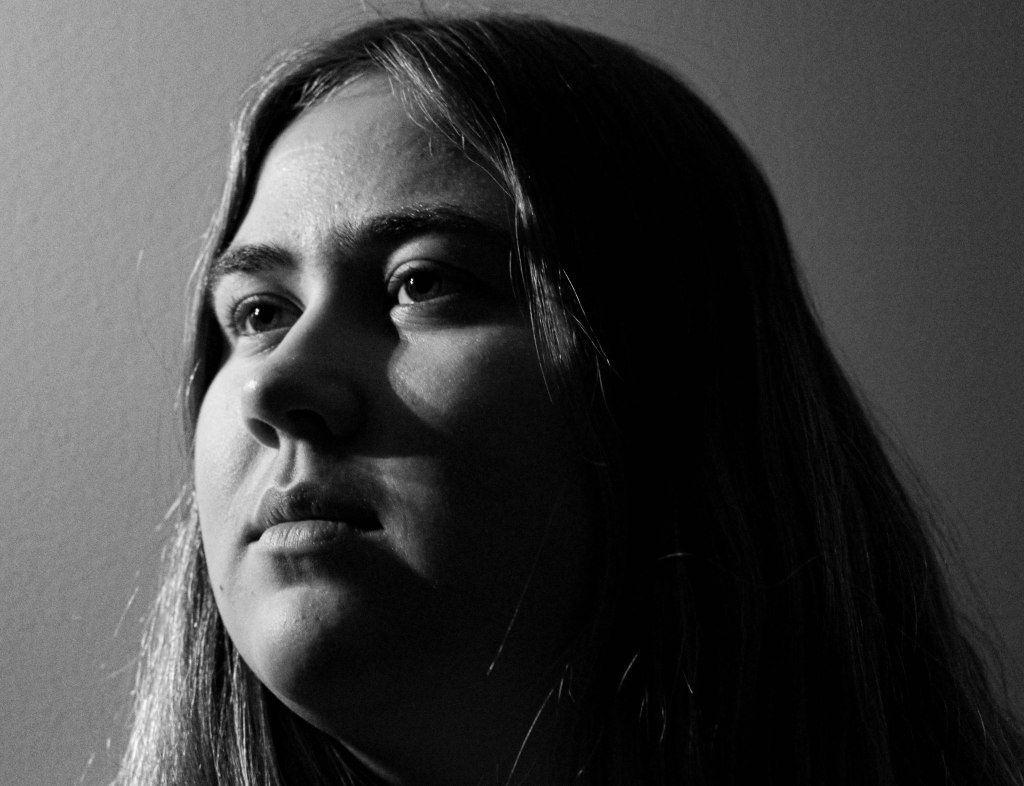
I chose the photograph that I chose over the others because I personally thought that it looked the most like the one of Marlon Brando and it was the cleanest. I felt that the others we a little blurry or the light was hitting her face not exactly as I wanted. I also felt that the final photograph should be in portrait and not landscape. I am really happy with the way my photographs turned out and my model looks absolutely stunning!!
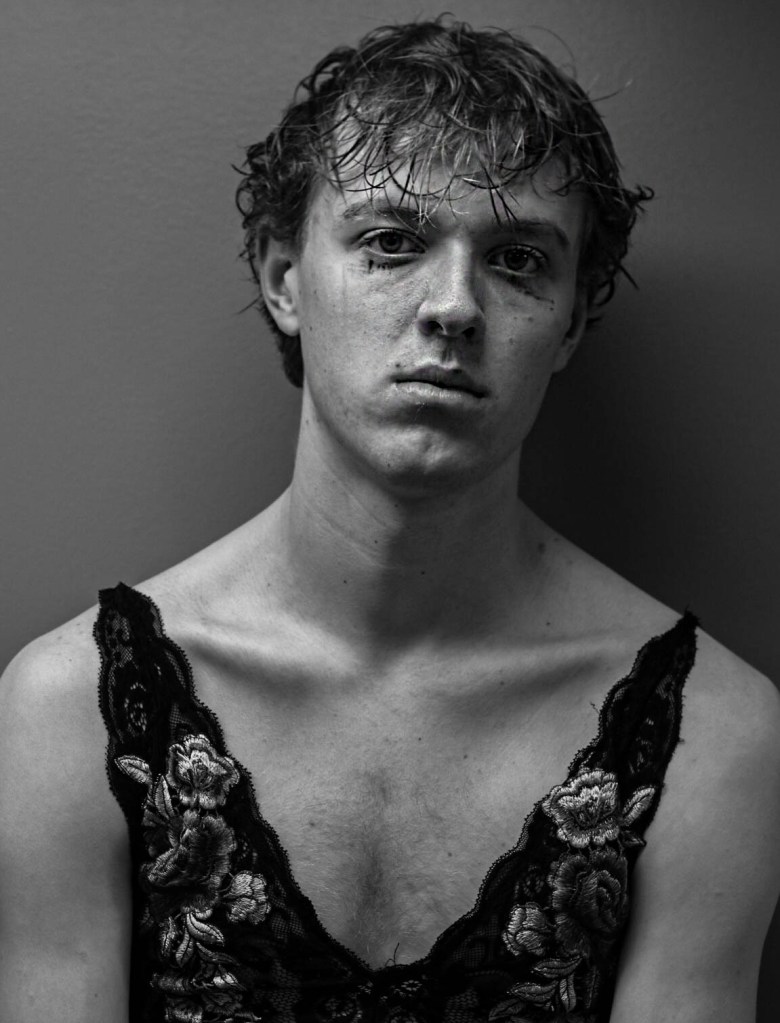
This picture was taken by the American photographer Diane Arbus in 1966. This piece is titled “A young man in curlers at home on West 20th Street“. What compelled me to this photograph is the sense of femininity captured. Diane Arbus frequently photographed men in a feminine light. From the long painted nails, smeared mascara, plucked eyebrows and hair curlers, many of the elements in this photograph emit womanly vibes. What I believe makes this photograph so successful is the black and white contrast, adding extra emotional depth to the photograph, and the man’s slim features adding to the female essence.
Original ImageImitation Picture #1
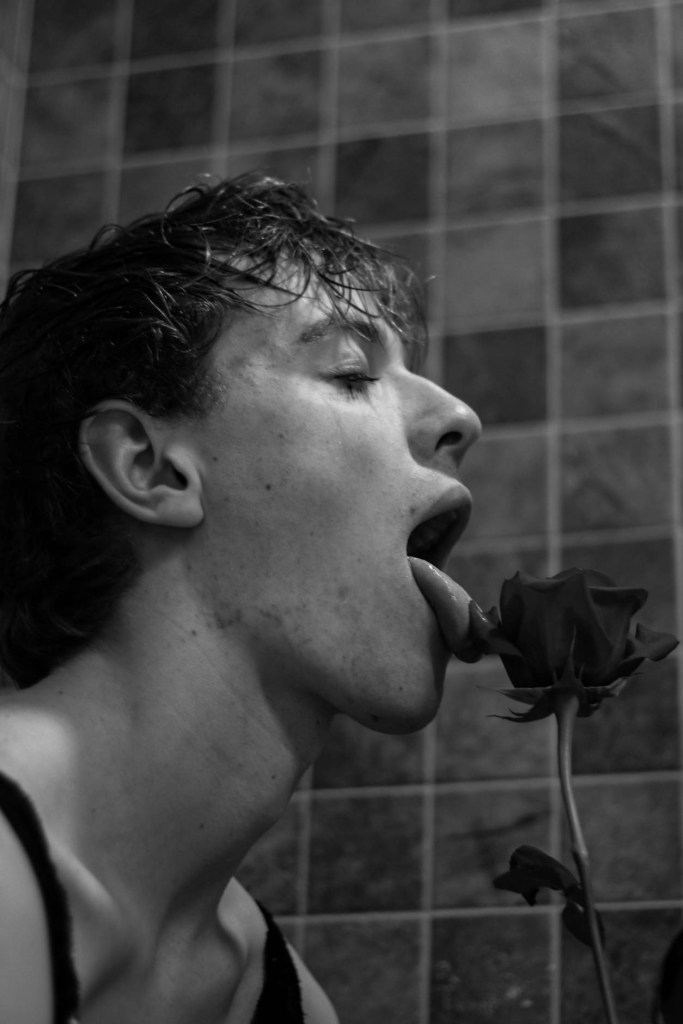
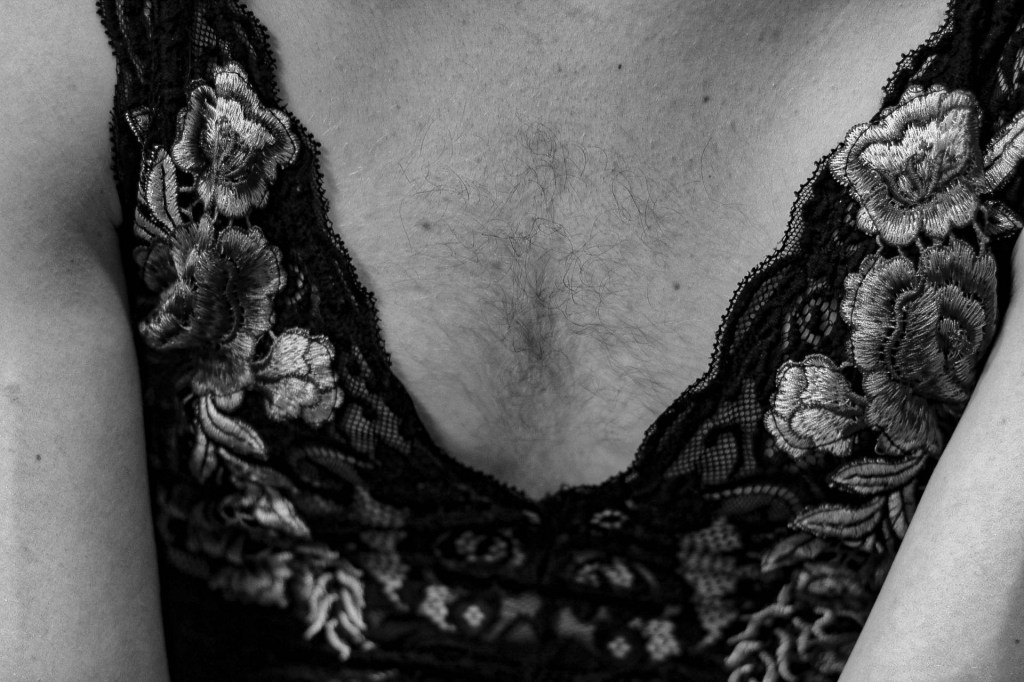
For this picture I wanted to relater to the color, crop and femininity of the original picture. I had my model wear lace clothing, put on smeared mascara and highlight his slim body frame to emphasize the female feel the original picture emanated.
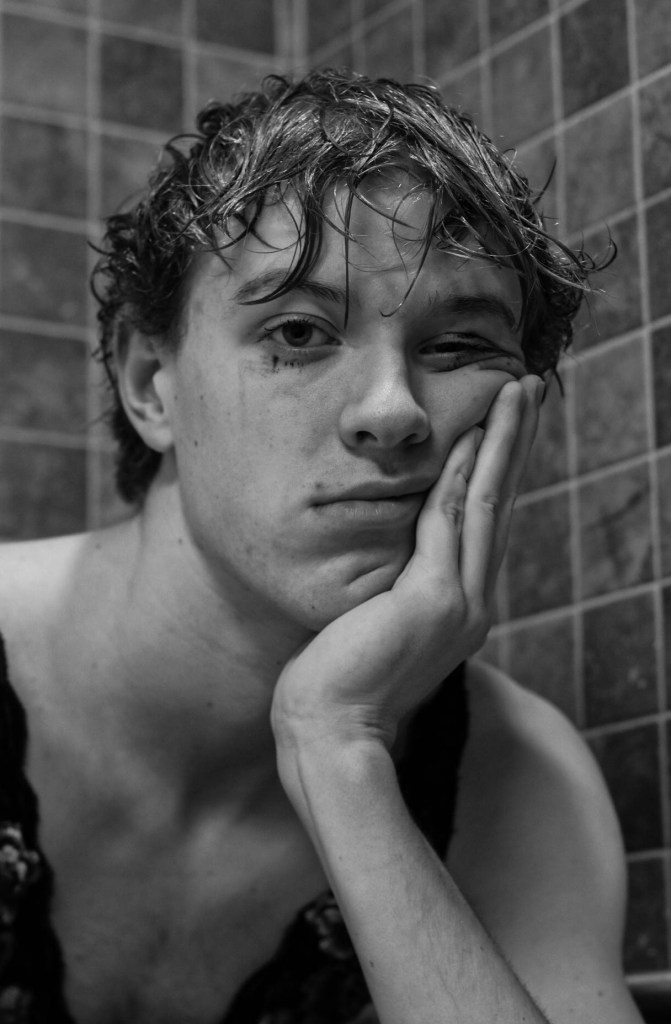
Imitation #2
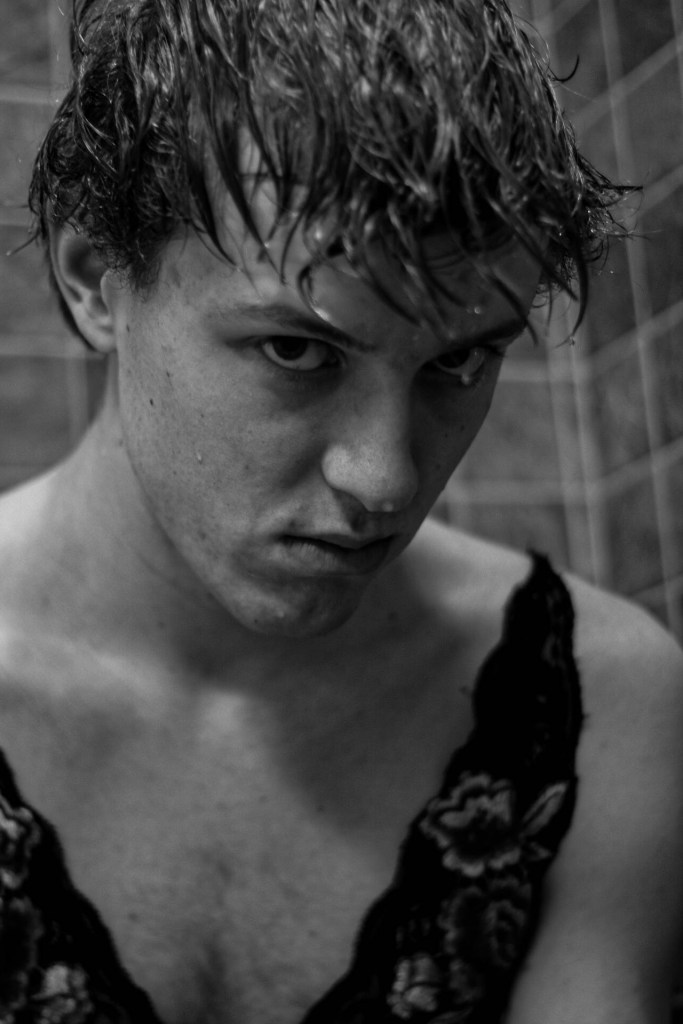
My goal for this picture was to establish eye contact. Eye contact creates a sense of intimacy which is commonly associated with woman. In this photo I still have him wearing makeup and have the lace shirt straps visible in the background to keep the womanly aspects consistent.
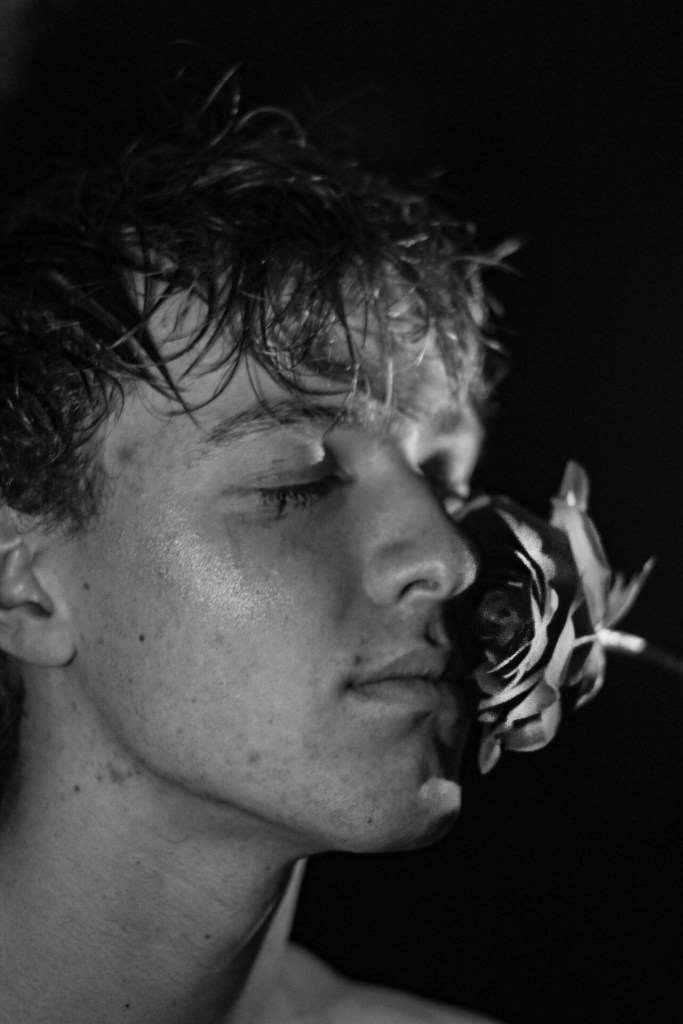
Imitation #3
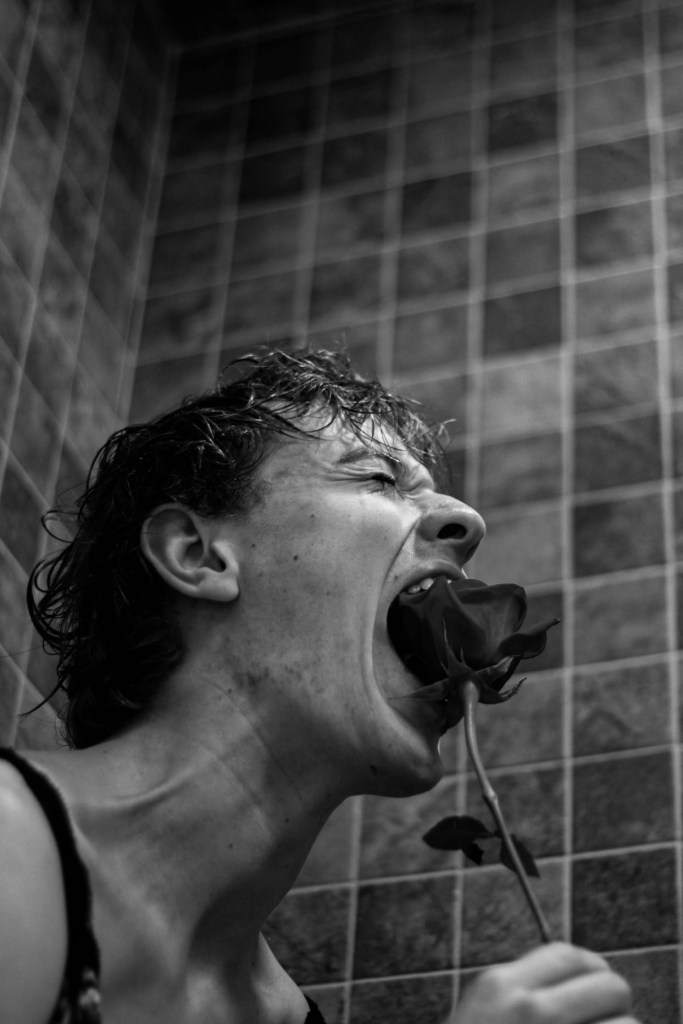
For my last picture I took a more up-close approach. I added the prop of the rose to incorporate my interpretation of femininity; beautiful, but sharp and bold on the edges. The all black background but highlights on the petals of the rose and face are specifically highlighted. Overall, my main concept for this picture was to successfully capture the male in a feminine light.
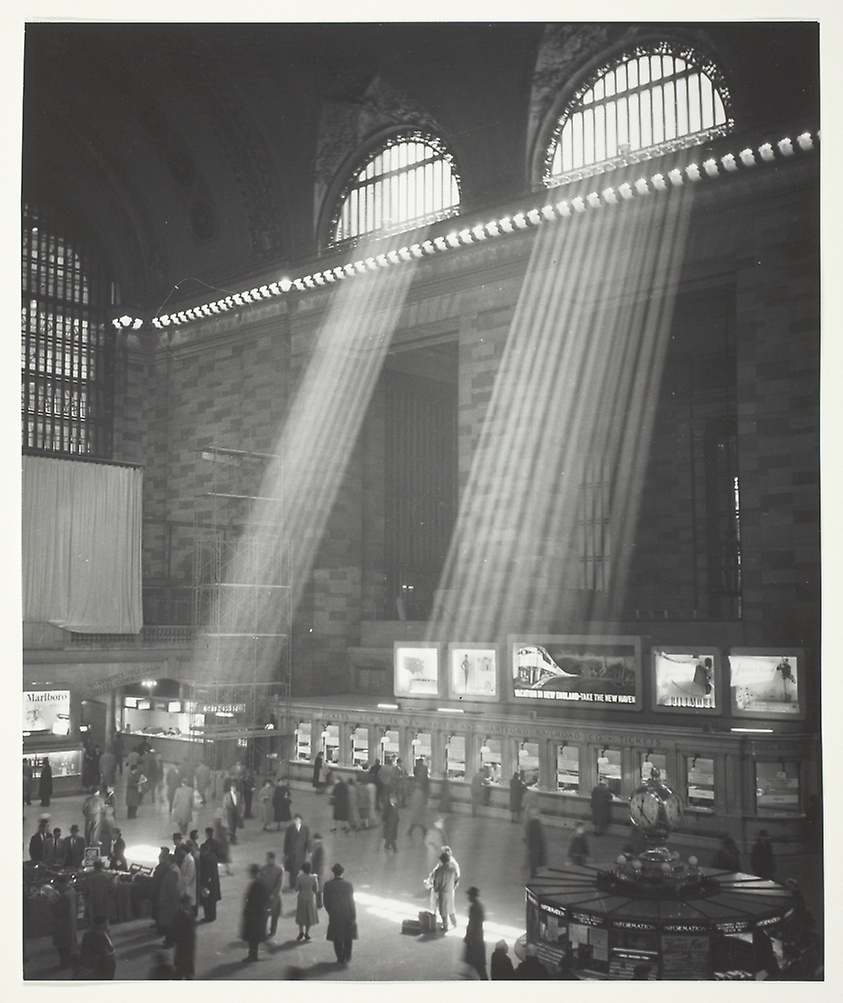
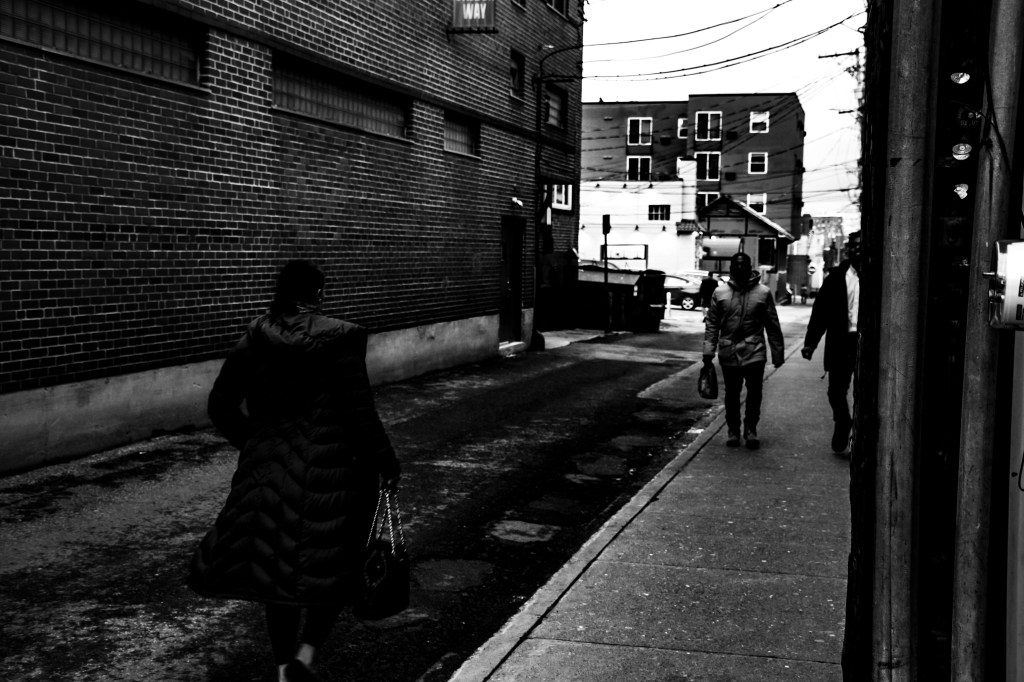
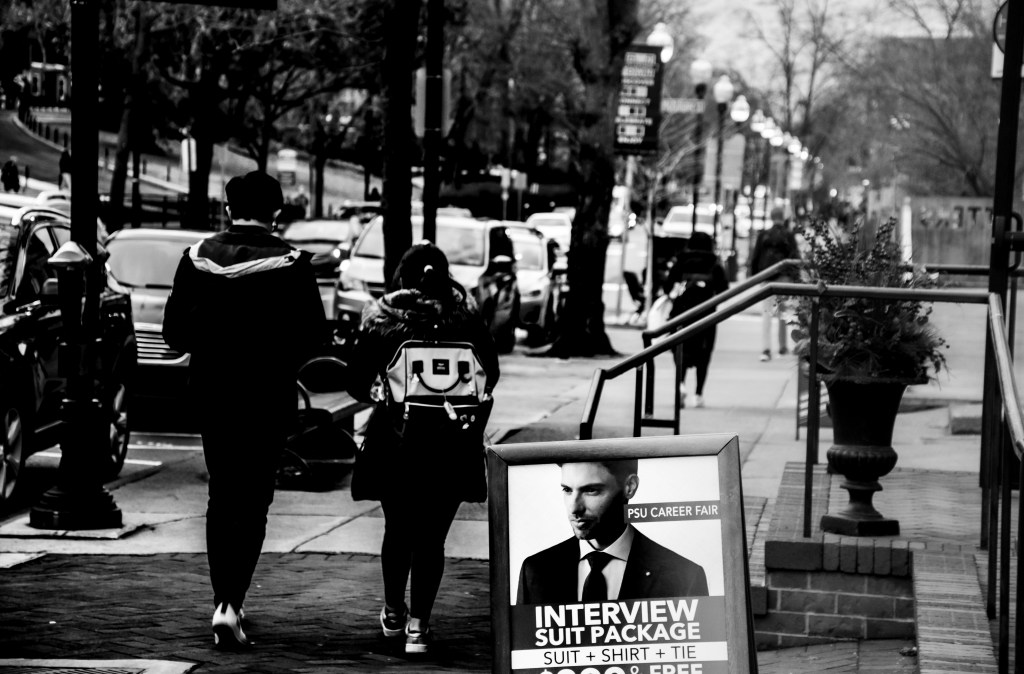
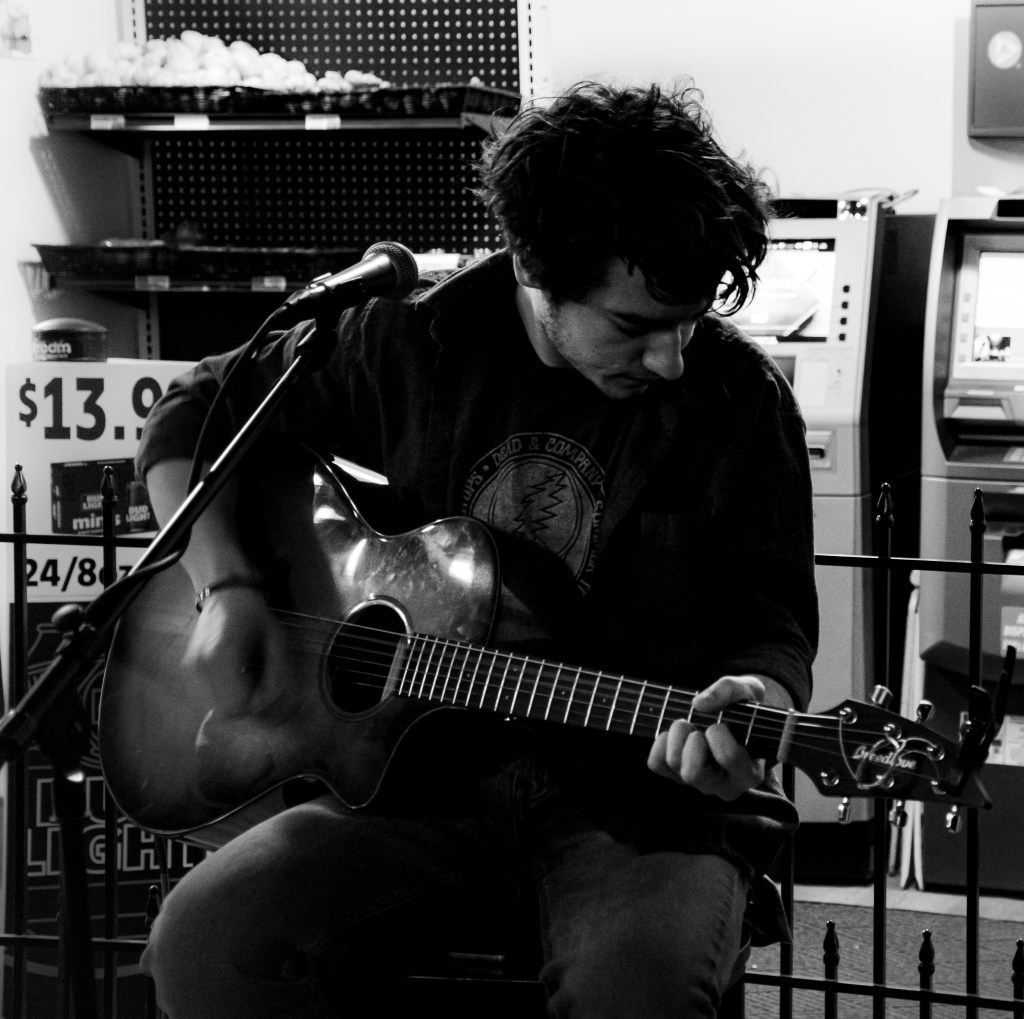
The photographer that I chose as inspiration for this project is Brassaï, French-Hungarian Photographer. Brassaï was active in the 1920’s, but he also did photography until around the late 1960’s. I mainly chose to emulate the type of lighting and silhouette techniques that Brassaï incorporated in a lot of his street photographs. The one I partially emulated was the photo of Grand Central Station taken by Brassaï in 1957 or at least partially. For these two images, I mixed Brassai’s style with the style of another photographer. I did not have access to the grand central station, so this was not the main inspiration for the photograph, but rather the way the the photographs partially obscured and silhouetted the people in the photograph. I also changed the perspective for the image as well since I don’t have access to Grand Central Station nor did I have the opportunity to go to grand central station. However, I wanted to compare Downtown State College to grand Central Station in a way. For the photos, I chose this photo as an inspiration because I think that it shows a very strong facet of everyday life. For this assignment, I chose to go downtown and take photographs of everyday life there.
PHOTO #1:
For the photographs in genera, I chose to emulate his style of lighting when it comes to people and the way that I accomplished this was by taking different shots with aperture priority mode on for my camera and taking different photos at different settings to get the right one. I then went into camera raw and adjusted the black and white settings and exposure of the camera to get the results that I wanted. The photo pictured above, was the first one I chose to take because I think the composition is the strongest out of the three photos that I have taken plus the lighting works with the photograph.
This second image I took on the same day with the same post production process, just in a different location instead of the alleyway. However, I do think that this one is closer in tone to the original photograph, except for the fact that the the black and white tones are stronger than the original photograph.
The third photograph is probably the weakest of my photographs and I feel like I could have done better adjusting the settings. The composition isn’t bad, but I could worked on the exposure a little better.
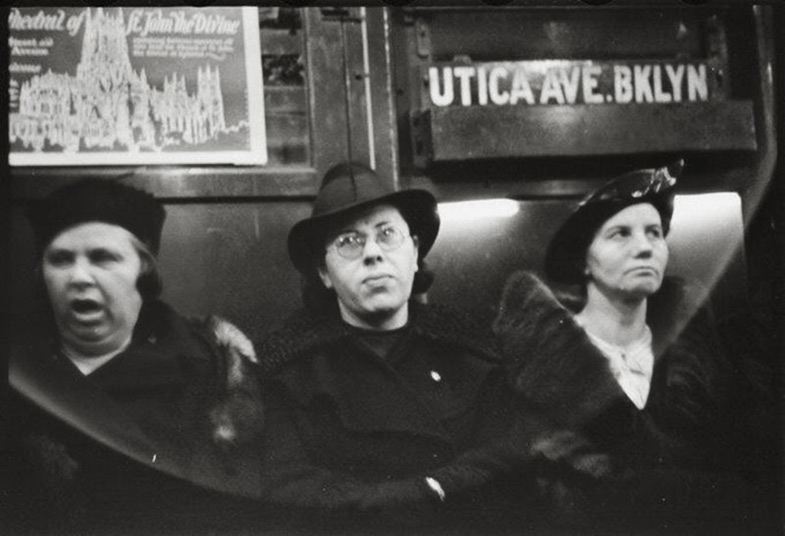
For this assignment, I chose to imitate the photo style of Walker Evans. Evans did a series of photographs where he had a hidden camera in his jacket that he took photos of people on the subway with. He did this in a way that they would never know their photo was being taken, and he could capture raw emotion. The photo that I am wanted to imitate was taken between the period of 1938-1942. This was in the earlier period of the years we were assigned for this week.
Walter Evans original photo
My Imitations:
Favorite Interpretation
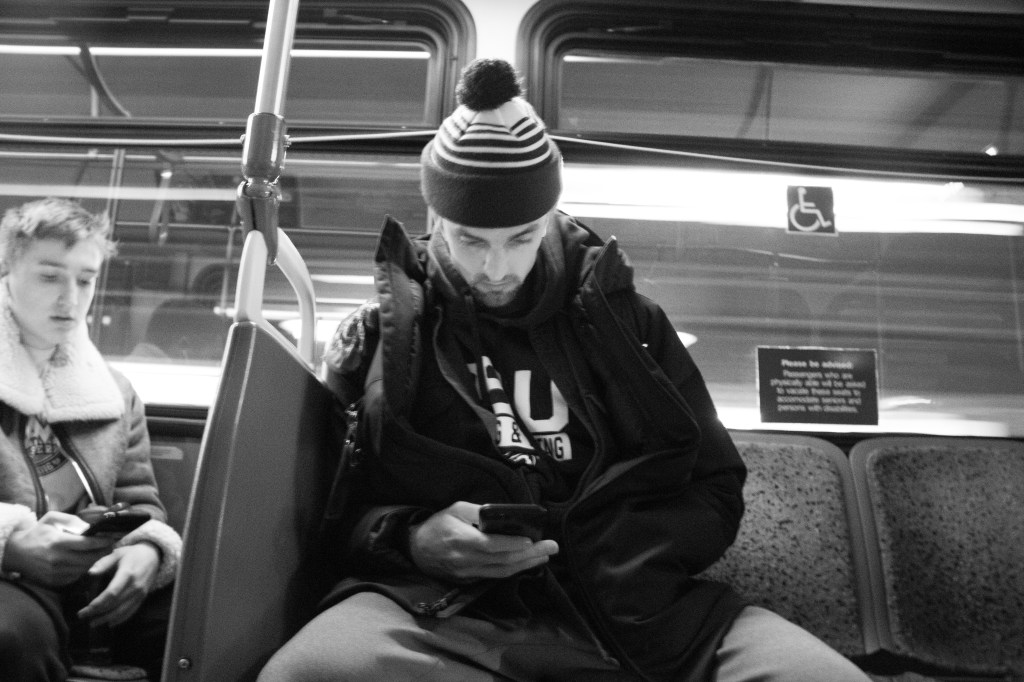
In order to achieve this style of the commuter not knowing I was photographing them, I held my camera in my lap and shot up at them. I rode the bus around campus in order to get the right shot. I shot at 0.5 sec in order to get the motion blur in the windows. Making this photo black and white really makes it seem like its an older photo, but the subject and the other passenger having cellphones show that it is a modern take on Evans work. Overall, this is the best photo because it shows what people really do on the bus and how they have their emotions. Their emotions are now on the screen rather than on their face. I am most happy with this photo.
Other Interpretations
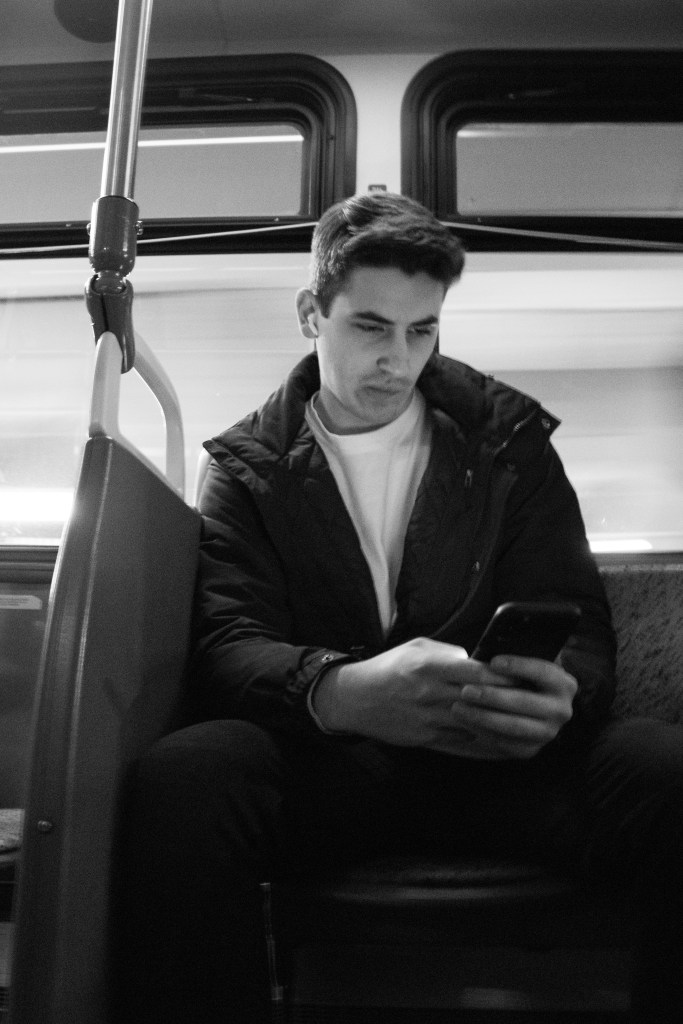
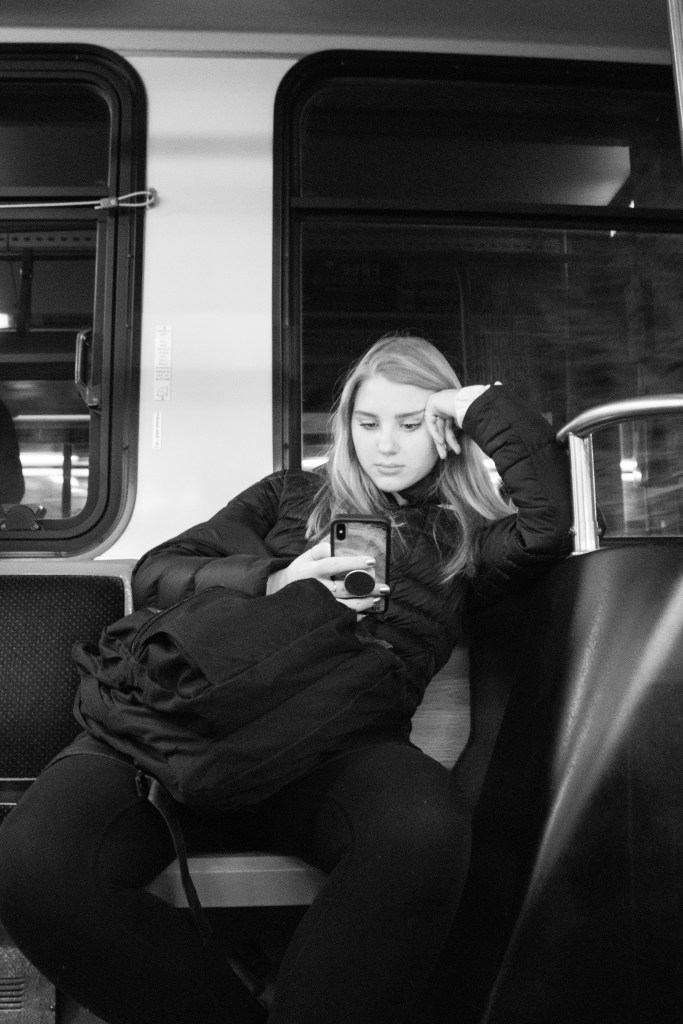
I really like these photos too, I think that these subjects really show their emotions while they’re on their commute, I just think the first shot matches Evans style more. There are also more people in the other shot. I like these ones because the subjects are showing emotions on their faces too. It is crazy how everyone just sits on their phone in silence on the bus now.
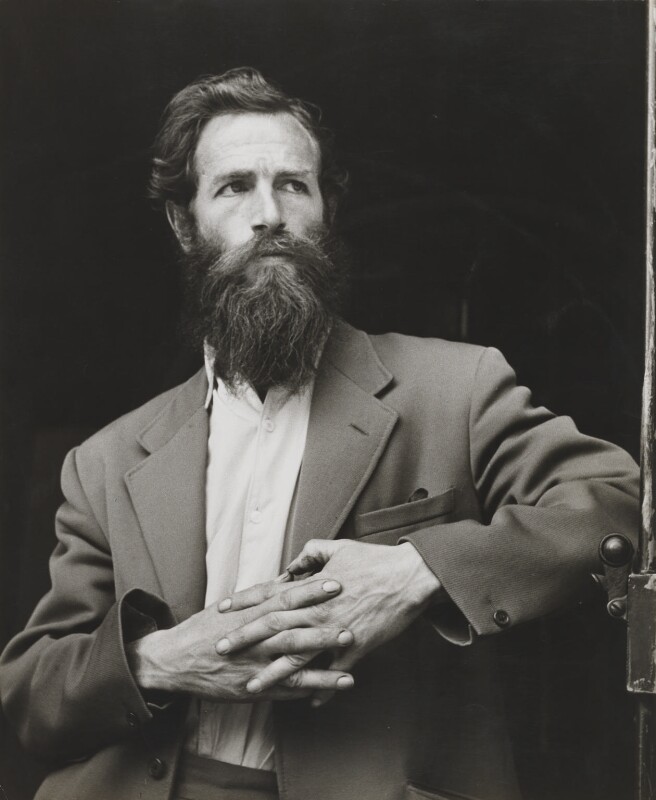
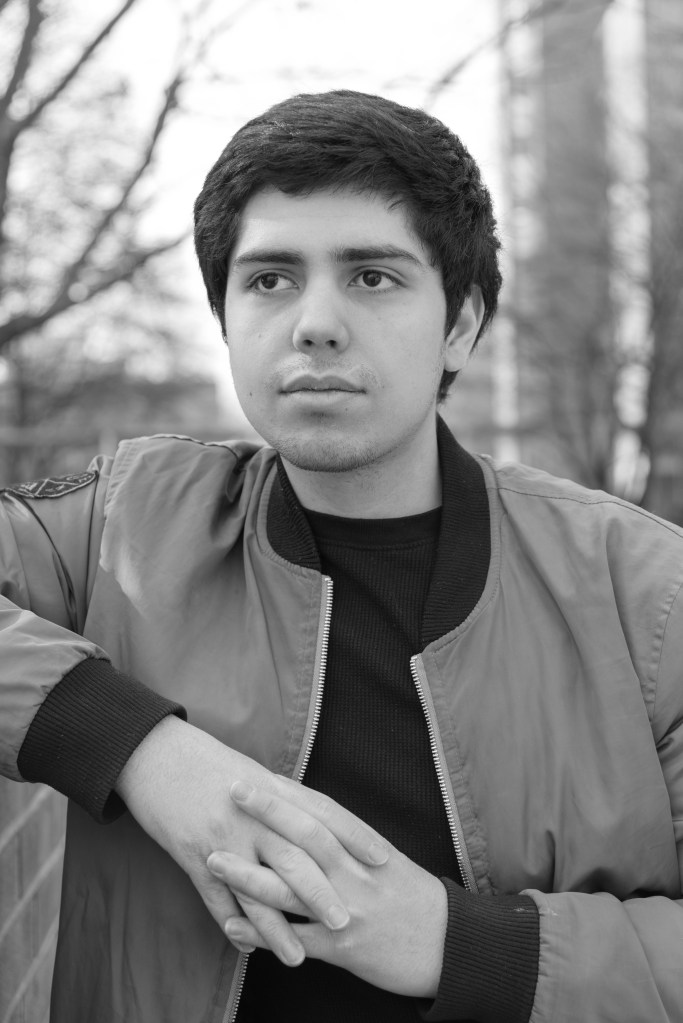
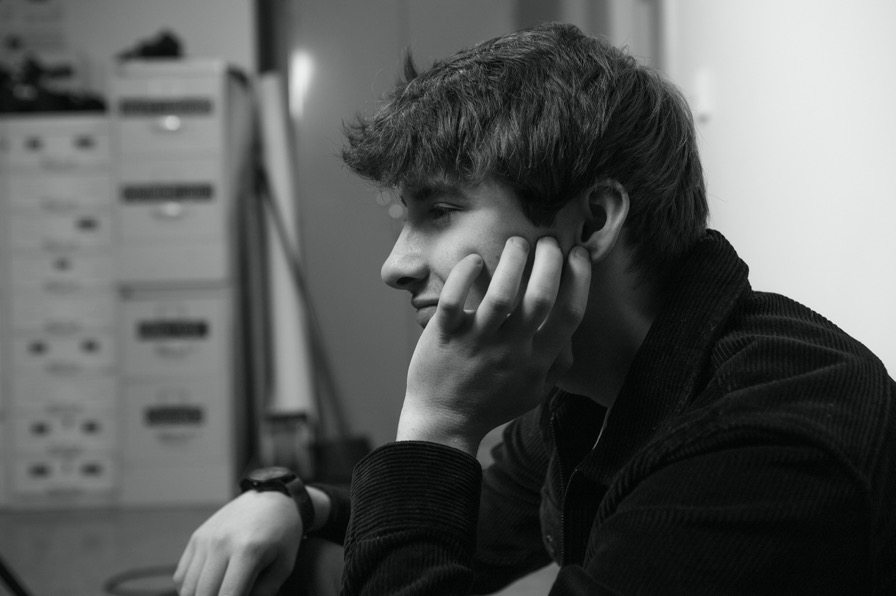
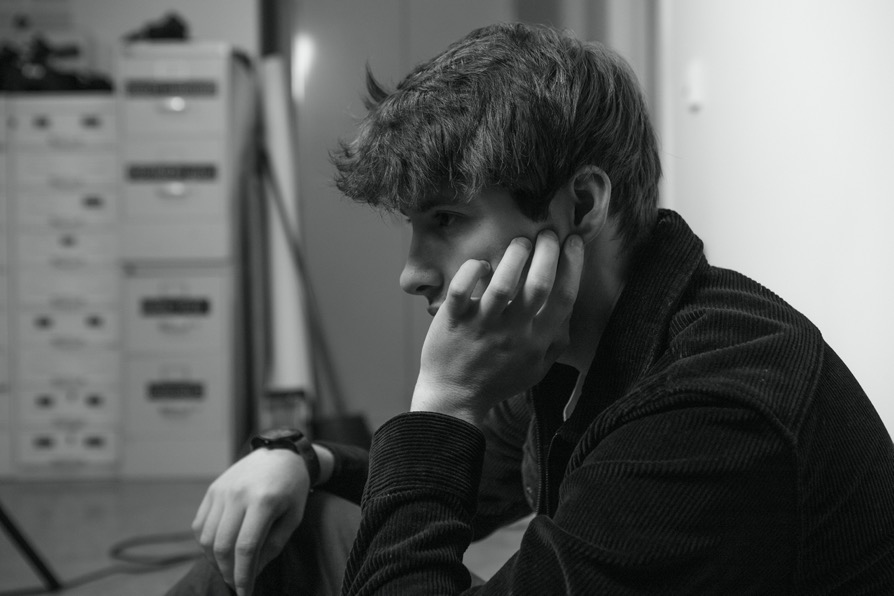
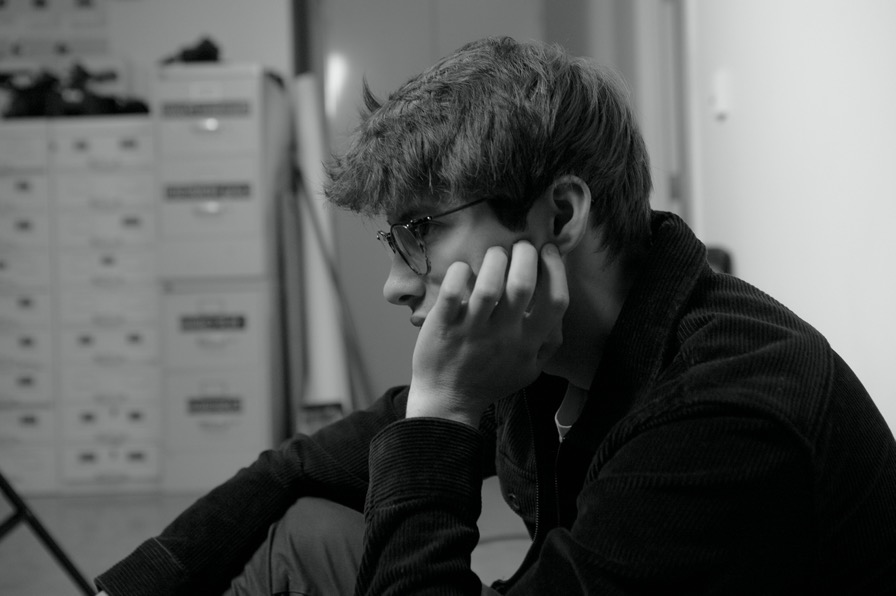
The artist I chose to imitate was Ida Kar, a female photographer in London after 1945. She took many portraits of writers and artists. I found that she photographs portraits in a similar way that I do. Some of her portraits are very different than that of the ones we see nowadays and I found that extremely interesting. I liked how the subject looked comfortable in his stance, but at the same time seemed serious. I also liked how he was not looking at the camera but still seemed to be focused in on something important. Makes you wonder what he was staring at.
Alan Davie by Ida Kar, its a vintage bromide print, 1959Image Number One my favorite
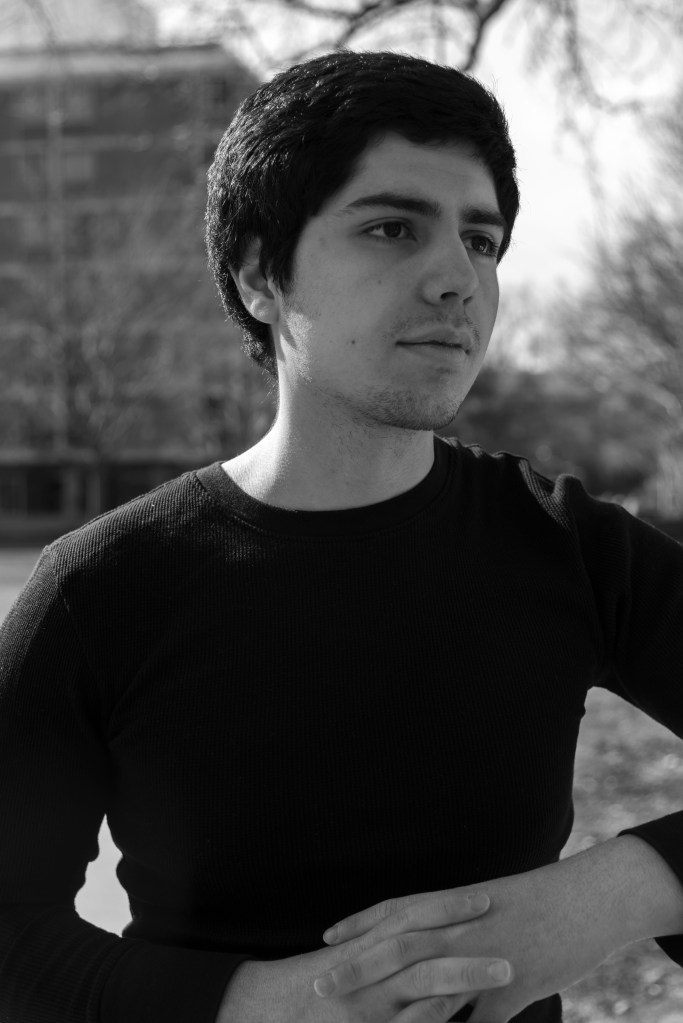
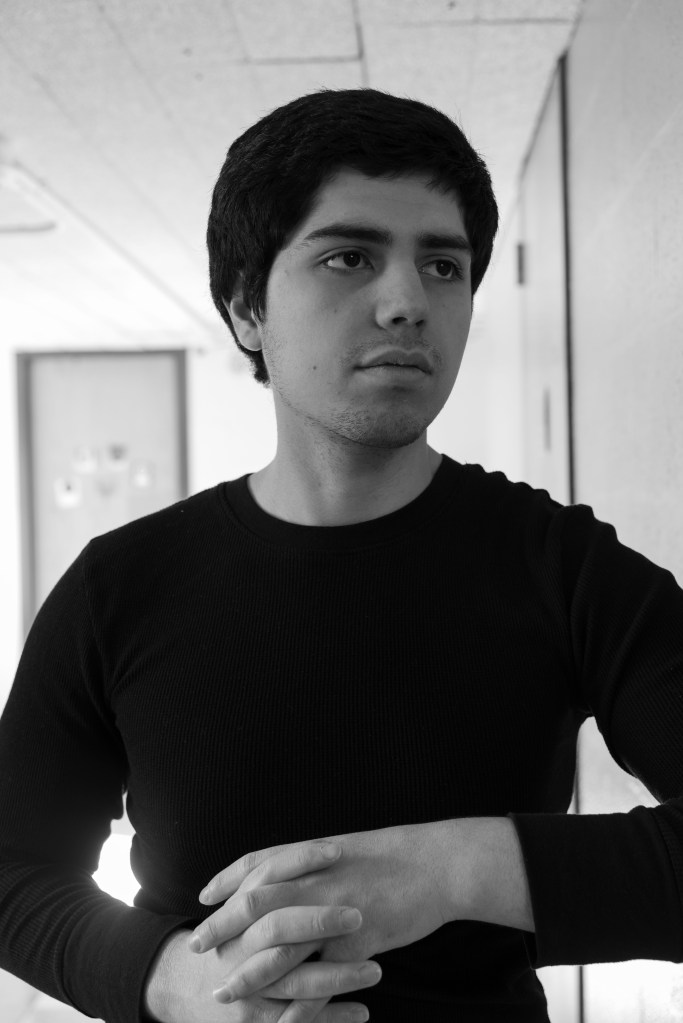
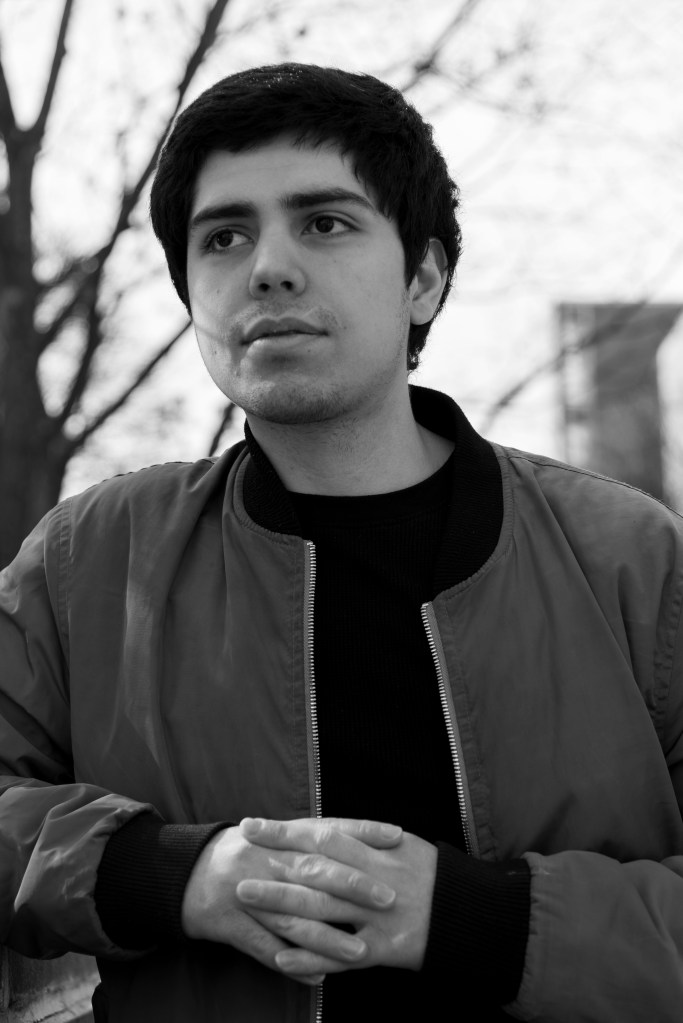
For this assignment I tried to capture a similar stance but have my subject in clothes that are somewhat popular today and is something he found comfortable. I went away from a super dark background because I wanted more depth in my photographs. For each image I tried different locations, location of my camera to my subject, and different lighting. I found that I preferred outdoor lighting and the camera being level with the subject. I also found that I preferred more of a blurry background and the subject farther away from anything that was in the background. I struggled to get the same kinds of grays in my photographs, but overall I am pleased with how they turned out.
Image two For this image I tried taking it from slightly below the subject. I blurred the background and I had the subject not only look away but also turn his face away from the camera.Image three For this image I also took this from slightly below the subject but closer to being level with the subject than my other photograph. I tried capturing all of the subjects hands in this one and I also tried using a mix of light coming through the window but also the indoor lights.Image four For this image I was also slightly below the subject, I got his full hands in the photograph. In this image his face is more towards the camera with just his eyes pointing away. This is probably my second favorite photograph. I definitely preferred the natural lighting.
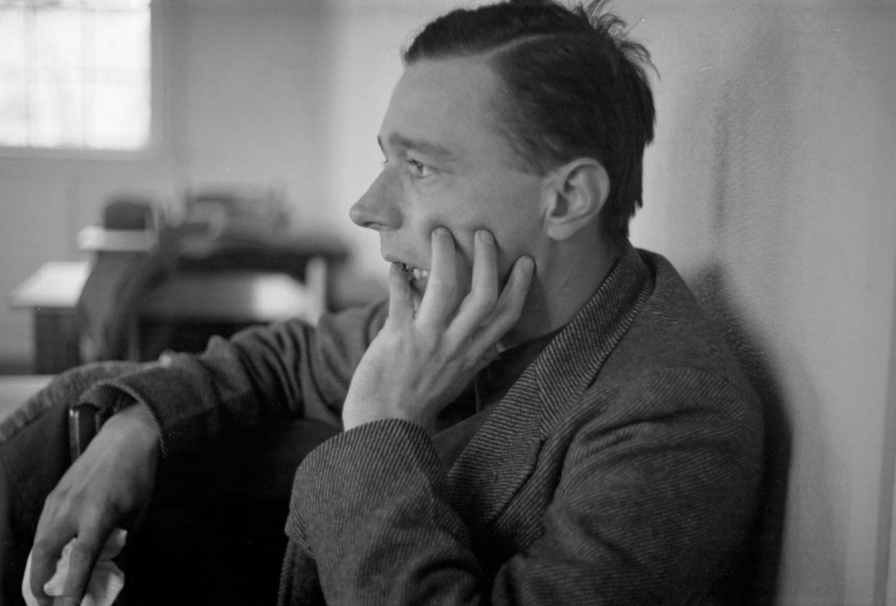
For this assignment I actually used a photo of Walker Evans himself. Searching through his work I found many great portraits he took. But along with that was many photos of himself, this specific photo along with another stuck out to me. Comparing the two photos you can see they are not exactly the same. Body positioning, facial expressions, and hairstyle are different. I had my subject have a smirk mostly showing content rather than a sense of worry or anxiousness like the photo of Evans. The positing of the hand on the face is moved further back as well Lighting is different as well due to the fact the subjects cause a shadow to land on his face. The overall look is the same, but I wanted to show that similar images can have two very different feelings.
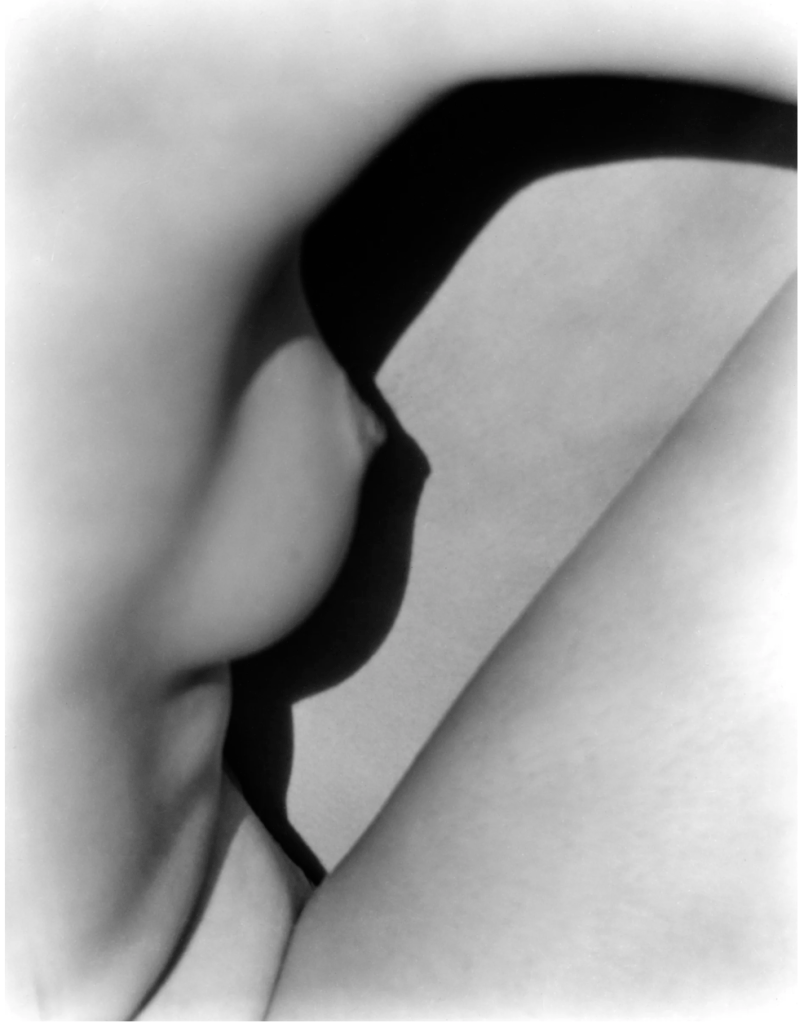
The artist I chose to imitate was Imogen Cunningham, a female artist who specialized in abstracting things like the body and nature. Her work has always inspired me, especially in the way female photographers portray other women in nude photos compared to male photographers.
Imogen Cunningham – Her and Her Shadow 2 – 1931
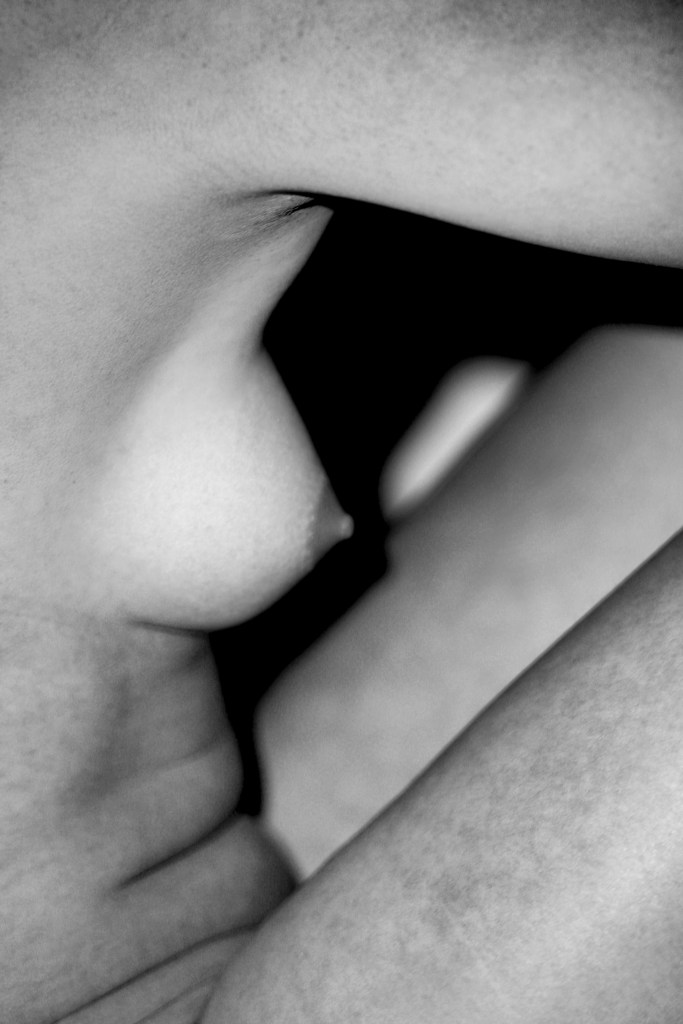
My Imitation
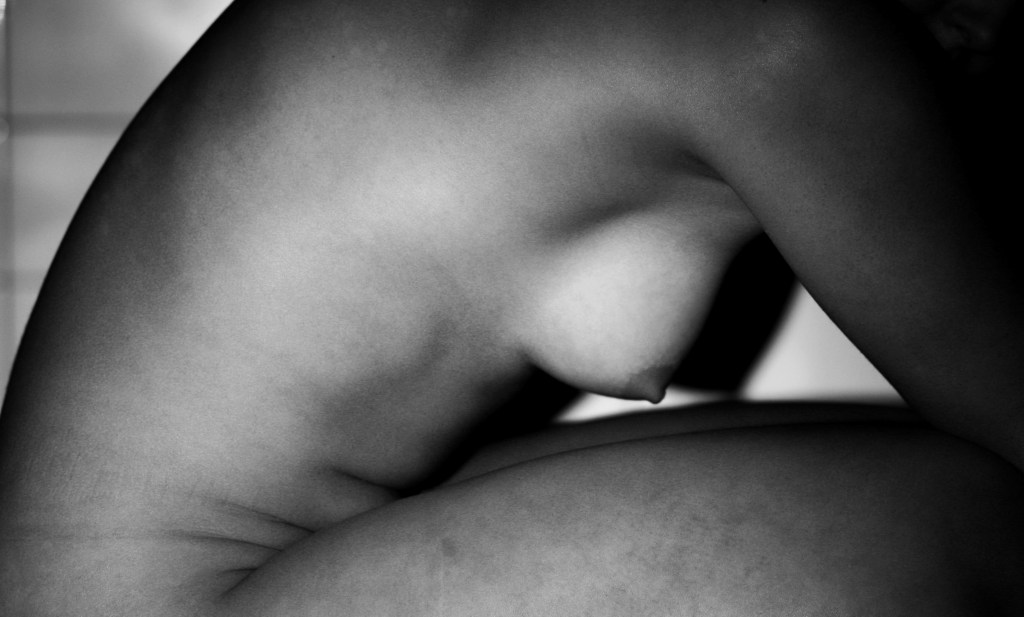
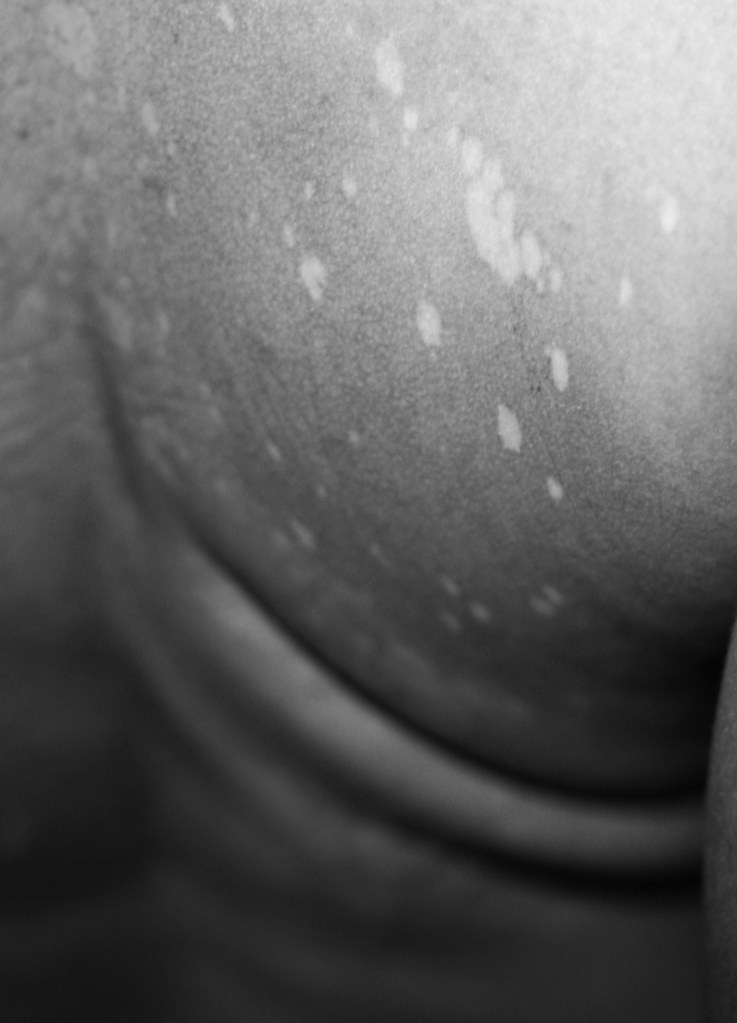
Best AttemptAttempt 2Attempt 3
Imogen Cunningham inspired me to start exploring the nude form and ways to abstract it starting my Junior year of high school, which later became the base of my senior project. She handled all of her photos with such delicacy, and all of her images were so beautiful that I often turn to her work in both digital and manual work. For my best attempted photo, I wanted to challenge myself in recreating her image, because something about abstracting two different bodies in the same way seemed interesting.



 PhotoChronologies