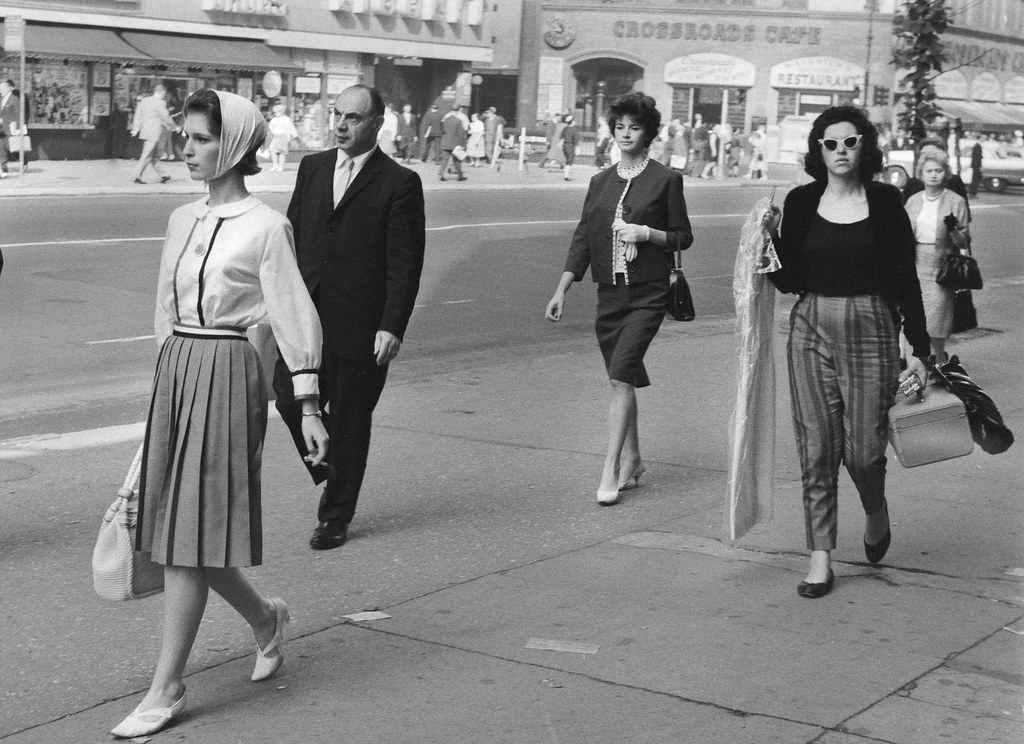
The photographer I chose for this assignment was Winston Vargas. He mainly photographed people in the streets during the late 1950’s all the way up to today. I like his work because he captures important yet everyday moments, usually people don’t know he’s taking a photo. He currently resides in New York City.
This photo was taken in 1959 in New York City.
Photo #1:
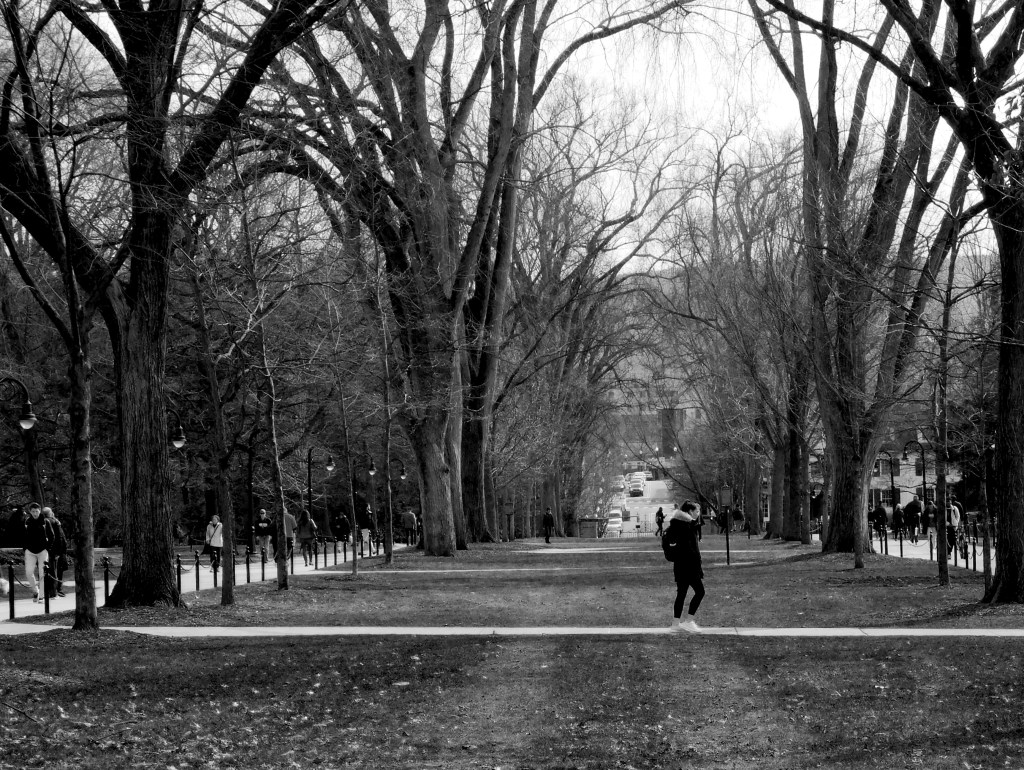
I chose this image as my main because it represents the daily life on campus. I walk this way every day so I get to see the amount of people that walk through here every single day. Most people aren’t paying attention and are more worried about going to their next class.
Photo #2:
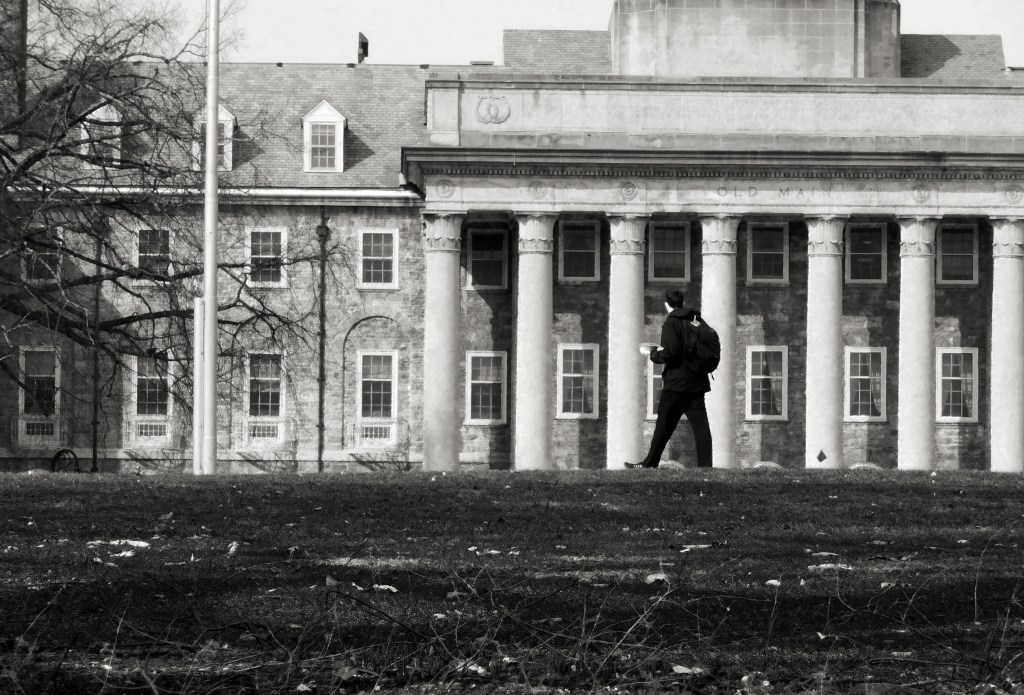
This image is similar to the first one and it’s in the same area. Old main in the background makes the photograph feel older than it is since it’s such a prominent builiding and we all know it’s very old. I wasn’t able to capture more than one person at this time.
Photo #3:
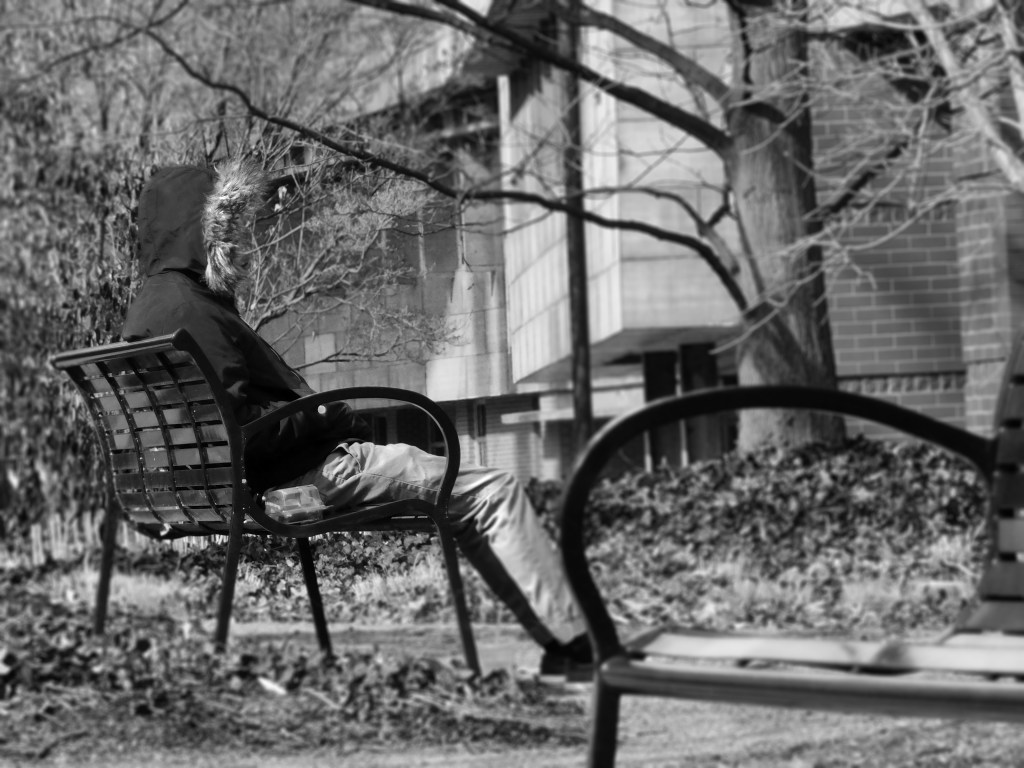
This photo was unexpected but I loved how it turned out. This person looks like they are waiting for something, just relaxing. I did walk by him and he had his eyes closed like he was sleeping. Having his hood up makes it seem like it’s very cold out when in fact it was quite warm and sunny.
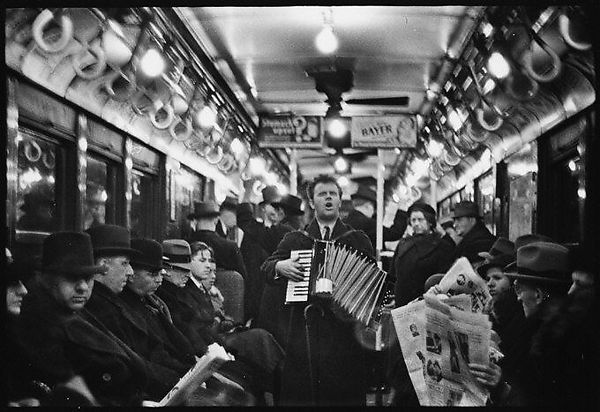
The photographer I chose for the assignment was Walker Evans. He was proudly known for his work during the Depression Era. I chose to imitate am image taken on the subway of everyday people.
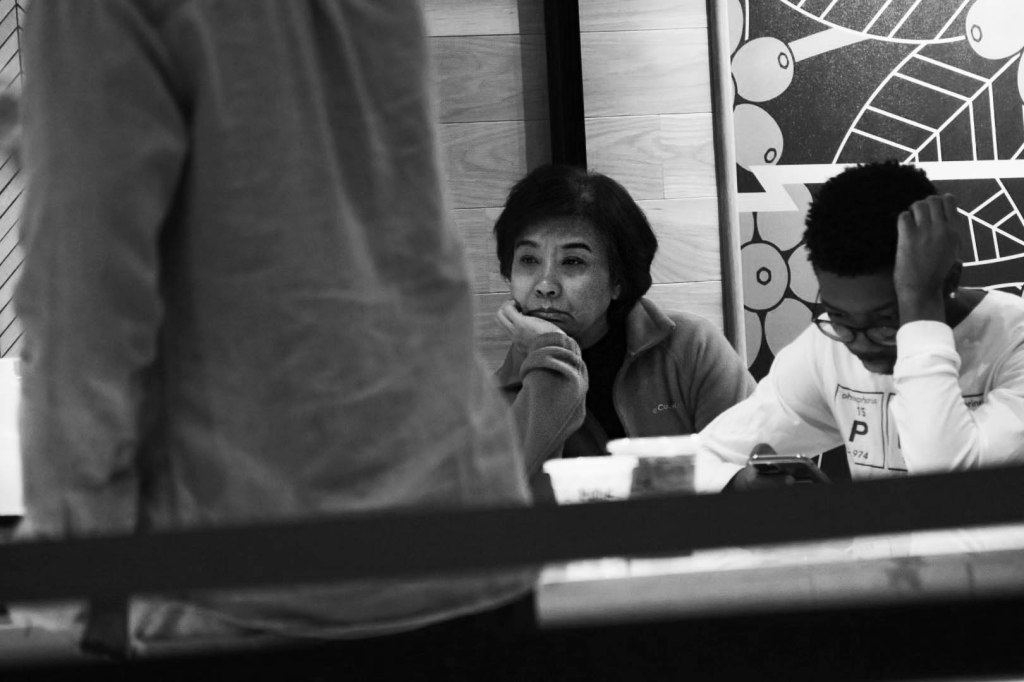
I found this image my strongest of all three. I was particually interested in capturing their raw emotions. I found Walker’s style compelling, sneaking images of individuals without them knowing. This interests me because it captures this emotion you wouldn’t get if they were aware of the photograph. I found this image the strongest mostly for the expression on the woman’s face. Its puzzling to guess what she is thinking.
Young photographers use portraits to explore the world they live in
Photographers aged 16 to 19 have responded to the political and social climate they live in with a new exhibition in London.
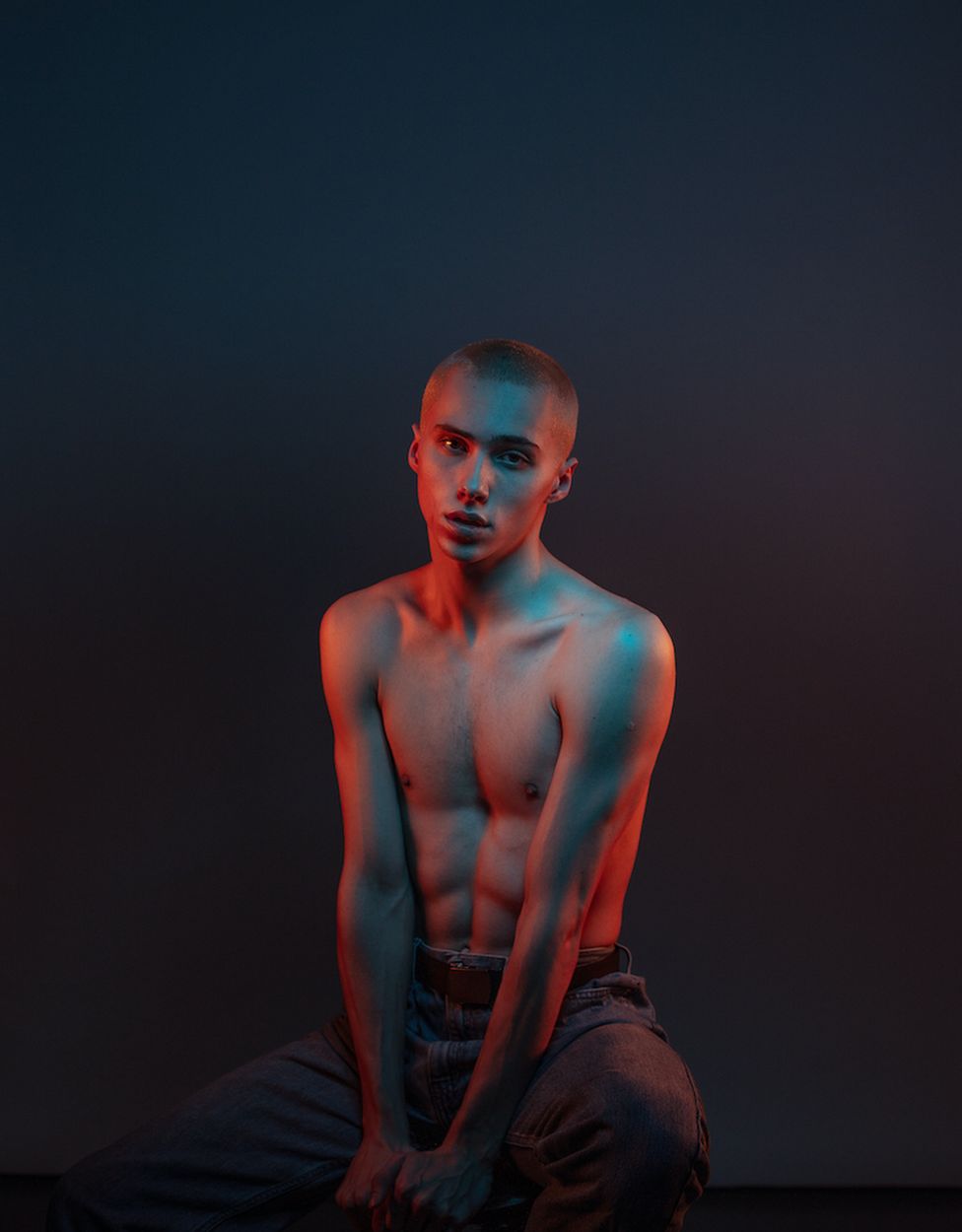
Common Ground, at Autograph’s gallery in Shoreditch, east London, takes an autobiographical approach and explores issues around sexual identity, communities and race.
The photographers are from sixth-form and further-education colleges and have worked with arts organization Autograph and University of Arts London to produce the exhibition.
Here are additional portraits with descriptions by the photographers.
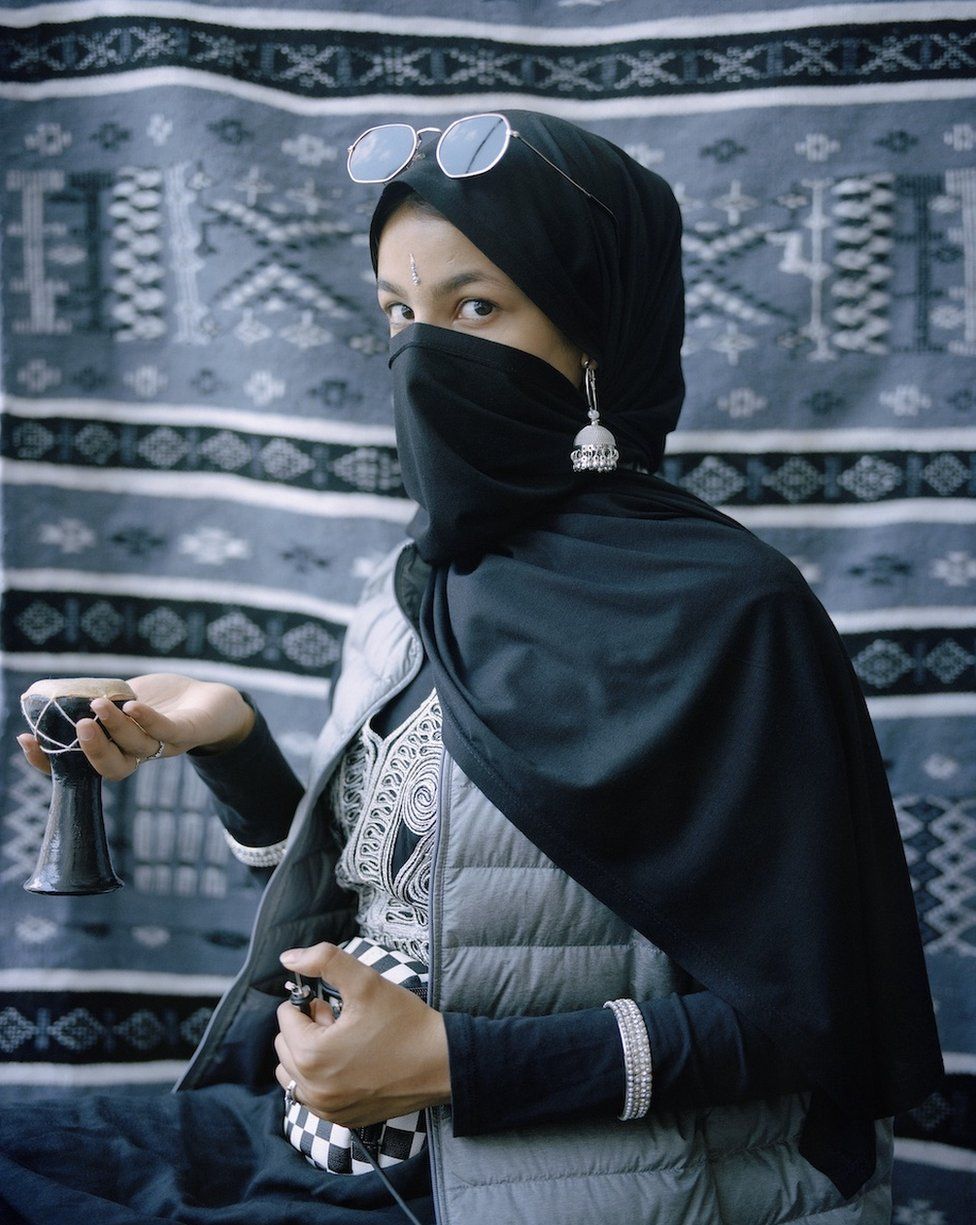
The Regal Britarabasian Hybrid, by Fatimah Al-Zahraa Zahmoul
“My series of photographs represent the theme of cultural hybridity. Through self-portraiture and coloured film, I aim to capture my true personality.
“I focused on my mixed ethnicity of Algerian and Indian-Punjabi and additional factors that contribute to shaping the person I am.
“Being British and a Londoner, I convey the salience of merging my Western and ethnic garments through my day-to-day fashion and language.
“Visiting Algeria over the years has helped me to explore the roots of one of my halves thoroughly.
“I illustrate my Indian culture in smaller details, such as the beautiful jewellery, jhumka earrings and the amazing paisley patterns.”
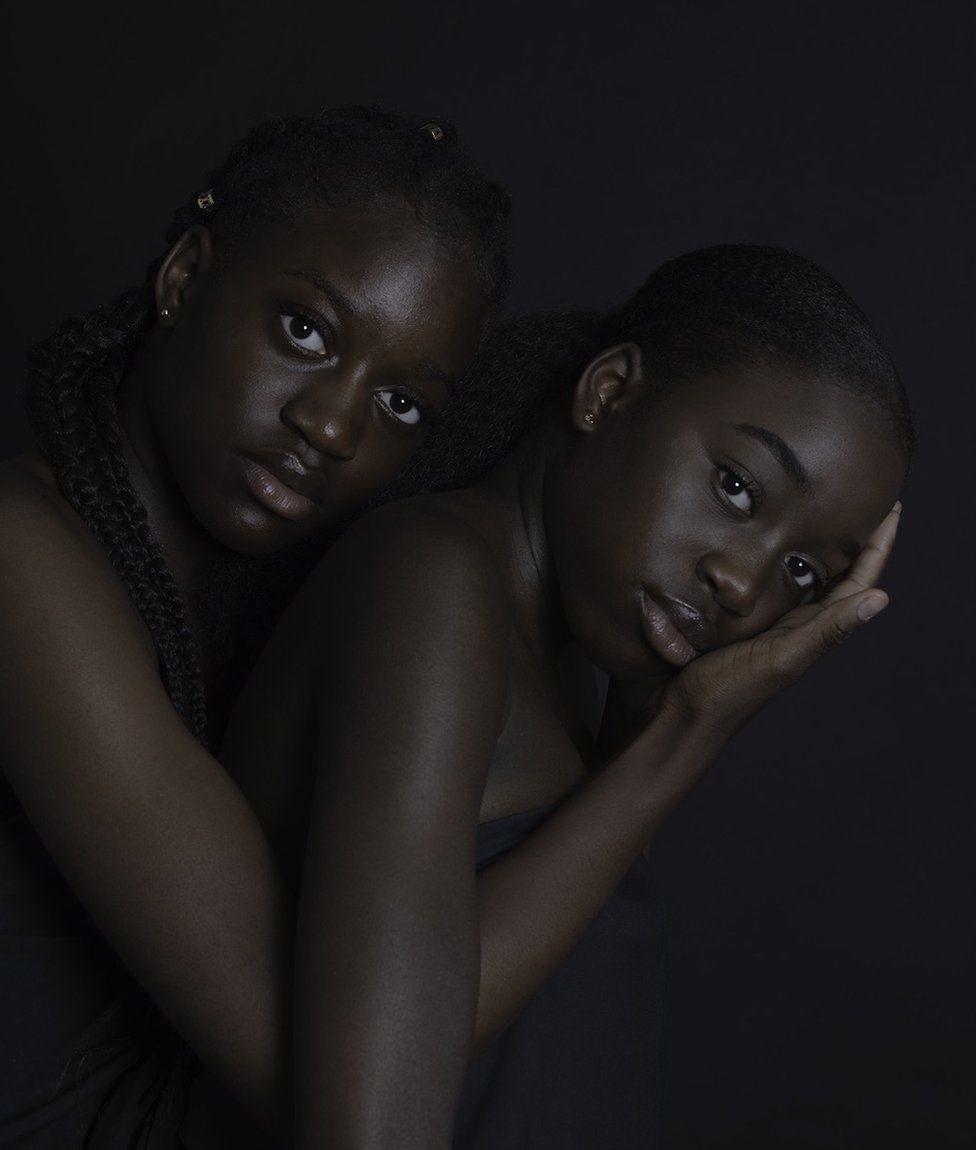
Golden, by Benedicte Lungwa-Loussi
“The colour of our skin is who we are and it shouldn’t be changed to fit anyone else’s perspective of beautiful but should be used to express the glow in our skin.
“As black people, we should be lifting each other up and praising our identity.
“I want people to feel proud and comfortable in their own skin and explore the unique shine that it comes with.”
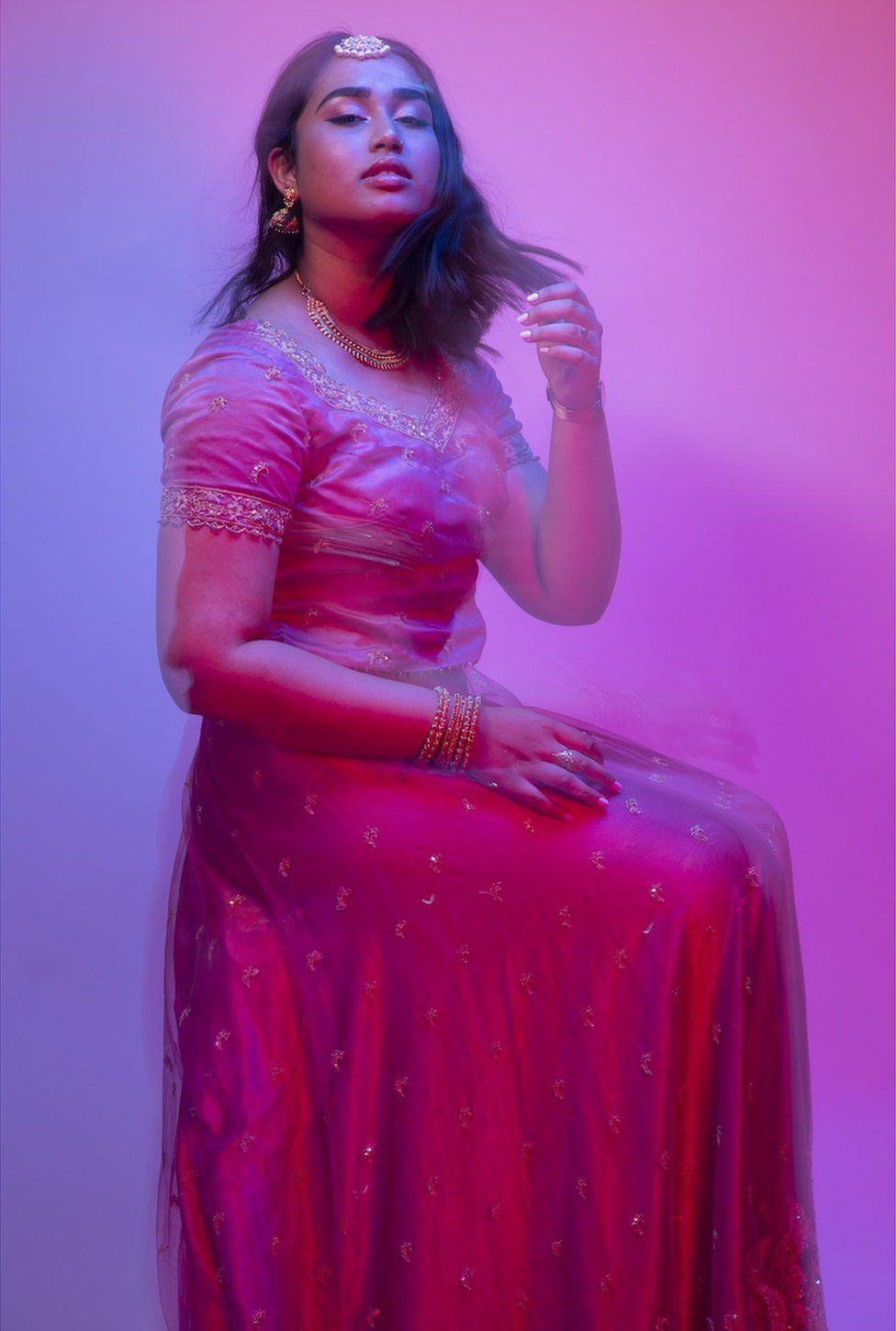
Phases of Pynk, by Genesis Tennison
“I was interested in creating a [photo] series that served as a metaphor for overcoming the challenges faced from the outside or within communities.
“Each shot came together and created what looked like one fluid movement – a movement of liberation and resilience.
“The portraits play with bold colours, haziness and dance-inspired gestures to portray phases of self-acceptance that many people from marginalised communities can relate to or feel empowered by.”
Calling all photographers! —Did you know Earth Day is celebrating its 50th Anniversary this April? Submit your photos of our dynamic planet to be part of Earth in Focus, a public exhibition on display at Bethel Woods this year.
2020 marks the 50th anniversary of the creation of Earth Day. It is a time to remember the 20 million people who first came together for the protection of this unique place we all call home and the enduring legacy of what they started. Bethel Woods Center for the Arts – site of the 1969 Woodstock festival, where half-a-million gathered in the name of a greater good – is no stranger to large gatherings of peacemakers. To celebrate this anniversary and the strides made in preservation and sustainability, Bethel Woods will adorn its historic grounds with an Earth focused, large-scale outdoor photography exhibition. This exhibit reminds visitors that the beauty of nature is written in a language we can all understand.
Jury Alyssa Adams, Co-Founder & Exec. Director, The Eddie Adams Workshop Ruth Fremson, Photographer, The New York Times Kelby Hochreither, student of photography, Bethel Woods program alumnus Elliott Landy, Rock music photographer & Woodstock alumnus Jan Nagle, Program Manager, CPW: Center for Photography at Woodstock
DEADLINE: March 11, 2020 (11:59 PM PST) EXHIBITION OPENS: April 22, 2020 (Earth Day)
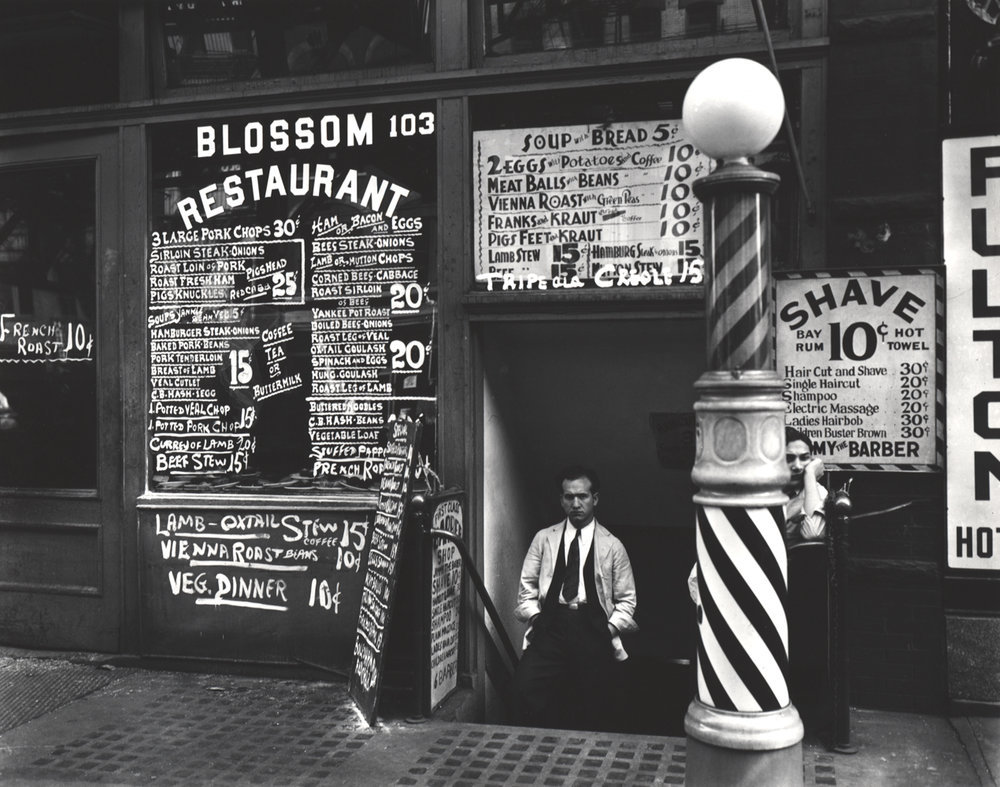
The photographer I chose to research is Bernice Abbott. She is an American photographer that photographs architecture found in New York. She became one of the most important portrait photographers in the 1920s, but I focused more on her architectural style of photography in urban New York, as it is what she is known for. The photo I chose is called Blossom Restaurant, 103 Bowery, Manhattan, Oct. 24, 1935.
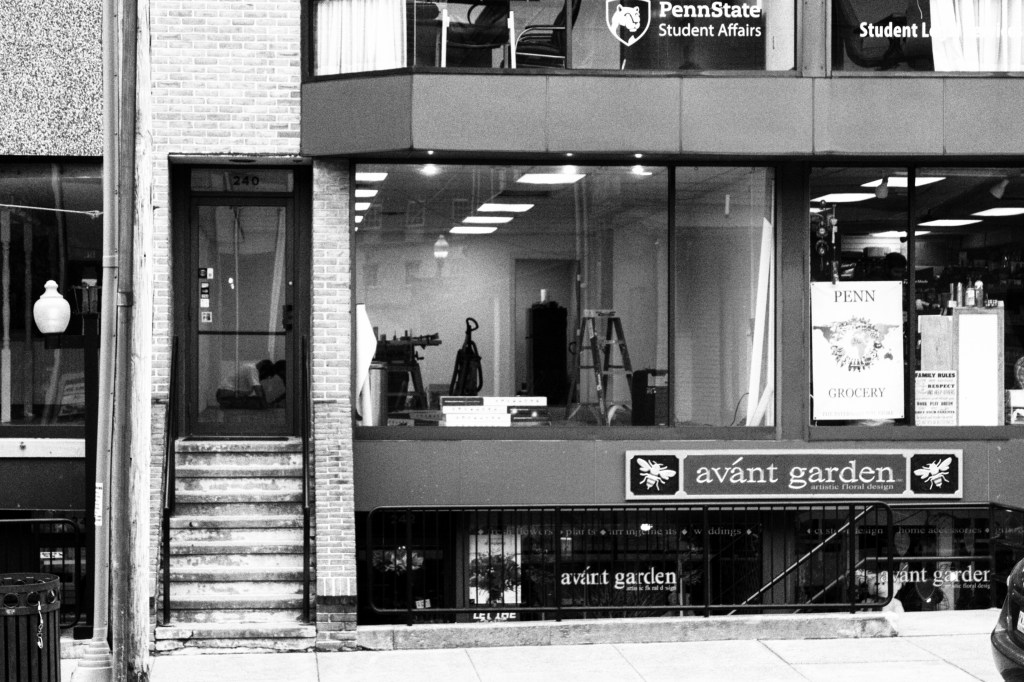
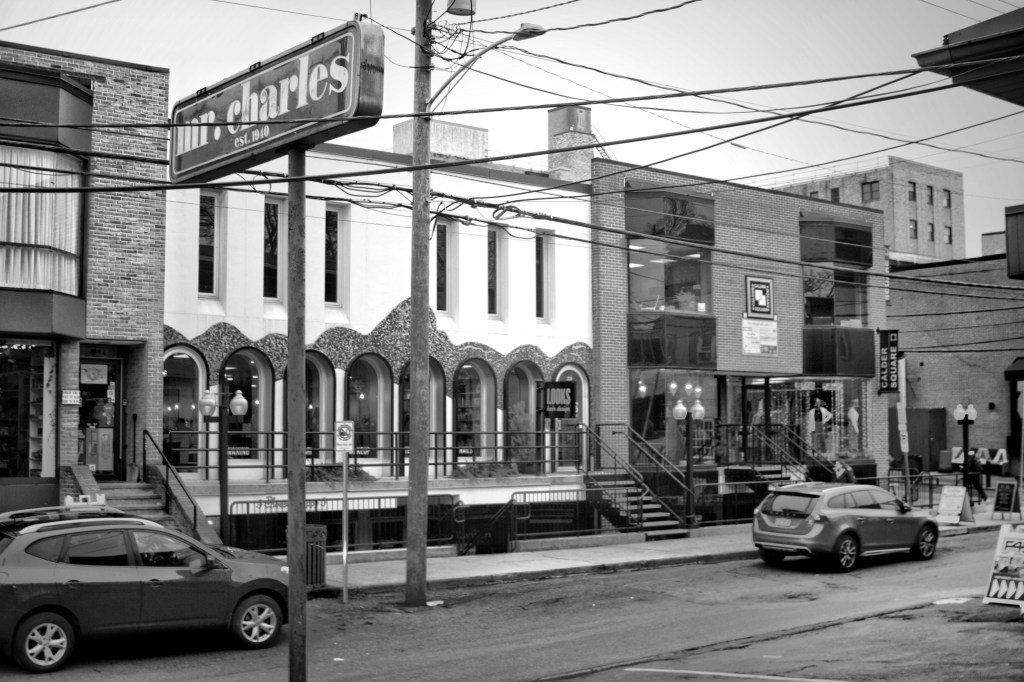
When I was looking for pictures to try to imitate, Bernice’s original photo stood out to me because I knew of places downtown that replaced his image pretty close. I pass down this ally everyday so I knew the location pretty well and it imitates the restaurant in my first picture. The second picture is a zoomed out view of the location strip of restaurants and shops. I knew the area mimicked her photo because of the different levels, having the shop up the stairs, and the restaurant going down the stairs.
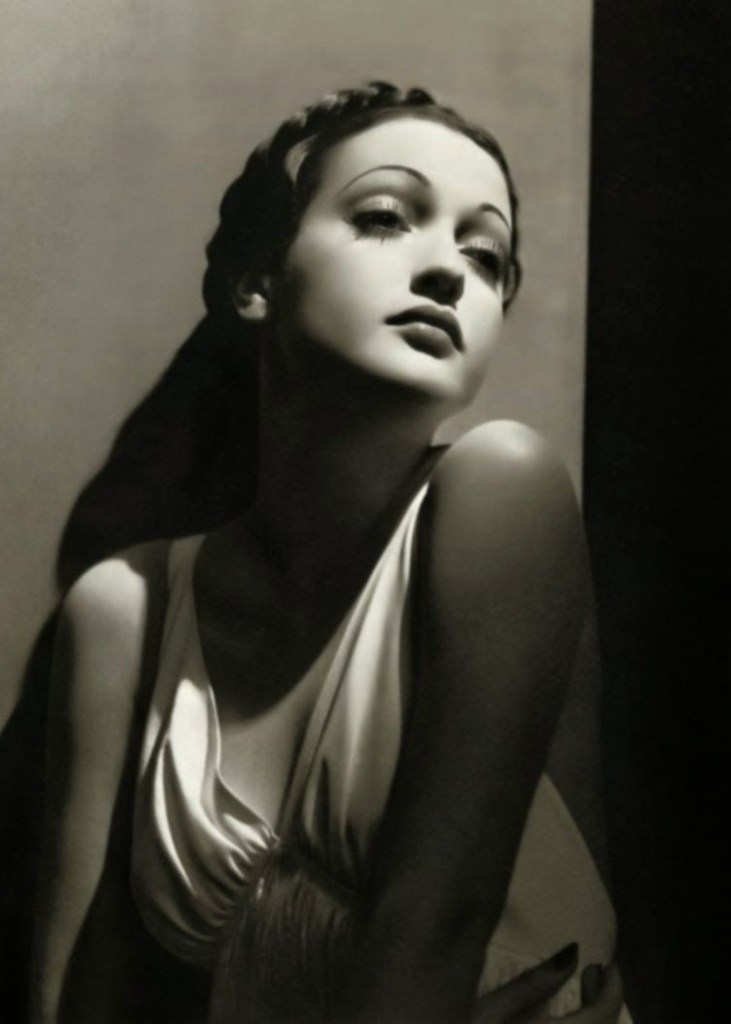
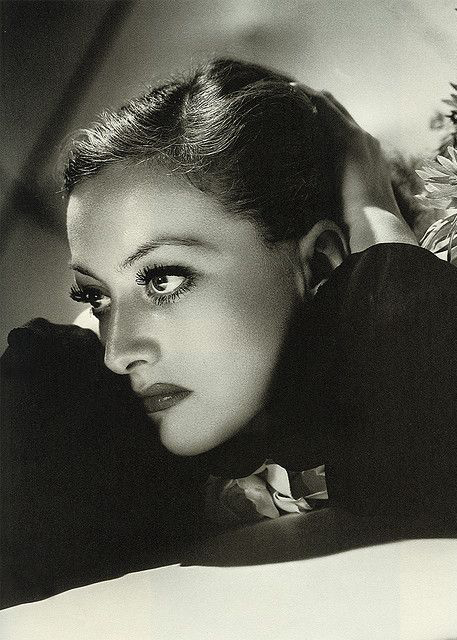
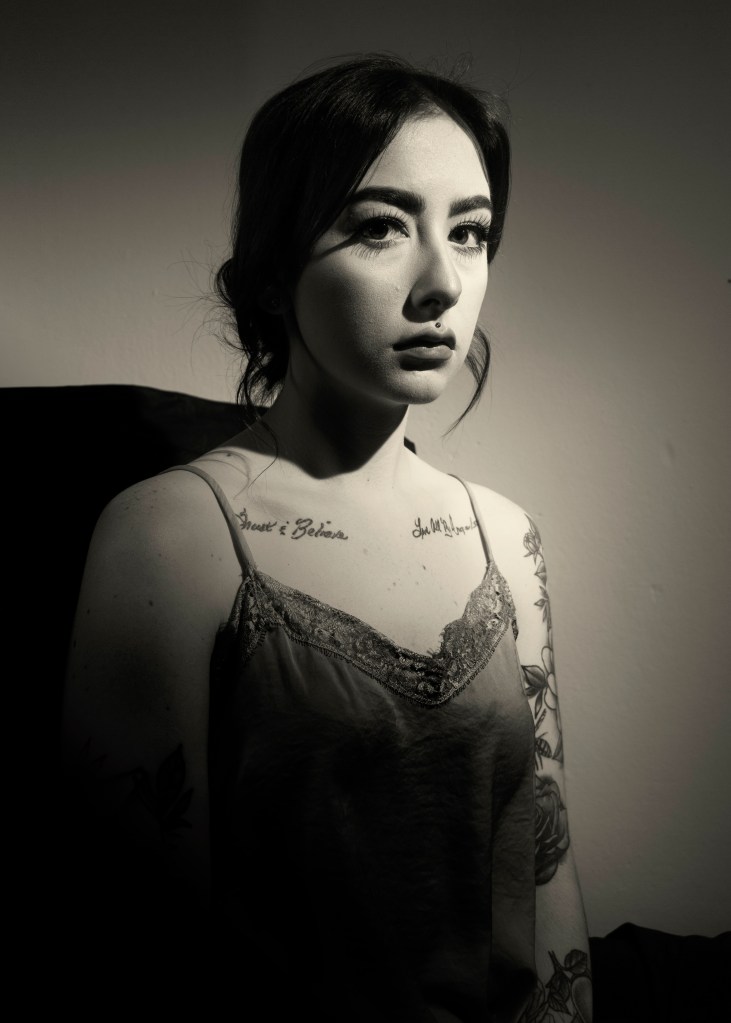
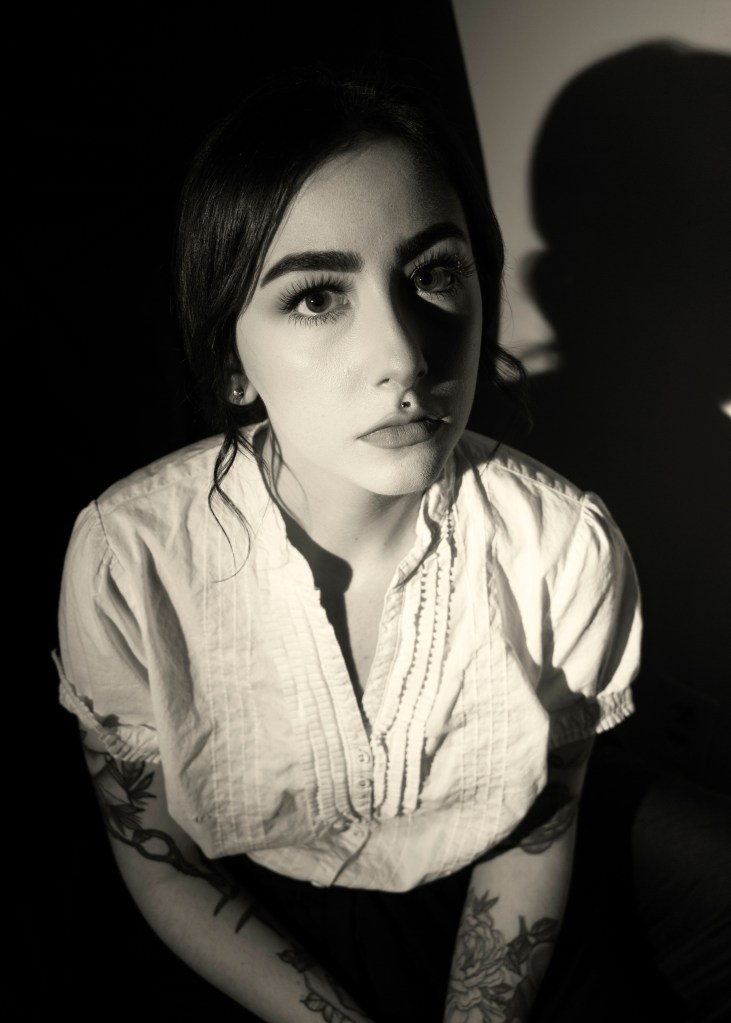
I decided to try to emulate the work of George Hurrell, an American photographer prominent in the 1930’s and 40s. Hurrell was a Hollywood photographer that showcased the beauty and glamour of celebrities with many different techniques that he developed over time. One of the things that he invented was the use of a monolight, a singular light placed above and shining down on the subject, creating a spotlight type look. This style of lighting makes the images have natural vignetting, creative shadows, and higher contrast. Another noteworthy thing that Hurrell mastered was his use of a retouch pencil. He would draw in small and big enhancements like more glamorous eyelashes, smoother skin, skin texture, hard shadows, and more.
My Imitation
Although I feel like both images capture George Hurrell’s style accurately, I think that the first image (on the left) has the best connection to the original inspiration. When I learned of Hurrell’s use of the monolight, it inspired me to step out of my usual comfort zone within portraiture. For portraits, I mainly use a speedlight with an umbrella to capture a full face of light, focusing less on shadows and more on even lighting. To emulate the monolight look, I used a snoot on my speedlight to condense the light into a beam or spotlight look. This allowed me to capture creative shadows, while still having good lighting, contour, and balance between dark and light. Hurrell focused on the subject not being directly facing the camera, but having an angled pose to accentuate jawline, something I think I was able to capture in these images.
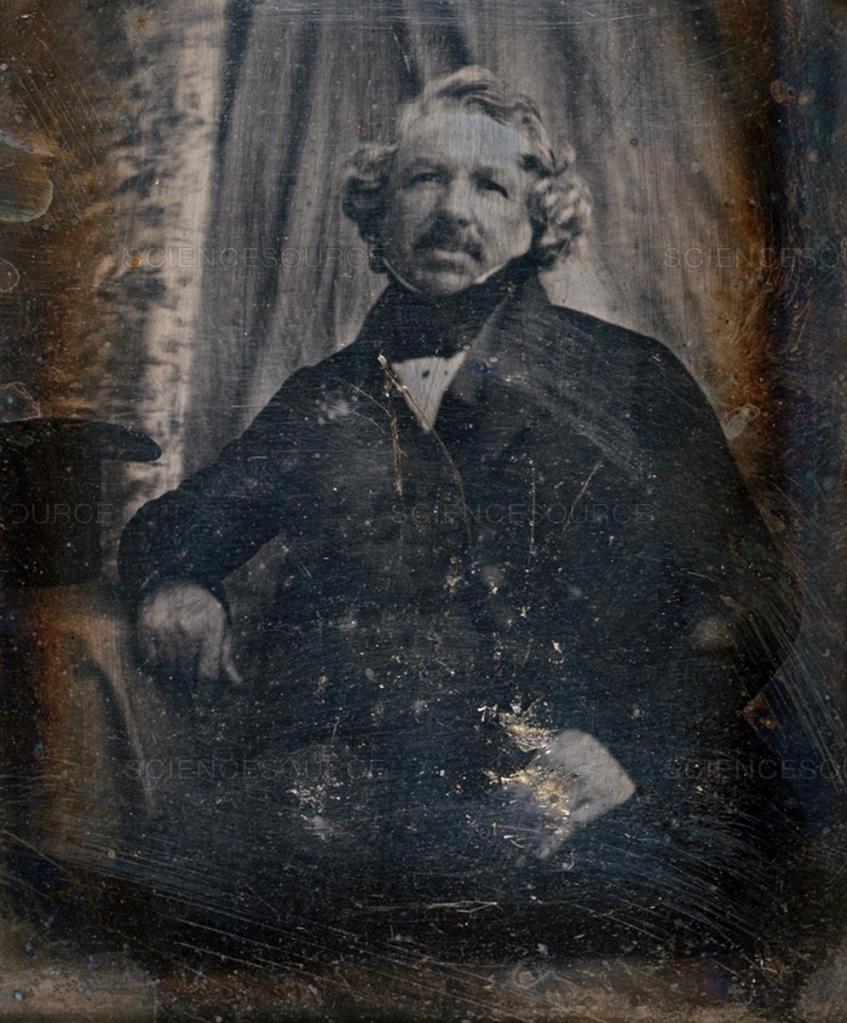
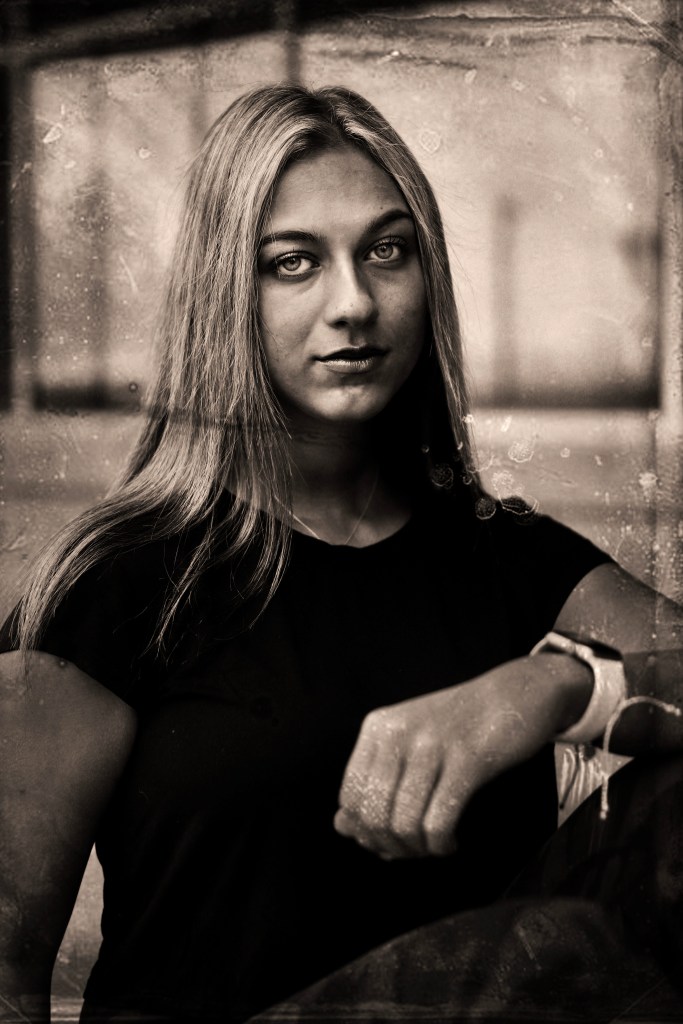
Although we did not learn about the process in class, I chose to imitate the style of the famous Daguerreotype for my project. This is a process that has always caught my attention and I have a huge appreciation for the process.
My interpretation of the daguerreotype.
I love Photoshop and being able to use the software as a tool to manipulate images. I enjoy challenging myself as a photographer and photo editor to emulate the feeling through my own pictures. I knew going into the shoot that I wanted a portrait that I could make dramatic through local dodge and burn techniques, so my initial goal was to get that through my model. To imitate the feeling of the silver plate process I took a daguerreotype layer and multiplied it through onto my portrait, as well as multiplying through different scratches and speckled vectors.
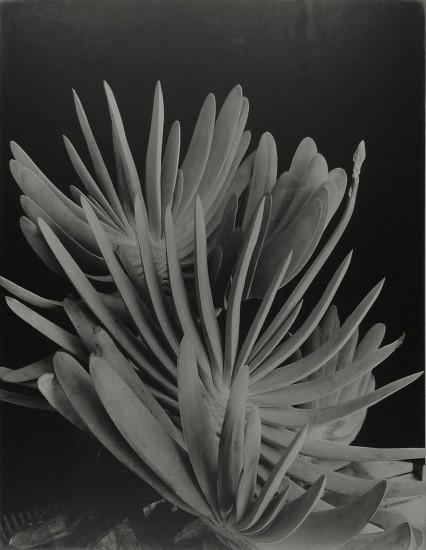
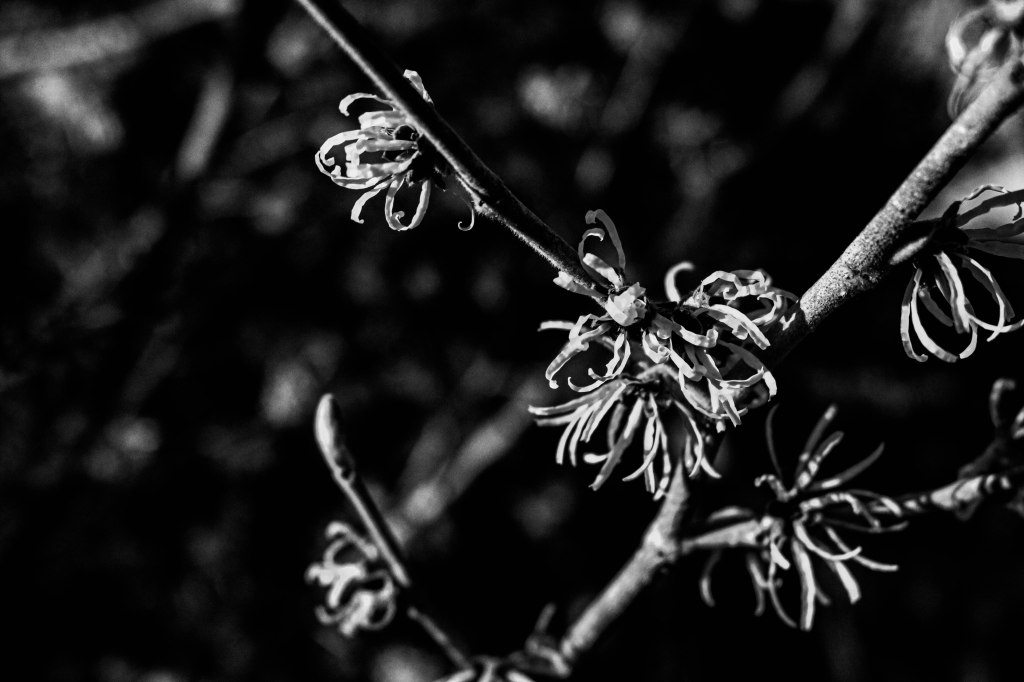
Imogen Cunningham was an American photographer who liked to photograph plants as well as nudes and industrial landscapes. The photograph that I chose for her is a 1949 picture of aloe vera. I was sadly not able to find aloe vera to photograph so I took a picture of witch-hazel which can have very similar healing effects to aloe vera. There are many facial products today that use aloe vera and witch hazel as some of the active ingredients so I wanted to go for a healing theme with my project. My goal in order to recreate the photo as much as possible was to find a plant that has some of the same qualities as aloe vera. I also wanted to find a plant that had some of the same sort of structure that an aloe vera plant has. I also wanted the photo to be black and white in order to make it look as closely to the original as possible. I do feel that this image is the best image I took that relates closely to Imogen Cunningham’s photo of aloe vera
Albert Renger Patzsch was a German photographer from 1867 to 1966. He was always interested in photography, even at a young age, but he took this photo in 1922. He had a variety of different photography projects throughout his life. The relationship between Patzsch’s photo and my photo is the texture both of them hold. I wanted to capture the up close and personal affect as he did as getting all the textures from the plant. Before going out to shoot, I searched for photographers from the 1920s to the 1930s and Albert’s work caught my eye. His work consists of still life, to industrial, to macro. I went to the arboretum to get inspired, because I did not know what I wanted to photograph to try and relate to Patzsch. But when I saw this type of plant, it instantly reminded me of the picture above from Albert, yet it was different and unique in its own way.
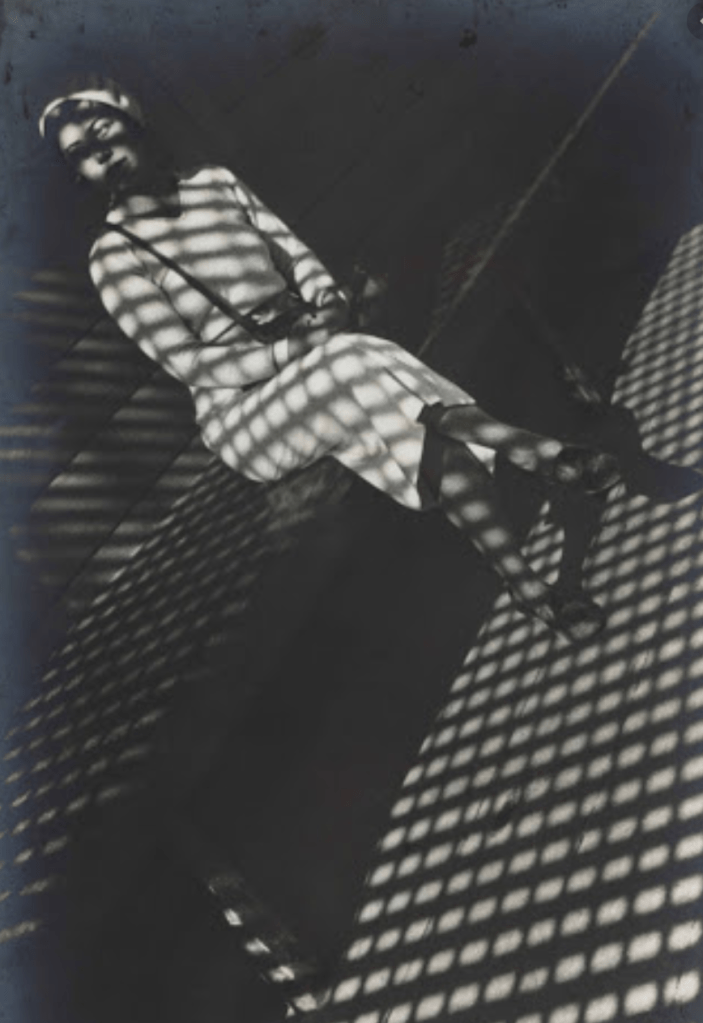
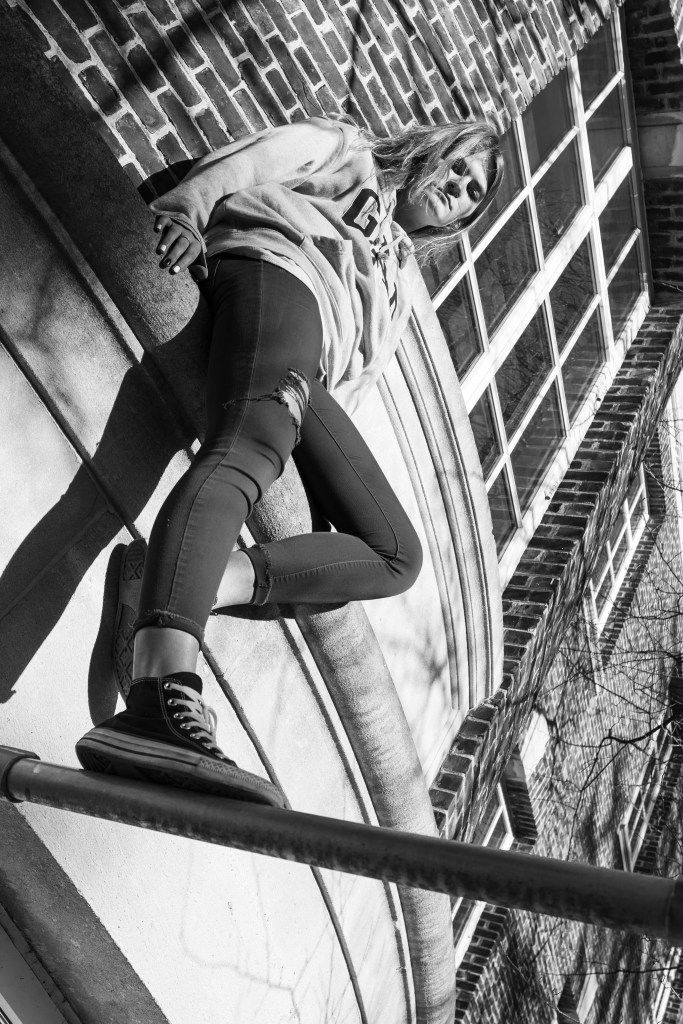
For this assignment I️ chose Alexander Rodchenko as a source of inspiration. He studied art in Moscow and was considered to be one of the most influential artists of the 20th century. This image is called Girl with Leica and was taken in 1936. I️ enjoy Rodchenko’s use of bizarre angles and no straight horizon lines. This picture in particular stuck out to me because of the use of shadows and its almost 90 degree angle. This is the photograph I️ created in response to the historical image. I️ tried to find the intense shadows and angles to create a similar effect. The shadows in my image are not as dramatic or moody but I️ still feel as though I️ got the general effect that Rodchenko goes for. Even though my shadows are not as intense, I️ feel the texture from the bricks and the lines in the windows make up for it.


 PhotoChronologies